
Is a Pacemaker Removed Before Cremation? Safety Procedures and Regulations
When arranging a cremation, questions about medical devices like pacemakers often surface with a gentle worry. I understand this concern, and I want to provide you with clear, compassionate answers.
This article will walk you through the essential details.
- The critical reason pacemakers must be removed before cremation.
- The careful, step-by-step safety procedures used by professionals.
- The regulations that ensure this process is handled with respect and dignity.
Key Takeaways: What You Need to Know First
Yes, a pacemaker must be removed before cremation. This is a strict safety and legal requirement in every crematorium I have ever worked with.
The reason is straightforward but serious. A pacemaker contains a lithium battery sealed in a metal case. Inside the intense heat of a cremator, that battery can explode. The force can damage the cremation equipment and poses a real risk to the crematorium staff.
Think of it like a small, sealed battery in a fire. The pressure builds until it bursts. Removing the device prevents this hazard entirely, which is why it is standard practice everywhere.
You will not need to manage this process. The funeral director you choose will oversee the removal with great care and dignity as part of their standard preparation. It is a quiet, respectful procedure carried out by a trained professional.
I want to offer a clear point of comfort here. A pacemaker does not need to be removed for a traditional burial. If you are planning a burial, this is one less logistical concern during a difficult time.
When to Call a Funeral Director
You must inform the funeral home of any implanted device as soon as you begin making arrangements. Tell them immediately, even if you are unsure. This disclosure is a non-negotiable step for the safety of everyone involved.
A licensed funeral professional will handle everything from that point. They are trained to perform the removal properly and with the utmost respect for the person who has died. This is not a task for family or friends.
The funeral director also manages all the necessary documentation, ensuring compliance with legal requirements. They will ensure the device is handled according to environmental and medical regulations. In some cases, they may coordinate with a local medical professional to assist.
Your role is simply to provide the information. By telling your funeral director about a pacemaker, you allow them to ensure a safe, smooth, and compliant process. It lifts that technical burden from your shoulders so you can focus on other things.
Understanding Pacemakers and Cremation Safety
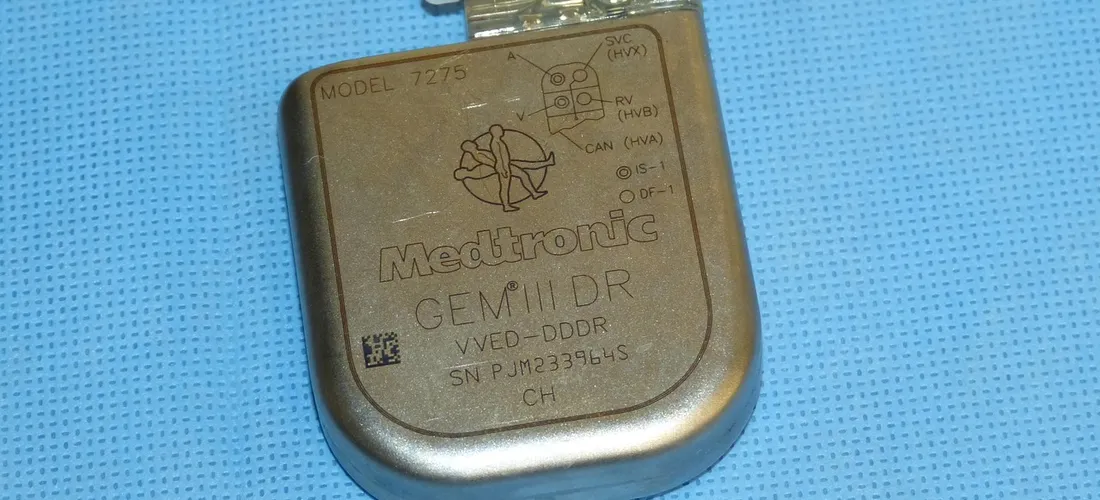
A pacemaker is a small device placed under the skin, usually near the heart. Think of it as a tiny computer that sends gentle electrical pulses to keep a heartbeat steady.
Yes, a person with a pacemaker can be cremated, but only after the device has been carefully removed. This is a non-negotiable step in the cremation process.
The main danger is the pacemaker’s lithium battery. Under the extreme heat of the cremation chamber, which can exceed 1600 degrees Fahrenheit, this battery can explode. Such an explosion risks serious damage to the cremation equipment and poses a significant safety hazard to the staff.
There is also a secondary concern. If left in place, the metal casing and components can fragment during cremation. These fragments can mix with the cremated remains, leading to contamination, especially when compared to traditional burial methods.
Why an Intact Pacemaker Is a Serious Hazard
We are not talking about a small spark or a brief flare. The battery can rupture with considerable force, creating a dangerous projectile inside the sealed chamber.
This explosion can crack the refractory bricks lining the chamber and damage sensitive electronic controls. Repairing this damage is costly and causes significant operational delays.
Because of these very real risks, every reputable crematory I have worked with has a strict, mandatory policy. They screen for medical devices like pacemakers and will not proceed until removal is confirmed. These checks are part of the cremation process safety wake that guides every step with risk reduction in mind. By confirming device removal, the facility upholds that safety standard before proceeding.
The Rules and Procedures for Removal
This requirement is not optional or based on preference. Pacemaker removal before cremation is governed by a firm combination of crematory operational licenses, public health regulations, and national industry safety standards.
As a guiding principle, the funeral home and crematory assume full legal and ethical responsibility for ensuring this procedure is completed. When you entrust them with care, this duty is part of their solemn commitment to safety and dignity.
Who Removes the Pacemaker and How?
The removal is typically performed by a trained member of the funeral home or crematory staff. They are skilled in this specific, respectful task, especially for body preparation for cremation and organ removal.
The process is straightforward and carried out with great care. A small, discreet incision is made, often in the same area as the original surgical site. The pacemaker is gently retrieved, and the incision is closed neatly. The focus is always on maintaining the person’s dignified appearance.
This is usually done after any final viewing by family, and always before the body is placed into the cremation chamber. It respects the family’s time for goodbye while ensuring safety.
I want to reassure you that this adds only a brief moment to the preparation. The actual removal often takes just a few minutes as a dedicated part of the cremation process.
What Happens to the Pacemaker After Removal?
Once removed, the pacemaker is handled with responsibility. Most devices are collected by a specialized service for safe, regulated disposal as biomedical waste. This ensures any potential biological materials are treated properly.
Some recycling programs exist to safely recover certain metals or components from the devices, following strict environmental guidelines.
The pacemaker is not included with the cremated remains returned to you. Its journey ends separately, with the same level of professional care that guided every other step.
Cremation with a Pacemaker vs. Traditional Burial
Are pacemakers removed before burial? No, they are not. This is a key difference from cremation.
With earth burial, there is no intense heat or pressure to create a safety hazard. The device can remain in place. It causes no harm to the surrounding environment or to the burial process itself.
Some families still have personal or religious questions about burial with a medical device, and that is completely understandable. Your funeral director is there to listen to these concerns and provide the information you need to feel at peace with your decision. It’s always a good idea to bring up any questions you have about funeral arrangements early in the planning process to ensure everything aligns with your wishes and beliefs.
Other Medical Devices and Implants
Pacemakers are not the only devices that require special attention. Others that must be removed before cremation include:
- Implantable Cardioverter Defibrillators (ICDs)
- Pain pumps and some drug infusion devices
- Radioactive implants, like radiation therapy seeds
- Certain bone growth stimulators
These items can explode or release hazardous materials under extreme heat. Their removal is a non-negotiable safety step.
Many other implants, however, are safe to go through the cremation process. This includes artificial joints, orthopedic pins, screws, and plates. They will not combust but will remain in the cremated remains. They are later separated from the ashes using a magnet or sieve, which is a common practice in dealing with metal implants during cremation.
Providing your funeral director with a complete medical history of implants is the single most important thing you can do. It ensures safety, respects regulations, and allows the process to proceed with the dignity your loved one deserves.
Common Mistakes to Avoid
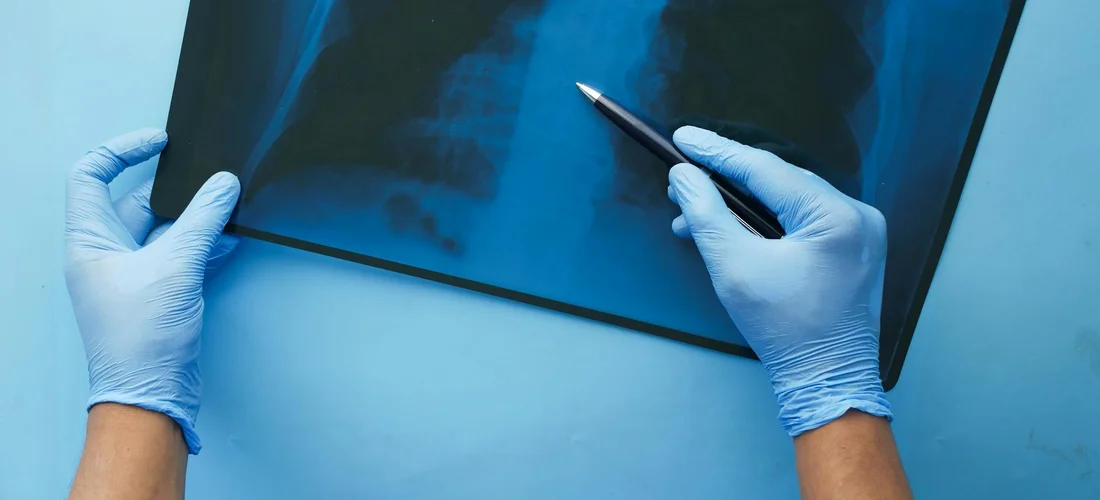
In the blur of grief, small details can slip through the cracks. I have seen families quietly wrestle with these questions. Knowing what to avoid can bring a measure of peace during a difficult time.
Forgetting to tell the funeral director about the pacemaker or other implant.
This is perhaps the most common oversight. You are focused on your loved one, not the medical devices they lived with. The funeral home has no other way of knowing about a pacemaker unless you tell them. Always inform your funeral director of any implants, including pacemakers, defibrillators, or ports, during your initial arrangements. This simple act is a critical part of ensuring a safe cremation process for everyone.
Assuming there will be an extra, prohibitive cost.
Worrying about an unexpected bill adds unnecessary stress. The removal of medical devices is a standard safety procedure. The fee for removing a pacemaker is typically included in the basic preparation fees, not an extra charge. You should always ask for a clear breakdown of costs, but you can generally set this financial concern aside.
Worrying that the removal process is intrusive or undignified.
This worry is deeply understandable. The thought can feel unsettling. Please know that this procedure is performed professionally and discreetly in the preparation room. The removal is a swift, clinical act carried out with the same reverence as all other care. It does not alter your loved one’s peaceful appearance for any viewings, and their dignity is always the foremost priority.
Delaying arrangements because of this concern.
Grief is heavy enough without carrying extra burdens. Do not let uncertainty about this procedure slow your steps. Informing your funeral director early allows them to handle everything seamlessly, freeing you to focus on remembrance. The process is routine for them, and their expertise will guide you through it with care. Funeral directors juggle many responsibilities—from logistics with vendors to regulatory paperwork—often under tight timelines. Their experience helps them anticipate challenges so you can stay focused on honoring your loved one.
Frequently Asked Questions
Why is a pacemaker a hazard during cremation?
The lithium battery inside a pacemaker can explode under intense cremation heat. This explosion risks damaging the equipment and is a serious safety concern for crematorium staff.
Who is responsible for removing the pacemaker?
Your licensed funeral director oversees this process. A trained professional on their staff performs the removal with dignity and care as part of their standard preparation.
Is there an extra cost for pacemaker removal?
Typically, no. This is a standard safety procedure, and the fee is usually included within the basic professional preparation services provided by the funeral home. Some families may encounter separate body handling or transfer fees that aren’t obvious up front. If you’re reviewing options, consider asking how body handling fees are applied and whether they’re included in the prep package.
Parting Reflections on Pacemaker Removal
My foremost advice is to trust that a pacemaker must be removed by a licensed professional before cremation. This required act of care prevents danger and ensures the process is conducted with respect.
Approaching Funeral Care with dignity includes considering gentle, eco-friendly options when possible. I invite you to continue learning about Funeral Needs and Funeral Questions as a way to find steady ground.
Deep Dive: Further Reading
- Leadless pacemaker and cremation – PMC
- Pacemakers – Where is Their Final Resting Place?
- Why a Pacemaker Should Be Removed Prior to Cremation | Neptune Society
- Cremation with Pacemaker: What Families Need to Know
- Louisiana Laws – Louisiana State Legislature
Emiliana Dieter
Emiliana is an author at The Valedictory. She is an experienced funeral care advisor and arranged and organized many funerals as part of her end of life consulting services. She has over 8+ years in the funeral industry managing her family funeral business and helping families cope with the loss of their loved ones. Her articles answer any and all questions you might have regarding funeral arrangements, costs, preparations, etc so you can make this a seamless experience.