
Jewish Funeral Customs: A Guide to Rituals and Timelines
When a death occurs in the Jewish tradition, you may feel overwhelmed by both grief and a pressing need to understand the rites that follow.
This article explains the foundations of these customs to offer you clarity and comfort, focusing on the imperative for timely burial, the respectful rituals of the funeral itself, and the structured phases of mourning that begin at the graveside.
Key Takeaways for a Time of Loss
In the quiet shock of loss, these customs may seem like a series of tasks. I want you to see them differently. These rituals are a compassionate container for your grief, designed to honor the one who has died and to comfort you, the living. They provide a rhythm when the world feels still, guiding you from moment to moment with purpose.
Everything stems from a core Jewish principle called K’vod Hamet, which means honoring the deceased. This respect is shown through a speedy burial, ideally within 24 hours of death. The earth is considered a sacred refuge, and returning to it quickly is a final act of dignity. While exceptions are made for the Sabbath, legal requirements, or to allow distant family to arrive, the intention is always to avoid delay.
The journey follows three clear phases, each with its own gentle focus.
- Taharah: This is the ritual washing and preparation of the body. It is performed with quiet reverence by a dedicated society, ensuring the deceased is treated with utmost purity and care.
- The Burial: The funeral service is typically held at the graveside. It is brief, simple, and centered on prayers. The sight of earth being placed on the casket is a powerful, tactile moment of closure.
- Shiva: This is the seven-day period of mourning at home. The house fills with the sound of community, as friends come to sit with you, share memories, and hold your sorrow.
Navigating this path requires a knowledgeable guide. A funeral director who is deeply familiar with Jewish law, or halacha, is your most essential partner. Their responsibilities—and the challenges they routinely navigate— include coordinating rituals, timelines, and family expectations. They ensure every detail, from the plain casket to the timing of the service, aligns with tradition, allowing you the space to simply be.
A Step by Step Checklist for the First 48 Hours
The hours after a death can feel fragmented. Your mind races, and your hands may not know what to do. Let this list be a steadying force, a practical map for the immediate days ahead. Follow these steps in order, and remember, each one is an act of love.
- Contact your rabbi or synagogue for guidance. This is your first call. Your rabbi will offer spiritual comfort, clarify the specific customs for your community, and often help coordinate the next steps. Their presence is a reminder that you are not alone.
- Engage a funeral home experienced in Jewish custom. Be clear from the start that you are planning a Jewish funeral. A skilled director will immediately understand the urgency and can seamlessly arrange for the Taharah, secure a plain wooden casket, and reserve the cemetery plot. They turn sacred obligations into peaceful reality.
- Arrange for a Shomer, a guardian, if desired. A Shomer stays with the deceased from death until burial, traditionally reading Psalms. This vigil ensures the body is never left unattended, a profound gesture of respect. Your funeral home can often connect you with someone for this duty. It is a quiet comfort many families choose.
- Notify family and community for support. You do not have to make all the calls. Ask a close friend or relative to begin notifying others. Let your community know. People will bring meals, answer phones, and simply sit in the soft light of your living room. Allowing them to help is the first step of Shiva.
- Discuss timing for Taharah and the funeral service. With your rabbi and funeral director, set the schedule. They will balance the ideal of a swift burial with the practical need for family to gather. This conversation honors both the departed and those who must travel to say goodbye.
Look at this list and then set it down. You do not have to manage this alone. A circle of care, from your rabbi to your funeral director to your nearest friend, is already forming around you. Your only task is to breathe through it.
The Guiding Principle: Why Timing Matters (K’vod Hamet)
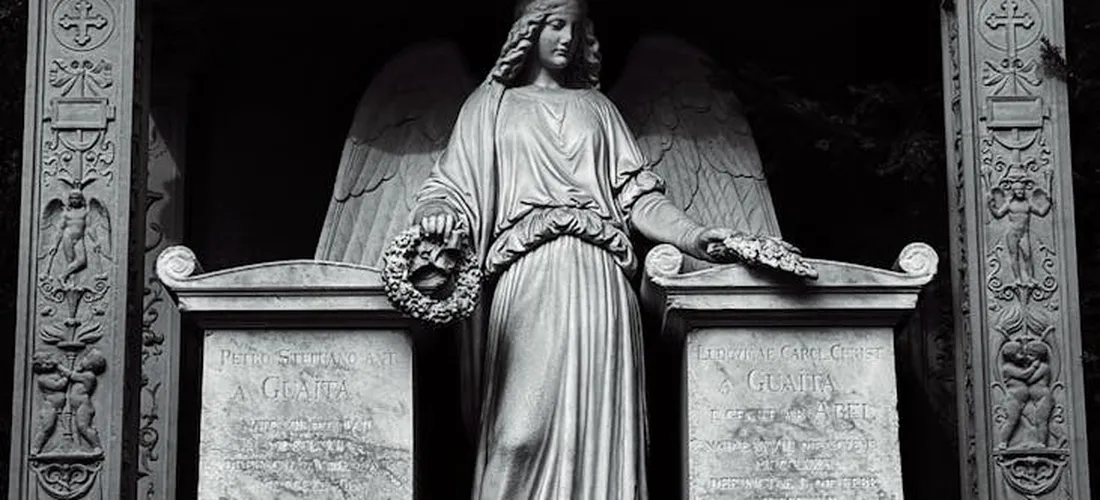
Everything about a traditional Jewish funeral flows from one central, ancient idea: K’vod Hamet. This Hebrew phrase translates to “honor of the dead.” It is not a vague sentiment. It is a clear directive that guides every decision.
Think of it as a final, sacred act of respect. The person who has died is not an object. They are a beloved soul, a parent, a friend, a community member. K’vod Hamet means treating the body with the same profound dignity you would show the living person, protecting it from anything that feels like neglect or indignity. This guiding principle answers your most pressing question about timing.
How Soon After Death Must the Burial Take Place?
Acting with honor means not delaying. The traditional answer is clear: burial should happen as soon as possible, ideally within 24 hours of death.
This swift return to the earth is the ultimate expression of K’vod Hamet. It is a final kindness. You shield your loved one from prolonged exposure and allow their soul, in the Jewish tradition, to begin its peace. So, to the questions often asked: yes, Jewish funerals do traditionally happen quickly, and they very often are held the next day. This rapid timeline reflects a deep, active reverence.
When a Pause is Also Respectful
I have stood with many families who hear “24 hours” and feel a wave of panic. The modern world does not always align with ancient clocks. There are valid reasons for a brief delay.
Jewish law itself permits them. Waiting for immediate family to travel from afar is an act of honor. So is fulfilling a legal requirement, like an autopsy ordered by the state. The Sabbath and major holidays, which are days of rest and celebration, will pause proceedings. The ideal is speed, but the principle is always dignity; sometimes, allowing close family to gather fulfills that principle more completely. Your rabbi and funeral director will help you navigate this with care.
A Note on Shared Values
You may notice a similarity with other faiths. In Islam, for example, burial is also sought with great haste, often within 24 hours. The shared value is unmistakable: a profound respect for the human body and a desire for a swift, peaceful return to the creator. While the specific rituals and prayers differ, this urgency springs from a common well of reverence, a universal impulse to treat the departed with the highest honor. Seeing this connection can be a comfort in our diverse world.
Honoring the Body: Preparation Before the Funeral
In Jewish tradition, the care for a person does not end at death. The physical body, which once housed a holy soul, is treated with profound respect. This care is quiet, deliberate, and focused entirely on dignity.
The Ritual of Taharah: Purification
This sacred preparation is called Taharah, which means purification. It is performed by a special group of volunteers known as the Chevra Kadisha, the “Holy Society.” These are men and women from the community who perform this act as the ultimate kindness, a chesed shel emet, a kindness of truth, for which one can expect no repayment.
The ritual is conducted with the utmost reverence. The members of the Chevra Kadisha gently wash the body with clean, warm water. They do not rush. They recite prayers from the Book of Psalms as they work. The washing is not about cleanliness in an ordinary sense. It is a spiritual cleansing, a final act of respect, preparing the individual to stand before their Creator. The entire process is handled with a quiet focus that honors both the deceased and the sacredness of the task.
The Burial Garments: Tachrichim
Following the Taharah, the body is dressed in simple, plain white burial garments called Tachrichim. These are usually made of linen or cotton. There are no pockets. The garments are intentionally modest and identical for everyone, regardless of their wealth or status in life.
This equality in death is a powerful statement. A rich person and a poor person are dressed the same. It reminds us that we come into the world with nothing and we leave with nothing, that our true worth is measured by our deeds and character, not our possessions. The plain white fabric also symbolizes purity and the simple shroud in which all are wrapped. The simplicity of the Tachrichim strips away worldly distinctions, presenting every soul equally before God.
The Guardian: The Shomer
From the moment of death until the burial, the body is not left alone. A Shomer (for a man) or Shomeret (for a woman), meaning a guardian, stays with the deceased. This person may sit quietly in the room, often reading from the Book of Psalms.
The presence of the Shomer is a deeply comforting tradition. It prevents loneliness and honors the idea that the soul, still lingering near the body, deserves companionship. It is a final act of vigilance and respect from the community. This constant watchfulness ensures that the deceased is treated with honor every single moment, providing spiritual comfort to both the departed and the living family.
A Closed Casket
You will notice that at a Jewish funeral, the casket remains closed. This practice stems from the same core principle of respect for the dignity of the deceased. The focus is directed away from the physical form, which is now without its animating spirit, and toward the memory of the person’s life and soul. Traditionally, in Jewish practice, embalming is generally avoided to honor the body and ensure prompt burial. When required by law or travel, such decisions are made with rabbinic guidance.
It protects the privacy of the deceased and the emotions of the mourners. It avoids any potential for distraction or unnecessary pain. We are asked to remember the person as they lived, not to fixate on the appearance of death. Closing the casket helps guide our thoughts to the soul’s journey and the legacy left behind, rather than the body that remains.
The Funeral Service: Simplicity, Dignity, and Prayer
A Jewish funeral service embraces simplicity and solemnity. The gathering is often quiet, with a focus on dignity over decoration. This straightforward approach provides a clear space for your grief, free from elaborate ritual. The brevity of the service reflects a profound respect for the deceased and the raw needs of the mourners, distinguishing it from other religious funeral customs.
You might wonder, are Jewish funerals long? Typically, they are not. Most services last between twenty and thirty minutes. I have seen how this shorter time can feel grounding. It allows for meaningful ceremony without prolonging the difficult moments before burial. This pace honors the tradition of timely burial and cares for the emotional state of the family.
A central ritual is the tearing of a garment, called Kriah. Immediate mourners make a small tear in their clothing, often a lapel or shirt. For a parent, the tear is made on the left side, over the heart. For other family, it is on the right. The sound of the fabric tearing is a stark, physical acknowledgment of loss. This act gives a tangible shape to the inner rupture that grief causes.
The service itself follows a gentle rhythm of prayers and remembrances. It usually includes these parts.
- Psalms: Verses from the Book of Psalms are recited. Psalm 23, with its image of walking through a valley, is common. These words offer an ancient, shared comfort.
- Hesped: This is the eulogy. A Hesped focuses on the truthful recounting of a person’s character and good deeds. It seeks to honor a life with sincerity, not with overwhelming praise.
- El Malei Rachamim: This prayer, whose name means “God Full of Compassion,” is a plea for the soul’s peace. Its melody often holds a gentle, haunting quality that can touch everyone present.
Jewish funeral services begin on time. This punctuality is a sign of reverence for the deceased and consideration for the community. You can expect a calm and orderly start, which helps everyone present focus on the purpose of the gathering. This respectful promptness sets a tone of collective support for what comes next.
At the Cemetery: Final Acts of Love and Farewell
The journey to the cemetery is quiet and purposeful. Cars follow the hearse in a slow procession, a visible chain of care stretching from the funeral home to the gravesite. This isn’t just travel. It is a final escort, a community bearing witness to a life now complete. At the grave, after the casket is lowered, something profound happens. Friends and family are invited to pick up a shovel and help fill the grave with earth. The first shovelfuls often land with a soft, heavy thud. This act is physically demanding, and emotionally raw. Participating in this burial is considered a final, hands-on act of love, a mitzvah of the highest order for those who are not immediate mourners. I have stood with many families as they take turns. There is a shared rhythm in the work, a tangible way to care for someone when words are not enough.
Once the burial is underway, the formal recitation of the Mourner’s Kaddish begins. This prayer is spoken in Aramaic, and it is important to know that it contains no mention of death or loss. Instead, it is a public declaration of faith, a affirmation of life and God’s greatness. Reciting Kaddish at the graveside marks the precise moment when the duty of burial transitions into the formal period of mourning. The words rise and fall in a familiar chant. For the mourners, speaking this ancient praise can feel like an anchor in a sea of grief. It is a way to honor the departed by affirming the continuum of life and community.
As people turn to leave the cemetery, they will often find a pitcher of water and a towel waiting. There is a custom to pour water over each hand, typically three times per hand, without passing the pitcher directly from person to person. You might use a cup or simply let the water flow. This ritual is rich with symbolism. Washing your hands upon leaving the cemetery serves as a symbolic separation from the spiritual impurity associated with death, a physical act marking a return to the world of the living. It is not about washing away memory or love. It is a gentle, practical boundary. The water cleanses the hands that touched the earth of the grave, helping you step forward.
Throughout these rituals, you will notice the casket itself is a simple container, typically made of plain, unfinished wood like pine. Metal hinges or nails are often avoided if possible. This simplicity is deeply intentional. The use of a plain wood casket ensures that the body can return to the earth naturally and without delay, honoring the biblical phrase “for dust you are and to dust you shall return.” In my experience, families find a quiet dignity in this. There are no ornate linings or metal barriers. These choices sit within the broader topic of casket burial container types. Families often weigh options, from plain wooden caskets to biodegradable or metal varieties, depending on beliefs, budgets, and the desired level of ceremony. This reflects a value of humility and the ultimate equality before God, allowing for a complete and natural return.
When a Delay is Necessary: Respectful Exceptions to the Rule
Life rarely follows a perfect schedule, and Jewish tradition holds space for this reality. While prompt burial is a core value, there are times when waiting is the more compassionate and correct choice. These exceptions are built into halacha, Jewish law, with great care.
Practical and halachic reasons for a short delay include:
- Waiting for close family. If a spouse, child, or parent is traveling from afar, it is a profound act of kindness to pause the funeral. Their chance to be present honors the bond they shared and supports the mourners in their grief.
- The arrival of Shabbat or a major holiday. Burials are not performed on Shabbat, Yom Kippur, or the first and last days of festivals like Passover and Sukkot. The sanctity of these times is respected, and the service is simply held after the holy day ends.
- Legal or official requirements. A medical examiner might need to complete an autopsy, or authorities may require time for an investigation. Jewish law permits delays in these cases, recognizing the role of civil justice.
Please know that a delay handled with respect does not subtract from the honor shown to the one who has died. The intention behind the pause matters more than the clock. I have sat with many families who found comfort in a slight postponement, as it allowed for a fuller, more present gathering of love.
During any necessary wait, the body is cared for with unwavering devotion. It is never left alone. A shomer, or guard, remains in quiet vigil, often reciting psalms. This practice, called shemirah, is a gentle companioning. Before this watch begins, the body is typically cleansed and dressed in simple white linen shrouds through the tahara ritual. It is then kept in a cool, prepared space until the funeral. This continuous, respectful care ensures the physical form is treated with dignity every moment it remains above ground.
A Note on Etiquette for Friends and Community
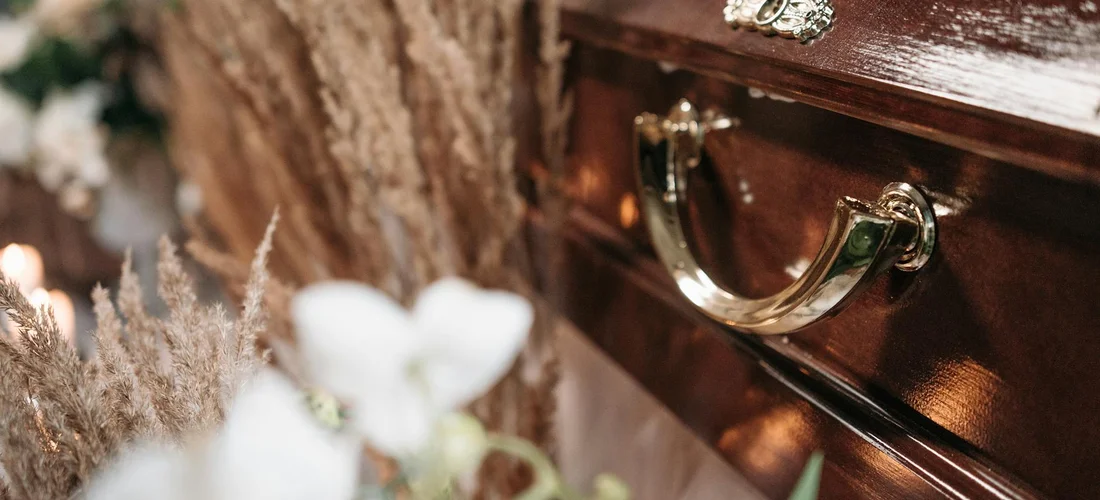
When someone in your community experiences a loss, you naturally want to offer comfort. Knowing a few simple customs can help your support feel grounded and respectful. Your presence itself is a profound gift.
Words of Comfort
In moments of deep grief, words often fail us. That is perfectly alright. The traditional Hebrew expression of comfort is, “Hamakom y’nachem etchem b’toch sh’ar availai tziyon ee yerushalayim.” It means, “May God comfort you among the other mourners of Zion and Jerusalem.”
If that feels too formal, a simple, “I am so sorry for your loss,” spoken with sincerity, is always appropriate. You might share a brief, warm memory of the person who died if one comes to mind. When you do speak, keeping funeral condolence phrases etiquette in mind—being brief, sincere, and respectful—can help your message land with care.
Avoid offering explanations for the loss, such as “it was God’s will” or “they are in a better place,” as these can unintentionally diminish the mourner’s raw and personal grief. Your quiet companionship often speaks louder than any attempted philosophy.
Attire for the Funeral and Shiva
Dress modestly and conservatively as a sign of respect for the solemnity of the occasion. For a funeral, think of clothing you might wear to a formal business meeting or a religious service. These choices are part of funeral attire etiquette clothing. Following these norms shows respect for the ceremony and the mourners.
- For men, a suit or slacks with a collared shirt is customary.
- For women, a dress, skirt, or slacks with a blouse that covers the shoulders and knees is appropriate.
- Subdued colors like black, navy, gray, or brown are most common.
This standard of modest dress continues if you are visiting a house during the Shiva period. You are entering a space dedicated to mourning, and your attire should reflect that.
The Custom of No Flowers
In Jewish tradition, it is not customary to send flowers to the funeral or to the mourner’s home. This practice stems from a few deeply held values: the equality of all in death, and a preference for lasting, practical support over temporary gestures, unlike some other cultures.
Instead of flowers, consider a donation to a charity that was meaningful to the deceased or to the family. This act of giving, called tzedakah, honors the memory in an ongoing way. Other meaningful supports include:
- Preparing a meal for the grieving family.
- Offering to run errands or help with childcare.
- Simply sitting quietly with the mourner, sharing the weight of their silence.
The Meal of Consolation (Seudat Havra’ah)
After returning from the cemetery, the immediate family enters a formal period of mourning. The community’s first act of care is to provide them with the Seudat Havra’ah, the “meal of consolation.”
This is typically prepared by friends or synagogue members. The foods are simple, often including round items like hard-boiled eggs or lentils, which symbolize the cycle of life and the rolling, relentless nature of grief.
This meal is not a social gathering, but a quiet, necessary act of nourishment for those who may forget to eat. It acknowledges the body’s needs even when the heart is broken. As a friend, you might help organize this meal or contribute a dish, understanding its role is one of sustenance, not celebration. It is a quiet testament to the community holding up its members when they can no longer stand alone.
The Journey of Mourning: Shiva, Shloshim, and Beyond
The burial is the first act of kindness for the departed, but the Jewish tradition holds the mourner with equal tenderness. The structure that follows provides a clear path through the fog of grief. It is a ladder of gradual return, with each rung offering a different kind of support.
The Seven Days of Shiva: A Sacred Pause
Immediately after the funeral, the primary mourners-spouse, parents, children, siblings-enter a period called Shiva. This word means “seven.” For seven days, they step out of ordinary life to sit with their loss at home.
This is not an empty silence. It is a full and purposeful pause. The home becomes the center of the mourning world. The rituals of Shiva create a physical and emotional container for grief, allowing it to be expressed without the pressure to perform or pretend. Mourners traditionally do not work, conduct business, or engage in leisure. The focus is on memory, prayer, and receiving the comfort of community.
Customs of the Shiva Home
When you enter a house observing Shiva, you will notice specific customs. Each one serves a gentle purpose.
- Covering Mirrors: Mirrors are often covered with cloth or sheets. This practice has many interpretations. Some say it discourages vanity during a time of deep reflection. Others say it symbolizes how, in profound grief, our own familiar image can feel distant. The focus turns inward and toward others, not on outward appearance.
- Sitting Low: Mourners often sit on low stools, cushions, or even the floor. This physical lowering is a tangible expression of being brought low by sorrow. It is a visible sign of their inner state, a quiet signal to all who enter of the reason for their gathering.
- The Community Visiting: Friends, neighbors, and community members visit. They do not wait for an invitation. They come to perform the essential mitzvah of “nichum aveilim,” comforting the mourners. Visitors often do not speak first. They wait, allowing the mourner to set the tone. They may bring simple food, so the mourners do not need to think of meals. The house fills with the quiet hum of presence, which can be a powerful antidote to isolation.
The Thirty Days of Shloshim: Stepping Back into the World
After Shiva concludes, the formal mourning continues for thirty days from the burial. This period is called Shloshim, meaning “thirty.” The sharpest intensity of grief begins to soften.
Mourners may return to work and daily life, but certain restrictions remain as a gentle reminder. Shloshim acts as a bridge, allowing a gradual reintegration into everyday rhythms while maintaining a space for a quieter, more private sorrow. It is common to avoid parties, concerts, and other purely festive gatherings during this time. The focus is on a slow and steady adjustment, honoring that healing is not linear and requires time.
The Eleventh Month and the Unveiling
For a child mourning a parent, the recitation of the Mourner’s Kaddish continues for eleven months. This ancient prayer, spoken in a community, is a profound act of memory and honor. It provides a daily ritual of remembrance, a touchstone in the year of firsts.
It is customary to place a headstone at the gravesite. The formal dedication, called an “unveiling,” is typically held anytime after Shloshim ends, often around the first anniversary of the death. The unveiling ceremony is a quiet moment of completion, where the memorial is consecrated, providing a permanent physical place for visitation and reflection. It marks a point of transition, acknowledging that while the active, formal mourning periods have passed, love and memory endure.
Frequently Asked Questions
Why is a burial within 24 hours considered a final act of kindness?
This swift timeline, stemming from the principle of K’vod Hamet (honoring the deceased), is a profound gesture of respect. It shields the departed from delay and is viewed as allowing the soul to begin its peace.
What is the purpose of the Taharah ritual before the funeral?
Taharah is a sacred ritual washing performed with reverence to purify and honor the body. It is an act of ultimate kindness, ensuring the deceased is treated with dignity in preparation for burial.
As an attendee, what should I expect at the funeral service itself?
You can expect a simple, brief service focused on prayers and a eulogy, typically held at the graveside. The atmosphere is one of solemn dignity, centered on honoring the life that was lived.
Parting Reflections on Jewish Funeral Customs
The most important guidance is to honor the traditional call for a swift burial, ideally within a day, as an act of profound respect for the deceased. This practice provides a clear, compassionate structure for mourners, grounding them in ritual during a time of grief. Proper preparation of the body is also a vital part of these traditions.
In tending to Funeral Care and Funeral Needs, know that dignified choices can embrace eco-friendly options consistent with these values. Your ongoing attention to Funeral Questions is a thoughtful way to ensure care that brings comfort and peace.
Emiliana Dieter
Emiliana is an author at The Valedictory. She is an experienced funeral care advisor and arranged and organized many funerals as part of her end of life consulting services. She has over 8+ years in the funeral industry managing her family funeral business and helping families cope with the loss of their loved ones. Her articles answer any and all questions you might have regarding funeral arrangements, costs, preparations, etc so you can make this a seamless experience.