
Understanding Cremation Services: Direct Cremation and Other Caring Choices
Navigating cremation options after a loss can feel lonely and confusing. I am here to walk you through these decisions with the gentleness they deserve.
This guide will explain the common types of cremation services available to families. You will learn about direct cremation, traditional cremation with a funeral service, holding a memorial service after cremation, and how to select the right path for your needs.
Key Takeaways: Understanding Your Compassionate Choices
Choosing cremation is a personal step. It is a quiet decision made during a loud time. I have seen families find comfort in having this choice available to them.
Your options range from the simple and private to services with full ceremonies. There is a path for every need, every budget, and every wish for how to say goodbye.
No choice is inherently right or wrong; the most suitable service is the one that feels truthful to the life being honored and manageable for you.
My aim here is to explain each path with clarity and care. I hope this helps you make a decision that brings you a sense of peace.
What Is Direct Cremation? The Simple, Straightforward Choice
Direct cremation is the simplest form. It involves the respectful cremation of the body shortly after death, without a formal viewing, visitation, or funeral service beforehand.
Think of it as a quiet, private transition. The focus is solely on the dignified care of the physical remains, allowing families to commemorate a life in their own time and their own way.
How Does a Direct Cremation Work?
The process is straightforward and follows these general steps:
- The funeral home is contacted. They will arrange a time to transfer your loved one into their care from the place of death.
- Essential paperwork is completed. This includes the death certificate and the cremation authorization forms, which the funeral director will guide you through.
- The cremation takes place. The body is placed in a simple, combustible container and cared for individually in the crematory.
- Ashes are returned. The cremated remains are placed in a basic urn or temporary container. You then receive them to keep, scatter, or inter as you wish.
What Is Typically Included?
A standard direct cremation service package usually covers:
- Transportation from the place of death to the funeral home.
- Basic professional services of the staff.
- Securing the necessary permits and authorizations.
- The cremation process itself.
- A simple container for the cremation.
- A basic urn or temporary box for the ashes.
This package represents the foundational, necessary tasks, providing a complete and dignified service without any added ceremonies.
The Benefits of Choosing Direct Cremation
Many families choose this path for its simplicity and lower financial cost, which can ease a significant burden. It removes the pressure of planning a public event during the initial shock of loss.
It also offers complete flexibility. You can hold a memorial service weeks or months later, in any location that feels meaningful. The ashes can be divided among family, turned into keepsakes, or scattered in a favorite place.
Is Direct Cremation a Good Idea?
For families who value privacy, simplicity, or wish to separate the act of commemoration from the physical process, it can be a very good idea. It suits those who prefer an intimate gathering at home over a formal service in a chapel.
Direct cremation is a dignified and practical choice when a large ceremony does not reflect the personality of the deceased or the needs of those left behind. It is not an absence of honor, but a different form of it, rooted in quiet practicality and personal freedom.
A Spectrum of Services: The Different Types of Cremation Explained
Cremation is a form of final care, not a single event. It is a process that can be accompanied by different kinds of farewells. Across the UK, the cremation process is often followed by memorial options. These memorialization choices help families keep a lasting connection to their loved one.
The type of service you choose is separate from the cremation itself. This gives you the freedom to honor a life in a way that feels right.
We will explore the main paths available. Each one offers a different way to personalize a goodbye.
Direct Cremation
Direct cremation refers to the cremation of the deceased without any formal ceremony beforehand. It is a quiet and immediate process.
Direct cremation is often called a simple or basic cremation, focusing solely on the respectful handling of physical remains. There is no viewing, visitation, or service prior. Families receive the cremated remains, which they can then memorialize privately on their own terms.
Cremation Followed by a Memorial Service
This is a popular choice where cremation happens first. A service is then held with the urn present.
This option provides great flexibility, allowing the service to be scheduled weeks or even months later in a location that held meaning. It could be in a family home, a favorite park, or a community hall. The tone can shift from somber to celebratory, centered entirely on sharing memories.
A cremation with a memorial service answers the need for a gathering while removing the time pressure of caring for the body. It creates space for a personalized tribute.
Cremation with a Traditional Funeral Service
Some families choose to hold a full funeral service before cremation. The deceased is present in a casket, often rented for this purpose.
This option directly answers the question of whether a viewing or visitation is possible with cremation; it absolutely is. You can have a formal visitation, a religious or secular service, and a processional, all offering a chance for a physical goodbye.
It provides the structure and rituals of a traditional burial service, with cremation following as the final step. This path can feel comforting in its familiarity.
Comparing Your Options: A Side-by-Side Snapshot
| Service Type | Typical Timeline | Presence of the Deceased | Ceremony Format | Financial Consideration |
|---|---|---|---|---|
| Direct Cremation | Soon after death | Not present | No formal service | Most economical |
| Memorial Service | Weeks or months later | Cremated remains (urn) present | Flexible, personalized gathering | Moderate, varies by choices |
| Traditional Service with Cremation | Days after death | Present in casket for viewing/service | Formal, structured funeral | Higher, similar to traditional burial |
The differences in cost arise from the services provided. Direct cremation involves the fewest elements, while a traditional service includes staff, facilities, and a casket rental for the ceremony.
How Does Direct Cremation Differ from Other Choices?
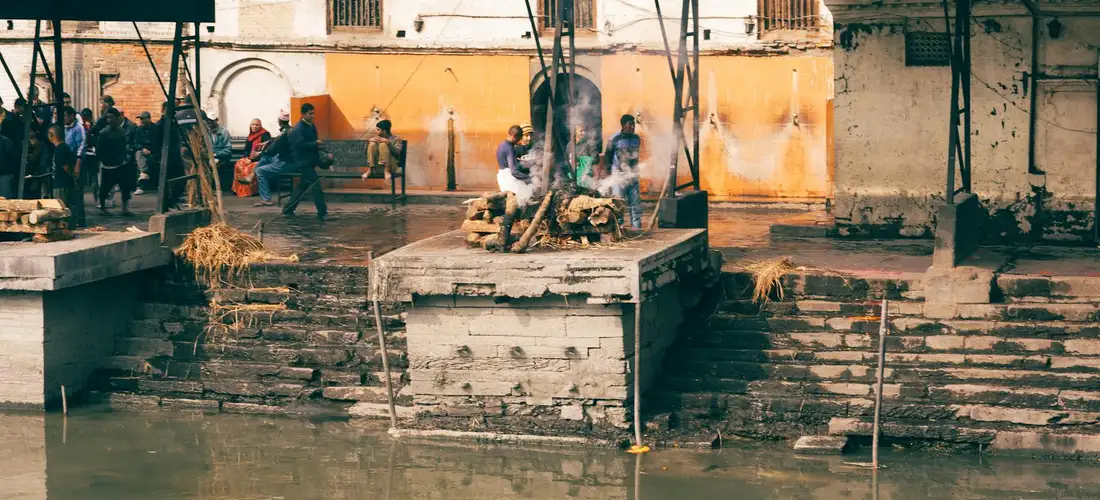
Understanding the differences can bring clarity during a confusing time. The core distinction lies in the presence, or absence, of a ceremony before the cremation itself.
With a traditional cremation service, a ceremony occurs first. This is often a visitation, funeral, or memorial service where the deceased is present, usually in a casket chosen for that purpose. Following the ceremony, the casket is transferred to the crematory. Direct cremation means the body is respectfully transferred to the crematory without any formal ceremony or viewing beforehand. The cremation happens directly, as the name implies.
The role of the funeral director shifts between these paths. For a traditional service, their work is highly visible. They coordinate the ceremony, prepare and present the body, manage the gathering, and oversee the processional to the crematory. For direct cremation, their crucial work happens quietly behind the scenes. They handle all the legal paperwork, transport the body with dignity, facilitate the cremation process, and return the ashes to you. Their skill ensures everything is done correctly, even without a public event. These lines highlight the varied duties of funeral directors across service styles. Understanding these roles can help families know what to expect and what questions to ask.
The experience for a family is profoundly different. A traditional service provides a scheduled time and space for communal grieving. It also requires more planning, decisions, and often a higher financial commitment. Direct cremation offers a private, simpler path. The logistical demands on your family are significantly reduced, allowing you to mourn privately and plan a memorial gathering on your own terms, if and when you choose. There is no hurried schedule, just the quiet assurance that your loved one’s physical care has been handled with respect.
Making the Decision That Feels Right for You
There is no universal right answer, only the choice that brings your family the most peace. I encourage you to sit together and consider a few gentle questions.
- What did the deceased express, if anything, about their wishes?
- What feels emotionally and logistically manageable for you right now? Grief is demanding; a simpler process is not a lesser tribute.
- What are your hopes for the ashes? Will they be kept, scattered, or placed in a columbarium? Your plans can inform your choice.
Your budget, your family’s emotional capacity, and your personal values all guide this decision. Each factor is valid, and choosing a simpler option is a complete and dignified act of love. Do not let outside expectations cloud what feels true for your situation.
When you contact funeral homes or cremation providers, clarity helps. You can say, “We are considering a direct cremation without any ceremony,” or “We would like a simple viewing before a cremation.” This allows them to explain their specific services and pricing for that path. They are there to listen and provide the care you request, without judgment. To help you plan, a cremation funeral services step guide can outline the typical steps from inquiry to final disposition. In the next steps, you’ll see a simple, step-by-step outline you can follow.
Alternative Paths and Personal Touches
Many families find that no single option feels entirely right. I often see people choose to blend elements from different service types, creating something that feels true to the person they are honoring.
Your path does not need to follow a set template. It can reflect a unique life.
For example, you might choose direct cremation for its simplicity, but still wish for a moment of quiet farewell. Many funeral homes can arrange a small, private viewing for immediate family before the cremation takes place. Funeral home cremation and morgue services can coordinate the necessary arrangements with care. They can handle transport, paperwork, and aftercare sensitively, guiding families through the process. This offers a chance for closure without the formality of a large service.
It is a gentle compromise, providing intimacy before a direct disposition.
Personalizing a memorial service, whether held before or after cremation, can make it deeply meaningful. The goal is to focus on shared memories and the individual’s spirit.
Consider creating a memory table with photographs, cherished belongings, or hobby items. You could invite a few people to give brief, heartfelt readings of favorite poems or passages.
Playing their favorite music, whether a symphony or a simple folk song, can fill the space with their presence. These personal touches turn a gathering into a true reflection of a life.
Finally, remember that the cremated remains themselves offer lasting opportunities for personalization. Your choice here is separate from the type of service you held.
Ashes can be buried in a cemetery plot or a natural green space. They can be scattered in a meaningful location, kept in an urn at home, or divided among family members. Thinking about cremated ashes etiquette can help guide respectful choices. It covers permissions and involving family and local regulations.
Some people choose to have a small portion incorporated into memorial jewelry or glass art. This decision can be made in its own time, with no need for hurry.
Gentle Guidance: Your Cremation Service Questions Answered
Are there cremation services that allow for a viewing or visitation?
Yes, you can absolutely have a viewing or visitation with cremation. This occurs with a traditional funeral service held before the cremation, where your loved one is present in a casket, offering a chance for a physical goodbye.
What is typically included in a direct cremation service?
A direct cremation includes professional transfer of your loved one, necessary paperwork, the cremation process itself, and the return of ashes in a simple container. It is a complete, dignified package focused solely on these essential caring steps.
What generally causes the difference in cost between cremation services?
Cost differences stem primarily from the services provided before the cremation. Direct cremation is the most economical as it includes no ceremony, while adding a viewing, formal service, or memorial gathering involves additional staffing, facilities, and items.
Parting Reflections on Cremation Services
The most vital guidance is to select a service that feels true to your loved one’s spirit and brings your family genuine peace. A direct cremation can be a profoundly dignified choice, offering simplicity and space for personal remembrance.
I urge you to approach all arrangements with a focus on dignified care, including gentle, eco-friendly options when possible. Your continued attention to Funeral Care, Funeral Needs, and Funeral Questions is a respectful and empowering act.
Emiliana Dieter
Emiliana is an author at The Valedictory. She is an experienced funeral care advisor and arranged and organized many funerals as part of her end of life consulting services. She has over 8+ years in the funeral industry managing her family funeral business and helping families cope with the loss of their loved ones. Her articles answer any and all questions you might have regarding funeral arrangements, costs, preparations, etc so you can make this a seamless experience.