
Selecting Appropriate Flowers for a Funeral Service
Choosing flowers for a funeral is a tender act of remembrance. I understand how this decision can feel heavy with meaning during a time of loss.
This article will provide clear, compassionate guidance to help you honor a life with beauty and respect. We will discuss traditional and meaningful flower types, explain the symbolism behind colors and specific blooms, and offer practical considerations for personalizing your selection.
Key Takeaways: Compassionate Choices at a Glance
Choosing flowers for a funeral is a personal gesture of care. It is a quiet way to show you are thinking of the grieving family.
- Your flower choice is a heartfelt gesture, not a test of correctness. Any selection made with kindness brings comfort.
- White, soft pink, and lavender are universally respectful colors. They offer a visual sense of calm and sympathy in a difficult time.
- Lilies, roses, and chrysanthemums are traditional and safe choices. Their long-standing symbolism provides a familiar and reassuring presence.
- Checking for cultural or religious preferences shows deep consideration. A quick conversation with the funeral director or family can guide you thoughtfully.
- Sending flowers to the family home can be a lasting comfort after the service. It reminds them of your support when the formal gatherings are over.
Flowers That Symbolize Sympathy and Condolence
Flowers carry silent messages of support and remembrance when words feel insufficient. Their colors and shapes speak of love, peace, and honor. I have seen how a simple arrangement can anchor a room, giving people something gentle to focus on.
The most common flowers for sympathy are lilies for peace, roses for love, carnations for remembrance, and chrysanthemums for honor. Yes, carnations are a classic funeral flower, often used in sprays. Chrysanthemums, or mums, are indeed a cornerstone for many funeral arrangements. Their sturdy blooms last, which feels like a quiet promise. These blooms can carry meaning beyond the service itself, extending the tribute into after-service arrangements. For funeral flowers after service, families often choose keepsake bouquets or gentle home displays that keep the memory close.
Lilies: A Symbol of Peaceful Rest
White stargazer and oriental lilies bring a serene beauty to any space. Their large, open faces and sweet, soft fragrance suggest a peaceful rest. They are a visual breath of calm.
Calla lilies are also appropriate for a funeral. Their elegant, simple lines convey a dignified sorrow. I find their sleek shape offers a modern touch of reverence.
Roses: Expressing Love and Respect
Roses speak the language of the heart. White roses signify reverence and innocence. Deep red roses express love and courage. Pale pink roses convey grace and gentle sympathy.
Hybrid tea roses have a formal, singular beauty. Spray roses, with their clusters of smaller blooms, offer a softer, more abundant feeling. Both are fitting, depending on the tone you wish to set.
Carnations and Chrysanthemums: Enduring Traditions
Carnations are a classic, durable choice for funeral flowers. Their ruffled petals and long vase life symbolize enduring love. You will often see them woven into standing sprays and wreaths.
Chrysanthemums are a foundational flower in funeral work. Their full, rounded blooms represent honor and loyalty. In many cultures, they are exclusively associated with remembrance, making them a profoundly respectful option.
The Significance of Color in Funeral Flowers
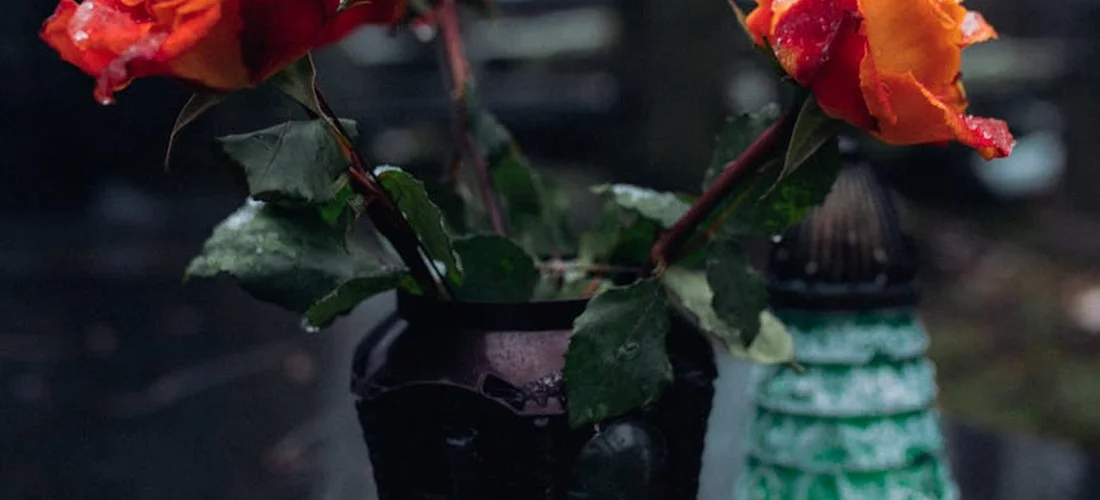
The colors you select for funeral flowers do more than add beauty. They quietly set an emotional tone, offering a visual form of respect and solace to everyone present. I have seen how the right palette can gently hold space for grief, making a difficult day feel slightly more bearable.
White blossoms, like lilies or roses, traditionally symbolize purity and peace. Their clean, bright presence can lighten a somber room. Soft pink flowers speak of grace and tender affection, a quiet nod to loving memory. Lavender conveys dignity and admiration, its subtle color inviting quiet reflection. Blue tones, found in hydrangeas or delphiniums, evoke a sense of calm and eternal rest. These colors work in harmony to create an atmosphere of reverence and serenity.
Vibrant reds or oranges carry a different energy. They can feel too lively for a traditional funeral service. In my experience, these warmer hues are often better suited for a celebration of life, where the focus shifts to joyful remembrance. The most appropriate choice always depends on the family’s wishes or the deceased’s known preferences.
If you are ever uncertain, lean toward softer, muted hues. Colors like cream, pale yellow, or light green are universally understood as gestures of sympathy and respect. They offer comfort without intrusion, a silent and dignified way to show you care.
Traditional Flowers for Funeral Wreaths and Sprays
When you walk into a funeral home, certain floral forms stand with a quiet dignity. You will often see standing sprays, tall arrangements mounted on easels to frame the service. Wreaths rest on stands, their circular shape a familiar sight. Different wreath styles carry different meanings, from solemn remembrance to enduring love. These meanings help families convey their message during the service. Casket blankets lie gently over the coffin, a final floral cover.
Each form serves a visual purpose. Standing sprays offer height and presence. Wreaths provide a complete, contained symbol. Casket blankets deliver a soft, encompassing tribute. These traditional arrangements create a backdrop of respect and beauty for saying goodbye.
Florists rely on a set of enduring blooms for these pieces. Their meanings and resilience have made them staples over generations.
- Lilies: Their trumpet-shaped white petals speak of restored innocence and peace.
- Roses: In white for reverence or red for deep love, their layered blooms are timeless.
- Carnations: Their long-lasting nature and full heads symbolize pure affection.
- Chrysanthemums: Often called ‘mums,’ they represent loyalty and honesty in many cultures.
- Gladioli: Their tall, strong stems convey strength of character and moral integrity.
- Ferns and Greenery: Ivy, leatherleaf fern, and eucalyptus provide a soothing, living frame.
Together, these flowers build arrangements that feel both solemn and comforting.
The wreath’s circle holds a deep, quiet meaning. It has no beginning and no end. This shape is a universal symbol for eternal life, a gentle reminder that love and memory continue beyond our sight. I find it a humble, powerful form. It speaks of cycles, of nature, and of a peace that circles back on itself.
There is a saying I have heard many times in my work: “a man’s first flowers are at his funeral.” It carries a heavy truth. For some, this gesture may be the only grand floral tribute they receive. That thought makes the choice of each bloom feel more significant, a final act of visible care. It is a weight we can honor by choosing flowers with intention and heart, following proper funeral flower etiquette.
Understanding Flower Meanings: Lilies, Roses, and Chrysanthemums
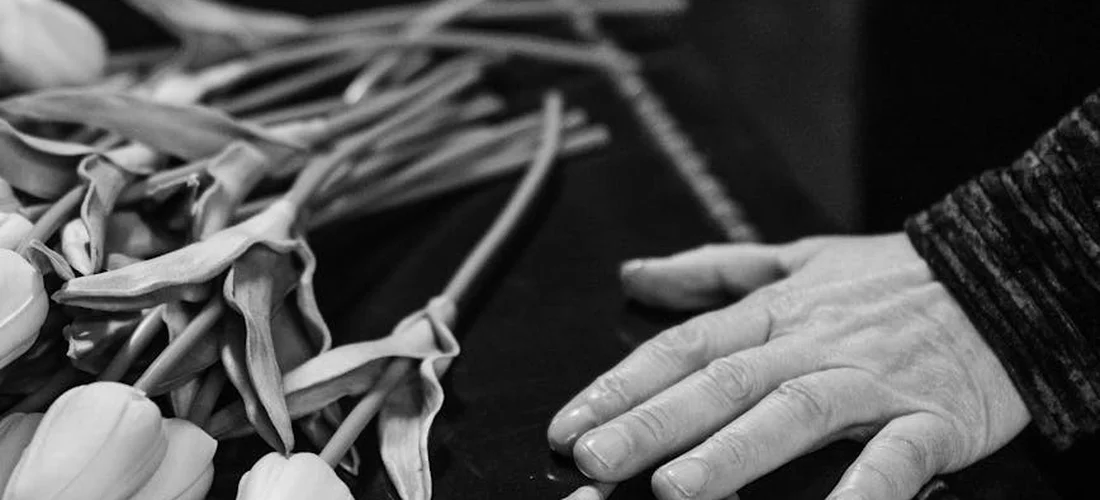
People often ask me about the meaning behind funeral flowers. The choices feel deeply personal, and they are. Three flowers appear more than any others, each carrying a weight of history and emotion. Understanding their quiet language can help you speak from the heart.
The Peace of Lilies
Lilies, especially white ones, are a classic symbol of peace. Their pure, trumpet-shaped blooms seem to point upward. Many see them as a representation of the soul returning to a state of grace.
To me, a lily is like a quiet room after a long storm; it speaks of restored innocence and a gentle farewell. Their elegant simplicity makes them a respectful choice for almost any service, offering a visual sense of tranquility.
The Language of Roses
Roses communicate with powerful nuance. Their color tells the whole story. A deep red rose expresses profound love and grieving respect. It is the flower of a heavy heart.
In contrast, a white rose speaks of reverence, humility, and new beginnings. It is a tribute of pure honor. Think of red roses as a heartfelt, final “I love you,” and white roses as a promise of everlasting respect. Both are profoundly appropriate, allowing you to choose the sentiment that fits your own grief.
The Honor of Chrysanthemums
Chrysanthemums hold a unique place. In many European traditions, they are specifically linked to mourning and are often seen only at funerals or on graves. Their association is one of solemnity.
In many Asian cultures, however, ‘mums’ symbolize a long, honorable life and are a gift of deep respect. Whether viewed through a lens of loss or celebration, the chrysanthemum universally signifies honor for the departed. Their long-lasting blooms are a fitting metaphor for enduring memory and respect.
Cultural and Religious Considerations for Funeral Flowers
When you select flowers for a funeral, you are doing more than choosing a beautiful arrangement. You are participating in a final act of respect for the person who has died and their family. Honoring the deceased’s cultural or religious background is a profound way to show you care, acknowledging the traditions that shaped their life. Understanding the meanings behind funeral flowers can guide your choice to reflect those beliefs with sensitivity. I have witnessed how a mindful choice can offer genuine solace during a painful time.
Flowers speak a silent language that changes from one community to another. Their colors and types hold deep, specific meanings. Understanding a few key differences can help your gesture be received as the comfort you intend it to be.
- In many East Asian cultures, including Japan, Korea, and China, chrysanthemums are strongly associated with mourning. They are often considered funeral flowers and are a customary, respectful choice.
- For Christian funeral services, especially in North America and Europe, white lilies are common. Their pure color and gentle scent symbolize peace and the hope of resurrection.
- Some traditions, like Orthodox Judaism or Islam, may prefer simplicity. Flowers might be modest, absent, or replaced with charitable donations. The focus rests on prayer and solemn remembrance.
If you feel uncertain about what is appropriate, the best path is to ask. Reaching out to the funeral director or a close family member for guidance is always a wise and considerate step. They can provide clarity on the family’s wishes and prevent any well-intentioned mistake.
Let me share a tip from my experience working with grieving families. When in doubt, make a quick, discreet call to the funeral home. This simple act of checking can prevent unintended discomfort and ensures your tribute aligns perfectly with the service’s tone. It is a small effort that carries great weight in showing your respect.
Tasteful and Respectful Flower Arrangements
Choosing the right flower is the first step. How you present them is the second. The arrangement itself carries a quiet message of care and respect.
Common styles each have their own feeling. A basket arrangement feels grounded and rustic, like a gift from a garden. A vase arrangement offers clean lines and classic elegance. A living plant, like a peace lily or a small fern, is a lasting tribute that continues to grow.
Scale is a considerate gesture. A grand church with high ceilings can hold a larger, more dramatic spray. A small chapel or home service calls for something more delicate, perhaps a few low bowls or a single, beautiful vase. The setting should guide your choice, ensuring the flowers feel present but never overwhelming.
Simplicity often speaks with the clearest voice. A monochromatic mix of white roses or a simple gathering of greenery can be profoundly elegant. The goal is to create a feeling of peace, not a spectacle.
One of the most meaningful touches is also the simplest. Including the deceased’s favorite flower, even if it’s a humble daisy or a bright sunflower, personalizes the tribute in a deeply touching way.
For the Service: Standing Sprays and Casket Arrangements
These arrangements are public tributes, meant to honor the deceased during the service itself. A standing spray, often placed on an easel, is a focal point. It is typically designed to be viewed from one side and often bears a ribbon with a simple message like “Beloved Father.”
A casket arrangement rests directly atop the closed casket. This is a place for particular reverence. Families often choose a full blanket of flowers, a graceful spray, or a special shape like a cross or a heart. These pieces serve a sacred purpose, providing a final, beautiful resting place for the flowers that accompany your loved one.
For the Family: Smaller Bouquets and Living Plants
While large sprays honor the service, smaller arrangements comfort the family. These are the bouquets sent directly to a home or received by close relatives. They are meant to be held, placed on a table, or tended to.
A mixed bouquet in a vase brings immediate beauty into a space of grief. A living plant, however, offers a different kind of solace. A living plant becomes a quiet companion in the days and months that follow, a growing reminder of life and memory. It is a gift that asks for gentle care, providing a small, nurturing focus during a difficult time.
Sending Flowers: To the Service or the Family Home?
This is a common question, and the answer is straightforward. You may send flowers to the funeral service itself or directly to the family’s home. Both gestures are deeply appropriate and appreciated.
Flowers sent to the service join a collective expression of respect. They contribute to the visual and emotional atmosphere, a public tribute from all who gathered. These arrangements become part of a shared memory, surrounding the ceremony with warmth and color.
Choosing to send flowers to the family’s home serves a different, private purpose. They often arrive in the days following the funeral, when the public rituals have ended. This delivery offers a quiet, personal comfort during the raw quiet of early grief. It is a gift of beauty for the space where mourning continues — understanding when to send such flowers can make all the difference.
With either choice, a handwritten note is vital. It does not need to be long. A few sincere words that speak from your heart provide connection that lasts far longer than the flowers. Simply sharing a memory or offering your sympathy makes the gesture complete.
I recall a widow telling me how a basket of lilies arrived at her door on a gray Thursday. The funeral was over, and the house felt terribly still. Those flowers, she said, brought a soft light into the room and reminded her she was not alone. A simple delivery can brighten the most difficult week, offering a silent message of ongoing care.
Flowers for Memorial Services and Celebrations of Life
Memorial services and celebrations of life often focus on honoring a unique person rather than strict tradition. This shift allows for a broader, more personal palette of flowers. You can choose blooms that feel true to the spirit of the person you are remembering.
Bright sunflowers can speak of joy and warmth, their faces turning toward the light. Orchids, with their elegant and lasting blooms, often symbolize enduring love and strength. I often encourage people to simply choose the deceased’s favorite flower, whether it was a common daisy or an exotic bird of paradise. This personal touch creates a direct and heartfelt connection.
Think about arrangements that mirror the individual’s personality. A loose, hand-gathered garden bouquet might suit a free spirit who loved their backyard. For someone with refined taste, a minimalist display of calla lilies can feel just right. The goal is to let the flowers tell a part of their story.
A few choices are best saved for other occasions. Overly casual flowers, like some wild varieties that might wilt quickly, can sometimes feel out of place in a formal gathering space. I also suggest avoiding strongly scented flowers, such as lilies or gardenias, in large quantities. Their perfume can become overwhelming in a closed room, especially for those who are grieving.
Thoughtful Answers to Common Questions
Are there any cultural or religious considerations when choosing funeral flowers?
Yes, traditions vary significantly. A quick call to the funeral director or family can ensure your choice is perfectly respectful and appropriate for their specific customs.
Is it appropriate to send flowers to the family’s home instead of the funeral service?
Absolutely. Sending flowers directly to the home is a kind gesture that provides comfort in the quiet days after the service, reminding the family of your ongoing support.
Are there any flowers that should be avoided for funeral services?
It is generally best to avoid overly casual or excessively fragrant blooms. When in doubt, lean toward traditional, subdued arrangements, as their respectful symbolism is universally understood.
Parting Reflections on Funeral Flowers
When selecting flowers, let genuine sentiment be your guide above all else. Choose blooms that resonate with the life being celebrated, as this personal connection offers the deepest comfort to those grieving.
I encourage you to approach arrangements with dignified care, considering sustainable options that honor both the departed and the earth. Your thoughtful engagement with Funeral Care, Funeral Needs, and Funeral Questions helps ensure every decision is made with respect and clarity.
Emiliana Dieter
Emiliana is an author at The Valedictory. She is an experienced funeral care advisor and arranged and organized many funerals as part of her end of life consulting services. She has over 8+ years in the funeral industry managing her family funeral business and helping families cope with the loss of their loved ones. Her articles answer any and all questions you might have regarding funeral arrangements, costs, preparations, etc so you can make this a seamless experience.