
Cremation and Burial: A Guide to Biblical and Religious Views
When you are arranging a final goodbye, the question of cremation or burial often touches something deeper than practicality, reaching into the heart of your faith and tradition.
This article offers a compassionate look at how different religions approach this choice. We will examine the biblical references to burial and cremation, trace the evolution of Catholic teaching, compare perspectives from various Christian denominations, and consider the practices of other faiths including Judaism, Islam, and Hinduism.
Key Takeaways: Compassion and Clarity in Your Decision
Making this choice is a heavy task. It can feel like one more difficult thing to carry on a day when the world already feels dim. Please know that you are not alone in these feelings. Your care for honoring your loved one and your traditions is itself a profound act of love.
Within many faith traditions, there is often more room for personal and family choice than you might first realize. While some practices are deeply prescribed, others have evolved, allowing for personal reflection and circumstance to guide a respectful decision.
The love you hold for the person, and the faith that sustains you, are always more significant than the method of care for the physical body. Rituals are meant to serve our humanity and our beliefs, not to become a source of greater distress.
Broadly speaking, burial has been the traditional preference in the Abrahamic faiths (Christianity, Judaism, Islam), rooted in scripture and historical practice. Cremation is often integral to the Dharmic faiths (Hinduism, Buddhism, Sikhism), viewed as a release of the spirit. Knowing this starting point can bring a little clarity.
For many Christians, a central question is about resurrection. Church teachings today widely affirm that God’s power to resurrect is not limited by the body’s condition. As one priest gently told a family I worked with, “God, who created life from dust, is not concerned with whether the dust is scattered or in one place.” The promise is in the spirit, not the molecules.
Quick Snapshot: Comparing Religious Practices and Considerations
This table offers a simplified overview to help you see the landscape of traditions. It is a starting point for conversation with your family and religious leaders. Costs are general estimates and can vary widely by location and specific choices.
| Faith Tradition | Typical Practice | General Stance | Key Considerations |
|---|---|---|---|
| Christianity (Protestant) | Burial is common; cremation is widely accepted. | Most denominations permit cremation. The focus is on the memorial service. | Services often held before cremation or burial. Ashes are often interred in a columbarium or kept respectfully. Average traditional burial costs range from $7,000 to $12,000; direct cremation can be $2,000 to $4,000. |
| Catholicism | Burial was historically the only option; cremation now permitted. | Cremation is allowed since 1963, but the ashes must be treated with reverence. | The Church requires ashes to be interred in a sacred place, like a cemetery columbarium, not kept at home or scattered. A full funeral Mass with the body present is preferred, but a service with ashes is possible. |
| Judaism | Traditional burial is mandated by Orthodox and Conservative branches. | Cremation is generally forbidden as it is seen as a desecration of the body. | Burial should happen quickly. The body is guarded before burial and washed in a ritual called Tahara. Simple wooden caskets are used. Reform Judaism may permit cremation, but burial remains the strong tradition. |
| Islam | Burial is a religious requirement. | Cremation is strictly forbidden (haram). | Burial should occur as soon as possible, ideally within 24 hours. The body is washed and shrouded in simple white cloth. Embalming is avoided. The grave is oriented so the body faces Mecca. |
| Hinduism | Cremation is the standard practice. | Cremation is seen as releasing the soul from the physical body for its onward journey. | The ceremony, led by a priest, usually involves the eldest son lighting the pyre. Ashes are typically scattered in a sacred river, like the Ganges. Burial or immersion is used for holy persons, infants, and sometimes children. |
| Buddhism | Both burial and cremation are practiced; cremation is common. | The choice often depends on culture, geography, and school of Buddhism. The body is a temporary vessel. | Rituals focus on peaceful transition and generating merit for the deceased. In some traditions, like Japanese Buddhism, cremation is nearly universal, followed by interment of ashes in a family grave. Funeral rites can be simple or elaborate. |
What Does the Bible Say About Burial and Cremation?
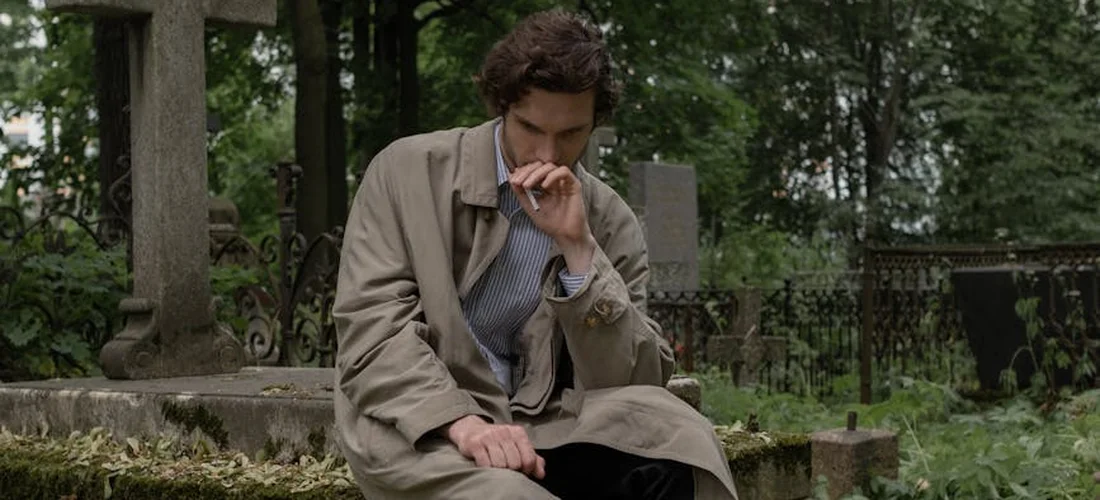
When you are making final arrangements for a loved one, or considering your own, it is natural to seek guidance from sacred texts. The Bible speaks more of burial than cremation. It paints a picture of a gentle return to the earth. These questions often extend to the ethical and religious concerns surrounding cremation. Exploring how different traditions interpret dignity, memory, and the afterlife can inform sensitive decisions.
We see this in the stories of the patriarchs. Abraham purchased the cave of Machpelah to bury his wife, Sarah. He himself, along with Isaac and Jacob, was later laid to rest there. This act was more than custom. It was a statement of faith, a promise of a future gathering. For Christians, the most profound example is Jesus. After his crucifixion, his body was respectfully wrapped in linen and placed in a new tomb. Burial, in the biblical narrative, is often presented as an act of tender care and hopeful waiting.
I have spoken with many families who worry about a phrase they have heard: “a cremated body can’t rise.” This fear is understandable, but the scripture offers a broader hope. The Bible does record cremation in specific instances, like the burning of the bodies of Saul and his sons after they fell in battle. This was an act of necessity and honor to prevent desecration, not a judgment on their souls.
What is crucial to understand is that no verse explicitly commands believers to avoid cremation. The theological focus is not on the preservation of the physical particles, but on the power of God to fulfill His promises. The form of our earthly remains does not limit a God who calls life from nothing. If your choice, or your loved one’s choice, involves cremation, it can be done with the same reverence and hope as a burial.
Understanding the Resurrection Hope
The Christian hope is not merely for a ghostly existence. It is for a full, embodied resurrection. This can sound mysterious, but at its heart, it is about restoration and new life.
The apostle Paul addresses confusion about this directly. He writes that what is sown a physical body is raised a spiritual body. He uses the analogy of a seed: you do not bury a seed expecting to dig up a seed later. You bury it expecting a plant, something new and beautiful that comes from it. Our resurrection body will be a glorious transformation, not a mere reassembly of old molecules.
Think of it this way. The same Creator who fashioned humanity from the dust of the ground is more than capable of restoring life from ashes, or from dust returned to dust. The agent of our hope is God’s limitless power, not the condition of our earthly shell. This truth is meant to comfort, not to constrain. It frees you to make a decision based on personal conviction, practicality, or financial need, without a cloud of fear.
Biblical Accounts of Both Practices
Looking at specific passages can provide helpful context. Burial is depicted as the standard, respectful practice throughout the Bible.
- Old Testament: Abraham burying Sarah (Genesis 23), the burial of Jacob (Genesis 50:1-14), and the prophet Samuel (1 Samuel 25:1).
- New Testament: The burial of Jesus (John 19:38-42), of Ananias and Sapphira (Acts 5:6-10), and of Stephen (Acts 8:2).
Instances of burning bodies are rare and occur under particular circumstances.
- In 1 Samuel 31:11-13, the men of Jabesh-Gilead burn the bodies of Saul and his sons to prevent the Philistines from mutilating them, then they bury the bones. This was an act of desperate honor.
- In Amos 6:10, a prophecy mentions burning bodies, which is linked to judgment and plague.
It is important to read these accounts as historical records of what did happen, not as prescriptions for what must happen. They show a culture where burial was the norm, and cremation was an exception in times of crisis or judgment. For your decision today, this historical context informs but does not dictate. A careful burial versus cremation comparison can illuminate how different practices express enduring values across cultures. Let this broader view guide your discernment as you consider how best to honor memory and belief in your own tradition.
The Traditional Christian Stance: Why Burial Has Been Preferred
For nearly two thousand years, the Christian community has practiced burial. This was not a random choice. It grew from the soil of Jewish custom and took on profound new meaning with the life, death, and resurrection of Jesus. In the catacombs of Rome and the churchyards of Europe, the faithful laid their loved ones to rest in the earth. This practice became a silent, steady testimony of faith across generations.
The reasons for this deep tradition are both beautiful and symbolic. The Christian scriptures refer to the human body as a “temple of the Holy Spirit.” This idea inspires a sense of reverence for the physical form, even in death. Burial is seen as a gentle, patient way of returning that temple to the earth from which it came. It mirrors the natural process of a seed falling to the ground. There is a dignity in this slow return.
Most significantly, burial reflects the story at the very heart of Christian faith. Jesus himself was buried in a tomb. When Christians choose burial for their loved ones, they are quietly echoing that sacred narrative. It becomes a physical picture of hope, a testament that mirrors the burial of Christ before His resurrection. This connection makes the practice feel deeply meaningful to many believers.
Reasons Families Choose Burial Today
When a family comes to me planning a funeral, their reasons for considering burial are often a mixture of the theological and the deeply human. I listen to their stories, and a few themes return again and again.
- Tradition and Continuity: There is comfort in doing what your grandparents did, in following the familiar path. It feels like an anchor in a storm of grief.
- A Tangible Place to Mourn: A gravesite provides a physical location for remembrance. It is a quiet park bench for the soul. Families can visit, place flowers, and feel a connection. This geography of grief can be very important.
- An Affirmation of Bodily Resurrection: For many, burial is a statement of belief in a future where the body is made whole again. It treats the body not as discarded shell, but as something worth keeping, worth waiting for.
It is vital to understand this not as a harsh rule, but as a deep-seated tradition that brings comfort. The weight of history and symbol in Christian burial offers a container for grief that feels solid and known. It is a choice made not out of fear, but often out of love, faith, and a desire to honor a life in a way that feels complete and faithful. For countless families, that tradition provides a soft light in a very dark room.
Catholic Teachings on Cremation: Guidelines and Reverence
For a long time, the Catholic Church held a strong preference for the burial of the body. Things have changed, but the heart of the teaching has not. Today, the Church permits cremation. It understands modern reasons like cost or family logistics. But it still encourages the choice of burial as the fuller, more perfect symbol of our faith in the resurrection of the body. This is not a rule against cremation. It is an invitation to reflect on what our choices say about hope.
If cremation is chosen, the Church provides clear and reverent guidelines. These are not mere procedures. They are acts of respect for the person who lived and for the body that was a temple of the Holy Spirit. These rites are in keeping with Catholic funeral cremation church protocols, guiding families through a prayerful and orderly farewell. They help express reverence for the deceased while affirming the hope of the Resurrection.
- Cremated remains must be treated with the same dignity as a body. They are not an object. They are what is left of a person.
- The ashes must be kept together. Dividing them among family members or putting them into jewelry is not permitted. The body, even in its ashes, should remain whole.
- The ashes must be laid to rest in a sacred place. This means a Catholic cemetery, a columbarium niche, or a family burial plot. This final resting place should be marked and consecrated.
- The Church expressly forbids scattering ashes or keeping them at home. Scattering can feel like a disappearance. Keeping them at home can turn a sacred remembrance into a private possession. The faith community has a place in our dying and our remembering.
The reasoning behind these guidelines is beautiful and communal. Our bodies are not just shells we discard. Through baptism, they were joined to Christ. We believe God will raise them up on the last day. Keeping the ashes intact and buried in holy ground respects this belief. It also provides a fixed, sacred place for the living to visit, pray, and remember. This place becomes a point of connection for the whole community of faith, a quiet spot where grief and hope can meet.
One of the most important parts of Catholic funeral practice is the Funeral Mass, the Requiem. The Church strongly prefers that the body of the deceased be present for this Mass. Seeing the coffin reminds everyone of the life lived and the reality of death, right there within the community’s prayer. When cremation is chosen, having the body present for the Mass before cremation is the ideal. If that is not possible, the cremated remains may be present in the church for a funeral liturgy. In either case, the community gathers. It prays for the soul of the departed. It offers comfort to those who mourn. It proclaims its hope in eternal life. This gathering is the heart of the Catholic way of saying goodbye.
Protestant and Orthodox Views: A Spectrum of Belief
Moving beyond the Catholic tradition, the Christian landscape reveals a wider range of thought. For many Protestant and all Orthodox believers, the choice between burial and cremation is guided by different theological currents and historical practices. The views here span from quiet acceptance to firm tradition, especially within the Orthodox Church.
If you are part of one of these communities, I encourage you to speak directly with your pastor, priest, or denominational leaders. Their guidance is the most reliable compass for your personal decision. What matters most is finding a path that brings peace to you and honors your faith.
Common Protestant Perspectives
Within the vast family of Protestant churches, you will find considerable freedom. For most mainline denominations, like Lutherans, Methodists, Presbyterians, and Episcopalians, cremation is generally accepted without theological debate. The same is true for many evangelical and non-denominational churches.
The prevailing view is that God’s power to resurrect is not limited by the form of the body’s final disposition. The emphasis rests far more on the soul’s eternal fate than on the physical state of the remains. I have sat with many Protestant families who saw no spiritual conflict in choosing cremation. Their choice was often guided by practical considerations, such as cost, the wish to be scattered in a meaningful place, or the desire to simplify arrangements for family living far apart.
You may still encounter individuals or specific congregations with a personal preference for traditional burial, viewing it as a more tangible symbol of awaiting resurrection. But this is typically a matter of custom, not enforced doctrine. The choice, in most Protestant contexts, becomes a personal or family one, made with a free conscience.
The Orthodox Christian Position
The stance within Orthodox Christianity (including Greek, Russian, and Eastern Orthodox churches) is distinct and deeply traditional. Here, the physical burial of the body is not just a custom, it is a sacred act woven into the fabric of faith and liturgy.
Orthodox theology holds the body in profound reverence, considering it a temple of the Holy Spirit and an integral part of the human person destined for resurrection. Cremation is seen as a violent, disrespectful dissolution of this temple, a forced destruction contrary to the natural process of returning to the earth. For this reason, it is actively discouraged and often forbidden by church authorities. A priest may even decline to hold a funeral service for someone who has chosen cremation.
The Orthodox funeral service is a beautiful and somber rite that treats the body with great honor, accompanying it with prayers for the soul’s journey. The practice of burial in consecrated ground is a final act of care, reflecting a patience and respect for the body’s natural return to the elements. If you are part of an Orthodox community, this deep reverence for the physical form is a central part of your faith’s approach to death, and choosing burial is a powerful expression of that belief.
Jewish and Islamic Perspectives: Burial as a Sacred Duty
In some faiths, the question of cremation versus burial is settled not by evolving interpretation, but by ancient, unwavering law. For Jewish and Islamic traditions, burial is not merely a custom. It is a sacred obligation tied directly to core beliefs about the human body, the soul, and dignity. Within Judaism, burial is traditionally preferred and cremation is generally discouraged. Across denominations, discussions of cremation reflect evolving interpretations while remaining rooted in longstanding Jewish burial traditions.
The Jewish View: K’vod Hamet, Respect for the Deceased
Jewish law, or Halakha, views burial as a fundamental commandment known as k’vod hamet, honoring the dead. This principle governs every action from the moment of death. The physical body is seen as a vessel that housed a divine spark, and it is treated with profound reverence.
Cremation is traditionally forbidden. The rapid, intentional destruction of the body by fire is considered a desecration, a violation of that respect. Traditional Jewish thought holds that the body should return to the earth naturally, in alignment with the biblical idea of returning to dust.
The rites are characterized by speed, simplicity, and equality. Burial ideally occurs within 24 hours. The body is carefully washed in a ritual called taharah, dressed in plain white linen shrouds, and placed in a simple wooden casket. These acts strip away worldly status, emphasizing that all are equal in death. The focus remains entirely on honoring the person who has died and comforting the living through structured mourning.
The Islamic View: Preparation for the Day of Resurrection
In Islam, burial is not just preferred; it is mandatory. The prohibition against cremation is absolute and stems from a central tenet of faith: the belief in bodily resurrection on the Day of Judgment. The body must be preserved for this eventual return.
Cremation is seen as a direct contradiction to this belief, a harmful interference with God’s creation. Islamic teaching emphasizes that the human body is entrusted to us by God, and we are obligated to return it to the earth intact through burial.
Like Jewish practice, Islamic burial rites are swift and unadorned. Burial should happen as soon as possible, often the same day. The body is washed and shrouded in simple cloth. The funeral prayer, Salat al-Janazah, is performed by the community. The body is then laid in the grave directly on its right side, facing the Qibla in Mecca. There is no casket unless required by local law. This direct contact with the earth is itself part of the ritual, a final, humble return.
The Common Thread: The Body as Sacred Trust
Though their theologies differ, both traditions share a powerful, tangible respect for the physical form. The body is not a disposable shell. It is treated with a care that mirrors its perceived sanctity.
The rituals are hands-on, communal, and purposeful. They move with a gentle urgency that bypasses lengthy viewings or elaborate displays. This speed is not a lack of care, but a final act of respect-caring for the deceased without delay. The simplicity of the shroud and the plain grave remind everyone of life’s true impermanence.
For a family planning a funeral within these faiths, the path is clearly defined by community and scripture. The guidance provided by a rabbi or an imam is central, offering a compassionate roadmap through grief that has been followed for millennia. The practices themselves, in their solemn rhythm, become a profound source of comfort, turning obligation into an act of pure, final love.
Hindu and Buddhist Practices: Cremation as a Spiritual Release
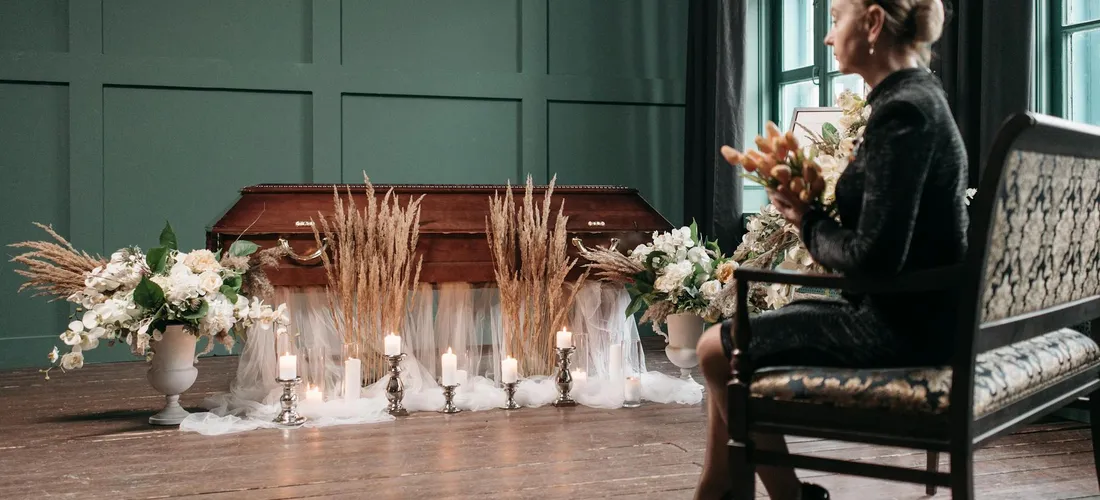
In many Eastern traditions, the physical body is seen as a temporary vessel. The funeral rite is not an end, but a vital transition. The approach is less about honoring the empty shell and more about aiding the soul’s journey. This perspective shapes a very different view of cremation.
The Hindu Practice of Antyeshti
For Hindus, cremation, known as antyeshti (the last sacrifice), is the nearly universal practice. The body is considered a rental, a composite of the five elements. The fire of cremation is a sacred agent that swiftly returns these elements to their source. It is an act of purification and release.
The belief in samsara, the cycle of rebirth, is central here. The flame serves to sever the soul’s lingering attachment to its physical form, freeing it to continue its journey toward moksha, or liberation. A burial, by contrast, is seen as a slow process that could allow the soul to remain uncomfortably tied to the decaying body. The rituals are precise. The eldest son typically lights the pyre, a final duty. Priests chant mantras to guide the soul. Afterward, the ashes are collected and, ideally, scattered in a holy river like the Ganges, completing the return to the elements.
Buddhist Views on Impermanence
Buddhism also widely favors cremation, though burial is accepted in some regions like Tibet or Japan, often due to geography or local custom. The core teaching of anicca, or impermanence, provides the foundation. All compounded things, including the body, are in a constant state of change and decay. Cremation vividly honors this truth.
The ceremony is a meditation on this transience. Watching the smoke rise can be a powerful reminder that life is fleeting, a lesson meant to turn the hearts of the living toward compassionate and meaningful action. Monks may chant scriptures that reflect on the nature of suffering and the path to its end. The body, now empty of consciousness, is treated with respect but without the attachment that causes sorrow. The remains might be placed in a stupa, a memorial mound, or kept by the family in an urn.
Rituals of Release and Remembrance
In both faiths, the rituals are rich with symbolism. It is never a mere disposal. Offerings are made. Prayers are spoken for a favorable rebirth or for the easing of the soul’s passage. Families observe periods of mourning and purification. They perform memorial rites at specific intervals to transfer merit to the deceased, actively supporting their loved one’s spiritual progress long after the flames have cooled.
These acts provide a framework for grief. They give the bereaved a role to play, a way to channel love into actionable spiritual support. The focus extends beyond the grave or the urn, into the ongoing story of the soul.
A Contrast in Perspective
This view stands in gentle contrast to the Abrahamic traditions. In Christianity, Islam, and Judaism, the body itself is often seen as sanctified, a creation to be honored and, in many beliefs, resurrected. The funeral looks back with reverence on a life completed. In Hindu and Buddhist thought, the funeral looks forward. It is a launch. The body is the boat that has reached the far shore; you do not carry the boat with you on land.
These differences are not about right or wrong, but about the profound questions each faith asks: What is the soul? What happens next? The answers we hold shape how we say goodbye. Whether through earth or fire, the deepest aim is the same: to honor a life, to comfort the living, and to treat the departed with the dignity their beliefs demand.
Modern Considerations: Personal Choice and Alternative Options
For many today, the choice between burial and cremation is guided by personal circumstances as much as by faith. Practical concerns like cost, the relocation of family, or a simple personal wish lead many modern Christians and interfaith families to choose cremation. This decision is often made with a quiet heart, seeking a path that feels both faithful and manageable.
Newer options now exist alongside traditional ones. Green or natural burial aims for the body to return to the earth with minimal interference, using biodegradable materials. Aquamation, also called alkaline hydrolysis, is a water-based process that some see as a gentle alternative to flame. For many, these alternatives feel like a sincere expression of religious values, whether it’s caring for creation or acknowledging the temporary nature of the physical form.
This leads to environmental thought, which is becoming part of the conversation for many people of faith. The idea of stewardship, of caring for the Earth as a sacred trust, prompts some to re-evaluate traditional practices. This isn’t about right or wrong, but about a thoughtful alignment of actions with deeply held beliefs.
If you are considering a path that feels different, conversations with family and religious leaders are key. Approach these talks with honesty and a listening ear. You might say, “This is what I’m considering, and I want to understand your perspective.” Share your reasons gently. Most religious leaders appreciate sincerity and can help you find a way to honor both your faith and your personal wishes.
A dignified farewell is not defined by a single method. It is found in the love that guides your choice, the faith that comforts you, and the honest consideration of your unique situation.
When Cremation is the Chosen Path
Choosing cremation does not mean leaving faith behind. There are many beautiful ways to weave reverence into the process. One meaningful option is to hold a full funeral or memorial service before the cremation takes place. This allows for a traditional gathering, with the body present, to share prayers and memories.
Afterwards, the care of the ashes can be a sacred act. You might choose an urn inscribed with a beloved scripture or a symbol of your faith. Another option is to inter the ashes in a dedicated section of a cemetery, a columbarium niche, or a memorial garden, providing a permanent, hallowed place for visitation. The central task is to handle the process with clear intention and deep respect, creating moments that feel holy and true.
Exploring Green and Natural Burials
Green or natural burial is a return to the earth in its simplest form. The body is not embalmed with chemicals. It is placed in a biodegradable shroud or a simple wooden casket, and buried in a way that allows it to decompose naturally and contribute to the soil. The goal is minimal environmental impact and a direct, unadorned return.
This simplicity can resonate across beliefs. For a Christian, it can be a powerful act of stewardship, echoing the verse “from dust you came and to dust you shall return.” In Buddhist thought, it aligns with principles of impermanence and non-harm. The practice feels ancient, honest, and connected.
If this calls to you, begin by asking funeral homes directly if they offer or facilitate green burial. Inquire about specific conservation cemeteries or natural burial grounds in your area. Be prepared to ask clear questions: What are your exact requirements for the casket or shroud? Do you work with a particular natural burial preserve? A funeral home that supports these options will guide you without hesitation.
Common Questions About Religious Views on Cremation and Burial
What are the core theological reasons different faiths prefer burial or cremation?
Abrahamic faiths (Christianity, Judaism, Islam) traditionally view the body as a sacred creation to be honored, with burial reflecting respect and hope for resurrection. Dharmic faiths (Hinduism, Buddhism) often see the body as a temporary vessel, with cremation serving as a spiritual release to aid the soul’s onward journey.
Are there modern Christian movements that readily accept cremation?
Most mainstream Protestant and non-denominational churches readily accept cremation, focusing on the memorial service and affirming that God’s power to resurrect is not limited by the body’s form. This acceptance is often guided by practical considerations and personal conscience, viewing it as a faithful choice. These views sit within a broader tapestry of religious and cultural attitudes toward cremation.
How do environmental considerations factor into religious debates on this topic?
For many people of faith, environmental stewardship is becoming part of the conversation, leading to interest in green burials or aquamation as expressions of care for creation. These alternatives are often evaluated for their alignment with core religious values, such as simplicity and reverence for natural processes. Within many faiths, green natural burials prompt reflection on religious views of stewardship and the body’s return to creation. These discussions often explore how such practices express care for creation while honoring spiritual beliefs.
Parting Reflections on Faith and Final Choices
From my experience, the most compassionate choice between cremation and burial is one that honors the specific teachings of your faith and the quiet wishes of the heart. Let this decision be a reflection of love, made without haste, for it is the intention behind it that carries the deepest meaning.
I urge you to prioritize dignified care in all arrangements and to explore eco-friendly options as a gesture of stewardship. Your path through Funeral Care, Funeral Needs, Funeral Questions is ongoing, and approaching it with gentle curiosity can bring lasting peace.
Emiliana Dieter
Emiliana is an author at The Valedictory. She is an experienced funeral care advisor and arranged and organized many funerals as part of her end of life consulting services. She has over 8+ years in the funeral industry managing her family funeral business and helping families cope with the loss of their loved ones. Her articles answer any and all questions you might have regarding funeral arrangements, costs, preparations, etc so you can make this a seamless experience.