
How Much Does a Burial Plot Cost? A Complete Guide to Cemetery Plot Pricing and Fees
When planning a burial, wondering about the cost of a plot is a natural, yet heavy, financial concern. I want to help you understand these costs with the clarity and compassion you deserve during this time.
This article will provide a clear breakdown of cemetery plot pricing. You will learn about the key factors influencing price, the different types of plots available, common additional fees, and thoughtful ways to approach this decision.
Key Takeaways for Your Peace of Mind
Choosing a final resting place is a profound decision made during a difficult time. I want you to know your feelings are completely valid.
The cost of a burial plot itself can range from a few hundred to several thousand dollars. The price depends heavily on the cemetery’s location, its amenities, and the type of plot you select.
Remember, the price of the plot is only one part of the total expense. Other costs, like the opening and closing of the grave, a headstone, and perpetual care fees, will be part of the final arrangement.
Understanding these fees removes the fear of the unknown. It allows you to make a choice that respects your budget and brings a sense of peace to your family.
Quick Snapshot: Burial Plot Costs at a Glance
This table offers a general view to help you start your planning. Think of it as a quiet afternoon conversation, not a firm quote.
| Plot Type | Typical Price Range | Best For |
|---|---|---|
| Single Lawn Plot | $1,000 – $4,000 | A traditional, in-ground burial in a grassy area. It is often the most common and accessible option. |
| Companion Plot | $2,000 – $8,000 | Spouses or partners wishing to be buried side-by-side or in a single, deeper space for two caskets. |
| Mausoleum Space | $4,000 – $10,000+ | Above-ground entombment in a communal building. It provides a sheltered, indoor environment. |
| Cremation Garden Niche | $500 – $2,500 | Holding an urn of cremated remains. These spaces are typically smaller and more affordable than burial plots. |
Please view these figures as national averages. Your local cemetery will have its own pricing, influenced by the city you live in and the grounds themselves.
Understanding Burial Plot Basics: Size, Depth, and Types
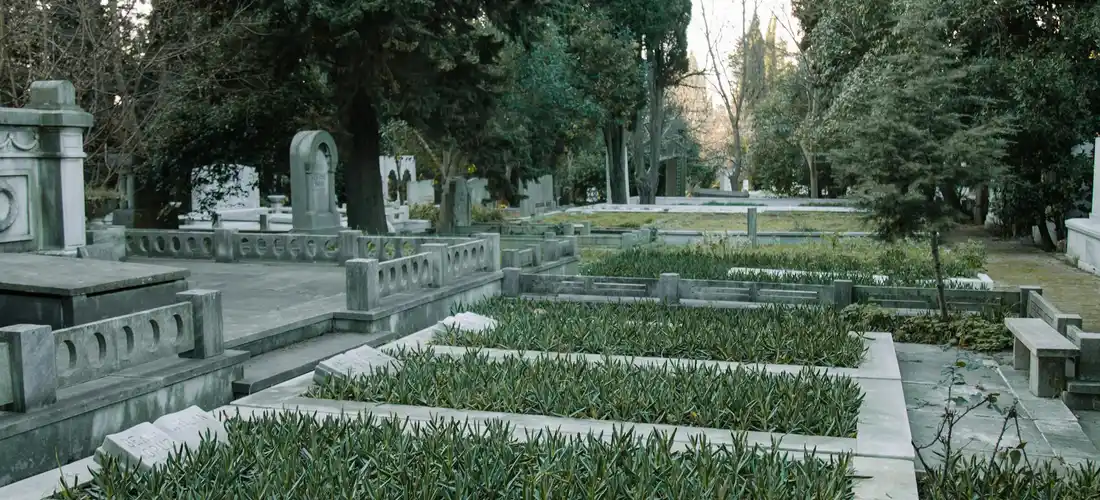
A burial plot is a designated space of earth within a cemetery. It is a final, physical place for a loved one to rest. Understanding cemetery plot burial regulations can guide families through the process. Regulations often cover placement, setbacks, and maintenance, and rules may vary by locale.
People often ask about the practical details. A standard single plot is typically 3 feet wide by 8 feet long. The grave itself is often excavated to a depth of 5 to 6 feet.
Plots are not all the same. A single plot holds one casket. A companion plot, sometimes called a double plot, is designed for two people.
Companion plots can be side-by-side or double depth. A double depth plot involves excavating one grave deeper so a second casket can be placed above the first. This is a more affordable option than two side-by-side plots.
You will encounter several common plot types.
- Lawn Crypt or Lawn Plot: The cemetery installs a concrete liner in the ground. After burial, the area is leveled and seeded with grass. This creates a flat, park-like appearance that is simple to maintain.
- Traditional Monument Plot: This plot, often in an older section of the cemetery, allows for an upright headstone or monument placed at the head of the grave. Families are responsible for the monument and its upkeep.
- Mausoleum Crypt: This is an above-ground burial space within a building. A crypt provides protection from the elements and may feel more sheltered or monumental.
- Infant or Child Plots: Many cemeteries have special, smaller sections dedicated to babies and young children. These spaces are often tenderly maintained.
- Cremation Plots & Niches: Spaces for urns are much smaller. These can be in-ground plots, small lawn crypts, or niches in a columbarium wall.
To understand the scale of a cemetery, consider that one acre of land can hold roughly 1,000 to 1,500 traditional burial plots. The number is higher for lawn sections or cremation gardens.
Choosing a Plot Type That Honors Your Loved One
Each type of plot carries a different feeling. The choice is a personal one, often tied to memory and comfort.
A lawn plot speaks to simplicity and open space. The uniform grass creates a peaceful, park-like setting that many find calming. I have seen families take solace in the uncluttered view.
A traditional plot with a headstone offers a solid, permanent place for visitation. The stone becomes a tangible focal point for grief and remembrance. You can personalize it with inscriptions and designs.
Choosing a mausoleum is often about shelter and legacy. The interior space can feel more intimate and protected, especially compared to other types of burial chambers. For some, it connects to a family tradition or a desire for a shared architectural memorial.
The right choice often comes from quiet reflection on what felt meaningful to the person who died and what brings your family peace. Did they love open fields or grand old cemeteries? Did they value simplicity or a enduring marker?
There is no wrong answer here, only what feels respectful and true. Your choice is an act of love, a final gesture of care in a difficult time.
What Determines the Price of a Burial Plot?
Several factors combine to set the final price, much like the considerations for any piece of real estate. The cost is not arbitrary. It reflects a blend of practical logistics, community tradition, and personal preference.
Location Within the Cemetery
Just as a home’s value changes from one neighborhood to the next, a plot’s price shifts within a cemetery’s grounds. A plot beneath a mature, shade-giving tree often carries a premium. So does a spot on a gentle hill with a view, or one situated along a serene, paved pathway.
These are considered premium locations, chosen for their beauty and peace, and their cost reflects that desirability. Plots in newer, less developed sections or in flat, open areas are typically more affordable. The most basic option is often a lawn-level crypt in a community mausoleum, which provides shelter and may cost less than an in-ground plot.
Cemetery Type (Public, Private, Religious)
Where you buy is as important as what you buy. Municipal or public cemeteries are run by cities or towns. They usually offer the most budget-friendly options, as their primary goal is to serve residents.
Private, for-profit cemeteries operate like businesses. They often feature expansive, park-like landscaping, a wider array of services, and more amenities. Their prices are generally higher. A religious or denominational cemetery may have specific requirements for membership but can offer a profound sense of community and continuity.
The rules, aesthetics, and overall feeling of a cemetery are deeply tied to its ownership, and this is directly reflected in the price.
Plot Type and Local Real Estate Values
The style of burial you choose is a major cost driver. A single, standard in-ground plot is the baseline. A companion plot for two, a family estate plot, or a coveted mausoleum space will cost progressively more. Understanding the different types of burial plots can help you make an informed decision.
You cannot separate cemetery land from the land around it. The cost of living and the value of property in your city or region have a direct and powerful influence on plot prices. A plot in a major metropolitan area will almost always cost significantly more than an identical plot in a rural community. This is simply the reality of land value. If you’re considering buy, sell, or invest in a burial plot, these price dynamics are important to understand. They can shape your timing and options in the market.
What Are Burial Plots Worth? A Note on Resale
People sometimes ask about the resale value of a plot, viewing it as an asset. While it is possible to resell a plot you own back to the cemetery or to a third party, I advise caution. The process is rarely simple or fast.
Cemeteries often have first right of refusal and specific rules. More importantly, selling a plot intended for a loved one can be an emotionally complex decision during grief. The financial return is often modest. It is usually best to purchase a plot with the intent of its sacred, permanent use, not as a financial investment.
The Full Picture: Cemetery Fees and Additional Costs
The price you see for the plot itself is just the beginning. I find it helps to think of it as buying a piece of land, but with specific, required services attached to its use.
You pay for the plot one time. The many other fees come later, often at the time of burial. This distinction is important for your planning.
One of the most significant fees is the endowment care fee, sometimes called perpetual care. This is not a profit for the cemetery. It is a required contribution to a permanent fund.
The interest from this fund pays for the ongoing care of the grounds-mowing, landscaping, and general upkeep-long after the cemetery is full. This fee ensures your loved one’s resting place remains a gentle landscape for generations.
Other costs will appear on your final statement. It is not meant to overwhelm you, but to prepare you.
- Opening and Closing Fees: This covers the physical labor and administration to open the grave for burial and later close it. This is often a major cost.
- Grave Liner or Vault: Most cemeteries require a concrete outer container to prevent the ground from settling. The vault is a more sealed, protective version.
- Marker or Headstone Installation: There is usually a fee to set and secure the monument on its foundation.
- Annual Maintenance or Decoration Fees: Some cemeteries charge a yearly fee for tending to an individual grave, especially if you place flowers or other items.
My strongest advice is to ask for everything in writing. Request a detailed, itemized price list from the cemetery office. A clear list protects you from unexpected costs at a difficult time and allows for honest comparison. A reputable cemetery will provide this without hesitation.
Breaking Down the Endowment Care Fee
You might wonder why this fee is necessary. A cemetery is a living community of memory that must be maintained forever. Think of the trees that need care, the roads that need repair, and the records that must be kept safe.
The endowment care fee creates a financial backbone for this perpetual duty. It is a promise in the form of a fund. This fee exists so that in fifty or one hundred years, the site is still a place of peace, not a forgotten field.
I explain it to families as a trust fund for the land itself. The principal is invested and never spent. Only the earnings are used for cutting grass, trimming trees, and keeping the gates secure. It is a shared responsibility that honors every person remembered there.
How Location Influences Cemetery Plot Pricing

The final resting place you choose will feel very personal. I have learned that its cost is often tied directly to its address, much like any other piece of property.
Plot prices shift with geography. A plot in a major city like New York or San Francisco will nearly always cost more than one in a small town in the Midwest. This reflects the local cost of living and the simple economics of land value and demand.
Urban cemeteries have less available space, which drives prices higher. A rural cemetery, nestled in quiet hills, often has more room and lower costs. The setting itself carries a different feeling, which some families find meaningful.
If you search for “how much are burial plots near me,” start by contacting cemeteries directly for their current price list, as online figures can be outdated. Visit in person if you can. Walking the grounds gives you a sense of the place that a website never could. If you are considering buying one for resale later, seeing the location personally is even more critical.
Look beyond the first search result page. Smaller, religious, or municipal cemeteries might not advertise widely but can offer more affordable options. A phone call is still one of the most effective tools for clear information.
Famous or historic cemeteries command a premium. A plot in a renowned garden cemetery or a historic burial ground is a piece of legacy. You are paying for perpetual care, art, architecture, and a place in a curated landscape.
Choosing a distant location for its beauty or lower cost requires careful thought. Consider the travel for the family and friends who will wish to visit in the years to come. A plot closer to home may offer greater comfort for those left behind, making regular visits easier on the heart.
I have seen families struggle with the distance during anniversaries and quiet days of remembrance. Proximity can be a gentle gift to your loved ones, allowing them to feel connected without the burden of a long journey.
Exploring Your Payment and Planning Options

Yes, many cemeteries do offer payment plans. The full cost of a burial plot and its associated fees can feel overwhelming. Payment plans can help make these necessary expenses more manageable over time.
Speak directly with the cemetery’s administrative office. They can explain their specific terms, which may include a down payment followed by monthly installments. Arranging a payment plan allows you to secure a location without the pressure of a single, large payment.
How to Compare Prices Between Cemeteries
Prices can vary widely between cemeteries, even those in the same town. The key is to compare more than just the price of the plot itself. Making a simple checklist helps you see the complete picture. Cultural and regional differences can also impact overall expenses, so it’s important to consider funeral costs in various cultures and regions.
Call or visit a few different cemeteries. Ask for a detailed, written price list that breaks down every potential charge. A clear list prevents surprise fees later, when emotions are already high.
Here is a basic checklist of items to compare:
- The price of the burial plot or lawn crypt.
- The “opening and closing” fee, which is often the single largest cost.
- Perpetual or endowment care fees for grounds maintenance.
- Charges for a grave liner or burial vault, if required.
- Fees for a headstone or marker placement permit.
Use your checklist to get quotes from several locations, ensuring you are comparing the same set of services at each one.
The Value of Pre-Planning
Pre-planning, or purchasing a plot in advance, is a powerful act of care. It allows you to lock in today’s prices, which will almost certainly be lower than costs in the future. This simple step provides significant financial protection for your family.
Beyond the financial benefit, it lifts a heavy burden. Your loved ones will not have to guess your wishes or make rushed decisions during a time of grief. Pre-planning is a final, thoughtful gift that spares your family both financial strain and difficult choices. You gain peace of mind knowing your wishes are clear and paid for.
Available Discounts
It is always worth asking about potential discounts. Some cemeteries offer reduced rates for veterans and their spouses, often in dedicated sections of the grounds. Religious or fraternal organizations sometimes have affiliated cemeteries that offer preferred pricing to members.
Do not assume a discount is automatically applied. When you contact a cemetery, inquire directly about any discounts for veterans, religious affiliations, or community groups. You must usually provide documentation, but the inquiry itself costs nothing and could lead to meaningful savings.
Making an Informed Choice: Questions to Ask and Alternatives
Gathering information before you buy is a way to care for your future self and your family. It prevents difficult surprises later. I always advise families to bring a notepad and ask these questions directly at the cemetery office.
Asking these specific questions can provide clarity and peace of mind in your planning.
- Can you provide a complete, written list of every fee for this plot? I want to understand the opening and closing costs, the endowment care fee, and any charges for the marker foundation.
- What are the payment terms? Is full payment required, or is a payment plan available? Please explain any finance charges.
- Are there any restrictions on the type of headstone or marker I can place? This includes rules about size, material, and design.
- What perpetual or endowment care does this fee cover? How is that fund managed for the cemetery’s long-term upkeep?
- If I purchase a plot today and the cemetery sells out in the future, how is my plot’s access and maintenance guaranteed?
- What is the exact process for interment when the time comes? Who do we call, and what documentation is needed?
Seeing the total cost in writing helps you compare options fairly. Do not feel rushed. A reputable cemetery will answer all your questions patiently and provide clear paperwork.
Considering Dignified Alternatives
A traditional cemetery plot is one path, but it is not the only one. Many people now seek options that feel more aligned with their personal values or financial situation. These alternatives are just as respectful.
Green or natural burial is a choice focused on environmental return. It forgoes concrete vaults and chemical embalming, using only biodegradable materials. Plots in a green burial ground often cost less than traditional ones, as they avoid vault and liner fees, but availability depends heavily on your region. Beyond the environmental benefits, green burial costs tend to be lower and more transparent than traditional options. This eco-friendly approach helps families plan a thoughtful memorial within budget. The land is maintained as a natural habitat, and markers might be simple native stones.
Donating your body to a medical school or research program is another meaningful alternative. This act of contribution typically involves no cost for a burial plot or cremation, as the institution handles final arrangements after their studies are complete. They will usually cremate the remains and return them to the family after one to three years, if you wish.
Your choice is a personal reflection of your life and beliefs. Whether you choose a serene hillside plot, a protected woodland resting place, or the gift of education, what matters is the intention behind it. A decision made with love and forethought is always the right one for you.
Thoughtful Questions About Burial Plots
What is the most important factor that determines a plot’s cost?
Location is the most significant factor, both the cemetery’s region and the specific site within its grounds. A plot in a premium location, like under a tree or on a hillside, will cost more than one in a newer, open section. Locating a burial plot in the right spot can make a difference in cost and sentiment.
What is the difference, beyond price, between a single and a companion plot?
A companion plot allows spouses or partners to be interred side-by-side or in a double-depth grave, offering emotional comfort through physical togetherness. Choosing between them is a personal decision about legacy and connection for visiting family members.
Are payment plans typically available to make this more manageable?
Yes, many cemeteries offer payment plans to help families manage the cost without financial strain. It’s a thoughtful step to ask the cemetery office directly about their specific terms to secure a plot with a structured plan.
Honoring Choices in Cemetery Planning
Approach burial plot decisions with clear cost information and a compassionate heart. This preparation helps you create a meaningful tribute while safeguarding your peace of mind. If you’re planning ahead, you might consider buying a reserve burial plot to simplify future arrangements. This proactive step can provide clarity for your family and ensure your wishes are honored.
Selecting a plot is part of offering dignified care; gentle, eco-friendly options can honor both person and planet. I encourage your continued learning in Funeral Care, Funeral Needs, and Funeral Questions for every step ahead.
Emiliana Dieter
Emiliana is an author at The Valedictory. She is an experienced funeral care advisor and arranged and organized many funerals as part of her end of life consulting services. She has over 8+ years in the funeral industry managing her family funeral business and helping families cope with the loss of their loved ones. Her articles answer any and all questions you might have regarding funeral arrangements, costs, preparations, etc so you can make this a seamless experience.