
Casket Costs Explained: A Gentle Guide to Average Prices for Metal, Bronze, and Specialty Options
Choosing a casket often brings up practical questions about cost during a deeply personal time. I understand how weighty this decision can feel, and I want to offer you clear, compassionate guidance.
Based on my years in funeral care, this article will walk you through what to expect. We will look at:
- The average price range for caskets today
- A detailed cost breakdown for metal caskets
- What you can typically expect to pay for bronze caskets
- Pricing for specialty and custom-made options
- How costs compare between funeral homes and other retailers
Key Takeaways for a Calmer Planning Process
Facing financial choices while your heart is heavy with grief is profoundly difficult. I have guided many families through this, and I want to offer you a moment of calm. The numbers can wait for your readiness.
Casket prices span a very wide range. You might see simple options for a few hundred dollars, while more elaborate choices can reach several thousand. The final cost depends deeply on the material, where you purchase it, and specific details like the interior lining or hardware.
Please remember your rights in this process. By law, funeral homes must provide you with a printed price list for all their goods and services, including caskets, if you ask. You are allowed the time and space to make this decision without pressure; there is no universally correct choice, only what is right for your family and your loved one. Understanding common funeral pricing myths can help you compare options more clearly. Look for resources that debunk these myths to guide your conversations with providers.
It is also useful to hold in mind that the casket is one component. Other essential costs, such as for an obituary, transportation, or a venue, are separate. These can vary just as much, so a complete estimate from your funeral director provides the clearest picture.
A Quick Snapshot: Casket Materials and Price Ranges
To help visualize how choice influences cost, I often compare it to selecting a piece of furniture. The core material sets the tone, both in feeling and in price. Below is a straightforward guide to common options.
| Material | General Price Range | Key Characteristics |
|---|---|---|
| Cloth-covered wood | $600 – $1,800 | A padded fabric exterior over a wood frame. It offers a soft, gentle appearance and touch, often chosen for its traditional warmth and accessible price. |
| Solid hardwoods | $2,500 – $7,000 | Crafted from oak, cherry, or mahogany. These caskets feel substantial and enduring, with the natural grain and weight of fine furniture. |
| Standard steel metal | $1,200 – $3,500 | Durable and commonly available. Steel provides a sense of sturdiness, often with a sealed design, and comes in various finishes from matte to high-gloss. |
| Copper or bronze | $4,000 – $10,000+ | Premium metals known for their resistance to time and a distinctive, warm sheen. The craftsmanship and weight contribute to their higher cost and lasting presence. |
| Specialty (eco-friendly, custom) | $1,000 – $5,000+ | Includes willow, pine, or fully biodegradable materials. These cater to personal or environmental values, with cost hinging on the level of customization and sourcing. |
This table shows clearly how your selection of material is a primary driver of the overall price. The choice between a cloth-covered wood casket and one of solid bronze is not just about cost, but about the feeling and meaning you wish to convey.
Understanding the Average Casket Price
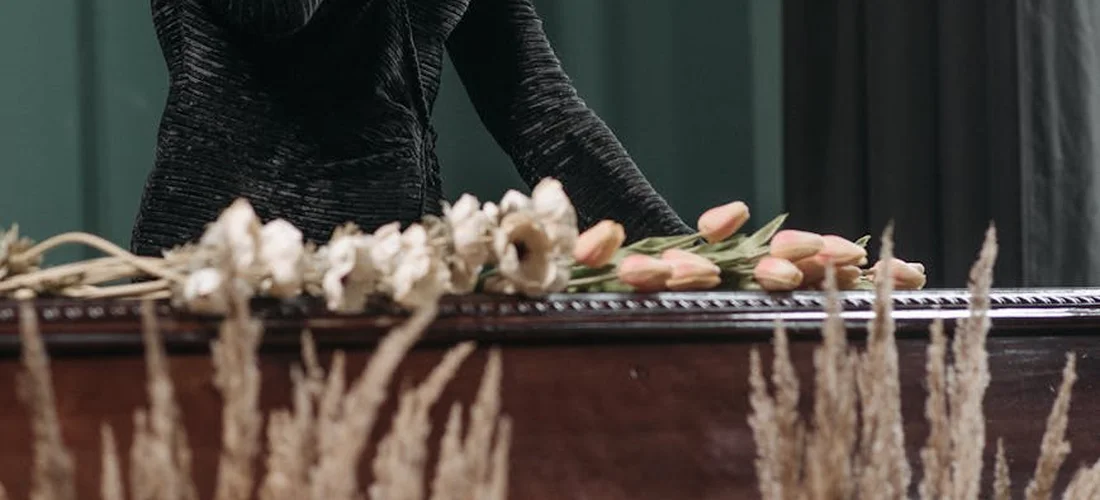
If you need a number, the average price for a standard adult casket in the United States is currently between $2,500 and $5,000. I tell families this, and I see the worry that can flicker across their faces. That is a significant sum. It helps to remember this is an average for a complete, standard unit from a funeral home, often made of steel or a hardwood like oak.
This average is a very broad range because the final cost depends heavily on two things: where you live and where you shop. A simple steel casket in a small Midwestern town may cost less than the same model in a major coastal city. More importantly, funeral homes are not the only place to buy a casket, and comparing prices can provide meaningful savings. Many retailers, both online and in warehouse stores, sell caskets directly to the public. Federal law requires funeral homes to accept them, and they cannot charge you a fee for doing so.
To understand this expense, it helps to see it beside other common costs. The basic services fee for the funeral director and staff is often the single largest line item, comparable to or exceeding the casket cost. Embalming, if chosen, and the use of the funeral home facilities for a visitation add substantial amounts. When you look at a full funeral bill, the casket is one major part of a larger financial picture. Some people find it grounding to think of it in terms of other large purchases, like a major appliance or a piece of furniture meant to last for generations. A funeral costs high expenses guide can provide context and budgeting tips for these large expenditures. It helps families plan ahead and compare options to avoid surprise charges.
For a direct burial, where there is no public viewing or service beforehand, a casket is not legally required. Many families in this situation choose a simple wooden box or an alternative container made of pressed wood or cardboard. These can cost a few hundred dollars. Because these simpler containers are included in national pricing surveys, they pull the overall “average” casket price lower. Your choices about the type of service directly shape what you need to spend on a container, and that is a piece of control you still have in a difficult time.
How Much Do Metal Caskets Typically Cost?
When you walk into a funeral home’s selection room, the metal caskets often form the heart of the display. They are typically made of steel, a material chosen for its solid weight and familiar, traditional appearance. The exterior usually has a brushed or polished finish, giving it a soft sheen or a more reflective, formal look.
These caskets are a common choice for many families. They feel substantial and dignified. I’ve helped countless people run a hand along the cool, smooth rail of a steel casket, considering its quiet presence.
The Price Range for a Standard Metal Casket
At a funeral home, a standard 18-gauge steel casket often starts between $2,500 and $4,000. This price typically includes a simple cloth interior and a standard finish. For a thicker, 20-gauge steel model, you might see prices begin closer to $2,000. This can be a significant cost, especially if you don’t have a budget for funeral expenses.
You can usually find the same models for less from a third-party retailer or online casket seller. From these dedicated retailers, a comparable steel casket can range from approximately $1,200 to $3,000. The lower cost here is important to know. Federal law requires funeral homes to accept a casket you purchase elsewhere, and they cannot charge you a fee for doing so. Some families also consider purchasing a casket online and having it delivered to the funeral home. This approach can help you compare features and prices from online retailers while staying within funeral home policies.
What Makes the Price Go Up or Down?
Two main factors change the cost: gauge and protective features. Gauge refers to the thickness of the steel. It works a bit like wire: a lower gauge number means a thicker, heavier metal. An 18-gauge casket is thicker and more expensive than a 20-gauge one.
The second factor is a protective seal. Some caskets are sold with a rubber gasket designed to create an “airtight” protective seal. This feature adds several hundred dollars to the price. It is a personal choice, not a legal requirement, and many families find comfort in a simpler, unsealed casket.
Choosing a casket is about balancing practical considerations with what feels personally meaningful for honoring your loved one. A thicker gauge might represent strength and permanence to you, while a simpler model may align with a wish for modesty.
A Note on Processions and Escorts
During planning, some families ask if a metal casket includes arrangements for a police or law enforcement escort for the funeral procession. This is a separate service. The cost of the casket itself does not cover procession logistics. You or your funeral director would need to coordinate that with local authorities, and there is often a fee involved. It’s one of those small, practical details that is good to ask about early.
The Cost of Bronze and Copper Caskets
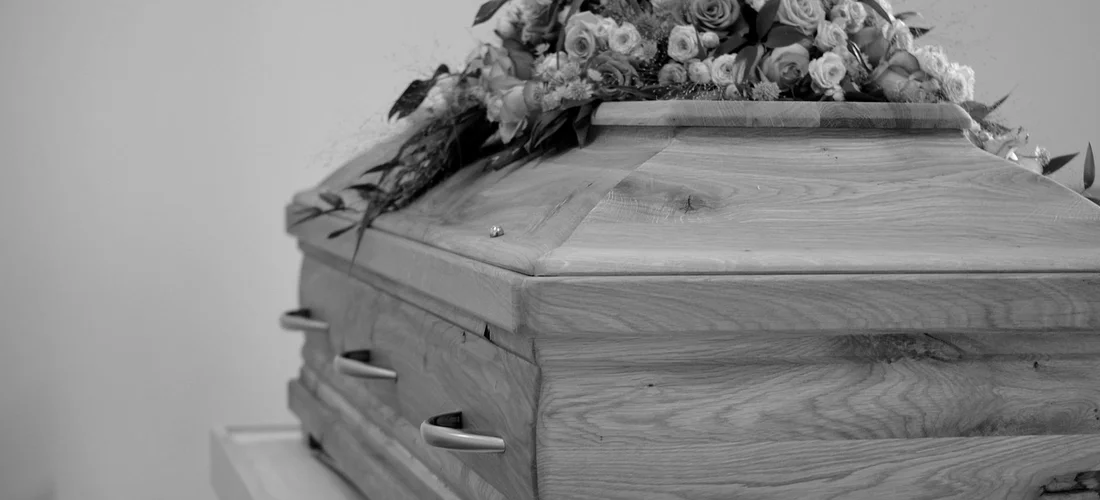
When you walk into a casket showroom, the bronze and copper models often have a different presence. They feel substantial. They catch the light not with a bright, cold shine, but with a warmer, softer glow. In my years of guiding families, I’ve seen people drawn to them, their hand resting on the surface as if to feel its solidity. Choosing one is often about honoring a life with something that speaks of permanence and cared-for elegance.
Bronze and copper are premium metals. They are alloys, blended for strength and resistance. A bronze casket has a dignified, deep golden-brown hue, while copper offers a distinctive reddish tone that can develop a unique patina over time. Both are celebrated for their longevity. These materials are chosen not just for appearance, but for a profound sense of durability, a vessel meant to honor a memory for generations.
This quality comes with a cost that is noticeably higher than standard steel. While a protective steel casket might range from $2,000 to $5,000, you can expect a bronze casket to start around $6,000 and easily reach $10,000 or more. Copper caskets often follow a similar pricing path. The final price depends on the gauge, or thickness, of the metal, the interior craftsmanship, and the specific design details.
What justifies this difference? It begins with the material itself. Bronze and copper are heavier, more costly raw materials than steel. The process of shaping and finishing them is more involved. You are also paying for a higher level of craftsmanship. The seals are typically more robust. The interiors use finer fabrics. The hardware-the handles and corner pieces-is more meticulously designed. You are investing in a product where every component, from the metal shell to the silk lining, is built to a superior standard of artistry and protection.
Standing before these options can feel overwhelming, especially when grief is fresh. I always tell families to view this moment as they would choosing any other significant item for their home, like a dining table or a piano. You would take your time. You would touch the wood, examine the joinery, consider how it fits the space and the feeling you want to create. This is no different. There is no rush. Ask the funeral director to explain the details. Open and close the lid. Feel the weight of the handle. See how the fabric looks in the light. This is a personal decision, and it deserves a quiet, thoughtful moment. Your choice is an act of love, and it should feel right to you.
Pricing for Specialty and Personalized Caskets
When a standard metal or wood casket does not feel like the right fit, families often look to specialty options. These caskets are chosen to reflect a unique life, a deeply held belief, or a specific final wish. They are about personal expression.
So, what falls under this category? Specialty caskets generally include eco-friendly designs, themed units, and completely custom creations. You might see a simple woven willow casket, a biodegradable unit made of bamboo or seagrass, or a sturdy pine box designed for a natural burial. On another end, you could find a casket themed around a favorite sports team, a military branch, or a hobby like fishing or gardening. A custom-designed casket, painted with a specific scene or crafted in an unusual shape, is also a specialty item.
The prices here are the most variable you will encounter. Think of it like commissioning a piece of furniture or art. A modest, hand-woven willow casket might start in the range of a mid-priced cloth-covered wood casket. A fully custom, artist-made piece can cost several thousand dollars, sometimes reaching or exceeding the cost of a high-end bronze casket. The final number rests entirely on the materials and the artistry involved.
Personalization is a separate layer that adds to the cost, but it can transform a simple container into a profound tribute. This goes beyond choosing a color.
- Engraving a name, dates, or a short epitaph on a metal plate.
- Adding a personalized interior panel with a embroidered scene or a favorite photograph.
- Choosing a specific crepe interior fabric in a loved one’s favorite color.
Each choice is a brushstroke in the portrait of a life. While these details add to the total, many families find great comfort in these tangible, visible signs of love and remembrance. It is a way to say something more, when words feel insufficient.
As you consider these options, remember that the casket is one line item on a funeral home’s statement. Other services, like coordinating an obituary, are typically separate. Just as a newspaper charges to publish an obituary, a funeral home will usually have a separate fee for writing, submitting, and managing its placement. It is helpful to ask for a detailed list of all associated charges, so you understand the full picture of costs related to both the casket and the services that surround it. For clarity, a funeral costs expenses guide can outline typical charges and budgeting tips. It can help you compare options and plan ahead.
Where You Buy: Funeral Home Showroom vs. External Retailer
When you walk into a funeral home’s selection room, the space is quiet. It is designed for privacy and contemplation. A director guides you through the choices, explaining materials and construction. This service is part of their care. The caskets are there, ready to be seen and touched. For many families, this integrated support during a difficult time has immense value.
Buying from a third party retailer is a different experience. You might visit a warehouse showroom, browse a large website, or even call a toll free number. The process can feel more transactional, like buying furniture. The primary advantage is cost. Funeral homes typically apply a markup to caskets they sell directly. This covers their overhead for maintaining the showroom, staff time, and immediate availability.
An external retailer often sells the same or a comparable model for less. You can frequently save hundreds, or even thousands, of dollars by purchasing a casket from a dedicated retailer or a major online seller. The trade off is the absence of that integrated, personal guidance. You will need to coordinate delivery to the funeral home yourself.
I want you to know a very important right you have. Federal law is clear on this. A funeral home must accept a casket you purchase from an outside vendor, and they are prohibited from charging you any extra handling or service fee simply for using it. They cannot refuse it or make the process difficult for you. This is your legal protection.
To make a clear comparison, always ask for itemized price lists. Any funeral home is required to provide you with a detailed General Price List (GPL) before you discuss services. Ask for it the moment you begin talking about arrangements. On this list, find the price for the casket model you are considering at the funeral home. Then, compare it to the price for a similar model from an external seller.
Look beyond just the casket price. Ask the funeral director this specific question: “If we provide a casket from elsewhere, what is the total fee for your professional services, care of the person, and use of the facilities for viewing?” This total, plus the cost of the external casket, is the number to compare against the funeral home’s packaged price. This simple comparison gives you the clarity you need to make a decision that feels right for your family.
What Else Influences the Final Price?
The metal or wood is a starting point, but the final price of a casket is shaped by many other choices. I have sat with families as they considered these details, and I know how each one can add to the cost, and to the meaning.
Look beyond the basic material. Several factors work together to set the price.
- Finish: A standard paint coat is the most affordable option. A hand-applied laminate or a polished bronze finish will cost more. The difference is in the depth of color and the way light touches the surface.
- Interior Fabric: The lining is what you see when the casket is open. A simple acetate feels smooth, but a high-thread-count cotton or velvet feels profoundly soft and dignified. This choice is very personal.
- Hardware: The handles and corner pieces. They can be simple brushed steel or elaborate, weighty bronze. Ornate hardware requires more craftsmanship, which is reflected in the price.
- Brand Reputation: Some manufacturers have built trust over generations. Their caskets often command a higher price for perceived reliability and consistent quality.
You might also hear about “protective” features, like rubber gaskets or sealing mechanisms. These are often marketed for preservation. They do add a significant cost, but their practical benefit is a subject of debate among professionals. In my experience, the value lies more in the feeling of security they provide to some families, rather than in a proven, lasting effect.
It helps to remember that a casket is one line item in a larger arrangement. Funeral costs include many separate services. For instance, in the UK, funeral homes rightly charge for the care of the person who has died, known as mortuary care. This essential work is separate from the casket cost. It covers the respectful, skilled attention your loved one receives before the service.
With so many elements involved, costs can feel unclear. I gently encourage every family I work with to write everything down. Take a moment to list each potential cost, from the casket to the flowers to the professional fees, as you discuss them. This simple act can prevent surprise fees and offer a small anchor of clarity when everything else feels uncertain.
Dignified Alternatives and Cost-Aware Choices
The conversation about caskets is often wrapped in a quiet pressure to choose the finest and most protective. I have seen families feel this burden deeply. Let me offer a gentle reminder: honoring a life is not measured by the cost of a box. Many dignified and meaningful paths exist, especially when finances are a concern or when simplicity better reflects a person’s spirit.
Practical and Reverent Options
If a traditional funeral with a viewing feels right, but the price of a casket does not, a rental casket is a thoughtful alternative. Here is how it works. If you’re exploring casket coffin rental options, this approach blends tradition with flexibility. It also helps align the service with your budget and schedule. The rental unit has a beautiful, reusable exterior shell. Inside, a simple, removable container holds your loved one for the visitation service. After the viewing, the inner container is removed for cremation or burial. This option allows for a full gathering of friends and family to say goodbye, often at a fraction of the cost of purchasing a casket.
For a direct burial, many cemeteries only require a basic container, sometimes called a burial liner or a simple wooden box. These are solemn and sufficient. They do the necessary job with quiet dignity.
Direct cremation is another straightforward choice. The cremation occurs shortly after death, without a public viewing beforehand. The ashes are returned to the family in a basic container. This path eliminates the costs associated with embalming, a casket for viewing, and cemetery fees. It leaves resources free for a memorial gathering held anywhere, at any time. After cremation, families often choose a memorial service or celebration of life at a time and place that feels meaningful. If you’re exploring funeral options after cremation, you can tailor these arrangements to fit your budget and values.
Where Your Focus Can Truly Rest
I encourage you to consider where your resources-both financial and emotional-can have the most meaning. For some, the physical vessel is paramount. For many others, shifting focus from the casket to the celebration of life brings profound peace.
Think about what felt like love from the person you are honoring. Was it their favorite music, the food they cooked, the stories they told? You can direct your attention and funds toward creating a gathering that echoes their unique presence: a meal shared, a favorite place visited, a charity supported in their name. These acts of remembrance often hold more healing weight than any material object.
A Note on Community and Military Support
If the person who died served in the military, please reach out to veterans’ service organizations. Groups like the Veterans of Foreign Wars (VFW) or the American Legion may offer financial assistance or guidance on benefits. The Department of Veterans Affairs also provides certain allowances and burial in a national cemetery, along with military funeral benefits.
When military honors are rendered at a funeral, the service members present are typically volunteering their time as a final salute. This is a sacred courtesy, not a paid service, offered by a grateful nation and fellow service members. Understanding the proper military funeral salute etiquette helps participants honor the fallen with dignity. It outlines the timing, sequence, and manner of rendering arms to ensure the ceremony flows respectfully. It is a powerful reminder that we are not alone in honoring a life; sometimes, our community stands ready to help carry the weight.
Gentle Answers to Common Questions
Why is there such a wide range in casket prices?
The final cost is deeply personal, shaped by your choice of material, protective features, and interior details. Please know there is no right or wrong selection, only what meaningfully honors your loved one within your considerations.
What should I know about buying a casket from a retailer?
Federal law protects your right to use an externally purchased casket, and funeral homes cannot refuse it or charge a fee. Coordinating delivery with your funeral director in advance helps ensure a smooth process during a difficult time.
Is a more expensive casket always a better choice?
Not necessarily; “better” is a personal measure of value, dignity, and how it reflects your loved one’s life. Your most meaningful tribute may be a simple container that allows for a personalized gathering or charitable gift in their memory.
Honoring Choices in Casket Selection
The heart of this matter lies in making a choice that feels respectful and manageable for you. Allow your personal values and practical circumstances to guide you, rather than external pressures or assumptions about cost.
Moving forward with Funeral Care, consider how even simple choices can embody dignified care and, if you wish, support for the earth. Your ongoing attention to funeral questions and funeral needs is a compassionate act, one that honors both memory and the practical journey ahead.
Emiliana Dieter
Emiliana is an author at The Valedictory. She is an experienced funeral care advisor and arranged and organized many funerals as part of her end of life consulting services. She has over 8+ years in the funeral industry managing her family funeral business and helping families cope with the loss of their loved ones. Her articles answer any and all questions you might have regarding funeral arrangements, costs, preparations, etc so you can make this a seamless experience.