
What to Wear to a Casual Funeral: Respectful Attire for Informal Services
The invitation says the service is informal or casual, and suddenly, the simple question of what to wear feels complicated.
We’ll look at how to choose clothing that shows respect and honors the person you’re remembering. You’ll find guidance on selecting colors and fabrics, putting together an outfit from your existing wardrobe, and knowing what details still matter, even when the dress code is relaxed.
Understanding the Heart of a Casual Funeral Service
A formal funeral often follows a specific script, held in a place of worship or a funeral home chapel. The atmosphere is structured, and the clothing reflects that formality. A casual service is different. It might be held in a community hall, a family home, or even a favorite park. The tone is often more personal, focused on sharing memories and comfort in a less rigid setting.
This shift in setting guides the shift in attire. The dress code becomes less about tradition and more about intention. Your clothing for a casual service is an act of respect and comfort, for yourself and for others gathered in grief. You are choosing garments that allow you to sit comfortably on a couch, perhaps hug a family member, or walk on grass without feeling constrained.
The core intention remains the same as any funeral: to honor the person who died. In a casual setting, we honor them by choosing attire that is quiet, that does not shout or demand attention. Even when the dress code is formal-casual, it’s about blending in, not standing out. We dress not to stand out, but to blend into a circle of support. Our clothes should not tell their own story; they should provide a respectful, neutral backdrop for the stories being shared about a life.
A Personal Perspective: Why Clothes Matter When Words Fail
I remember, after my own loss, standing in front of my closet feeling utterly lost. The world had tilted, and nothing seemed to fit, literally or emotionally. Choosing what to wear for the service felt like an impossible task. But in that simple act, I found a small anchor. It was a quiet, practical moment where I could exert a tiny bit of control. I could choose the soft fabric of a sweater, the familiar weight of a pair of trousers. It was a ritual of preparation.
That is what I offer to you now. In the numbness of grief, this small decision can be a grounding step. Clothing becomes an external sign of an internal respect, a quiet signal of shared sorrow to the family. When you are too heartbroken to find the right words, your neat, considered appearance speaks for you. It whispers, “I am here. I care. I have taken a moment to show you this matters.” It is not about fashion. It is about offering a visual hug, a silent statement of solidarity when your voice may fail.
Choosing Respectful Colors for an Informal Funeral
Color sets a quiet tone. It is a silent way to show you care. For a service without traditional attire, your palette simply softens.
Think of colors that feel grounded and calm. Acceptable color families include:
- Navy or charcoal
- Dark grey or brown
- Deep greens, like forest or olive
- Muted blues, such as slate or dusk
- Soft purples, like heather or lavender
Black is the traditional choice, but it is not a requirement for a casual gathering. It remains a perfectly acceptable, simple option. Yet, a dark grey blazer or a navy sweater carries the same weight of respect. The goal is not to disappear into shadow, but to choose clothing that does not shout for attention.
You will want to avoid colors that feel disruptive or celebratory in this setting. Neon shades, bright white, and loud, festive patterns can feel jarring to others who are mourning. They draw the eye in a moment meant for reflection on a life, not on an outfit. When in doubt, consult guidelines on funeral dress code colors to choose attire that respects the occasion. Subdued palettes are common, helping the focus stay on remembrance.
Earth tones and darker pastels often strike the right balance. A soft moss green, a dusty blue, a warm taupe-these colors feel both respectful and approachable. They speak of the natural world, of quiet dignity, of a gentle presence. They allow you to show up as yourself, while honoring the solemnity of the reason you are there.
What Should Men Wear to a Casual Funeral If Not a Suit?
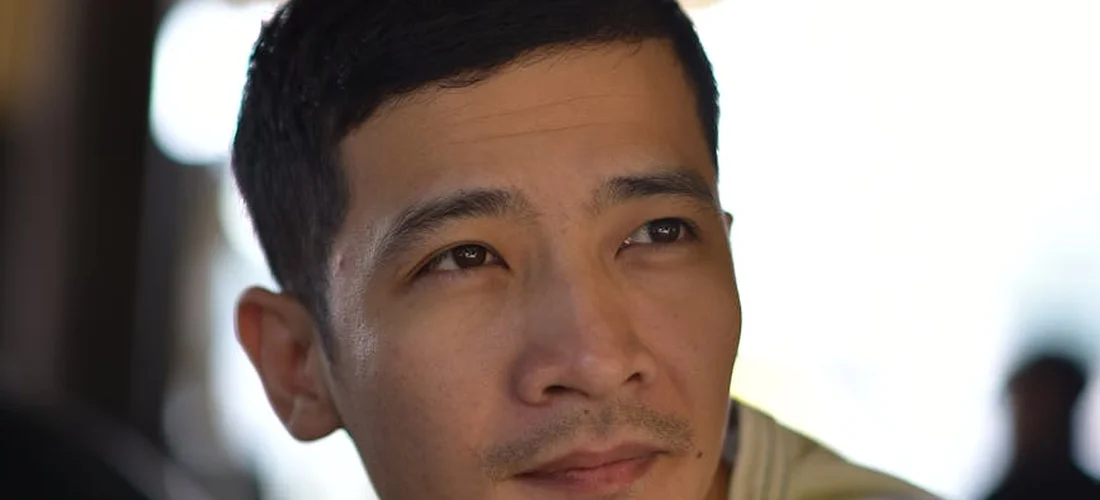
A dark, clean pair of trousers and a collared shirt form the foundation of respectful casual attire. This combination shows thought and care, which is what truly matters to a grieving family.
Look for fabrics that feel somber and neat. Dark chinos, wool blends, or even a clean, dark pair of denim trousers can work well. The goal is to avoid anything that appears overly casual or intended for manual labor, like cargo pants or athletic wear.
Are dress pants and a collared shirt acceptable? Yes, this is an excellent and reliable choice. It sits perfectly between a full suit and casual weekend wear. You are dressing with intention, which is a quiet form of respect.
Can I wear a polo shirt to an informal service? In many cases, yes. A clean, solid-color polo shirt in a subdued tone like navy, charcoal, or forest green is often suitable. Choose one that fits well, without logos or bright patterns. When in doubt, a button-down shirt is always the safer, more traditional option.
Layering adds both comfort and a finished look. A simple, plain sweater over your collared shirt provides warmth and a softer appearance. A smart jacket, like a dark blazer or a neat sports coat, can be worn open for a look that feels complete without being formal.
A Note on Denim: Are Dark Jeans Appropriate?
People often ask if black jeans are acceptable for a funeral. The answer depends entirely on the service and the condition of the jeans.
For a truly casual, informal gathering, pristine dark-wash jeans can be acceptable. I mean jeans that are black or a deep, dark indigo with no rips, fraying, or artificial fading. They should look as formal as denim can possibly look.
If you feel any uncertainty at all, err on the side of traditional trousers. It is a gesture that will never be questioned. If you do choose dark jeans, always pair them with a more formal top-a dress shirt, a neat sweater, or a blazer-and clean, polished footwear. This balance shows you have made a considered choice.
It is worth mentioning that black leather pants, while dark in color, carry a specific aesthetic that is generally not appropriate for a funeral setting. The focus should remain on quiet respect, not personal style statements, unlike traditional funeral attire which is meant to be understated and respectful.
What Should Women Wear to a Casual Funeral If Not a Dress?
If a traditional dress does not suit your comfort or style, you have gentle and respectful options. Start with a foundational outfit of dark trousers or a modest skirt, paired with a simple blouse, tunic, or sweater. Colors like charcoal, deep navy, or black are quiet and kind. They show your care without a word. The fabric might be a soft wool or a calm cotton, something that feels steady against your skin on a day that feels unsteady.
You may ask if a sweater or cardigan is acceptable. A neat cardigan or a fine-knit sweater is perfectly suitable for a casual service. I often suggest a simple design in a solid color. A cashmere blend or a fine cotton can feel like a modest shield, offering a little warmth and composure. Avoid anything with bright patterns or words. The goal is to blend comfort with a quiet formality.
For a comfortable yet elegant choice, consider a jumpsuit in a dark, solid color. A jumpsuit in a muted tone, such as slate gray or forest green, can be a dignified and practical alternative. It moves with you as one piece. I remember a daughter who chose a linen jumpsuit for her mother’s garden memorial. It was simple, it was respectful, and it allowed her to kneel by the flowers without a second thought.
Balancing comfort with the solemnity of the day hinges on fabric choice and fit. Select fabrics that breathe and drape softly, like washed silk or a linen blend, to maintain both ease and decorum. The fit should be forgiving enough to let you sit, stand, or embrace someone without restraint. Clothing that is too tight can feel like a burden. Clothing that is too loose might seem careless. Aim for a middle ground, where what you wear supports you quietly, like a trusted friend standing beside you.
Selecting Suitable Footwear for an Informal Service
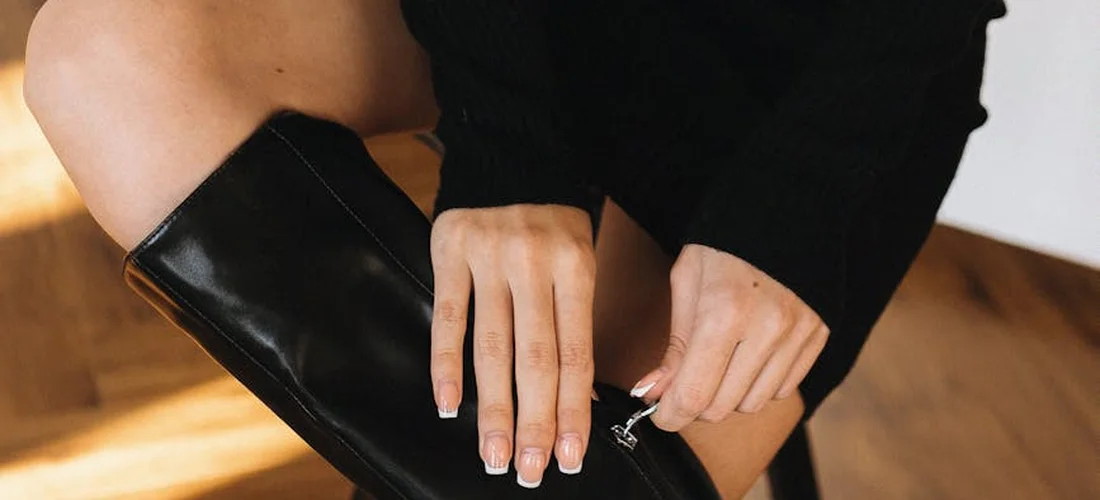
What you wear on your feet matters, perhaps more than you realize. At a funeral, you will stand, you may walk on soft grass or gravel, and you will need to feel steady. Your shoes should not draw attention. They should allow you to move with quiet assurance, to be present without distraction.
Closed-toe shoes are a safe, respectful default that works for nearly everyone. They offer a finished look, even with casual clothing, and provide a layer of formality that feels considered. They protect your feet and suit most settings, whether the gathering is in a backyard, a park, or a small chapel.
Many simple, comfortable options fit this need perfectly. For men and women, clean loafers or leather oxfords in a dark color are an excellent choice. For women, plain ballet flats or low ankle boots work well. Even a pair of simple, dark-colored sneakers, free of bright logos and in pristine condition, can be perfectly appropriate for a truly casual service. The goal is understated neatness.
I advise you to avoid certain types of footwear. Athletic shoes designed for the gym, worn-out sandals, or flip-flops can feel too casual for a moment of collective mourning. Similarly, overly high or precarious heels can be impractical and put you in an awkward position on uncertain ground. Prioritize practicality and stability for the setting; your focus should be on the people around you, not on your discomfort.
Finally, remember that the condition of your shoes speaks volumes. A scuffed, muddy, or worn-down shoe can undermine an otherwise thoughtful outfit. Take a moment to wipe them clean. At an informal service, cleanliness and good condition are often more meaningful than expensive style. It is a small, tangible act of respect, a quiet honoring of the occasion.
Funeral Attire Etiquette: Items and Details to Avoid
When the service is casual, the goal is respectful comfort, not carelessness. Some items can signal distraction or disregard in a setting that calls for quiet presence.
I recommend avoiding clothing typically reserved for other parts of life. Think of the context. You are there to be a supportive witness, not to announce your personal style or recent errand.
- Graphic t-shirts with slogans or images draw attention to the message, not the moment.
- Athletic wear, like sweatpants, gym shorts, or performance jerseys, is for activity, not for mourning.
- Beachwear, including flip-flops, tank tops, or shorts, feels out of place and can seem unprepared.
- Excessively revealing clothing, such as very low necklines or short hemlines, can make others uncomfortable during a vulnerable time.
- Loud logos or bright, flashy patterns can feel jarring in a space meant for calm and reflection.
Accessories matter, too. They should not become a disturbance. Keep jewelry simple and quiet. Avoid pieces that clink or sparkle excessively. An overly casual hat, like a baseball cap worn indoors, can be seen as a barrier. A simple, plain hat for warmth or sun protection is usually fine, especially for a graveside service.
You might wonder about traditional symbols. A full black suit is not for funerals only, but in a casual context, it can feel overly formal and separate. It can make you look like you are attending a different kind of service. A dark blazer with trousers or a simple dress often bridges the gap better.
Similarly, a plain black tie is a very formal funeral symbol. For a casual service, it is often unnecessary. A dark-colored tie, or no tie at all, usually fits the tone more comfortably. The aim is to blend in with supportive solemnity, not to stand out with strict formality. However, when attending a more formal funeral service, it’s best to adhere to traditional dress codes.
A Pro-Tip on Grooming and Final Checks
More than any specific garment, your overall presentation speaks volumes. Neat, clean grooming completes an outfit. It shows you made an effort. It is a quiet sign of respect for the person you are there to remember and for their family.
Before you leave, take a moment for a final mirror check. Look at yourself as another mourner might. Ask one simple question: “Does this look respectfully put-together?” If the answer is yes, you are dressed appropriately. You are ready to go and be present, which is, after all, the most important thing you can wear.
A Final, Gentle Reminder on Presence Over Perfection
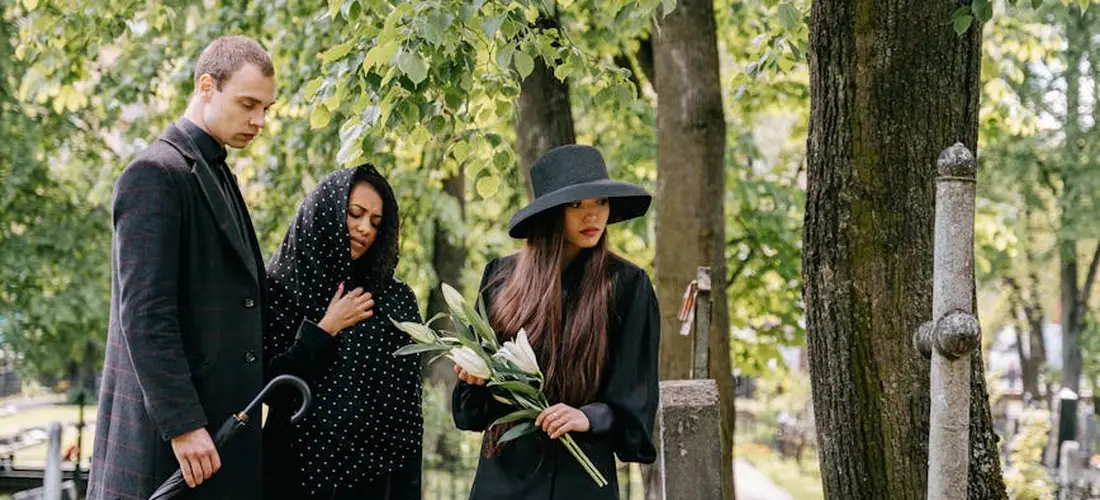
If you find yourself worrying over your choice of clothing, please pause for a moment. I want you to hear this clearly. The grieving family will remember the quiet comfort of your presence long after they have forgotten what you were wearing. In the raw days that follow a loss, the memory that settles is not of a specific outfit but of a familiar face in the crowd, a warm hand on a shoulder, a person who simply showed up.
Be kind to yourself while you make this decision. Grief is heavy enough without the added weight of sartorial anxiety. If you are struggling to choose, pick the clean, comfortable, and respectful option that allows you to focus on why you are there. Your own peace of mind matters. Choosing attire for a funeral is an act of respect, not a test you can fail.
In the end, showing up is the gesture that speaks. You have thought about what to wear. You have considered the family’s wishes and the tone of the service. That thoughtful intent, woven into your choice of a dark polo shirt or a simple sweater, is the truest form of respect you can offer. Your caring presence is the most meaningful attire of all.
Frequently Asked Questions: Casual Funeral Attire
Are dark jeans acceptable for a casual funeral service?
In some informal settings, pristine, dark-wash jeans without rips or fading can be acceptable. It is always safest to pair them with a more formal top, like a collared shirt or neat sweater, to ensure a respectful appearance.
Is a polo shirt an appropriate choice for an informal service?
Yes, a clean, solid-color polo shirt in a subdued tone like navy or charcoal is often suitable. Choose one that fits well and is free of large logos to maintain a quiet, respectful look.
What colors should I choose for an informal funeral?
Opt for quiet, grounded colors like navy, charcoal, dark grey, or deep earthy tones. While black is traditional, these softer dark or muted colors are equally respectful and appropriate for a casual gathering.
Parting Reflections on Casual Funeral Attire
The most important advice is to let respect and comfort guide your clothing choices for an informal service. Choose neat, subdued outfits that feel personal and appropriate, allowing you to focus on remembrance. Consider consulting our funeral viewing attire guide for practical examples. It covers color, fabric, and fit to balance solemnity with comfort.
As you engage with Funeral Care, consider dignified and eco-friendly practices that support thoughtful mourning. I invite you to continue exploring Funeral Needs and Funeral Questions, finding reassurance in each informed decision.
Emiliana Dieter
Emiliana is an author at The Valedictory. She is an experienced funeral care advisor and arranged and organized many funerals as part of her end of life consulting services. She has over 8+ years in the funeral industry managing her family funeral business and helping families cope with the loss of their loved ones. Her articles answer any and all questions you might have regarding funeral arrangements, costs, preparations, etc so you can make this a seamless experience.