A Compassionate Guide to Cremation Processes, Equipment, Ceremonies, and Roles
Considering cremation can bring up many practical questions, especially when you are mourning or making arrangements. I want to offer you a clear, gentle path through these details.
Here, I will walk you through the essential elements: the various cremation processes, the specialized equipment involved, the meaningful ceremonies you can choose, and the caring professional roles that guide you.
Key Takeaways for a Gentle Understanding
In my years of guiding families, I have seen that cremation is often misunderstood. It is not merely a process, but a gentle transformation. This perspective can bring comfort during a difficult time.
Think of cremation as a respectful transition, a way to care for the physical form with dignity as it returns to its basic elements.
The two main types of cremation are flame-based and water-based. Flame-based uses a specialized chamber and intense heat. Water-based, known as alkaline hydrolysis, uses a warm water and alkali solution. Both methods are performed with great care.
You have a choice between these two respectful methods, each offering a different path for final care.
I want to reassure you that any ceremony is completely up to your family. You might choose a viewing before, a memorial service after, or a simple gathering at home. There is no single correct way.
The ceremonies you hold are entirely customizable, allowing you to honor your loved one in a way that feels authentic and healing.
Throughout this journey, you are not alone. Compassionate professionals, from funeral directors to crematory operators, guide each step. Their role is to handle the practical details with precision so you can focus on remembrance.
These caring individuals are dedicated to providing guidance and ensuring every action is taken with the utmost respect for your loved one.
Understanding Cremation: A Compassionate Overview
Cremation is a method of final disposition. In simple terms, it is the careful reduction of the body to bone fragments using heat or chemical action. Many families choose it for personal, financial, or environmental reasons. Understanding how cremation methods work can help families compare options and make informed decisions about what best fits their values and circumstances.
Cremation is a dignified and common choice for caring for a loved one’s physical remains after death, especially when considering the process involved in body cremation.
You might wonder, “How is a cremation performed?” The body is placed in a cremation chamber or vessel. For flame cremation, this is a refractory-lined furnace. For water cremation, it is a pressurized stainless-steel unit. The process is quiet, controlled, and always conducted following strict identification protocols.
Every cremation is performed in a dedicated facility by trained staff who adhere to rigorous procedures for safety, identity verification, and respect.
It helps to remember that cremation is separate from a funeral ceremony. A funeral is a service to honor the person’s life. Cremation is what happens to the physical body afterward. You can have one without the other, or both, in any order that brings you peace.
The ceremony and the cremation are two distinct aspects of farewell; choosing cremation does not limit how you celebrate a life.
The Available Paths: How Many Types of Cremation Are There?
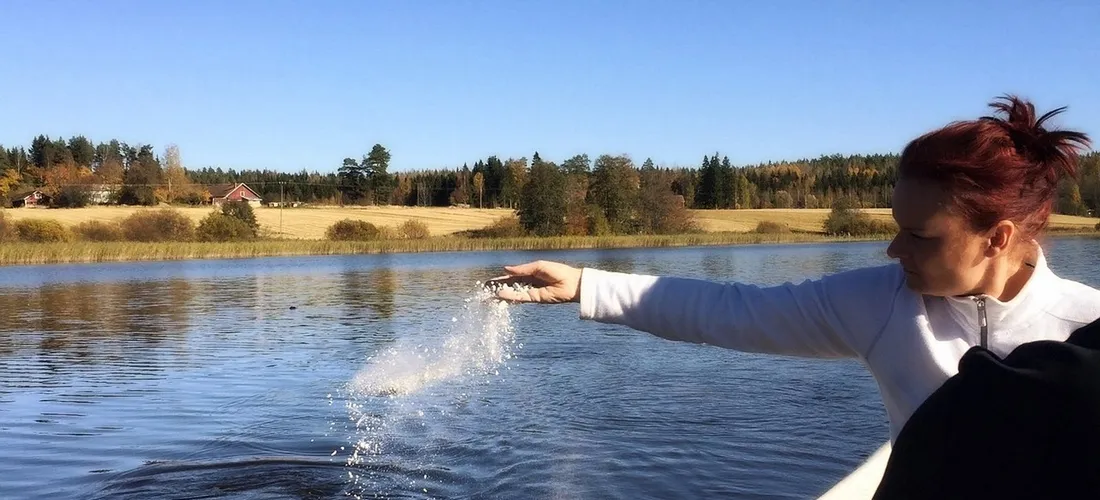
Families today often have more than one choice for cremation. The two main methods are traditional flame cremation and aquamation, which is a water-based process. Some areas may offer newer, green alternatives, but these are less common.
I find it helps to understand each path clearly. Knowing the options allows you to make a decision that honors your loved one with intention and care.
- Traditional flame cremation is the most common method, using high heat in a specialized chamber. It is a process many people are familiar with from films or stories.
- Aquamation, also called alkaline hydrolysis, is a gentle alternative that uses water and alkali. It feels more like a quiet dissolution than a fiery transformation.
- Emerging methods, like bio-cremation or other eco-techniques, are slowly becoming available. Always ask your funeral director what is offered in your local community.
When looking at these methods, consider both their environmental footprint and how they work. Flame cremation relies on fossil fuels and emits carbon dioxide. Aquamation uses water and electricity, often resulting in a lower carbon impact. The procedures also differ in duration and the texture of the ashes returned to you.
What is Traditional Flame Cremation?
Traditional flame cremation involves placing the body in a combustible container inside a cremation chamber, often called a retort. The chamber is heated to between 1400 and 1800 degrees Fahrenheit using natural gas or propane.
The process takes about two to three hours. What remains are dry bone fragments, which are then carefully processed into a finer, granular ash. The result is the familiar cremated remains placed in an urn, which can feel solid and permanent for many families.
What is Aquamation or Water Cremation?
Aquamation uses a stainless-steel vessel filled with a solution of water and potassium hydroxide. The solution is heated and gently circulated, accelerating natural alkaline hydrolysis.
This water-based process takes longer, typically six to eight hours, but operates at a much lower temperature than flame. It leaves behind only the bone mineral, which becomes a very soft, white powder. Many describe the ashes as feeling like talc, which can be a comforting difference.
The Equipment and Process: How Do Cremation Ovens Work?
At the heart of a crematory is the cremation chamber, which professionals often call a retort. Picture it as a solemn, insulated space lined with special bricks that can endure extreme temperatures. This chamber is designed not as a furnace, but as a place of transformation, operating with quiet dignity.
The process follows a careful sequence from start to finish. Every step is handled with precision to honor the person who has died.
- Identification is confirmed and reconfirmed. A metal identification tag accompanies the container throughout the entire journey.
- The prepared body, usually in a simple combustible container, is moved into the preheated chamber. The door seals shut.
- Inside, powerful gas jets or electric elements create intense, radiant heat. This heat is carefully controlled to ensure a complete and respectful process.
- After several hours, the natural elements are reduced to bone fragments. The chamber then begins a slow, automatic cool-down cycle.
- Once cooled, the operator carefully sweeps all remains from the chamber floor. The identification tag remains with them.
- These fragments are then processed into a finer, uniform consistency, resulting in what we commonly call ashes.
Supporting this chamber is vital equipment that protects both people and the environment. Modern retorts are connected to sophisticated emission control systems, like mercury filters or afterburners. These devices clean the exhaust, removing particulates and ensuring the air remains safe. It is a silent commitment to care that extends beyond the chamber walls.
So, how do cremation ovens work? They function through the application of direct, regulated heat within a sealed, refractory chamber. I have always been mindful that behind the mechanics is a human story. The equipment is operated by skilled professionals who monitor every stage, ensuring the process is conducted with the utmost reverence and care. It is a blend of science, ceremony, and silent respect.
Honoring a Life: Do Cremations Have Funerals?
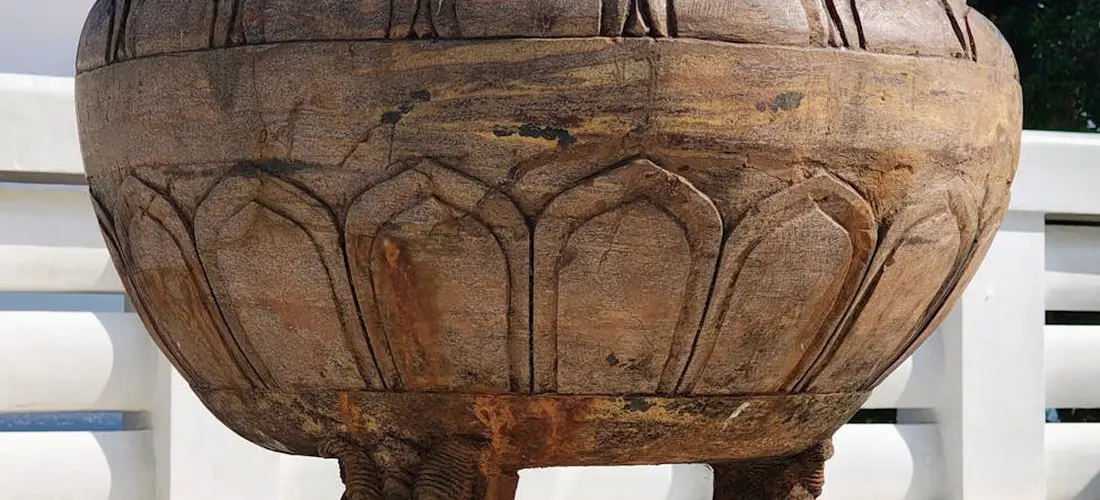
Many people ask this question. The short answer is yes, absolutely. A cremation is a method of final care, but it does not replace a ceremony. The chance to say goodbye and share stories is separate, and it holds great meaning.
It helps to understand three key terms. Disposition refers to the physical handling of the body, such as burial or cremation. A funeral is a service held with the body present, often before cremation. A memorial service is held without the body, which can be before or after the cremation has taken place.
Common Ceremony Options
You have several paths to choose from. Each one is a valid way to honor a life.
- A Traditional Funeral Followed by Cremation: This includes a viewing or visitation, a formal service, and then the cremation. It allows for the physical presence of the person who has died, which can be an important part of saying goodbye for many families.
- A Memorial Service After Cremation: The cremation happens first. Later, family and friends gather for a service. The urn may be present. This allows more time to plan a personalized gathering at a favorite park, home, or community hall.
- Direct Cremation: This is the cremation without any immediate service. It is simple and often the most affordable option. Choosing direct cremation does not mean you cannot have a gathering later. Many families hold a private scattering or a celebration of life months afterward, when they feel ready.
Quick Snapshot: Cremation Service and Ceremony Options
| Service Type | Typical Flow | Considerations |
|---|---|---|
| Traditional Funeral with Cremation | Viewing → Funeral Service → Cremation | Allows for a final viewing. Includes formal elements like a hearse, pallbearers, and a service at a funeral home or place of worship. |
| Memorial Service | Cremation → Memorial Gathering (with or without urn) | Offers flexibility in timing and location. The focus is entirely on sharing memories, often in a less formal setting. |
| Direct Cremation | Cremation without a preceding service | A streamlined, private process. Families are free to create their own tribute later, on their own terms. |
Costs for these options vary widely by location and the specific choices you make. A direct cremation is generally the most economical. A traditional funeral service before cremation involves more staff time, facilities, and vehicles, which increases the cost. A memorial service cost depends on the venue, food, and other personal touches you select.
The most meaningful choice is the one that brings your family peace and reflects the life that was lived. There is no single right way. Your need for closure, your budget, and your personal beliefs are all valid guides. I have seen beautiful goodbyes in all these forms, each one filled with its own quiet dignity.
The Guiding Hands: Key Professional Roles in Cremation
In my years of service, I have seen how a dedicated team brings order and compassion to the cremation process. Each person has a specific role, and together they form a circle of support around you.
The funeral director acts as your primary planner and guide. They manage the details, from securing permits to coordinating the ceremony, so you can grieve without added stress. Think of them as a steady navigator, charting a course through administrative and emotional waters with calm expertise. Their responsibilities cover all aspects of the funeral planning.
Other professionals offer vital support along the way. A celebrant helps shape a service that truly reflects a person’s spirit. An embalmer performs their work with quiet respect, if you wish for a final viewing. Attendants are the quiet presence in the background, ensuring every moment unfolds with dignity.
What Does a Crematory Operator Do?
A crematory operator is the person who cares for the physical process of cremation. They are trained to operate the specialized equipment with exacting standards and profound reverence. This role blends technical skill with a deep sense of duty, treating each step as a sacred trust. I have always admired their focused calm, the careful attention they give to ensuring everything is done correctly and honorably.
Their day involves preparing the cremation chamber, verifying all documentation, and overseeing the entire procedure from start to finish. They handle the remains afterward with gentle precision, preparing the ashes for return to the family. It is work that demands both a steady hand and a compassionate heart.
When to Call a Funeral Director
Reach out to a funeral director as soon as you are able after a death occurs. They are equipped to help from that very first, difficult moment. Making that call is not an admission of helplessness, but a step toward receiving guided support.
Here are specific times when their guidance is essential:
- When a death happens at home or outside a hospital.
- If you are unsure about the required legal paperwork and permits.
- When you begin considering cremation and want to understand your options.
- If you wish to plan any kind of ceremony, whether before or after the cremation.
Do not worry about having all the answers. A good funeral director will listen to your needs and help you find a path forward. Their early involvement can lift a heavy weight, allowing you space to breathe and remember. Understanding their responsibilities and the challenges they navigate can provide reassurance. This awareness can help you move through the process with more confidence.
Navigating Your Choices: A Practical Next Steps Guide
Making these decisions can feel heavy. I often suggest starting with a quiet conversation among those closest.
Begin by gently exploring a few questions together. There are no wrong answers here, only what feels right for your family.
- What does a respectful goodbye look like for us? It might be a full service or a simple gathering.
- Should we have a time for viewing or visitation before the cremation takes place?
- How do we wish to honor the cremated remains? Consider keeping, scattering, or placing them in a niche.
- Are there specific readings, music, or personal stories we want to include?
- What amount feels manageable for us to spend? It is alright to have a limit.
Starting a conversation with a funeral home is easier when you go with your reflections in hand. You can simply say, “We are considering cremation and would like to understand our options.” A good funeral director will listen first. They will ask about your wishes and explain the process in clear, patient terms.
I always advise people to visit more than one home if they can. The atmosphere of the building, the tone of the director’s voice, these things matter. Bring a list of your family’s questions. A compassionate professional will welcome them.
Your own needs for time, ritual, and budget are the most important guide. Grief does not follow a schedule. Some families need days to decide, others find clarity more quickly. A ritual can be the soft light of candles at home or a formal ceremony in a chapel. Honor what brings you peace, not what you think is expected.
Be gentle with yourself about cost. Tell the funeral director what you hope for and what you can afford. They can often suggest beautiful, simpler alternatives that carry just as much meaning.
Please remember, you do not have to walk this path alone. From the funeral staff to grief counselors and support groups, help is available. Leaning on others is not a weakness. It is a step toward healing.
Compassionate Answers to Common Questions
What are the key differences between the main types of cremation?
The two primary methods are traditional flame cremation and water-based aquamation. The core difference lies in the element used for transformation: intense, dry heat versus a gentle, water-based alkaline solution, both performed with great care.
How is dignity and safety maintained by the equipment used?
Specialized chambers, or retorts, are engineered to perform their function with solemn precision and are paired with advanced emission controls. This dedicated equipment allows operators to conduct the process safely while upholding the deepest respect for your loved one.
Can we personalize a ceremony if we choose cremation?
Absolutely. Cremation provides flexibility, allowing you to design a tribute that truly reflects a life. You might hold a traditional service before, a personalized memorial after, or a simple gathering at a meaningful place—the choice is yours to make.
How does a funeral director personally assist our family through this process?
A funeral director serves as your compassionate guide, managing all logistical and legal details with clarity. Their primary role is to support your family’s wishes, allowing you the space to focus on remembrance and healing during a difficult time.
Parting Reflections on Cremation Choices
The most heartfelt guidance I can share is to let knowledge and personal meaning guide your decisions, ensuring the choices you make bring comfort and honor a life well-lived. By understanding the various processes, equipment, ceremonies, and professional roles, you create a farewell that truly reflects your wishes and values.
In Funeral Care, we carry a profound responsibility for dignified treatment, and selecting an eco-friendly option is a respectful choice that cares for our shared future. I gently encourage you to continue exploring your Funeral Needs and Funeral Questions, as this journey of understanding is a lasting part of the care we owe to those we love.
Emiliana Dieter
Emiliana is an author at The Valedictory. She is an experienced funeral care advisor and arranged and organized many funerals as part of her end of life consulting services. She has over 8+ years in the funeral industry managing her family funeral business and helping families cope with the loss of their loved ones. Her articles answer any and all questions you might have regarding funeral arrangements, costs, preparations, etc so you can make this a seamless experience.