Cremation and Burial: A Compassionate Guide to Funeral Planning Choices
Facing the choice between cremation and burial can feel heavy when your heart is already full of grief.
This guide offers a calm, detailed comparison to bring you clarity. We will explore cost differences, environmental considerations, personal and religious meanings, and the practical steps for each option.
Key Takeaways for a Compassionate Decision
This decision can feel heavy. Let me offer some gentle clarity. Both cremation and burial allow for a dignified farewell.
Your choice is valid and personal. It grows from your family’s values, your faith, and your budget. I have seen both bring peace.
More people are choosing cremation now. If you lean that way, it is a common and accepted path.
The true goal is to honor a life in a way that brings you comfort. A meaningful tribute can take any form.
Quick Snapshot: A Side-by-Side Comparison
When choices swirl, a clear view can steady you. This table is a simple reference point for your planning.
| Service Type | Average Cost Range | Key Features | Long-Term Considerations |
|---|---|---|---|
| Traditional Burial | Often $7,000 to $12,000+ | Includes a casket, cemetery plot, and grave marker. A viewing or visitation service is common. This option provides a permanent physical location for remembrance. | Ongoing plot maintenance fees may apply. It establishes a fixed place for future generations to visit. |
| Traditional Cremation (with service) | Typically $2,000 to $4,000+ | The body is cremated after a funeral or memorial service. Families can still have a viewing. Ashes are returned in an urn for keeping, scattering, or interment. | You decide the final resting place for the ashes. This allows for flexibility in how and where you memorialize your loved one. |
| Direct Cremation | Usually $1,000 to $2,500+ | The simplest form. Cremation occurs shortly after death, without a preceding service. It focuses solely on the dignified care of the body. | This leaves all memorial events for the family to plan separately, later, and often in a more personal setting. |
Please remember, these costs are guides. Your final expenses depend on the specific services and items you select.
Understanding the Core Process and Timeline
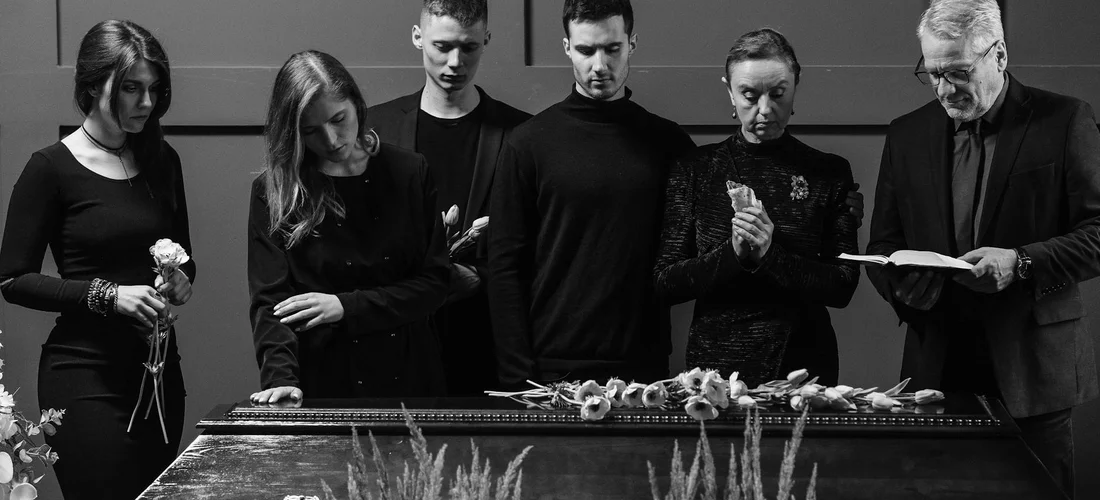
The physical journey differs between burial and cremation. I find it helps to know what to expect, even when the details feel difficult. A concise burial vs. cremation comparison can highlight the main differences. That context helps frame the choices you’ll see in the next steps.
The Physical Journey
Traditional burial involves placing the casketed body in a ground vault or mausoleum crypt. It is a return to the earth, a practice steeped in ritual for many cultures and faiths. The process is one of gentle placement and covering, often witnessed by family and friends as a final act of care.
Cremation uses applied heat and evaporation to reduce the body to bone fragments. These fragments are then processed into a fine, sand-like consistency we call ashes, or more formally, cremated remains. This is a respectful and regulated transformation, conducted with dignity in a specialized chamber.
Comparing the Timeline
From the death to final disposition, the pace of each option varies. A burial typically follows a more immediate and fixed schedule.
It usually occurs within a week, requiring coordination of the funeral service, cemetery workers, and a grave-digging schedule. Everything often converges on a single, set date.
Cremation, by its nature, allows for separation of the physical process from the memorial event. The cremation itself usually happens soon after death, but the service honoring the person can be planned for a later time that suits the family. This can relieve the pressure of planning a major gathering in the first raw days of grief. Families often consider funeral options after cremation, from a private gathering to a traditional memorial ceremony. These choices can align with your timeline and wishes.
Coordinating with a Cemetery
A burial requires working with two primary providers: the funeral home and the cemetery. You must secure a burial plot, which involves choosing a location and often purchasing a grave liner or vault. This necessity can influence the service date, as you are coordinating with the cemetery’s availability for the interment.
Your date may need to fit within their schedule for opening and closing the grave. I have seen this create a need for swift decision-making when emotions are high.
The Flexibility of a Memorial Service
This is where cremation often provides distinct flexibility. Because the cremation is complete, the memorial or celebration of life is not tied to the physical timeline of the body.
Families can wait weeks or even months to hold a service. This allows time for distant relatives to travel, for the weather to change for an outdoor gathering, or simply for the initial shock to soften. You can plan a tribute that truly reflects the person’s life when you are not rushed by logistical demands.
Services and Gatherings Are Your Choice
Please understand this clearly: both burial and cremation can include the same elements of ceremony and closure. The choice between them does not limit your ability to say goodbye in a meaningful way.
- You can have a viewing or visitation with the body present before either a burial or a cremation.
- You can hold a full funeral service with music, readings, and eulogies.
- You can choose a direct burial or direct cremation with no services at all, or plan a separate memorial later.
The form of final disposition is separate from the rituals of mourning and remembrance, which you can design according to your needs and wishes.
What Are the Main Cost Differences Between Cremation and Burial?
Traditional burial involves several distinct expenses. I have helped many families navigate this list, and it often includes the casket, a burial vault, the plot itself, and fees for opening and closing the grave.
- Casket: This is often the most visible cost, with prices varying widely based on material.
- Burial Vault or Liner: Most cemeteries require this outer container to support the earth.
- Plot: The purchase of the land space in a cemetery represents a significant, permanent investment.
- Opening and Closing Fees: These are the charges for the physical labor of preparing and sealing the grave.
- Headstone or Marker: The cost for engraving and installing a memorial adds another layer.
Cremation costs follow a different path. The central fee is for the cremation process itself, which is the use of the crematory.
- Cremation Fee: This covers the actual transformation, often including basic staff time and permits.
- Urn: You will need a container for the ashes, which can be as simple or ornate as you wish.
- Optional Services: This is where costs can align with a burial, if you choose a viewing, ceremony, or rental casket beforehand.
Direct cremation is typically the most affordable choice. It involves the cremation shortly after death, without a public viewing or funeral service first. Within cremation services, direct cremation concentrates on the essentials. This keeps the process straightforward and cost-efficient. By focusing solely on the essential care, it removes many ancillary costs, providing a dignified and simple option.
Discussing money while grieving feels heavy. When you speak with a funeral director, I encourage you to state your budget openly. Ask for a detailed, itemized price list for every service and merchandise. A trustworthy home will explain each charge without pressure, allowing you to make clear choices. This approach is crucial when planning reasonable funeral costs within your budget.
I have sat with families who felt burdened by these numbers. The financial pressure you feel is real, but it does not reflect your loved one’s value. A meaningful farewell is built on remembrance, not on the sum spent. Your care in planning, within your means, is what truly honors a life.
How Do Cremation and Burial Differ for Memorialization?
Choosing a memorial is about choosing a place for love to go. It is about creating a touchstone for your memories. For many, this physical anchor provides a profound comfort in grief.
With burial, the memorial is traditionally fixed to a single, permanent location. The body is laid to rest in a casket within a cemetery plot. A headstone or monument is then placed there, bearing the name and dates.
This creates a specific site for visitation. Families often return on birthdays, anniversaries, or holidays. The gravesite becomes a dedicated, physical destination for reflection and connection.
The Flexibility of Memorializing Cremated Remains
Cremation offers a different kind of flexibility. The cremated remains, often called cremains, can be kept, divided, or placed in various ways. This allows a family to personalize how they hold onto memory.
- An urn can be kept at home, on a mantle or a shelf, offering a daily presence.
- The remains can be buried in a cemetery plot or placed in a columbarium, which is a wall of niches, providing a permanent, visitable site much like a traditional grave.
- They can be scattered in a meaningful location, following local laws and with deep consideration.
- A small portion can even be incorporated into memorial jewelry, glass art, or other keepsakes, allowing loved ones to carry a physical token.
This versatility means you can design a memorial practice that truly reflects the unique life being honored.
A Place to Visit and Remember
A common concern with cremation is the lack of a place to visit. I want to gently correct that notion. You can absolutely establish a permanent memorial location with cremation.
Choosing a columbarium niche or a burial plot for an urn creates a dedicated site. You can place a plaque, leave flowers, and sit quietly in that space. The need for a tangible place to return to is deeply human, and both burial and cremation can fulfill it.
What Feels Most Comforting?
When you think about remembering your loved one, what comes to mind? Do you imagine going to a specific, tranquil place in a garden cemetery? Or does the thought of keeping an urn nearby, or having a shared piece of jewelry, bring more peace?
There is no universal answer. I have sat with families who find immense solace in the routine of visiting a gravesite. I have also worked with others who feel a weight lift knowing the remains are safely home with them. The right choice is the one that feels most comforting and true to your family’s heart.
| Burial | Cremation |
| Memorial is centered on a gravesite with a headstone. | Memorial options range from urns at home to columbarium plaques. |
| Provides a single, permanent physical location for visitation. | Can create a permanent site or allow remains to travel with family. |
| Rituals of care often focus on the cemetery plot. | Rituals can be more varied and personalized over time. |
Environmental and Personal Belief Considerations
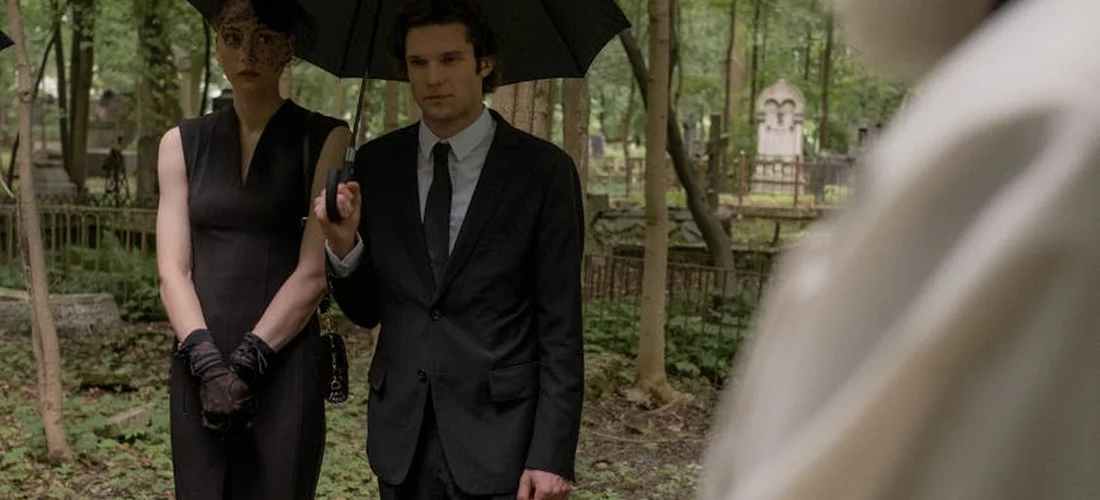
Looking at Environmental Impact
Traditional burial asks for a piece of land, permanently. The embalming fluid, with its sharp chemical scent, settles into the earth over years, unlike burial without embalming where natural processes take place without chemicals.
Burial leaves a physical mark on the world, a quiet claim of space and substance.
Cremation uses intense heat, often from burning natural gas. This process releases carbon dioxide directly into the air we all share.
Choosing cremation often means exchanging land use for an immediate energy cost.
There is another path, called green or natural burial. The body is placed in a shallow grave, wrapped in a simple shroud or a biodegradable casket.
No concrete vaults hold the earth back. No preserving chemicals delay the gentle return to soil.
For a person who practiced ecological stewardship, a green burial can feel like a final, faithful act of care. I have stood in such meadows, and the air feels clean, the silence full of purpose.
Honoring Religious and Cultural Traditions
Some faiths speak clearly on this matter. Orthodox Judaism and Islam require burial, seeing the body as sacred and whole.
Many Hindu families choose cremation, viewing it as a release of the spirit. Your own tradition may have quiet rules you have always lived by.
These teachings are not just rules; they are a compass for grief, pointing toward familiar ground.
If you feel unsure, I encourage you to sit with a spiritual advisor or a family elder. Ask them about the rituals, the words, the expected way.
Their voice can connect you to a thread of practice that runs through your history. This consultation is not a formality, but a way to gather strength from your community.
National trends in funeral choices are just numbers on a page. Your belief is what fills the room where you make this decision.
In the end, the right choice is the one that honors a life and brings a sense of dignity to those left behind. I have learned that peace comes from aligning action with what the heart knows is true.
Navigating the Required Paperwork and Legal Steps
The practical steps after a death can feel overwhelming. You are not expected to know these details. My role is to clarify the process so you can focus on your family.
Some legal documents are required whether you choose burial or cremation. The most important is the official death certificate. This document is issued by a medical professional and filed with the state. You will need multiple certified copies for banks, insurance companies, and government agencies. A funeral home helps you determine how many copies are necessary. For cremation, you may also need a cremation authorization form and any required disposition permits. These cremation-related documents are typically handled through the funeral provider or state authorities.
If cremation is chosen, there is an additional, specific legal step. State law requires a signed cremation authorization form. This form is a direct permission slip, and it is typically signed by the legal next-of-kin or the person with the right to control disposition. The funeral director will present this form to you, explaining its purpose with clarity and care. Being aware of the state cremation laws requirements can help you prepare the necessary documents in advance. In the following steps, state-specific resources will be linked to guide you through these requirements.
Depending on your location, there may be other considerations. Some states mandate a waiting period, often 24 to 48 hours, between the death and the cremation. If a death occurs outside of a hospital, a permit from the local medical examiner or coroner may be required before any arrangements proceed. These rules exist for everyone’s protection.
Please remember, you do not navigate this alone. A trusted funeral director manages this entire process for your family. They know every form, every regulation, and every timeline. Your director will gently guide you through each signature, answering your questions with patience and precision. Their expertise turns a complex administrative task into a series of simple, managed steps.
Alternative Options and Personalizing the Choice
Your decision is not confined to only these two paths. Many families find peace in alternatives that feel more personal or align with different values.
These options often blend respect for tradition with a desire for something more individualized. They can reflect a person’s unique story or their deepest held beliefs.
Green or Natural Burial
This practice returns the body to the earth in the simplest way possible. It forgoes chemical embalming, metal caskets, and concrete vaults.
Instead, the body is placed in a biodegradable shroud or a simple wooden casket. It is buried in a natural setting that becomes protected, green space.
Green burial connects the cycle of life with the environment in a direct, tangible way.
The grave may be marked with a native stone or a newly planted tree, rather than a polished granite monument. This choice often brings a profound sense of simplicity and ecological peace.
The Celebration of Life
Remember that the service and the physical disposition are two separate decisions. A “celebration of life” is an event focused entirely on honoring the person’s story.
It can be held anywhere, from a community hall to a favorite hiking trail. The tone is often more personalized, with music, stories, and shared memories taking center stage.
This kind of gathering can happen weeks or even months after a cremation or burial, removing the pressure of immediate planning.
I have seen families host a potluck dinner with a memory table, or a beach gathering where everyone wrote messages on biodegradable paper to be cast into the waves. The form it takes is as unique as the life being honored.
Blending Traditions Authentically
There is no rulebook that says you must choose one single tradition. The most meaningful services often weave together different threads.
You might choose a direct cremation followed by a traditional memorial mass. A natural burial could be preceded by a vibrant gathering filled with your loved one’s favorite jazz music.
Think about what felt most real to them. Were they a person of quiet faith or boisterous camaraderie? Did they find solace in ritual or in the simplicity of nature?
Your choices should echo the authentic sound of the life that was lived, not just follow an expected script.
This is where planning becomes an act of love. It is about crafting a farewell that truly fits.
Common Questions About Cremation and Burial
What are the religious or cultural considerations for each option?
Many faiths, such as Orthodox Judaism and Islam, require burial, while others, like Hinduism, traditionally practice cremation. It’s important to consult with your spiritual leaders or family elders, as these traditions provide a meaningful framework for honoring a life. Exploring religious perspectives on cremation can help families understand why different faiths choose burial or cremation. This context can guide decisions that honor faith, culture, and personal values.
How do the processes of cremation and burial differ from a logistical standpoint?
Burial typically requires coordinating with both a funeral home and a cemetery for a plot and interment, often on a set timeline. Cremation separates the physical process from memorial events, which can be held at any future date, offering greater scheduling flexibility.
What are the options for memorialization with cremation compared to burial?
Burial creates a permanent memorial at a gravesite with a headstone. Cremation offers versatile options, from keeping an urn at home and placing it in a columbarium to scattering or incorporating remains into keepsake jewelry, allowing for highly personalized remembrance.
Parting Reflections on Cremation and Burial
The most meaningful choice honors your loved one’s spirit and your own capacity for care. It is found not in tradition alone, but in the quiet alignment of your values with the practical realities you face.
I encourage you to seek out dignified care and eco-friendly options as expressions of deep respect. Your continued learning about funeral care, funeral needs, and funeral questions is a gentle, powerful act of love.
Emiliana Dieter
Emiliana is an author at The Valedictory. She is an experienced funeral care advisor and arranged and organized many funerals as part of her end of life consulting services. She has over 8+ years in the funeral industry managing her family funeral business and helping families cope with the loss of their loved ones. Her articles answer any and all questions you might have regarding funeral arrangements, costs, preparations, etc so you can make this a seamless experience.