
What Is the Complete Embalming Process? Steps, Tools, Chemicals, and Embalmer Duties Explained
It is perfectly understandable to feel uncertain about embalming, a process that is often spoken of in hushed tones. This article offers a clear, respectful guide to answer your questions.
The following sections will provide a thorough yet gentle overview of the entire practice. We will walk through each step from preparation to final care, explain the specialized tools used, detail the purpose of embalming chemicals, and outline the compassionate duties of the embalmer.
Key Takeaways: A Gentle Summary
If you are reading about this, your heart is likely heavy. You might be seeking clarity during a difficult time. Before we walk through the details, here is the heart of the matter.
- Embalming is a careful, step-by-step act of care. It is performed slowly and with great attention.
- The person is treated with the utmost dignity, respect, and gentleness throughout. This work is a quiet service.
- The primary goal is to allow time and create a peaceful appearance for meaningful farewells. It can offer a chance to say goodbye.
- This work is done by licensed professionals, known as embalmers or funeral directors, who combine precise skill with deep compassion. They are trained for this sacred task.
Think of this section as a quiet moment. It is for anyone who needs to understand the essence before considering the specifics.
What Is Embalming, and Why Is It Chosen?
In simple terms, embalming is a process that gently slows the natural changes that begin after death. It uses special fluids to preserve and sanitize the body. This allows families time. Time to gather, to plan a service, and to hold a visitation if they wish.
Families choose this path for various personal reasons. Many find value in the tradition of a public visitation or viewing, where friends and community can offer their respects in person. The process helps create a familiar, restful appearance, which can be a source of comfort. Others may need extended time before a burial or cremation, perhaps to wait for distant family to travel. It is also required or strongly recommended when transporting a person over a long distance, such as on an airplane or across state lines.
I want to be clear about one thing. With very rare exceptions, embalming is almost never a legal requirement. It is a personal choice, one you make based on your family’s needs, traditions, and wishes. Some choose it, and some do not. Both paths are valid. A compassionate funeral director will explain your options without pressure, helping you decide what feels right for your situation. If you’re leaning toward burial without embalming, there are natural, respectful options that honor that preference. Your arrangements can reflect your values while staying simple and meaningful.
How a Body Is Embalmed: The Step-by-Step Process
How are bodies embalmed today? The process is a careful series of steps performed with skill and reverence. It is not a rushed act, but a methodical application of science in service of care. This preservation supports a dignified viewing for family and friends during services. Here is a detailed walkthrough of the professional procedure.
Step 1: Preparation and Reverent Cleansing
Everything begins with preparation. The room is quiet, clean, and organized. All necessary supplies are gathered and arranged. The first duty is one of fundamental care: gently washing the body with warm water and a disinfectant soap. This is done with the same respect one would show a living person. The skin is cleansed of any lingering hospital substances or traces of life’s final moments. The hair may be washed. This initial washing is an act of purification, setting a tone of dignity for the work ahead. Afterward, the body is carefully positioned on the table, supported to allow for the procedure.
Step 2: Setting the Features
Before preservation begins, the focus turns to creating a peaceful, restful appearance. This answers part of how are dead bodies embalmed with dignity. The eyes are closed, sometimes with small, temporary caps or a touch of adhesive. The mouth is gently closed and set. A skilled embalmer might use a suture inside the mouth or a feature-setting device that supports the jaw. This delicate work is akin to a sculptor’s careful touch, aiming not to change the person, but to return their expression to one of quiet repose. It is a subtle art that requires patience and a good eye. In a funeral context, the gentle touch of an embalmed body helps families begin their farewell. Such careful handling is a quiet part of the ceremony.
Step 3: Arterial Embalming: The Primary Preservation
This is the core of how are people embalmed. The goal is to introduce a preservative fluid into the entire circulatory system, reaching every tissue. The embalmer carefully locates a suitable artery, often the carotid in the neck or the femoral in the leg. A small incision is made, the vessel is raised, and a tube from the embalming machine is connected. The machine, with its gentle pump, begins to push the preservative solution into the artery. As the fluid flows in, it displaces the blood, which is simultaneously drained from a nearby vein and respectfully disposed of according to strict regulations. The process continues until the fluid has fully perfused the tissues, which the embalmer monitors by the color and firmness of the skin.
Step 4: Cavity Embalming: Internal Care
While arterial embalming cares for the circulatory system, the organs in the chest and abdomen need separate attention. A long, hollow instrument called a trocar is used. It is inserted through a small incision, usually near the navel. Using an aspirator (a suction device), the embalmer removes any gases and fluids from the chest and abdominal cavities. This is the aspiration phase. Next, a stronger, concentrated preservative fluid is injected through the trocar to treat the internal organs. This entire procedure is often called a/v plug embalming-aspiration followed by injection, with a small plastic plug left to seal the incision point. Cavity embalming ensures comprehensive internal preservation, crucial for viewings and public health safety.
Step 5: The Final Touches: Washing, Dressing, and Cosmetics
With preservation complete, the focus returns to presentation. The body is given a final, thorough wash with disinfectant and carefully dried. This drying is a key part of the embalming process, preventing moisture from affecting the skin’s appearance. The body is then dressed in clothing chosen by the family or selected with thoughtful care by the funeral home staff. Finally, if the family wishes, cosmetics are applied. This is not about making the person look alive, but about restoring a natural color tone and minimizing any visual signs of their illness or passing. The aim is a familiar, peaceful appearance that brings comfort to those who come to say goodbye.
The Tools of Care: What an Embalmer Uses
People often wonder, what tools are used in embalming? They are not mysterious or frightening, but instruments of precision. Each one has a specific purpose in this work of care.
Personal Hand Instruments
These are the embalmer’s most intimate tools, held in the hand for detailed work.
- Scalpels and scissors for making the small, precise incisions needed to access vessels.
- Forceps and hemostats for grasping and holding tissues or vessels gently.
- Suture needles and thread for closing incisions neatly.
- Feature-setting devices, which can include eye caps, mouth formers, and injectors for setting the lips.
The Embalming Machine
This is the central device for arterial embalming. It consists of a tank for the preservative fluid, a pump to create gentle pressure, and gauges to monitor the flow. The machine allows for precise control over the pressure and rate of fluid delivery, which is adjusted for each individual’s unique condition. Many modern machines also have a built-in aspirator for the cavity work.
Other Essential Equipment
- The Trocar: The stainless steel tube used for aspiration and injection during cavity embalming.
- Mortuary Tables: These are adjustable, sloping tables with a central drain, designed specifically for this work.
- Personal Protective Equipment (PPE): Gloves, fluid-resistant gowns, goggles, and face shields. Using PPE is a non-negotiable standard of professional safety, protecting the embalmer while they work.
The Chemistry of Preservation: Understanding Embalming Fluids
What chemicals are used in embalming? Modern embalming fluids are sophisticated blends designed for effective, stable preservation and restoration.
Primary Preservative: Formaldehyde-Based Solutions
Formaldehyde is the primary active agent. It works by creating strong cross-links with proteins in the body’s cells, which halts decomposition and firms the tissues. Pure formaldehyde is a gas; for embalming, it is mixed with water and other chemicals to create a stable, usable solution called arterial fluid. This concentrate is then diluted with water at the time of use, with the strength adjusted based on many factors.
Supplemental and Specialized Chemicals
Arterial fluid is just the base. Other chemicals are added to achieve specific goals.
- Humectants: These chemicals help the tissues retain some moisture, preventing an overly dry or leathery appearance.
- Dyes: Often a pink or red tone, these restore a lifelike color to the skin, counteracting pallor.
- Disinfectants and Germicides: Added to further ensure sanitization.
- Pre-Injection Fluids: Used before the main fluid to prepare and clear the vascular system.
- Cavity Fluids: Much stronger concentrates used for the direct treatment of internal organs during the cavity embalming step.
A Day in the Life of an Embalmer: Duties and Demands
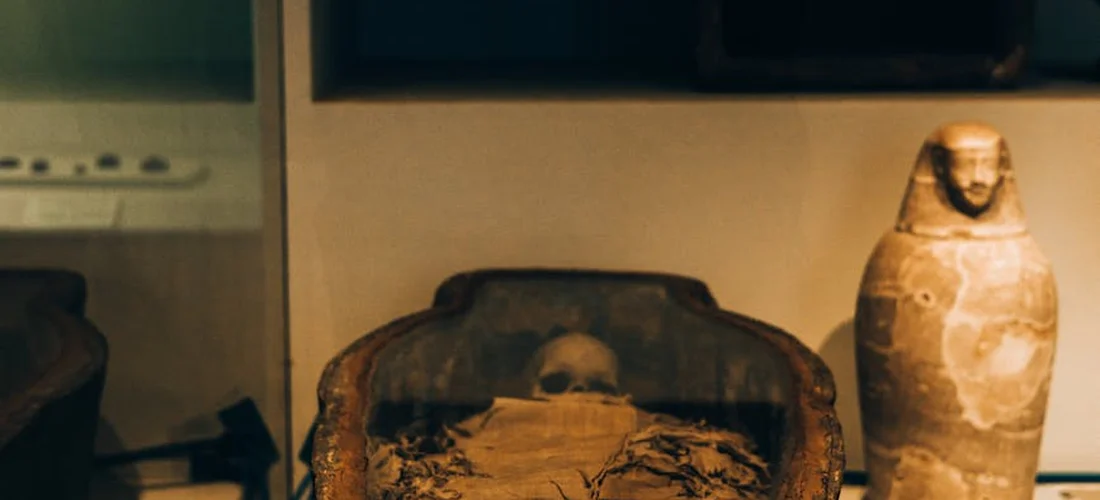
A day in the life of an embalmer is varied. It blends quiet, focused technical work with careful communication and preparation. Their duties extend far beyond the procedure itself.
Duties Before Embalming: Consultation and Care
Long before any chemical is mixed, there are essential duties prior to embalming.
- Receiving and verifying the family’s signed authorization for embalming.
- Reviewing the deceased’s medical and personal history, which is crucial for planning the procedure.
- Overseeing or performing the careful, dignified transportation of the deceased to the preparation room.
- Completing all required legal documentation, such as the death certificate.
Duties During the Embalming Process
This is the heart of their technical skill. The duty is to perform each step described earlier with unwavering precision and a reverent attitude. Do embalmers work alone? Often they do, as the work requires deep concentration. They may work with an assistant for positioning or in a team setting at a larger firm, but the hands-on technical work is typically a solitary, focused practice.
Duties After Embalming: Presentation and Partnership
When the embalming is complete, the work shifts to partnership and presentation.
- Final dressing and careful placement of the body in the casket.
- Communicating with the funeral director and any cosmetologist about the final appearance to ensure it aligns with the family’s wishes.
- Meticulously cleaning and sanitizing every surface, instrument, and piece of equipment in the preparation room. This leaves the space immaculate for the next person.
The Profession: Demand and Calling
Are embalmers in high demand? It is a stable, steady profession. Death is a constant, and the need for skilled, licensed individuals to provide this care is consistent. The true demand is for people who possess the unique blend this calling requires: the steady hand of a scientist, the attentive eye of an artist, and the quiet heart of a caregiver.
When to Call a Funeral Director: Professional Guidance
Embalming is a licensed, regulated activity. It must only be performed by a trained professional in a properly equipped facility. You should call a funeral director in these specific situations:
- When a death occurs at home and you are unsure of the next steps.
- When you know that embalming and a public viewing are desired.
- If the body needs to be transported across state or national lines, as this almost always requires embalming.
- For any and all legal documentation and filing related to the death.
A funeral director is your guide through all these complex, necessary procedures, ensuring everything is handled with legality, dignity, and care. Understanding funeral director legal requirements helps ensure compliance with licensing, ethics, and regulatory standards. We’ll outline reliable resources on these requirements in the next steps.
A Personal Perspective: The Heart of the Work
In my years, I have learned that the focus is never on the process alone. The chemicals, the machines, the steps-they are just the method. The true purpose is the person on the table and the family waiting in the other room, hoping for a chance to say a peaceful goodbye. You remember this when you are adjusting a collar to lie just right, or fixing a strand of hair exactly as a daughter described it. In those quiet moments, you are not an embalmer following a procedure. You are a bridge. You are helping to mend, in a small way, the torn fabric of a family’s world by presenting their loved one with dignity. That is the heart of it. This work, at its best, is an act of love performed through the hands of science.
The Tools of Care: What an Embalmer Uses
People often ask me, “What tools are used in embalming?” It is a natural question. The answer reflects the heart of the work. These are not just instruments. They are extensions of care. Each one is chosen and handled with a singular goal: to carry out a physical process with precision so that a family can have a peaceful final moment with someone they love.
Personal Hand Instruments
An embalmer’s tray holds a small collection of familiar, finely made tools. Each has a specific and gentle purpose.
- Scalpels are used to make the small, careful incisions needed to access blood vessels. Their sharpness ensures a clean, minimal approach.
- Forceps are slender clamps. They hold delicate tissues or vessels steady with a light touch, allowing for accurate work.
- Scissors, both blunt and sharp, are for trimming and preparing. They help tidy sutures or trim hair with respect.
- Suture needles and thread are for closing. The stitches are small and neat, placed with the same care one would use on a living person.
- Feature-setting devices might include a small curved instrument called an eye cap inserter to help close the eyelids, or mouth formers to support the lips in a natural position. Their purpose is simple: to restore the quiet, restful expression families remember.
The Embalming Machine
This is the central device in the preparation room. It is a quiet, purposeful machine. Think of it as a specialized pump. It gently pressurizes the embalming fluid, a preservative and disinfectant solution, and delivers it through tubing to the embalmer’s hand. The machine allows for precise control over the flow and pressure of the fluid, which is the foundation of the entire restorative process. This control is what allows the embalmer to work methodically and thoroughly, ensuring the fluid reaches all the necessary tissues.
Other Essential Equipment
Beyond the core instruments, a few other pieces of equipment are vital to the process.
- The aspirator is often part of the embalming machine. It is a suction device used during cavity embalming. After the main vascular work is complete, it gently removes fluids and gases from the chest and abdominal cavities.
- The trocar is a long, slender, pointed tube attached to the aspirator. It is used with great care to perform the cavity work, ensuring thorough preservation.
- Mortuary tables are designed with sloping sides and channels. They are built for dignity and practicality, allowing the embalmer to work efficiently while maintaining a clean and orderly environment.
You will also always see personal protective equipment (PPE) like gloves, gowns, and goggles. This is a non-negotiable standard. It protects the embalmer’s health and represents a professional commitment to safety and sanitation in every aspect of care.
The Chemistry of Preservation: Understanding Embalming Fluids
Modern embalming is not a single act, but a careful application of science. The fluids used today are precisely formulated for effective and stable preservation. This creates a temporary state of rest, allowing time for family to gather and say goodbye. A common question we hear is, what chemicals are used in embalming? The answer involves a blend of primary preservatives and supplemental agents, each with a specific role in the process.
Primary Preservative: Formaldehyde-Based Solutions
The core of most embalming fluids is formaldehyde. Think of it not as a harsh chemical, but as a stabilizing agent. Its primary job is to halt cellular breakdown by creating firm, cross-links between proteins. This action stops decomposition and firms the tissues.
You do not use pure formaldehyde. It is always diluted with water, buffers, and other chemicals to create a balanced embalming solution. The embalmer selects a specific strength and formula based on many factors, much like a tailor choosing a particular thread and stitch. This careful dilution makes the process effective and allows for the natural, restful appearance families hope to see.
Supplemental and Specialized Chemicals
Formaldehyde does the foundational work, but other chemicals are needed to care for the whole person. An embalmer’s fluid kit contains several specialized bottles.
Humectants are added to retain moisture and prevent excessive dryness. Dyes, often in rosy or pink tones, are used to restore a natural skin color and counteract pallor. Strong disinfectants are included to ensure sanitation. Each component serves the goal of a peaceful presentation.
There are also fluids for specific tasks. A pre-injection fluid, usually mild and dye-free, is used first to prepare the blood vessels for better distribution of the main solution. Cavity fluids are highly concentrated. After the arterial embalming, these are used internally to treat the organs within the thoracic and abdominal spaces. This combination of general and specialized chemicals allows the embalmer to address the needs of the entire body with respect and precision.
A Day in the Life of an Embalmer: Duties and Demands
When you attend a funeral, you see the quiet result of careful work. Behind the scenes, an embalmer moves through a day defined by skill and stillness. I want to show you what this life is like. It is not just a job it is a practice of respect, performed one gentle step at a time.
Duties Before Embalming: Consultation and Care
My day often begins long before I enter the preparation room. The first duties are all about care and clear communication with the family.
- Receiving authorization. I must have signed permission from the next of kin before I begin. This document is a promise to honor their wishes.
- Reviewing medical and personal history. I read reports and listen to the funeral director. Was there an illness? A specific religious practice? These details guide my hands.
- Careful transportation. Whether from a home or a hospital, moving the deceased is done with slow, deliberate care. The vehicle is clean, the transfer is smooth, and the focus is on dignity.
- Thorough documentation. I note everything the time of arrival, personal effects, any observations. This record keeps the process clear and accountable.
This quiet paperwork and consultation is the foundation of everything that follows, a first act of stewardship for the person in my care.
Duties During the Embalming Process
In the preparation room, my duties become a focused ritual. The air smells clean, of disinfectant and calm. I follow the technical steps I’ve described, but my mindset is different from a surgeon in an operating room. Here, the goal is restoration and peace.
I set the features with my fingertips, feeling for the natural expression. I inject the preservative fluids, watching for the gentle return of color. My entire attention is on the person before me. Precision matters, but so does a reverent attitude every action is performed with the thought that this was someone loved.
People often ask if embalmers work alone. Frequently, we do. The work is solitary, performed in that quiet room. Sometimes, an assistant is there to hand me tools or help with positioning. In larger homes, a small team might share the duties. But alone or accompanied, the responsibility and the respectful silence belong to me.
Duties After Embalming: Presentation and Partnership
My work is not done when the embalming is complete. Now, I help create the final picture the family will see.
I carefully dress the person, maneuvering sleeves and fastening buttons with a patient touch. Then, I lift them into the casket, arranging the lining and pillow so they appear restful. I wheel the casket to the visitation room, checking the lighting and the angle, ensuring a serene setting.
This is where partnership is vital. I speak with the funeral director about the family’s requests. I might consult with a cosmetologist on the subtle use of makeup to soften shadows. Our shared goal is a face that looks familiar and peaceful, giving the family a moment of recognition and comfort.
Finally, I return to the preparation room. I scrub every tool, I wipe every surface, I mop the floor until it shines. This meticulous cleaning is a duty of care, too. It resets the space, making it ready to offer the same dignity to the next person.
The Profession: Demand and Calling
You might wonder if embalmers are in high demand. It is a stable profession. The need is consistent, as death is a part of life, and skilled, licensed individuals are always required to serve their communities. If you’re exploring long-term career options, consider how to become licensed embalmer. The process can open doors to a meaningful, in-demand profession.
But the word “demand” feels too simple. In my years, I have seen that this work calls for a particular kind of person. It requires the scientific understanding of a chemist, the attentive eye of an artist, and the steady compassion of someone who can stand with grief. You learn anatomy and fluid dynamics, but you also learn the weight of silence and the importance of a gentle hand. It is a calling that blends quiet skill with profound human service.
When to Call a Funeral Director: Professional Guidance
Embalming is not a simple task. It is a licensed, regulated activity that must be performed by a trained professional in a properly equipped facility, adhering to embalming requirements and laws.
Thinking about the physical steps or the chemicals involved can feel overwhelming, especially when you are grieving. Your funeral director is your licensed guide, trained to manage every detail with skill and respect, so you do not have to carry that weight alone.
There are specific moments when calling a funeral director is not just helpful, but necessary. You should reach out to them: If you’re unsure who to contact, you can find a funeral home director nearby to guide you through the next steps. They can explain options and what to prepare.
- When a death occurs at home. The funeral director coordinates the dignified and legal removal of the deceased. They handle the necessary interactions with authorities and transport the person to their care facility.
- If embalming is desired for a viewing or visitation. This is their specialized expertise. They assess the situation, discuss your wishes, and perform the procedure following strict health and professional standards to create a peaceful memory for your family.
- For transportation across state or national lines. Airlines and other transport services almost always require professional embalming and specific legal documentation. Your funeral director knows these regulations intimately and prepares everything correctly.
- For any required legal documentation. This includes the death certificate, permits for burial or cremation, and any other paperwork required by your state or locality. Navigating this bureaucracy is a core part of their duty.
In each of these situations, the role of the funeral director is the same. They are your steady guide through complex, necessary steps, allowing you the space to focus on family, memory, and grief. They manage the logistics, honor the legal requirements, and care for the physical needs with a professionalism rooted in compassion. You can lean on their experience.
A Personal Perspective: The Heart of the Work
After years in this profession, I can describe every step, every chemical, and every instrument in precise detail. I have done so in this very article. But when I am in the preparation room, my mind is not on the manual. It is on the person in my care and the family sitting in the quiet room down the hall.
The focus is never on the process alone. It is on the mother, the friend, the spouse that someone is waiting to see one last time. My hands may be performing a technical task, but my intention is to prepare someone for a moment of profound human connection.
This truth reveals itself in the quiet moments after the formal work is done. It is in the final adjustments no textbook lists. I might straighten a collar that has shifted, or gently fix a strand of hair to match a photograph a family provided. These tiny acts of care are where the technical procedure transcends into an act of service. They are about presenting a person, not a project.
The purpose of this careful, chemical-based work is not rooted in science, but in dignity and love. It is about offering a semblance of peace, a familiar face, to those navigating the raw terrain of loss. That is the heart of the work, and it is what guides my hands every single time.
Compassionate Answers to Common Questions
How long does the complete embalming process take?
The process typically takes several hours to complete with care. This time allows the embalmer to work methodically, ensuring dignity and respect at every step.
How do embalming chemicals help create a peaceful appearance?
Specialized fluids preserve and sanitize, while dyes and humectants restore natural skin tone and moisture. This careful combination helps present a familiar, restful visage for family viewings.
What are the key qualities of a compassionate embalmer?
A compassionate embalmer blends precise technical skill with deep empathy and patience. Their steady presence and attention to detail provide comfort and assurance to grieving families.
Parting Reflections on the Embalming Process
The embalmer’s primary duty is to care for your loved one with steady hands and a respectful heart. Knowing the detailed steps and purposes behind this procedure can help you make a choice that brings you peace.
I encourage you to ask about gentle, eco-friendly options as part of planning for dignified Funeral Care. Your attention to these Funeral Needs shows great love, and seeking answers to your Funeral Questions is a compassionate step forward.
Emiliana Dieter
Emiliana is an author at The Valedictory. She is an experienced funeral care advisor and arranged and organized many funerals as part of her end of life consulting services. She has over 8+ years in the funeral industry managing her family funeral business and helping families cope with the loss of their loved ones. Her articles answer any and all questions you might have regarding funeral arrangements, costs, preparations, etc so you can make this a seamless experience.