
Funeral Procession Duration and Scheduling: A Compassionate Guide
Planning a funeral procession involves practical questions about time that can feel heavy during grief. I am here to offer you steady, empathetic guidance on these details.
This article will walk you through what to expect and how to choose thoughtfully.
- The typical length of a funeral procession
- Key factors that influence its duration
- How to select the most respectful time of day for the journey
Key Takeaways: Planning with Compassion and Clarity
When you are planning a final journey, the details can feel heavy. My aim is to offer you clarity, so you can focus on what matters most: honoring a life and finding moments of peace.
The time a procession takes is less important than the peace of mind it provides for those who mourn. Practical planning is an act of care, creating space for grief and remembrance.
- Most funeral processions last between 15 and 45 minutes from the service to the cemetery.
- The best time of day balances lighter traffic with the comfort of mourners, often in the mid-morning hours.
- Your funeral director will manage all timing and logistics, guiding you with experienced hands.
- Cultural traditions, faith, and personal wishes should always shape the schedule.
How Long Do Funeral Processions Typically Last?
In my years of arranging these journeys, I have found most families need a simple, honest answer. The drive itself, from the place of the service to the cemetery or crematorium, typically lasts between 15 and 45 minutes.
This can vary with distance and the pace set by the lead vehicle. A procession across town on quiet roads may take only 10 or 15 minutes. A drive to a family plot in the countryside, moving with solemn care, can last an hour or more.
It is helpful to remember this duration is specifically for the escorted travel. It does not include the funeral service beforehand or the committal service at the graveside. When people ask how long a funeral lasts, they are often thinking of the entire gathering, which is a longer, more encompassing event.
The procession is a distinct part of that day. It is a quiet, shared transition. You feel the slowing of the world as other cars yield, and you follow the gentle pace set by the hearse. This time, though measured in minutes, holds its own sacred space in the ritual of farewell.
What Factors Influence How Long a Procession Takes?
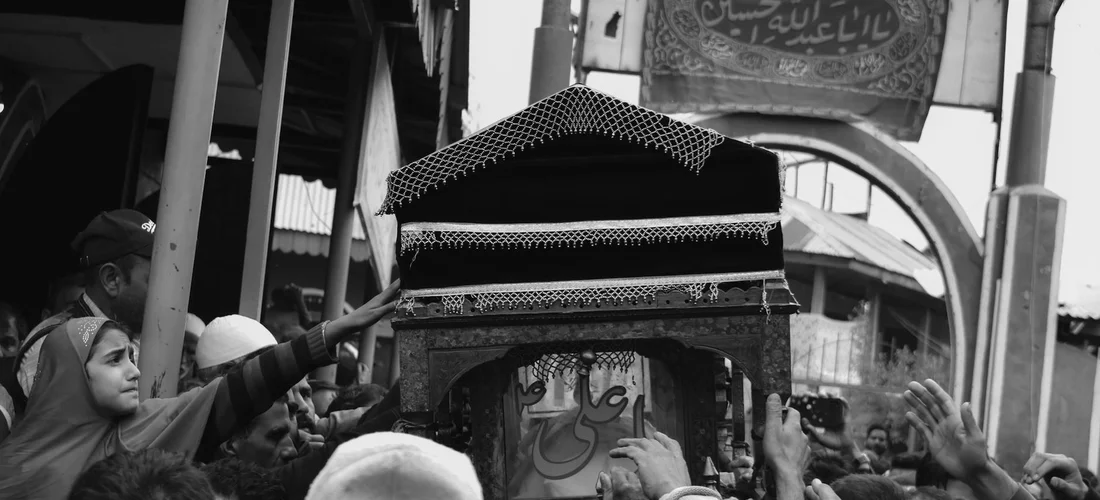
A funeral procession is a final journey, and its pace is never rushed. The total time depends on several practical elements. Knowing what to expect can help you plan a day that feels respectful and manageable. From start to finish, a clear funeral planning timeline helps coordinate services and logistics. Knowing the timeline in advance can ease decisions and reduce last-minute stress.
The distance to the cemetery is the most obvious factor. A short drive across town is one thing, a longer journey to a family plot in the countryside is another. Always add at least 15 to 30 minutes of buffer time to any estimated travel duration for the procession’s respectful, slower pace. The route itself also matters greatly.
City traffic moves differently than country roads. In an urban area, even with a procession, you may encounter congestion and frequent stops. On rural routes, the travel might be smoother but the distance far greater. I have coordinated processions where the peaceful, winding drive through the hills became a meaningful part of the farewell.
Weather quietly alters every plan. A soft rain can make roads slick, requiring everyone to drive more cautiously. Heavy rain, fog, or snow will slow travel significantly for safety. It is wise to discuss a simple weather contingency plan with your funeral director, so no one feels anxious if the day is gray.
The size of the procession influences its flow. A small, intimate group of vehicles can navigate more easily. A very large procession, while a beautiful testament to a life, will naturally take longer to gather, depart, and travel as one entity.
Many families choose a police escort to help the procession stay together through traffic lights. This is a tremendous help in busy areas. An escort allows the procession to move through intersections without breaking apart, preserving its dignity and safety. Be aware that coordinating this with local authorities may add a few minutes at the start.
The procession’s end leads directly into the burial service, which adds its own period of time. The procession time is just the travel; once at the cemetery, the committal service begins. Understanding how long are burial services helps frame the entire timeline for the day. In Catholic practice, funeral service timing follows liturgical norms and parish schedules. This helps coordinate the Mass, readings, and the committal within the day. A graveside service can be a brief 15 minutes of prayers or a longer 30-45 minute gathering with readings and music. Your funeral director will guide you through timing both the journey and the final tribute.
What Is the Best Time of Day to Schedule a Funeral Procession?
Choosing a time feels like one more weight on heavy shoulders. My aim is to simplify this for you, focusing on what brings the most peace and least friction on the day.
First, consider the flow of the world around you. A start time between 9:00 and 10:00 AM, or between 2:00 and 3:00 PM, often avoids the worst of rush hour traffic. This creates a smoother journey for everyone in the procession.
Light matters, especially if you are going to a graveside. The soft, clear light of late morning or early afternoon feels gentle. In winter months, securing a daytime slot is practical, ensuring the service concludes before dusk settles in.
Finally, think of the collective heart in the room. A late morning service, perhaps around 11:00 AM, often strikes a balance. It allows time for a quiet morning preparation yet avoids the emotional drain of a very long, waiting day.
Evaluating Traffic Patterns and Practical Logistics
The rhythm of the city and the countryside are different. Your schedule should quietly acknowledge that.
In an urban setting, the mid-morning window I mentioned is most reliable. The early commuter surge has passed, but the lunchtime crowds have not yet begun. For rural processions that may travel longer distances, an early afternoon start can work well, allowing morning travel for those coming from town.
A direct conversation with the cemetery office is one of the most useful steps you can take. They know their own daily patterns. They can tell you their peak hours for burials and what times offer the most tranquil setting for your family.
Honoring Family and Mourner Needs
Logistics serve people, not the other way around. The best schedule is one that holds space for human needs.
If loved ones are traveling from afar, a start time after 1:00 PM can be a gift. It removes the pressure of a dawn departure, allowing them a morning to breathe and travel with care.
Punctuality on this day is a form of shared respect. Funeral services do typically start on time. Choosing a feasible time for your key mourners helps everyone gather, compose themselves, and be fully present for those first, important moments together.
Understanding Cultural and Religious Timing Norms
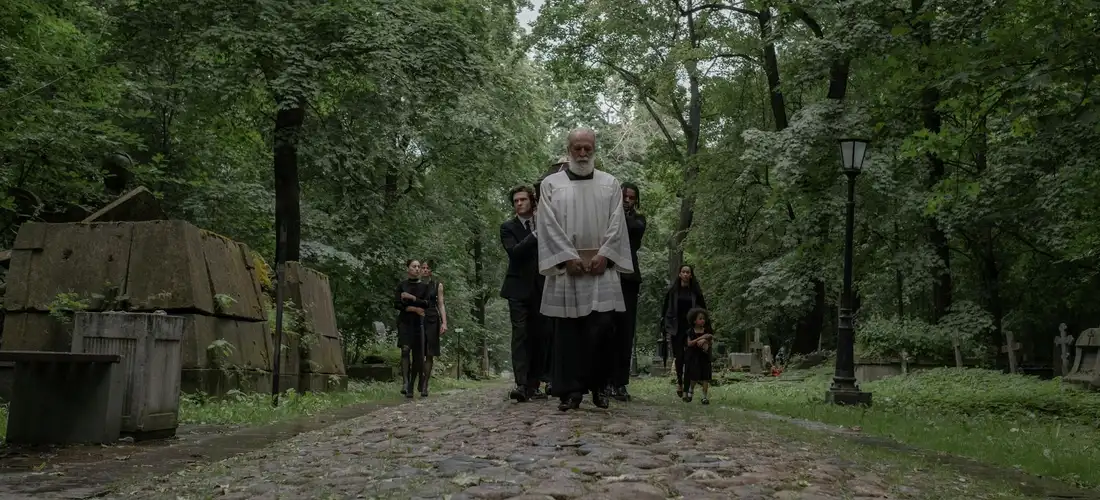
Tradition deeply shapes how long a funeral lasts and when it occurs.
Your cultural or religious background sets a rhythm for the entire day, from the service to the procession. The duration of a funeral procession is often a direct reflection of the ceremonial time that comes before it. These rites and customs—rooted in tradition, faith, or culture—shape the farewell. They connect mourners to shared beliefs and practices that define funeral ceremonies across communities.
In some communities, such as with many African American or Baptist funerals, the service itself can be a lengthy, expressive gathering. These services may include extended musical tributes, multiple eulogies, and a strong sense of communal mourning, which naturally pushes the start time for the procession later into the day. These funeral customs and religious services underscore how the rite becomes a farewell that is both public and sacred. The procession becomes a continuation of a profound and deliberate farewell.
Other faiths prioritize speed with great reverence. In Judaism and Islam, religious law often requires burial within a very short time, sometimes within 24 hours of death. This urgency means the funeral service and subsequent procession are typically scheduled for the morning, creating a compact, focused timeline for the entire rite of passage. Among Jews, this timing is a sacred guideline, shaping the order of rites and the day’s schedule. It also informs practical arrangements so the burial can be performed with solemnity and respect.
Service Lengths Across Different Traditions
Service lengths vary widely, and this variation is a beautiful expression of different values. There is no right or wrong duration; each tradition meets grief in its own honest way.
A Chinese funeral ceremony might unfold over several days, incorporating specific rituals for ancestor respect. A Jewish funeral, in contrast, is usually brief, focusing solemnly on the commitment of the body to the earth. One is not more meaningful than the other. Comparing “how long are Chinese funerals” to “are Jewish funerals long” simply highlights the diverse landscapes of mourning we all navigate. These differences sit within the broader history and cultures of funeral practices. They remind us how communities shape rites of mourning across time.
I always encourage families to lean on their community guides. For the most accurate and respectful schedule, please speak directly with your spiritual leader or cultural elder about the specific ceremonial timeline. They hold the intimate knowledge of your tradition’s pace and cadence.
A Note on Etiquette and Protocol for the Procession
When you join a funeral procession, please turn your vehicle’s headlights on. This soft glow, even in daylight, marks your car as part of a collective act of mourning. Follow the lead vehicle closely and stay in your lane to maintain the procession’s integrity. I’ve found that keeping a steady, compact line prevents confusion and shows unity for the family.
Most other drivers will recognize the procession and yield, often pulling to the side of the road. You might see people pause or bow their heads in respect. The pace is intentionally slow and unhurried, mirroring a respectful walk rather than a drive. This measured speed allows everyone a moment for quiet thought and honors the solemn nature of the journey.
Immediate family, such as spouses or children, usually travel in the vehicles directly behind the hearse. This order provides them with a private space at the front, closest to their loved one. A funeral director typically leads the way in a marked car, coordinating with traffic lights and ensuring no one gets separated. Their role is to manage these details, so you can simply be present.
Personal Perspective: A Moment for What Truly Matters
In my years of arranging these journeys, I have seen how a well-timed procession creates a gentle pause in a chaotic world. It carves out a quiet space on a busy street, a shared moment where grief can breathe and connection feels tangible. I remember one procession where the cars slowed to a crawl past the honoree’s old workshop; the silence in the lead car was heavy, but it was a silence full of memory and love.
That rhythm, unhurried and intentional, allows the reality of loss to settle and gives space for the love that endures to surface.
Here is a simple pro-tip I share with every family: build in a buffer. Add an extra fifteen or twenty minutes to whatever time estimate you are given. This buffer is not for traffic jams, though it helps with those too. It is for the driver who needs to pull over for a quiet moment, for the family friend who arrives breathless at the last second, or for the spontaneous decision to drive past a beloved home one more time.
That buffer transforms a tight schedule into a compassionate container, holding space for the unscripted and emotional moments that truly matter.
We discuss logistics like timing and routes because a plan provides comfort and structure on a difficult day. But I always gently remind families that the schedule exists to serve you, not the other way around. The heart of the day is the act of communal farewell, the collective witness to a life. The clocks and maps are merely tools to help you get there.
Let the practical details support the emotional weight of the day, creating room for you to say goodbye in your own way.
Frequently Asked Questions
What should we do if the procession takes longer than expected?
Please rest assured that your funeral director plans for this and will manage all logistics. They will communicate any adjustments to ensure the committal service proceeds smoothly and respectfully.
Is it better to schedule a procession on a weekday or a weekend?
Weekdays often provide more predictable cemetery availability and timing. Your funeral director can advise on the best choice for your specific location and the needs of traveling mourners, especially when it comes to scheduling funeral services.
How can we help guests prepare for the day’s timing?
Providing a clear, written itinerary with the service start time and expected procession departure is very helpful. Gentle reminders about the procession’s purposefully slow pace can also set respectful expectations.
Parting Reflections on the Final Journey
The heart of planning lies in creating a procession that moves at a respectful pace, scheduled for a time that brings the least stress to your family. This gentle consideration for logistics allows space for grief and remembrance, which is the truest purpose of the day.
Every decision you make, including exploring eco-conscious options, is an act of dignified care within Funeral Care. Exploring eco-friendly memorial options, including green burials, can further honor your values and the Earth. These mindful choices can guide you toward compassionate, sustainable paths in remembrance. I encourage you to continue seeking compassionate answers for your Funeral Needs and Funeral Questions, as this journey of learning is itself a form of respect.
Emiliana Dieter
Emiliana is an author at The Valedictory. She is an experienced funeral care advisor and arranged and organized many funerals as part of her end of life consulting services. She has over 8+ years in the funeral industry managing her family funeral business and helping families cope with the loss of their loved ones. Her articles answer any and all questions you might have regarding funeral arrangements, costs, preparations, etc so you can make this a seamless experience.