
Understanding Funeral Service Schedules: Weekdays, Weekends, and Holidays
Arranging a funeral often begins with the simple, yet poignant question of when to hold the service. I remember how this detail can feel both urgent and delicate.
In this guide, I’ll share insights from my experience to help you plan. Here are the key areas we’ll cover:
- Common weekdays and preferred times for funeral services.
- Scheduling options for weekends, including their practical considerations.
- How holidays and observances can influence funeral timing.
Key Takeaways: A Gentle Guide for Planning
When you are arranging a service, a common and gentle rhythm tends to emerge. Most funeral services are held on weekdays. Tuesday, Wednesday, Thursday, and Friday are the most typical days.
This pattern allows family and friends a practical window to travel and attend, while giving the funeral home staff the necessary time for careful preparations.
A Saturday service is a very common and accessible choice for many families. It can ease the burden on guests who work standard weekday hours, making it easier for a wider community to gather and offer their support.
Sunday services are less frequent, but they are certainly possible. The same is true for major holidays like Christmas or Thanksgiving. Holding a service on these days requires more coordination with clergy, venues, and staff, but a skilled funeral director can help you navigate those conversations.
Your funeral director is your partner in finding a time that honors your loved one while being mindful of your family’s emotional and logistical needs. They will explain the possibilities, from the most common to the less traditional, without pressure. The right time is the one that feels most respectful and manageable for you.
A Note on Etiquette: Navigating Social Expectations
Communicating the service details is an act of care. Be direct and clear in your obituary, emails, or phone calls. State the day, date, time, and location plainly. You might say, “A service to celebrate Jane’s life will be held on Friday, May 10th, at 11 a.m. at St. Mark’s Church.” This clarity removes guesswork for grieving friends.
The day you choose will gently influence who can attend. A weekday service may mean some people cannot leave work or other commitments. Choosing a weekend often allows for greater attendance, but it is perfectly acceptable to choose a quiet weekday service for immediate family only. There is no wrong decision, only the one that fits your wishes.
Whether a service is on a Tuesday morning or a Saturday afternoon, the approach to attire and conduct remains rooted in respect. Dark, modest clothing is still the standard for a traditional funeral, regardless of the time. For a less formal celebration of life held on a holiday, your family might suggest “business casual” or even a specific color. A brief note in the invitation can guide guests kindly, especially when it comes to funeral attire etiquette.
The most important etiquette is presence, not perfection. Guests understand that grief does not follow a schedule. Showing up, whether on a weekend or a Wednesday, is what truly matters.
When to Call a Funeral Director: Professional Guidance

Please call a funeral director as soon as possible after a death has occurred. Do this any time, day or night.
I have taken calls at three in the morning. The clock does not matter. In those first raw hours, having a calm, professional voice guide you is a profound relief. You are not alone.
Reaching out immediately starts the necessary legal and care processes with dignity. A funeral home handles tasks that are difficult, both emotionally and logistically. They arrange for the respectful transportation of your loved one. They begin the detailed work of filing the official death certificate.
These are steps that require specific expertise. Trying to manage them yourself while grieving is an immense burden.
Many people quietly wonder, “Are funeral directors open 24 hours?” The answer is yes. A reputable funeral home is always available. Someone is always there to answer your call.
Death does not keep business hours. Funeral care understands this. You can call during a holiday, on a weekend, or in the deepest part of the night. We will be there.
Understanding Typical Funeral Service Days and Times
Most traditional funeral services are held during the week. This standard practice exists to accommodate the schedules of clergy, cemeteries, and funeral home staff. It also gives family and friends traveling from out of town a predictable framework for making arrangements.
When it comes to the time of day, services often begin in the mid-morning or early afternoon. A 10:00 AM or 11:00 AM start is very common. An early afternoon service, such as 1:00 PM or 2:00 PM, is also a frequent choice. These times allow for a service followed by a procession to the cemetery and a committal, all while there is ample daylight.
You might wonder if certain times of year are harder to schedule. Funeral homes do experience busier periods, but a good funeral director will always work to meet your family’s needs and wishes. Your personal timeline and the need for closure are the most important factors in scheduling, not the calendar.
The Foundation of Weekday Scheduling
Tuesday, Wednesday, and Thursday are perhaps the most common days for a formal funeral. Monday can sometimes feel rushed for making final arrangements, while Friday services allow for a weekend of gathering afterward. Think of the middle of the week as a quiet, focused space for the ritual itself.
Choosing a weekday provides a gentle structure during a disorienting time. It creates a clear container for grief, separate from the regular flow of weekend life. This separation can be helpful for everyone involved.
How Religious Customs Shape the Schedule
Faith traditions often provide specific guidance that directly influences when a service is held. For example, many Catholic parishes do not hold funeral Masses on Sundays, as the day is reserved for the celebration of the Lord’s Day. A Saturday funeral Mass may be possible, but it depends entirely on the individual parish’s schedule and the availability of a priest.
In Jewish tradition, burial typically occurs very soon after death, often within 24 hours. The funeral service is therefore scheduled immediately, reflecting a deep respect for the deceased. These customs are not mere rules but profound expressions of care and belief.
Respecting Timeframes for Burial and Mourning
Some religions encourage a swift burial. This urgency comes from a place of honor, a desire to care for the physical form without delay. Other traditions may observe a specific mourning period before holding a memorial service. Across cultures, funeral ceremonies and rites reveal how religion and culture shape these practices. They honor the deceased while helping the living navigate mourning and remembrance.
Your funeral director can help navigate these customs with sensitivity. They will listen to your family’s spiritual needs and work diligently to align the practical schedule with your faith’s teachings. This collaboration is a vital part of creating a service that feels both respectful and comforting.
Scheduling Options on Weekdays

When you are planning a funeral, you might wonder about the typical times available on weekdays. Most funeral homes and churches offer weekday services at set times like 10 a.m., 1 p.m., or 3 p.m., providing a clear framework for the day. These slots are practical and widely recognized, helping to organize the ceremony with care.
You will also need to coordinate with the cemetery for the committal service. This graveside ceremony usually follows the funeral immediately, so we choose a time that allows for travel between locations. I always work with families to map out this journey, ensuring one event flows gently into the next.
Morning Services: A Traditional Choice
A morning service holds a certain quiet dignity. The early light and the hushed atmosphere can make the farewell feel solemn and respectful. It is often followed by a burial and then a gathering for sharing stories and comfort.
I have always appreciated how this schedule structures the day. It allows everyone to be together in their grief, moving from ceremony to committal to companionship without hurry. The morning feels like a natural beginning for this final act of love.
Afternoon and Early Evening Options
Choosing a later time can be a great help for families spread across distances. An afternoon or early evening service gives travelers extra hours to arrive, reducing the pressure of a very early start. It acknowledges the reality of long journeys during a time of loss.
In my work, I see how this flexibility eases minds. A later slot allows the day to unfold more slowly, offering space for people to gather their thoughts and their strength. It is a practical kindness that honors both the deceased and the living.
Scheduling Options on Weekends
For many families, Saturday is the most practical day to hold a funeral. It allows more friends and relatives to attend without taking time off work.
To answer your questions directly, yes, funeral homes are open on Saturdays, and funeral directors are available to meet with you then. I have spent countless Saturdays helping families make arrangements and guiding services.
Weekend scheduling typically centers on Saturday, as it provides a balance of convenience for guests and availability from the funeral home and other vendors.
Sunday services are less common, but they are not impossible. Some families and certain faith traditions find a Sunday service to be a fitting choice.
Planning a Saturday Funeral Service
Because Saturday is a preferred day, you may find that slots fill quickly. This is especially true for popular times in the late morning or early afternoon.
If a Saturday service is important to your family, I recommend discussing this with your funeral director as early as possible to secure your preferred time. This can also touch on common funeral etiquette dilemmas, where seating, guest lists, and scheduling considerations come into play. Being prepared can help you navigate these etiquette questions more smoothly.
Booking a week or two in advance can make all the difference. This gives the funeral home time to coordinate with the cemetery, clergy, and florists for a seamless day. Some families also start pre plan funeral arrangements to outline their wishes ahead of time. Doing so can ease decisions for loved ones when the day arrives.
Considering a Sunday Service
A Sunday service often feels quieter, more reflective. It can be a gentle close to a week or a peaceful beginning to a new one.
Holding a service on a Sunday usually requires closer consultation with your chosen place of worship, as their regular schedules may affect availability. Some funeral homes have staff on call for Sunday visitations or services, but not all offer full scheduling.
If you are considering a Sunday, have an open conversation with both your funeral director and your spiritual leader to explore what is possible with compassion and understanding.
Scheduling Options on Holidays
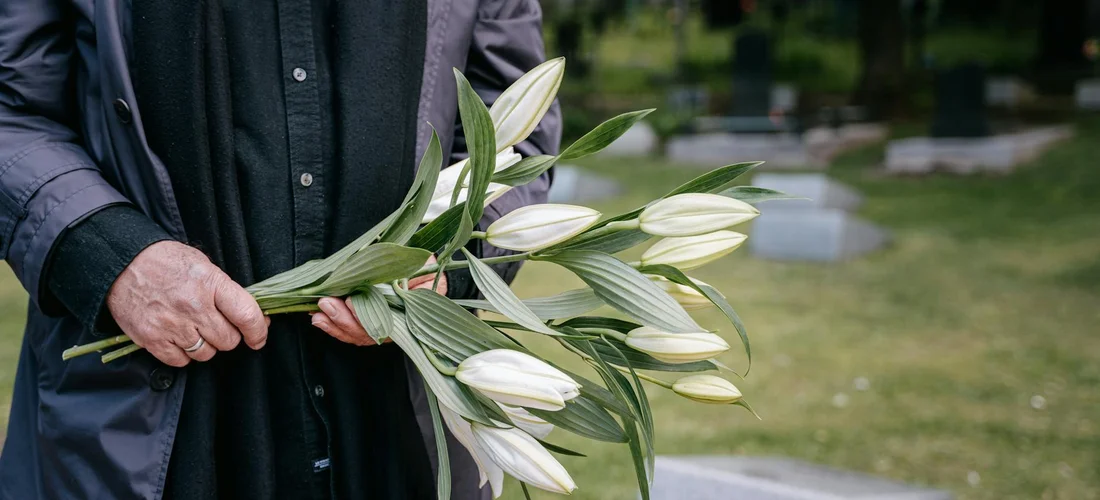
Losing someone near a holiday adds a specific layer of complexity to an already difficult time. Your mind is filled with grief, and now you’re also wondering about calendars and closures. I want to reassure you that you are not alone in navigating this.
So, are funeral homes closed on holidays? While their administrative offices may operate with a reduced staff or keep regular business hours, the essential care they provide does not stop. A funeral home’s duty of care continues every day of the year, including holidays. They are always available to respond to a death, provide guidance, and care for your loved one.
For the question of scheduling on a holiday, you generally have two paths. You can proceed with arrangements for a service held on the holiday itself, or you can wait to hold the service on the next available business day. Each choice involves different considerations for your family and for the professionals involved.
If a Death Occurs on a Holiday
Please know that a death occurring on Christmas, Thanksgiving, or any other day does not change a funeral home’s fundamental responsibility. Funeral directors are available 24 hours a day, 7 days a week, to receive that first call and arrange for the respectful transfer of your loved one into their care. This initial step can happen at any hour, on any date.
The process of making detailed arrangements might look slightly different. For those beginning to plan funeral arrangements, this initial stage is about gathering essential details and understanding options. Often, the funeral director will speak with you at length over the phone to gather vital information and offer immediate support. They can then schedule an in-person meeting for the following business day to complete the plans. This staggered approach ensures your loved one is cared for immediately while giving you a moment to breathe before facing more decisions.
Holding a Service on a Recognized Holiday
Choosing to hold a funeral or memorial service on a major holiday is possible, but its feasibility rests on several factors. The funeral home must have staff available, the cemetery or crematory must be open for committals, and your chosen clergy member or celebrant must be willing and able to officiate. You must confirm the availability of every party involved before settling on a holiday service date.
It is also wise to consider your guests. While close family will likely attend regardless, some friends or extended family may have prior travel or family commitments that make attendance challenging. Holding a service on a holiday can be a meaningful tribute, but it may shape who is able to be physically present to support you.
Understanding Additional Considerations for Holiday Services
Services held on major holidays like Christmas Day or New Year’s Day often require special staffing arrangements. Because of this, some funeral homes apply a holiday surcharge to offset these costs. A reputable funeral home will always explain any potential additional fees to you with complete transparency before you finalize any plans. These discussions align with funeral costs etiquette traditions that value upfront, respectful dialogue about fees. Clear, proactive communication helps families plan with dignity and avoid surprises. You should never receive an unexpected charge. Ask about this directly if you are considering a holiday service date, so you can make a fully informed decision that respects both your wishes and your budget.
Frequently Asked Questions About Service Timing
Are there typical times for services held on major holidays?
While holiday services are less common, they are often scheduled for mid-morning or early afternoon to accommodate family and potential travel. Your funeral director can advise on the feasibility and help coordinate with all necessary parties for a respectful service.
What is the main difference between a weekday and a weekend service?
A weekday service often allows for easier coordination with clergy and cemeteries, while a weekend service typically provides greater accessibility for guests who work. Both are completely valid choices, and your decision can be based on what best serves your family and community.
How do different faiths influence service days and times?
Religious customs can greatly influence scheduling, from requiring a swift burial to observing specific holy days. It’s important to discuss your traditions with your funeral director early, as they will help align the practical schedule with your spiritual needs respectfully.
Honoring Personal Timelines in Funeral Services
The most important guidance I can offer is to schedule a service when it truly supports those who mourn. There is no wrong choice if it allows for a heartfelt and comfortable gathering.
I encourage you to approach all Funeral Needs with a focus on dignified, eco-conscious care. Please continue to seek answers to your Funeral Questions, as each step taken with intention brings its own solace.
Emiliana Dieter
Emiliana is an author at The Valedictory. She is an experienced funeral care advisor and arranged and organized many funerals as part of her end of life consulting services. She has over 8+ years in the funeral industry managing her family funeral business and helping families cope with the loss of their loved ones. Her articles answer any and all questions you might have regarding funeral arrangements, costs, preparations, etc so you can make this a seamless experience.