
A Compassionate Guide to Funeral Timelines: From Death to Service and Cremation
In the quiet after a loss, questions about timing can feel both urgent and overwhelming. You may be wondering how soon a funeral happens or how long a cremation takes.
I will share what I’ve learned from my experience to help you navigate these practical steps. This article will explain the typical timeline between death and a funeral service, describe how long funeral services usually last, and outline the duration of crematorium processes.
Key Takeaways: A Compassionate Overview
I want you to know one thing first. There is no single right timeline for a funeral. Your family’s needs and wishes are what matter most.
Support is always available to help you make these decisions. You do not have to navigate this alone.
Most funeral services are held within one to two weeks after a death. This window allows for necessary arrangements while respecting the need for closure.
If you choose cremation, it often provides more flexibility. The cremation itself may happen within a few days, but a memorial service can be planned for weeks or even months later when everyone is ready to gather.
A funeral director’s primary role is to guide you through this process at your own pace. We handle the logistical details so you can focus on your family and your grief. We also manage the funeral director duties—from transport and permits to coordinating final arrangements—to keep everything running smoothly.
What Determines How Far Away a Funeral Is From Death?
Several factors, both practical and personal, shape the timeline. The first steps are non-negotiable legal requirements.
A doctor must sign a legal death certificate. If the death was unexpected, a medical examiner may need to release the body. This process can take a day or sometimes several.
Then comes the human factor: allowing time for distant family to travel and make arrangements. Coordinating schedules for adult children, siblings, or close friends is a common reason for a slightly later service.
Practical considerations like venue, clergy, and funeral home scheduling availability also play a role. A popular church or chapel may have limited openings.
Religious and cultural traditions deeply influence timing. Some faiths, like Islam and Judaism, call for burial within a very short period. Others may observe a customary waiting period before a service.
When Time Needs to Slow Down: Common Reasons for Delay
Sometimes, a longer timeline is necessary and respectful. There are valid reasons for a pause.
Common reasons include awaiting autopsy or toxicology results, coordinating full military honors, or managing complex estate or legal situations that must be addressed.
The shock of a sudden death can make immediate planning feel impossible. Families often need a few days to process the news before they can focus on service details. That is a normal and healthy part of grief.
Please do not worry if you need this time. A funeral home can provide dignified, respectful care for your loved one in the interim. There is no rush.
The Burial Service Timeline: From First Call to Graveside
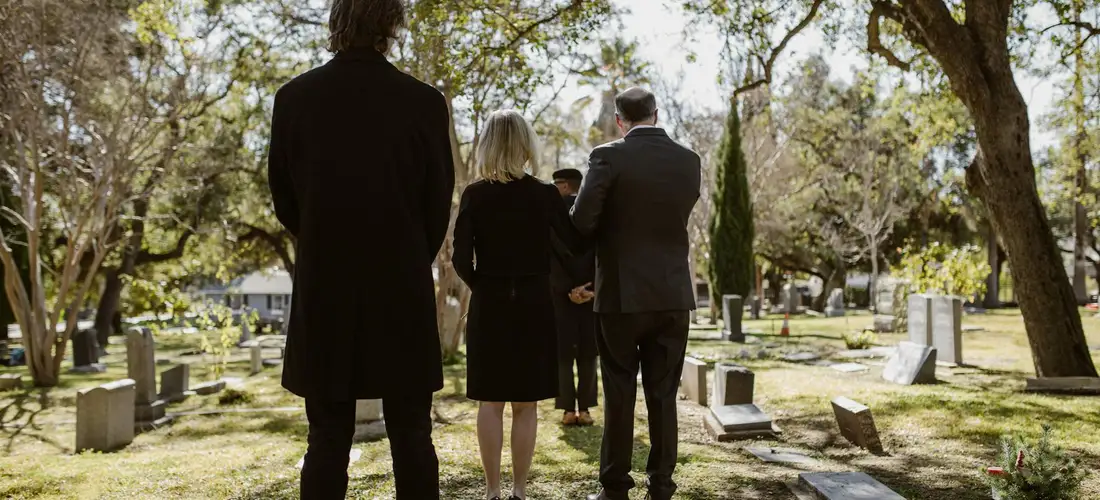
When you first call a funeral home after a death, it can feel like stepping into a quiet, orderly room amidst a storm. I have guided many families through this. The standard sequence for a traditional burial with a viewing follows a respectful rhythm, allowing time for goodbyes and practical steps.
First, the funeral director brings the deceased into their care. You then meet to discuss your wishes, from the casket to the music. This planning meeting lays the foundation for every detail that follows. Next, we prepare the body and hold a visitation, a time for friends to offer comfort. The funeral service itself is a collective moment of remembrance, culminating in the gentle finality of the committal at the grave.
A Gentle Guide: A Sample Nine-Day Timeline
Every family’s pace is different, but this outline offers a common framework. It stretches over about nine days, providing space for grief and logistics.
- Day 1 (Day of Death): The death occurs. You or a caregiver contacts the funeral home. The director arranges a time to transfer your loved one into their care.
- Day 2: You sit down with the funeral director. In this arrangement conference, you choose a casket, set dates for the visitation and service, and begin writing the obituary. The director handles all notifications to the cemetery.
- Days 3-5: The funeral home staff prepares the body and coordinates with the florist and clergy. The obituary is published. These days are for family to gather and breathe.
- Day 6: This is often the day for visitation or viewing. Friends come to the funeral home, offering soft words and shared memories in a peaceful setting.
- Day 7: The funeral service is held. It might be in a chapel, church, or at the graveside. Stories are told, prayers are spoken, and a community forms around your loss.
- Day 8 or 9: If not done immediately after the service, the committal occurs. This is the burial at the cemetery, a quiet moment as the casket is lowered. This timeline is a container for your sorrow, not a rigid demand.
The Flow of Each Day
Let me describe what these days often feel like. The arrangement day is filled with decisions, but we move slowly. The visitation day has a hushed, gentle flow of people. The funeral service day carries a weight of finality and love. I have seen how these structured moments can, in time, feel like a first step toward healing.
The Option of Direct Burial
For some, a shorter path is right. A direct burial means the body is buried shortly after death, without embalming, a viewing, or a preceding funeral service. This simplifies the process dramatically, often to just two or three days. The first call is made, necessary paperwork is completed, and the burial is arranged at the cemetery. A memorial service can always be held later, on your own terms. It is a choice grounded in simplicity and personal need.
How Long Do Funeral and Memorial Services Usually Take?
Planning a service brings many questions, including how long it will last. A traditional funeral service in a place of worship or funeral home often takes 30 to 60 minutes. This timeframe offers a gentle rhythm, allowing space for everything that needs to happen.
The time is filled with moments of reflection and farewell. You might hear selected readings of poetry or scripture. There is often music, either played or sung. Loved ones may share personal eulogies or memories. The service may conclude with a final viewing or a slow, respectful processional as the casket is carried out.
A memorial service, held without the body present, offers more flexibility. Because there is no casket to process, the timing can feel less structured, often lasting anywhere from 20 minutes to over an hour. This type of service focuses entirely on sharing stories and celebrating a life.
How Long Does a Graveside Service Usually Take?
A graveside service is a more intimate gathering. It happens at the final resting place, often immediately following a larger funeral or as a standalone event. This shorter ceremony typically lasts just 15 to 30 minutes. The brevity focuses the mind and heart on the solemn act of committal.
The elements are simple but profound. A clergy member or family friend may offer brief words of comfort. There is often a prayer, spoken softly into the quiet air. The core of the service is the committal itself, the moment the body is entrusted to the earth.
This final act provides a tangible point of closure. The short duration reflects its purpose-a direct and loving farewell.
The Cremation Process: Understanding the Steps and Time
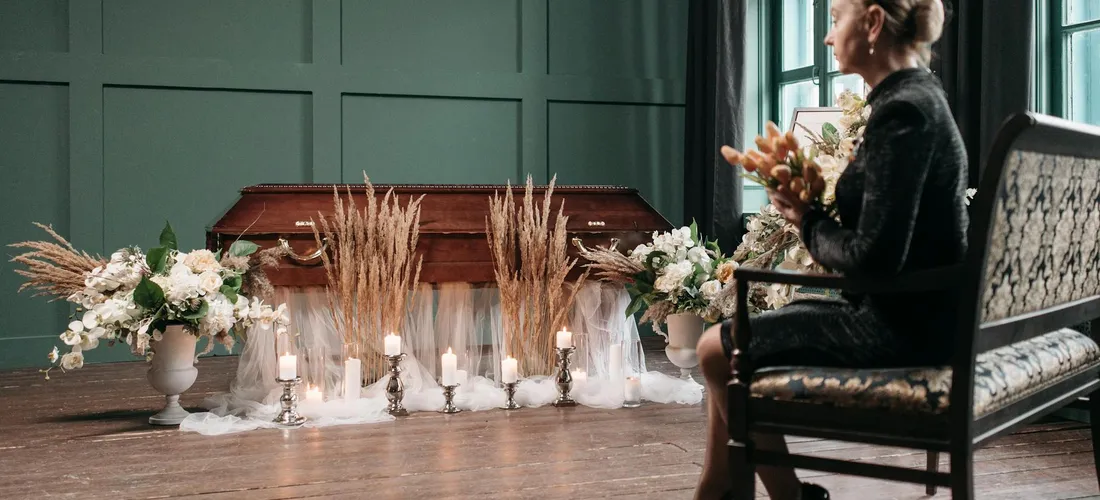
It helps to separate two ideas. A cremation service is a ceremony of remembrance. The cremation process is the physical act performed at the crematorium.
When people wish to say goodbye with the body present, that service always happens before the cremation. It can be a traditional funeral or a simpler gathering.
So, how long after a funeral service is the body cremated? If the service is held at the crematorium, the cremation usually follows within 24 hours. The transfer is handled with reverence and care by the staff.
How Long Does the Actual Cremation Process Take?
The journey is methodical. It begins with final identification checks. The body is placed into the cremation chamber, which is a respectful and private moment.
The chamber process itself depends on the individual. For an average adult, it typically takes between two and three hours.
Afterward, the remaining bone fragments are cooled. They are then processed in a machine called a cremulator. This creates the fine, pale ashes you receive.
From the time the body is received at the crematorium to when the ashes are ready, the entire procedure often takes one full business day. This allows for each careful step to be completed with dignity.
Timeline for a Service After Cremation
Here lies a significant difference. A memorial service held *after* cremation offers great flexibility, unlike traditional services that might have timing constraints. There is no immediate logistical pressure, allowing for more thoughtful planning of funeral options after cremation.
Families can wait for weeks or even months. This allows scattered relatives to travel or gives time to plan a truly personal tribute. I have seen families hold beautiful gatherings on meaningful dates, like a birthday or anniversary.
This contrasts with a traditional funeral before a burial, which is typically scheduled within a week or two of the death. The timeline after cremation can be a source of relief, offering space to grieve before gathering.
Quick Snapshot: Comparing Burial and Cremation Timelines
| Consideration | Traditional Burial with Service | Cremation with Memorial Service After |
|---|---|---|
| Typical days from death to service | Services are most often held 3 to 7 days after death. This period allows for preparation and family travel. | The cremation typically occurs within 2 to 5 days. The memorial service can be scheduled weeks or months later, providing flexibility. |
| Service duration | A funeral service usually lasts between 30 minutes and one hour. The length can vary with religious rites or personal tributes. | A memorial service also generally runs 30 to 60 minutes. Without the casket present, the flow can feel more adaptable for families. |
| Key factors affecting timeline | Timing depends on completing the death certificate, cemetery availability, weather, and coordinating family schedules. | The timeline is influenced by the required authorization for cremation, paperwork processing, and when the family feels ready to gather. |
These are common timeframes, but your situation is unique. A good funeral director will work with you to create a schedule that honors your loved one and respects your grief. Do not feel rushed by these averages; what matters most is creating a meaningful farewell.
When to Call a Funeral Director: Your Guide Through the Timeline
In those first quiet, overwhelming moments, knowing who to call can feel impossible. If your loved one has died at home or in hospice care, contacting a funeral director is one of the first and most important steps you can take.
They are the calm, capable presence you need right away. A funeral director handles the immediate practical matters that no grieving family should have to manage alone. Behind that calm professionalism lie responsibilities and challenges—coordinating transportation, handling permits, and managing paperwork. They guide families with discretion through every step.
- Transportation: They will come to your home or care facility with professional care and a specialized vehicle to transport your loved one.
- Legal Paperwork: They secure the necessary medical certification and begin filing the official death certificate, a complex but vital process.
- Secure Care: They provide a safe, dignified environment for your loved one, whether in a care facility or their own funeral home.
From that first call, the funeral director becomes your guide. They manage the entire timeline, from coordinating with cemeteries or crematoriums to scheduling visitations and the service itself. They will walk you through every choice, from simple direct cremation to a full traditional service, always respecting your budget and wishes.
Their expertise lifts the immense logistical burden from your shoulders. This allows you the quiet space you need. You can focus on gathering with family, sharing stories, and beginning to process your loss, knowing the details are in respectful, experienced hands.
Frequently Asked Questions
Is it okay if we need more time before holding the service?
Absolutely. While services are often held within one to two weeks, your family’s emotional readiness is paramount. A funeral director can provide compassionate care for your loved one while you take the time you need to plan and gather.
What is the main difference in feeling between a funeral and a memorial service?
A funeral service with the body present often provides a focal point for direct goodbye, while a memorial service after cremation focuses wholly on celebrating the life lived. This distinction can significantly influence the tone and timing that feels right for your family.
What happens during the waiting period for ashes after cremation?
The cremation and processing of ashes is typically completed within one business day. This brief period allows the crematorium staff to perform each step with utmost care and dignity before the ashes are returned to you or the funeral home.
Parting Reflections on Funeral and Cremation Timelines
Above all, remember that these timelines serve you, not the other way around. Granting yourself permission to move at a pace that feels right is the most compassionate step you can take.
I encourage you to seek out dignified and environmentally gentle options within Funeral Care that resonate with your values. Let your curiosity about Funeral Needs and Funeral Questions be a gentle guide toward informed, peaceful choices.
Emiliana Dieter
Emiliana is an author at The Valedictory. She is an experienced funeral care advisor and arranged and organized many funerals as part of her end of life consulting services. She has over 8+ years in the funeral industry managing her family funeral business and helping families cope with the loss of their loved ones. Her articles answer any and all questions you might have regarding funeral arrangements, costs, preparations, etc so you can make this a seamless experience.