
What Should Men Wear to a Funeral? A Guide to Suits, Ties, and Respectful Etiquette
Selecting funeral attire can feel like a heavy task when your heart is full of sorrow. I remember facing this same quiet question, and I want to help you find an answer with ease.
Here, I will provide straightforward guidance on choosing a suitable dark suit, picking an appropriate tie, and understanding the essential dress code etiquette.
Key Takeaways: Compassionate Guidance at a Glance
Let me offer you some comfort right away. Your presence matters far more than your outfit.
The goal is to show respect for the family and the occasion, not to achieve sartorial perfection.
Focus on these simple, non-negotiable basics.
- Choose dark, conservative colors like navy, charcoal gray, or black.
- Ensure all clothing is clean, pressed, and free of holes or logos.
- Wear closed-toe dress shoes, polished and in good condition.
If you are unsure about any detail, choose the simpler, more modest option.
When in doubt, simplicity and modesty are always appropriate and appreciated.
I have seen how a room of somber, respectful attire creates a quiet embrace for a grieving family. Your thoughtful clothing is a silent, supportive act.
The Purpose of Funeral Attire: Dressing with Respect
Funeral dress codes exist for a specific reason. They are a visual sign of respect, solemnity, and unity.
Your clothing communicates that you are there to honor a life and share in a collective moment of gravity.
Think of it as wearing your reverence on the outside. The general expectation is for “dark formal” or “business formal” attire.
People often ask, ‘What is the exact dress code for a funeral?’ My answer focuses on intention over a strict uniform. For both men and women, funeral attire guidelines typically emphasize conservative, respectful dress in dark or muted colors. The goal is to honor the moment rather than make a statement.
The core question is not ‘What is fashionable?’ but ‘What shows I hold this person and their family in high regard?’
Is the Focus on Fashion or Respect?
Everyday fashion is about personal expression. Funeral attire is different. It is subdued and uniform by design.
You are not dressing to stand out or follow a trend. You are dressing to blend into a backdrop of support.
Dressing for a funeral is like wearing a uniform of reverence; it removes individual distraction and focuses attention on what truly matters. Funeral attire carries meaning and tradition, signaling respect and shared mourning. The colors and fabrics quietly honor the deceased and their family.
This is not the time for bold patterns, bright colors, or casual wear. It is a time for quiet, cohesive dignity.
Selecting the Appropriate Suit: Colors and Styles
Choosing what to wear can feel like an added weight on a difficult day. The goal is simple: to show respect through neat, somber, and polished attire. Let’s walk through the most common questions about suits to help you feel prepared and appropriate.
What Color Suit is Appropriate for a Funeral?
Dark, subdued colors are the cornerstone of funeral attire. They convey respect and allow you to blend into the background, keeping the focus on the person being remembered.
The most appropriate and widely accepted suit colors are black, navy, and charcoal grey. These shades are universally understood as respectful across most cultures and service types.
Is a Black Suit Mandatory?
No, a black suit is not mandatory. It is, however, the most traditional and safe choice you can make.
You will most likely see black suits worn by immediate family members and at very formal religious services. If you are uncertain about the tone of the service, choosing black is a gesture of utmost respect that will never be questioned.
Can I Wear a Navy or Charcoal Suit?
Absolutely. A deep navy or a charcoal grey suit is an excellent modern alternative.
These colors are still deeply respectful and are worn by many attendees. Think of it as a scale of formality. Black sits at the highest level, while charcoal and a very dark navy represent the standard, perfectly suitable choice for most funeral services.
What Type of Suit Should I Wear?
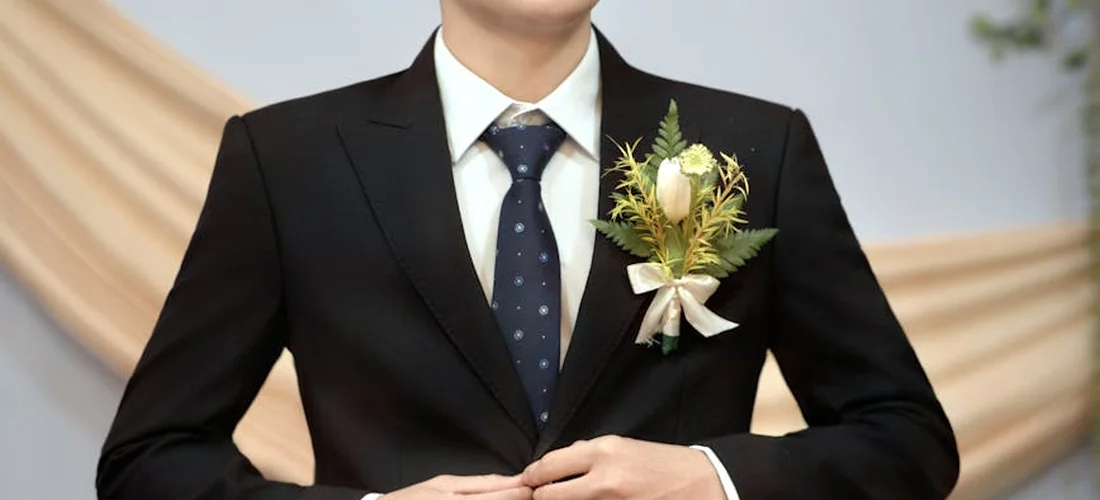
The suit itself should be conservative and well-fitting. This is not a day for bold fashion statements or overly trendy cuts.
A classic, single-breasted two-piece suit (jacket and trousers) is the standard and most recommended option. It is versatile, widely owned, and strikes the right balance of formality and comfort for a somber occasion.
Can You Wear a Double-Breasted Suit to a Funeral?
A double-breasted suit is acceptable, particularly if it is the only dark suit you own. Its sharper, more formal silhouette is still respectful.
A single-breasted cut is generally preferred as it is considered slightly less formal and often more comfortable for sitting through a long service. Your presence, in a dark and tidy suit, matters more than the number of buttons on your jacket.
Can You Wear a Morning Suit to a Funeral?
Morning dress, with its tailcoat, is typically reserved for very formal daytime weddings. It would be overly formal for a funeral. For a funeral wake or burial, more subdued, darker attire is customary to express respect.
A tuxedo, or any dinner suit, is almost never appropriate for a funeral service. These are outfits for celebration, not mourning. The simple, dignified look of a standard business suit is always the correct path.
Shirts, Ties, Shoes, and Accessories: The Details Matter
Your suit provides the foundation, but the pieces you choose to complete your outfit speak volumes about your respect for the occasion and the grieving family. Building a cohesive look from the skin out ensures your presence is supportive, not distracting.
What Kind of Shirt Should I Wear?
Begin with a long sleeved, collared dress shirt. It is the standard for formal occasions and provides a clean, polished layer under your suit jacket. A proper collar allows your tie to sit correctly, completing the traditional silhouette.
Should the Shirt Be White or Can It Be Another Color?
A crisp, plain white shirt is the most traditional and failsafe choice. It conveys formality and solemnity without any question. If you do not own a white shirt, a very light, solid color like pale blue is generally an acceptable alternative. Avoid any shirt with visible patterns, stripes, or bold colors.
What Type of Tie is Appropriate?
Your tie should be simple and understated. A tie made from silk or satin in an untextured finish is ideal. These materials have a subtle sheen that is respectful, unlike more casual knits or rough fabrics.
What Color Tie Should I Wear?
Choose a solid, dark color. Black is the most traditional, but navy, dark grey, or a deep burgundy are also widely appropriate. These colors are somber and reflect the gravity of the day. Your goal is to blend in with the tone of the service, not stand out.
Are Patterns Acceptable on a Tie?
A solid tie is always the safest option. If you choose a pattern, it must be extremely subtle. Think small, spaced stripes or simple, tiny dots in dark tones. I strongly caution against loud colors, large logos, or any whimsical patterns. They can feel disrespectful in a setting focused on mourning.
What Shoes Should I Wear with a Funeral Suit?
Footwear requires careful attention. You must wear clean, polished, closed toe dress shoes. Scuffed or dirty shoes can undermine an otherwise perfect outfit. Take a moment to buff them the night before.
Are Black Dress Shoes the Only Option?
Black leather dress shoes are the best and most versatile choice. If you are wearing a navy or charcoal suit, well polished dark brown leather shoes can be acceptable. You must avoid sneakers, sandals, or overly casual loafers. The sight of worn out footwear can linger in a family’s memory of the day.
Navigating Accessories: Belt, Watch, and Beyond
When it comes to accessories, adopt a minimalist mindset. Anything you add should be functional and discreet, never drawing attention to itself. The focus should remain on the reason for gathering.
What About Accessories Like a Belt or Watch?
A simple black or dark brown leather belt that matches your shoes is standard. A conservative wristwatch with a leather band is perfectly fine. I recommend avoiding smartwatches or fitness trackers, as their bright screens and notifications can be disruptive during a quiet service.
Should I Wear a Pocket Square?
A pocket square is not necessary. In a funeral context, it can be perceived as a deliberate fashion statement. If you feel you must wear one, it should be a plain white linen square, folded into a simple straight line or flat fold. Anything more elaborate is best left for another day.
Is a Vest or Waistcoat Appropriate?
A waistcoat that is part of a three piece suit is acceptable to wear. It should be made from the exact same fabric as your suit jacket and trousers. Wearing a vest is not a requirement, but if you own one, it adds a layer of complete formality. Do not mix a waistcoat from a different suit.
A Note on Etiquette and Personal Reflection

Choosing your clothes is one part of preparing to say goodbye. How you carry yourself is the other. These thoughts are meant to ease your mind, not add to your worry.
Etiquette: Your Presence is the Priority
The most important thing you can wear is your presence. A clean, pressed shirt and dark trousers speak volumes, even if your suit jacket is a decade old.
Families remember who showed up. They do not remember if your tie was slightly out of fashion.
Your physical attendance, dressed with clear intent, is a profound act of respect that outweighs any minor sartorial flaw.
When you offer condolences, simplicity holds the most space for grief. You do not need perfect words.
- “I am so sorry for your loss.”
- “I am thinking of you all.”
- “I will miss them very much.”
A brief, sincere sentiment and a steady presence are enough. It is okay to sit in silence, too.
A Personal Perspective from a Funeral Care Professional
I have stood at the back of many services, observing the gathering. I recall one cool morning, a man arrived straight from his night shift. His work boots were clean, and he wore a simple black sweater over his uniform.
He looked weary, but he was there. Later, the widow mentioned him to me. She said, “Seeing him come like that, knowing he made the effort, it meant everything.”
The care you put into your appearance is a silent, tangible language of support. It is a physical signal to a grieving family that their person mattered, and that this moment is sacred.
Your chosen attire is not about uniform perfection. It is a quiet act of solidarity, a way to hold space when words fail. In that fragile hour, that effort is always seen, and it is always felt.
What to Wear If You Don’t Own a Suit
This question brings a very real worry for many men. I have seen the anxiety it causes firsthand. Please know, your presence matters far more than the label inside your jacket. A dignified, put-together outfit assembled from what you already own is always an acceptable choice.
Is It Okay to Wear a Blazer and Trousers Instead of a Suit?
Yes, it is perfectly okay. A dark blazer paired with dress trousers is a widely accepted and respectful alternative to a full suit. The goal is to present a cohesive and solemn appearance.
The most important rule is to choose pieces that are similar in their level of formality and darkness. A navy blazer with grey or charcoal trousers works well. Avoid pairing a formal blazer with brightly colored or casual chinos. What you wear should not distract, but rather blend quietly into the background of the day.
Building a Respectful Outfit from Your Wardrobe
Think of assembling your outfit in layers, starting with the most formal piece you own. Look for items that are dark, clean, and free of logos or loud patterns. Neatness and deliberate color choice speak volumes about your respect for the occasion and the family.
Gather these components if you can:
- A dark sport coat or blazer (navy, charcoal, black)
- Dark dress trousers (grey, charcoal, navy)
- A collared, long-sleeved shirt in white or a very subtle solid color
- A conservative tie (solid, or with a simple stripe or pattern)
- Polished, dark dress shoes and dark socks
Your focus should be on a clean, coordinated look, not on whether the jacket and trousers were bought as a set. Iron your shirt. Polish your shoes. These simple acts of care are a quiet testament to your regard for the person being honored.
Understanding Cultural and Religious Dress Codes
When you are grieving or paying respects, the last thing you want is to feel uncertain about your clothing. Funeral dress codes can vary significantly across different cultures and religions, and showing awareness is a profound act of respect. The simple question, “Are there different expectations for different cultures or religions?” is a thoughtful one to ask yourself as you prepare.
If you are unsure, a discreet inquiry to a close family friend or the funeral director can provide clarity. It is always better to ask gently than to assume, especially when navigating funeral etiquette.
General Guidelines for Common Traditions
While specifics differ, one principle remains constant. Your first priority should always be any dress code specified by the family or rooted in the deceased’s known traditions. When in doubt, leaning toward more formal, conservative, and modest clothing is a safe and respectful choice. From a funeral attire etiquette clothing perspective, choose subdued colors and modest silhouettes. Simple, unobtrusive accessories are typically appropriate.
Your presence is what matters most, and taking care with your attire shows you honor that.
Christian, Jewish, and Islamic Services
For many Christian, Jewish, and Islamic funeral services, the standard dark suit, white shirt, and subdued tie you might envision is typically appropriate. In these settings, funeral attire should emphasize appropriateness and quiet formality. Such choices help honor the solemnity of the service. The conventional dark Western business suit remains a widely accepted sign of solemnity and respect in these traditions.
At a Jewish funeral, you may see men wearing a head covering called a yarmulke or kippah. It is common for these to be available at the venue for guests who need one, so you can simply follow the lead of others attending.
Hindu and Buddhist Services
Here, the visual symbolism of mourning shifts. In many Hindu and Buddhist traditions, white represents purity, peace, and the release of the spirit. White, not black, is traditionally the color of mourning for Hindu and Buddhist services.
If you are attending such a service, wearing white or very light-colored, modest clothing is often the most respectful option. Choosing a simple, light-colored suit or dress shirt and trousers shows cultural sensitivity and aligns your appearance with the spirit of the ceremony.
What Not to Wear: Avoiding Common Mistakes
Making a clothing mistake is easy when you are grieving or rushing. Your intention to show respect is what truly matters. A few simple guidelines can help you avoid an unintentional misstep.
The most frequent question I hear is, ‘What should I avoid wearing to a funeral?’ The core principle is to avoid anything that draws attention to yourself instead of the purpose of the gathering. Your clothing should be a quiet backdrop of support for the bereaved family. Additionally, simple funeral etiquette behavior guidelines—such as arriving on time, speaking softly, and giving space to mourners—help reinforce that support. I’ll outline these guidelines in the next section.
Colors and Patterns to Steer Clear Of
Color sends a powerful, immediate message. At a funeral, your palette should be muted and respectful.
- Avoid bright, festive colors like red, orange, yellow, or neon hues. These can feel jarring in a space of mourning.
- Steer clear of flashy patterns: large plaids, bold stripes, or loud prints distract the eye.
- Clothing with graphics, large logos, or humorous text is not appropriate. It shifts the focus from solemnity to casual commentary.
These choices are not about fashion rules, but about emotional tone. A splash of bright color can feel like an interruption in a room filled with quiet grief and shared memory.
Inappropriate Clothing Items
Formality is a gesture of honor. Some items are simply too casual for the gravity of the occasion.
- Jeans, shorts, and cargo pants.
- T-shirts, tank tops, polo shirts, or sweatshirts.
- Sandals, flip-flops, sneakers, or athletic shoes.
- Sports jerseys, track suits, or any activewear.
- Overly casual outerwear like puffer vests or hoodies.
I have seen people attend in casual wear because it was all they had clean or ready. If this is your situation, choose the darkest, plainest version you own. Your presence, offered with a sincere heart, is always more important than a perfect outfit.
Seasonal Considerations: Dressing for a Summer Funeral
Heat adds a layer of difficulty to dressing formally. ‘What should I wear to a funeral in the summer?’ is a practical and common concern.
Your goal is to balance comfort with respect. A full, heavy wool suit in August can be its own distraction. Modern fabrics offer better solutions.
Choose a lightweight suit in a dark gray or navy. Look for wool blends or linen-blend fabrics designed to breathe. A dark blazer paired with dress trousers is a solid and slightly cooler alternative.
I advise against short-sleeved dress shirts. A long-sleeved shirt in a light fabric, worn with the sleeves buttoned at the wrist, maintains formality. You can politely roll them up briefly outdoors if needed. A tie should still be worn and kept simple.
Dress for the service itself. You can always remove your jacket after the formal proceedings if the family does so first.
Compassionate Funeral Attire FAQ
What is the most important rule for funeral attire?
The fundamental rule is to dress in dark, conservative, and neat clothing to show respect. Your sincere presence and effort are what truly matter to the grieving family.
I don’t own a traditional suit. What is my best alternative?
Your best alternative is to wear a dark blazer with matching trousers or your neatest, darkest separates. A clean, coordinated outfit assembled with care is always a respectful choice.
Are bright colors ever acceptable for a funeral service?
In most Western traditions, bright colors should be avoided to maintain a solemn tone. Exceptions exist, such as wearing white to Hindu or Buddhist services, where it symbolizes peace and mourning.
Honoring Through Attire: A Final Note
Your most respectful choice is a dark, conservative suit and a simple tie, as this focus on understated dignity allows you to offer quiet support. Dressing with this intention shows care for the bereaved and honors the solemnity of the gathering, especially when adhering to a formal or casual funeral dress code.
Extending this mindful approach to all Funeral Care and Funeral Needs, including eco-friendly options, is a profound act of dignified responsibility. I encourage you to continue seeking gentle guidance on Funeral Questions, ensuring every decision is made with both heart and practical care.
Emiliana Dieter
Emiliana is an author at The Valedictory. She is an experienced funeral care advisor and arranged and organized many funerals as part of her end of life consulting services. She has over 8+ years in the funeral industry managing her family funeral business and helping families cope with the loss of their loved ones. Her articles answer any and all questions you might have regarding funeral arrangements, costs, preparations, etc so you can make this a seamless experience.