
What Happens to Metal Implants and Joints During Cremation?
If you are arranging a cremation for someone with medical implants, you may be thinking about what becomes of those pieces of metal. It is a quiet, practical worry, and I want to offer you a clear and kind answer.
I will walk you through the entire journey, from the cremation chamber to the final ashes. This includes how the intense heat affects different implants, what is done with the recovered metal, and the respectful protocols followed by crematorium staff.
Key Takeaways: Compassionate Clarity for Your Peace of Mind
You may have questions about metal implants during cremation planning. Let me assure you, implants do not prevent cremation and are typically handled with thoughtful care after the process. This is a standard practice in funeral homes.
Your concerns are both common and understandable. Asking about implants reflects your deep care and attention to detail during a tender time. I have held many such conversations, and they are a natural part of honoring a life.
Here are the most important facts to hold onto:
- Implants are not removed before cremation. The procedure is designed to accommodate them safely.
- They survive the cremation heat completely intact. You can expect them to remain as solid pieces of metal.
- Their respectful handling is a routine part of the crematory’s duties. It is a process guided by protocol and compassion.
Understanding Cremation: A Gentle Overview of the Journey
Cremation is a gentle transformation. The body is placed in a cremation chamber, often called a retort. Intense heat, typically between 1400 and 1800 degrees Fahrenheit, carefully reduces the body to bone fragments. The cremation temperature process governs how heat is applied and maintained, guiding the conditions inside the chamber toward that outcome. The air inside feels dry and still.
Dignity is the guiding principle from beginning to end. Trained professionals treat the process with quiet reverence, ensuring the chamber is a serene and respectful space. Each step is performed with deliberate care.
The high heat affects organic matter, but most implants remain unchanged. Metal joints and plates do not melt or disintegrate during cremation. This physical reality is where many families’ questions naturally begin, and it is a valid starting point for our discussion.
What Happens to Metal Implants Like Pins and Plates?

The intense heat of the cremation chamber, which can reach over 1400 degrees Fahrenheit, reduces soft tissue to bone ash. Your loved one’s metal implants, however, are designed to withstand the human body’s environment for decades. They are far more durable.
Surgical steel and titanium, the most common materials, do not melt or vaporize during standard cremation. They remain completely solid. After the cremation process is complete, these implants are left intact among the cremated remains. They are simply too strong to be broken down by the heat.
Following cremation, the cooled remains are carefully transferred to a processing area. Here, any metal objects are respectfully separated using a magnet or by hand. This is a standard, solemn part of the procedure in every crematory. The recovered metals are handled with dignity and are often collected for respectful disposal or recycling. Families do not receive these implants with the cremated ashes.
Artificial Joints: Addressing Common Concerns About Hips and Knees
Many people ask, “What happens to artificial joints during cremation?” This is a very common question, especially for those who have had a hip or knee replaced. You can be reassured that the presence of these implants is completely normal for crematories.
You can absolutely be cremated with a hip replacement, knee replacement, or similar large implant. No special request or action is needed from the family. There is no need for surgical removal before cremation; the process is designed to accommodate modern medical devices. The crematory staff is trained and experienced in handling these situations.
Like smaller pins and plates, these substantial cobalt-chrome or titanium alloy joints survive the process wholly intact. They are recovered afterward. Some crematories participate in authorized recycling programs where the metal from these joints is collected, with any funds often donated to charity. This is something you can inquire about with your funeral director if you wish.
Hip Replacements, Knee Replacements, and Beyond
The process is consistent whether the implant is a partial hip replacement, a full knee joint, or a shoulder replacement. From the tiny screws in a spinal fusion to the ball-and-socket of a new hip, all surgical-grade metal will be found after cremation and separated.
I have seen everything from dental implants to cardiac stents recovered. Each one is treated with the same careful respect. No matter the type of joint or implant, you do not need to make any special arrangements. Simply inform your funeral director, as they will note it on the required paperwork for the crematory. This allows the staff to be prepared, but it does not change the fundamental process. Their expertise handles it seamlessly.
Other Medical Implants: From Pacemakers to Breast Implants
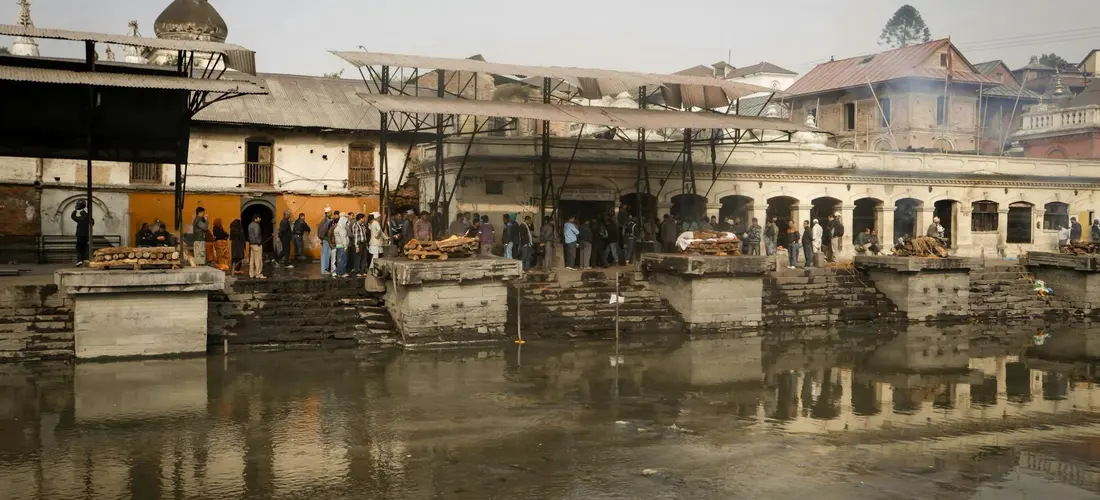
The question of what happens to medical implants is a common one. In general, most implants are unaffected by the cremation process and remain in the cremated remains. They are later separated by the crematory operator, much like the metals from joints. For families planning burial or cremation, some opt to have implants removed beforehand to simplify handling and disposal. Guidance from medical staff and funeral professionals can help with these arrangements.
Breast implants are a frequent point of inquiry. The silicone shell melts and the saline or silicone gel inside vaporizes. The remaining material poses no issue and is simply removed from the ashes after the process is complete. It is a routine part of the procedure.
Some implants, however, require special attention before cremation can begin. Pacemakers and defibrillators contain batteries that can explode under intense heat. This presents a serious safety risk to equipment and personnel. For this reason, pacemaker removal before cremation must always be reported and is surgically performed by the funeral home. These removals are part of standard cremation safety protocols. They help prevent battery rupture and protect staff and equipment. It is a non-negotiable safety step.
Practical Guidance: Steps for Families and When to Seek Help
Your role as a family is primarily one of communication. When you meet with a funeral director to arrange a cremation, provide a complete medical history. Mention any known implants, from a replaced knee to a pacemaker or dental work. If you are considering a family-present cremation process, sharing these details helps the team plan safely and respectfully in your presence. This also prepares you to discuss what to expect during a family-present cremation with the director.
This information allows the professionals to follow all safety protocols and state regulations. In very rare cases, the removal of certain complex devices might involve a small additional fee, which your director will discuss transparently upfront. Being open about medical history is the single most helpful step you can take.
This guidance leads to a simple rule. When the logistics feel complicated or uncertain, it is time to seek professional involvement.
When to Call a Funeral Director
You should involve a funeral director at the very start of arranging a cremation. Their expertise is essential in specific scenarios, especially when you are following a detailed cremation funeral services step-by-step guide.
- When you are unsure if a loved one had an implant or what type it was.
- Whenever a pacemaker, defibrillator, or other battery-powered device is present.
- If the person had radiation therapy implants or chemotherapy ports.
- To navigate the required legal paperwork and permits.
A funeral director manages all these logistical and safety procedures, allowing you the space to grieve and remember. They have the training and partnerships to handle device removal properly. Consulting them is not a burden. It is the wisest way to ensure a smooth, dignified, and safe process. Understanding their roles and duties—from transport and paperwork to coordinating ceremonies and interment—helps you know what to expect. This clarity can guide your choice of the right funeral director for your needs.
A Personal Perspective: A Note on Caring and Questions
I have sat with many families who worry about these details. They often ask, quietly, if their questions are silly or too clinical. They never are.
Asking what happens to a hip replacement or a pacemaker is an act of love. It comes from a place of wanting to care for someone fully, even in these final, technical duties. There is profound respect in wanting to understand the process and ensure it is done correctly.
My professional advice is this simple pro-tip. Bring every question to your funeral director, no matter how small it seems. We are here to answer them without judgment. These practical concerns are intertwined with the human need for closure. Handling them with care is part of honoring a life.
Frequently Asked Questions
Will my loved one’s implants cause any issues or delays during cremation?
No, standard metal and silicone implants do not cause issues. Crematories are fully equipped to handle them safely and respectfully as part of their standard procedure, so no delays should occur.
Are there any implants that must be removed before cremation?
Yes, for critical safety reasons. Pacemakers and defibrillators must be surgically removed by the funeral home before cremation, as their batteries can pose an explosion risk in the intense heat. These steps are a standard part of funeral home cremation and morgue services, ensuring safe handling and compliant processing for families and staff.
What is included in the ashes we receive?
The ashes you receive consist solely of processed bone fragments. All non-combustible materials, like metal implants, are respectfully separated and do not remain with the cremated remains placed in the urn.
Parting Reflections on Implants and Cremation
My foremost advice is to share any details about medical implants with your funeral director. This openness ensures the cremation process respects your loved one’s physical journey and your own wishes. Additionally, review the funeral home’s cremains policies so you know how ashes will be handled and returned. That knowledge helps ensure the process aligns with your family’s preferences.
Opting for dignified care can include eco-conscious choices for recovered metals. I encourage your gentle curiosity about Funeral Care, Funeral Needs, and Funeral Questions as a way to honor life with responsibility.
Emiliana Dieter
Emiliana is an author at The Valedictory. She is an experienced funeral care advisor and arranged and organized many funerals as part of her end of life consulting services. She has over 8+ years in the funeral industry managing her family funeral business and helping families cope with the loss of their loved ones. Her articles answer any and all questions you might have regarding funeral arrangements, costs, preparations, etc so you can make this a seamless experience.