
A Guide to Military Funeral Flag Etiquette
When planning a military funeral, the details of the flag can feel both essential and overwhelming. You want every honor rendered correctly, a final tribute worthy of a lifetime of service.
This article walks you through the formal traditions so you can focus on remembrance. It covers the official specifications and size of the flag, the protocol for draping it on the casket, the solemn ceremony of folding, and the meaningful presentation to the next of kin.
Military Funeral Flag Specifications and Official Size
The official United States flag for a military funeral measures 5 feet in width and 9 feet, 6 inches in length. This specific size is not arbitrary.
It is crafted to cover a standard adult casket completely, from the head to the foot and over the sides. The Department of Veterans Affairs provides this flag at no cost to the family as a token of national gratitude.
Key Physical Features of the Flag
These large dimensions ensure the flag drapes with dignity, without appearing too small or stretched. I have seen how a properly sized flag creates a solemn, seamless veil of honor.
The fabric is a durable cotton or nylon, with reinforced stitching at the corners and along the edges. Colorfast dyes are used so the red, white, and blue remain vivid and do not run, preserving the flag’s integrity throughout the service. This careful construction speaks to the respect we owe the occasion.
Official Protocol: Who is Eligible to Receive a Flag
Eligibility centers on military service. A flag is provided for any veteran discharged under conditions other than dishonorable.
This includes service members who died on active duty, whether in the regular forces, the Reserves, or the National Guard. Their commitment, recognized formally, warrants this honor.
Families often ask about firefighters, police officers, or members of other uniformed services. For these dedicated individuals, a flag is typically provided if they served under federal authority with a military-style funeral honors program. This also applies to veterans, where military funeral honors eligibility guides the level and specifics of the ceremony. Your funeral director can help confirm eligibility, as the criteria are specific.
The Designated Next of Kin
There is a traditional order for presenting the folded flag. It is usually given to the closest living relative.
- Spouse
- Children, starting with the eldest
- Parents or guardians
- Siblings, or another blood relative
This order provides a clear path during a difficult time. Yet, families are not always straightforward.
If relationships are complex, or if the traditional order feels at odds with your loved one’s wishes, speak quietly with the officiant or honor guard beforehand. My experience has shown that a gentle conversation can often find a dignified way to honor both protocol and personal bonds. The goal is a moment of respect that brings comfort, not conflict.
The Ceremony: Draping the Flag on the Casket
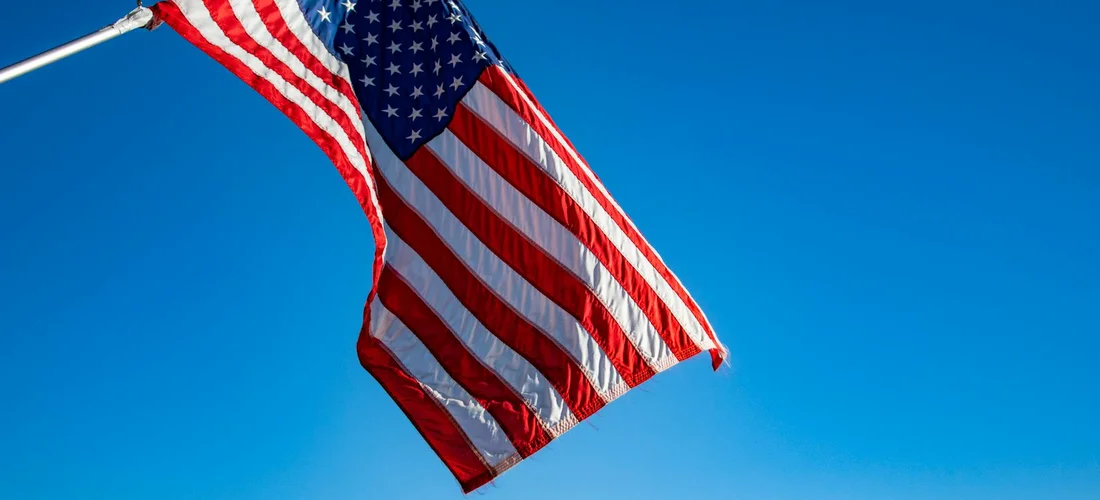
The placement of the flag is precise and full of meaning. It lies lengthwise on the closed casket, positioned so the blue union of stars is at the head of the casket. It rests over the deceased’s left shoulder.
This positioning ensures the flag’s highest honor, the union, is closest to the heart of the person who served. I have always found this detail to be a quiet, powerful tribute.
The duty of draping the casket is typically performed by members of a military honor guard. They handle the flag with solemn precision. In some cases, respectful funeral home staff may assist or perform this duty if an honor guard is not present. This is often distinguished from other roles such as carrying the casket, which is usually done by pallbearers.
Whoever performs this act does so with a deep understanding of its significance for the family and the nation. Their movements are deliberate and reverent.
From the moment it is unfolded until it is carefully folded at the ceremony’s end, the flag must never touch the ground. This rule is observed with unwavering attention.
It is a sign of ultimate respect, a physical manifestation of the care we show for the legacy of service. Every person handling the flag treats it with a protective, almost sacred care. Watching this, families often see their loved one’s service mirrored in the honor shown to the cloth.
The Folding Ceremony: Procedure and Meaning
The honor guard performs the flag folding with slow, deliberate care. Each of the thirteen folds transforms the flag from a draped cover into a tight triangle.
They begin by lifting the flag waist-high over the casket. The first fold is lengthwise, symbolizing a life cut short. A second lengthwise fold follows, representing a belief in eternal life.
Now, the triangular folding starts. The honor guard works in unison, tucking the striped sections inward.
- The third fold honors the veteran’s sacrifice and remembrance.
- The fourth fold recognizes human weakness, trusting in a higher power.
- The fifth fold is a tribute to our country.
- The sixth fold is for where our hearts lie, devoted to America.
- The seventh fold honors the Armed Forces.
- The eighth fold honors those who entered the valley of the shadow of death.
- The ninth fold is a tribute to womanhood, for its nurturing strength.
- The tenth fold is a tribute to fatherhood.
- The eleventh fold glorifies the God of Abraham, Isaac, and Jacob.
- The twelfth fold glorifies God the Father, Son, and Holy Spirit.
- The thirteenth fold completes the triangle, with the stars facing up.
Each fold weaves themes of life, honor, and remembrance into the fabric. The ritual connects personal loss to enduring values.
The final shape is a crisp, blue triangle of stars. It is reminiscent of the three-cornered hats from the Revolutionary War. This completed form is handed to the next of kin, solid and weighted with meaning.
Can You Unfold a Military Funeral Flag?
I hear this question often, spoken with gentle uncertainty. The folded flag you receive is a personal keepsake, a token of honor from a grateful nation.
Once presented, the flag is yours to cherish as you see fit. You may choose to keep it folded in its case or display it open. Both choices are deeply respectful.
If you wish to unfold it for display, handle it with the same dignity it was given. Use clean, dry hands on a clean surface. Gently open each fold, taking your time. You might place the opened flag in a shadow box for protection. This allows the full symbol of service to be seen and honored in your home.
Traditions After the Service: Display and Care
After the final notes of Taps fade, you are left with the flag. It is a heavy weight in your hands, both literal and symbolic. How you care for it becomes a quiet, personal part of your remembrance.
Many families choose to display the folded triangle in a dedicated case or shadow box. This protects the flag and creates a dignified focal point in a home. A simple wooden case with a glass front is a common choice. You may wish to include the veteran’s service medals, a photograph, or their nameplate alongside it.
Place the case in a place of honor where it can be seen and reflected upon, but safe from direct sunlight which can cause the colors to fade. A shelf in the living room, a study, or an entryway often works well. The right spot feels respectful and personal, a quiet testament to a life of service.
Can a Burial Flag Be Flown?
This is a question I hear often. The short answer is yes, you can fly a burial flag. It is a full-sized, official United States flag. Yet, most families choose not to for two heartfelt reasons.
First, this flag carries a sacred status. It touched the casket of your loved one. Flying it daily exposes it to weather and wear, which can feel like a disregard for its profound purpose. Second, burial flags are often made of cotton, not the more durable nylon used for outdoor flags. It will not last as long in the elements.
If you do fly it, consider doing so only on special days like Memorial Day or the veteran’s birthday, then retiring it to its case. The choice is deeply personal. There is no wrong answer, only what brings you a sense of peace and honor.
Meaningful Ways to Honor the Flag
Honoring the flag is about connecting its symbolism to your memory. It does not need to be on constant display to be meaningful. Some families develop quiet rituals that give the flag a living role in their lives.
- Place the case on the mantel during patriotic holidays, sharing stories of service with younger family members.
- Keep it in a room where you go for quiet reflection, letting its presence be a companion to your thoughts.
- If you have other family heirlooms, like letters or a uniform, you can create a curated display that tells a fuller story.
The flag is a link. It represents their duty, and your care for it represents your love. Handle it with clean hands and a gentle heart. Over time, this simple cloth becomes more than an emblem. It becomes a familiar, comforting point in the room, a silent honor guard for your memories. Similarly, in funeral attire, color carries quiet symbolism—black for mourning, white for remembrance, or subdued hues to honor the moment. These color choices, like the flag, speak without words.
Note on Etiquette for Attendees
Attending a military funeral can feel unfamiliar if you have not been to one before. Your respectful presence offers quiet support to the grieving family. I often tell people that knowing a few simple gestures can ease their own uncertainty and honor the veteran. Understanding funeral etiquette expectations—such as dress, quiet behavior, and how to offer condolences—can help you show respect with confidence. These guidelines keep your presence supportive and appropriate.
Stand when the honor guard enters or when the flag is first draped over the casket. If you are not in uniform, place your right hand over your heart. You may sit again after the folded flag has been presented to the next of kin.
The sound of Taps is a signal for everyone to rise and remain still. I have felt the collective respect in that silence. Hold that posture until the final note fades into the air.
The folding of the flag is a deliberate, meaningful ritual. I advise attendees to observe this process in complete quiet. The only voices should be those of the honor guard issuing their soft commands.
Please silence your phone and avoid any conversation during the folding and presentation. This shared silence allows the family to absorb the moment. It is a practical way to show your empathy.
When you speak to the flag recipient, focus your words on the veteran’s service. A generic condolence can sometimes feel distant. Instead, try saying, “Thank you for his dedication to our country,” or “Her service will always be remembered.”
I have seen how this specific acknowledgment touches families. It tells them that their loved one’s sacrifice is seen and valued. Your words become a small, personal tribute in a day of formal honors. Respecting funeral condolence phrases etiquette helps you say the right thing at the right time. Aligning your words with that etiquette supports the family in their mourning.
When to Call a Funeral Director or Veterans Service Officer
Making arrangements during a time of loss can feel overwhelming. My strongest advice is to contact a trusted funeral director as one of your first steps. They become your central coordinator, ensuring every detail honors your veteran’s service. In veteran funeral planning, they can help with VA benefits and burial options. This keeps the focus on honoring your loved one’s service.
A funeral director handles the practical logistics of the ceremony and will formally request the burial flag from the Department of Veterans Affairs on your behalf. This early contact gives them time to secure the flag and confirm all military honors. They can also advise on proper military funeral attire and flag presentation with the uniformed honor guard. This coordination helps ensure the flag ceremony aligns with the rest of the service.
The ceremony itself involves precise coordination. Your funeral director acts as the liaison with the local veterans organization or military base to arrange the honor guard detail. They communicate the time, location, and specific wishes for the service.
This partnership ensures the flag fold, Taps, and rifle volley happen seamlessly. It relieves your family from making these sensitive logistical calls during a period of grief.
For questions about benefits and eligibility, a Veterans Service Officer (VSO) is an invaluable resource. I recommend speaking with a VSO to help navigate available benefits, like burial allowances or headstone applications. They understand the paperwork and can advocate for you.
You can find a VSO through county offices, veterans groups like the VFW or American Legion, or the VA website. They provide clear guidance at no cost, helping you secure the recognition your loved one earned.
Respecting the Flag: Your Questions Answered
How should I care for the flag after the service?
You may keep the folded flag in its provided case or display it in a shadow box away from direct sunlight to prevent fading. Handle it gently as a cherished keepsake of honor and remembrance.
What is the meaning behind the thirteen folds?
Each fold in the ceremony represents a different tribute, from honoring the veteran’s sacrifice to symbols of life, faith, and country. The ritual transforms the flag into a triangle of stars, a final emblem of service and honor presented to you.
Who is responsible for handling the flag during the ceremony?
A military honor detail typically performs the draping and folding with solemn precision. If an official detail is unavailable, respectful funeral home staff can assist, ensuring the flag never touches the ground. Additionally, the ceremony adheres to military funeral salute etiquette to properly honor the fallen. Each gesture is synchronized with established protocol.
Parting Reflections on Military Flag Traditions
The most important guidance is to handle the flag with steady, respectful hands, honoring every detail of protocol as a final act of service. This careful attention transforms tradition into a profound, personal tribute for your loved one.
In your broader journey with Funeral Care, consider dignified and eco-friendly practices that offer comfort and clarity. May your continued exploration of Funeral Needs and Funeral Questions bring you reassurance and peace.
Emiliana Dieter
Emiliana is an author at The Valedictory. She is an experienced funeral care advisor and arranged and organized many funerals as part of her end of life consulting services. She has over 8+ years in the funeral industry managing her family funeral business and helping families cope with the loss of their loved ones. Her articles answer any and all questions you might have regarding funeral arrangements, costs, preparations, etc so you can make this a seamless experience.