
What Are Animal Funeral Rituals, and What Do They Symbolize?
If you have ever wondered whether animals grieve, you are not alone in that quiet, curious ache.
This article explores the rituals we see in the natural world and what they might mean. We will look at the gentle vigilance of elephants, the quiet gatherings of crows, the common behaviors shared across species, and what these profound acts may symbolize about companionship, loss, and continuity.
A Gentle Look at Mourning in the Animal World
When we talk about “animal funeral rituals,” I mean the quiet, often gentle ways animals behave around death.
These are not ceremonies with planned words or music, as humans create. They are natural responses we can see and feel, like a pause or a touch.
Looking at this is not just about curiosity. It is a way to recognize a shared thread of care, a connection that can soften our own experience of loss.
Common Animal Rituals and What We Observe
Across the animal world, responses to death are as varied as life itself. Here are some of the most documented and moving behaviors.
Elephants: Gentle Giants of Grief
An elephant will often approach the bones of a fallen herd member with its trunk. They touch the remains softly, sometimes standing in silence for hours.
They have been known to cover bodies with branches and leaves. This act looks like a quiet offering, a final gesture of care.
You might have heard stories of elephants visiting human graves or elephant burial sites. These documented visits show a profound, lingering memory.
Their gentle handling of bones speaks to a deep social memory, a recognition of a life that was once part of their tight knit world.
Crows and Ravens: The Wake in the Treetops
Do crows have funerals? In a way, yes. When a crow dies, others gather around it, filling the air with loud, rattling calls.
This gathering, sometimes called a “funeral of crows,” serves a purpose. Scientists believe it helps the birds learn about danger and process a social loss together.
Other birds, like magpies, have been seen placing bits of grass near a dead companion. It is a simple, token act that feels deeply intentional.
The raucous gathering is both a warning system and a visible expression of communal attention to a death.
Cetaceans: Carrying the Weight of Loss
Dolphins and whales have been observed supporting a dead calf at the ocean’s surface. They use their heads or bodies to keep it afloat, even for days.
This is not a sign of confusion. It is a physically exhausting act of care, a visible reluctance to let the little one sink into the depths.
The image of a mother carrying her lost calf is haunting. It mirrors the universal human difficulty of releasing someone we love.
This sustained, laborious effort is one of the most visible signs of grief and attachment in the natural world.
Our Closest Companions: Dogs, Cats, and Other Pets
Our pets do not hold a “dog funeral” as we might. Their grief is shown in the quiet changes within your home.
A grieving dog may lose interest in food or spend hours searching a favorite spot. A cat might become withdrawn or vocalize more often.
If your pet is grieving, offer patience and gentle routines. Your own heart may ache watching them, and that pain is real and valid—especially if you’ve recently attended a funeral service for a pet.
Recognizing pet grief helps us care for them with compassion, and in doing so, we honor our own bond of loss.
Insects and Beyond: Instinct and Hygiene
Do ants have funerals? They quickly remove dead colony members from their nest. This is primarily an instinct for hygiene, to prevent disease.
This clean up response is very different from the emotional behaviors of elephants or crows. It is driven by necessity, not by observable sorrow.
From bees to some primates, nature shows a wide spectrum of responses to death. Each one, from instinct to evident care, reminds us that death is a part of life all creatures encounter.
The ritual of removal in insects highlights how responses to death range from pure biological instinct to complex social emotion.
What Animal Grief Tells Us About Bond and Loss
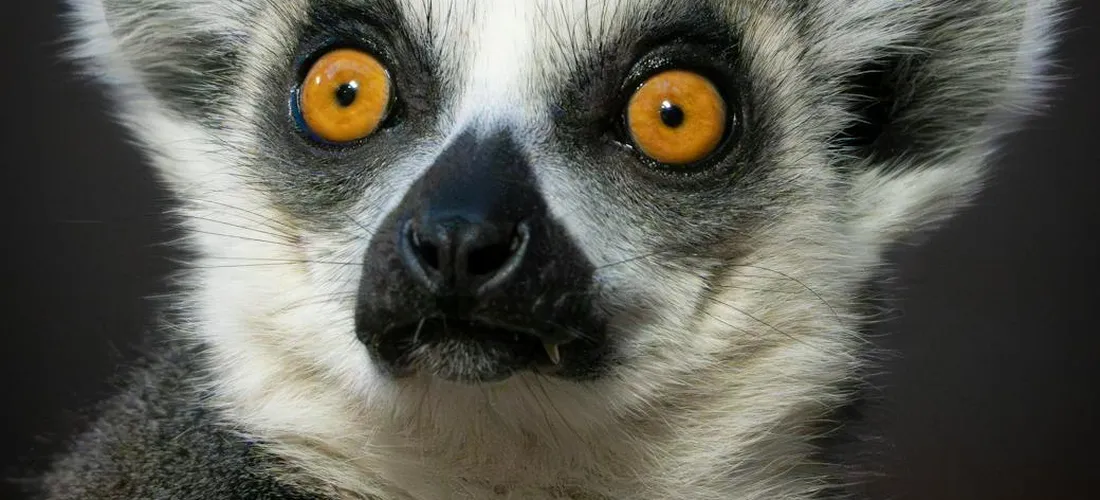
When animals stay with their dead, their actions create a quiet story. They are not building monuments or speaking words. Their rituals are written in touch, in vigilance, and in altered daily rhythms. Seeing this, we begin to understand the possible meanings behind their stillness.
One clear theme is protection. An elephant standing guard over bones, or a mother ape carrying her infant for days, shows a powerful drive to shield the vulnerable body. This behavior mirrors our own human need to protect our loved ones, even in death, from harm or disrespect.
Another theme is social bonding. The group vigil, seen in dolphins or chimpanzees, reinforces the connections between those still living. Their shared attention to the dead strengthens the community. It is a way of saying, “We are here together, and this loss matters to us all.”
These behaviors also serve as learning. For young animals, witnessing death teaches a sobering lesson about danger, the fragility of life, and the boundaries of their world. The prolonged process helps them, and the group, process a profound change in their social landscape.
We can never fully know the inner world of a grieving elephant or crow. We cannot ask them about sadness. What we can see is that their outward actions-the withdrawal, the tender touching, the broken routines-are mirrors of our own human grief responses. Their rituals symbolize a recognition of a life that was, and an adjustment to a world where that life is gone. In psychology, memorials and rituals are seen as paths to healing after loss. These practices frame memory, mourning, and resilience across beings.
The Science of Animal Emotion: Do They Really Mourn?
This is the quiet question behind every touching story. When a dog refuses to eat after its companion dies, is it mourning? Science approaches this with care, avoiding simple human labels while searching for measurable truth.
Neuroscience offers clues. Studies show that mammals and birds possess brain structures, like the amygdala and limbic system, linked to emotion and memory. They produce the same neurochemicals, such as oxytocin for bonding and cortisol for stress, that underpin human feelings of love and grief.
Ethology, the study of animal behavior, looks for proof in action. True grief-like states are marked by prolonged behavioral changes that serve no immediate survival purpose. This includes a mother whale trailing her dead calf for a thousand miles, or surviving elephants visiting the bones of kin years later.
This is not a brief startle response but a deep, disruptive shift. Animals in these states may show listlessness, lost appetite, and social withdrawal-changes that can impact their own health and safety. Such costly behavior points to a significant internal event.
The weight of evidence suggests many animals are capable of deep emotional attachments, and what we see is the complex aftermath of that bond being severed. To call it “mourning” may fit our human vocabulary. What matters more is the respectful acknowledgment of their profound experience of loss, especially in contexts like pet cremation services.
Finding Comfort: Human and Animal Grief Side by Side
Observing animal rituals can feel like looking into a quiet mirror. An elephant family standing vigil for days, touching the bones of their lost member with their trunks, shares the same solemn air as a human wake. The slow, processional march of chimpanzees carrying a deceased infant reflects our own funeral corteges. Even the meticulous care some creatures show in covering a body or moving it to a secluded place echoes our own fundamental need for respectful treatment.
These echoes in nature can normalize the raw feelings of grief. Your sorrow does not make you strange or alone in the world. It connects you to a deep, biological thread of care that runs through the living world. The sight of a deer lingering near a lost fawn, or crows gathering in silence, tells us that mourning is not a uniquely human burden. These patterns also debunk common grief myths about a ‘proper’ way or timeline for mourning. Grief is personal and varied, not a one-size-fits-all process.
Recognizing this shared capacity for loss can soften the sharp edges of our own pain and nurture a wider compassion. It gently reminds us that the bond which hurts so much to sever is a universal, precious thing. This perspective can foster a kinder regard for all beings who experience the weight of absence.
Alternative Reflections Inspired by the Natural World
For some, these observations from nature inspire a different way to honor a human life. If traditional services feel distant, you might find solace in a ceremony that whispers of forests and tides.
These are personal, non-traditional options for creating a unique connection. Consider a quiet dawn vigil in a loved one’s favorite natural setting, mirroring the watchful peace of animal gatherings. You could create a memorial using only elements from that place-stones, leaves, or wildflowers arranged with intention.
Planting a native tree or dedicating a bench in a wildlife sanctuary turns grief into a living sanctuary for others. Another meaningful act is to make a donation in their name to a conservation group protecting a species they admired. This extends their memory into the ongoing story of the natural world they loved.
The goal is not to mimic, but to be inspired. It is about finding a ritual that feels as true and connected as the instinct that guides a creature to tend to its dead. Your tribute can be as simple as returning their ashes to the earth or spending a reflective hour at the root of an old tree, acknowledging the cycle you are both a part of.
Support and Reflection on Shared Loss
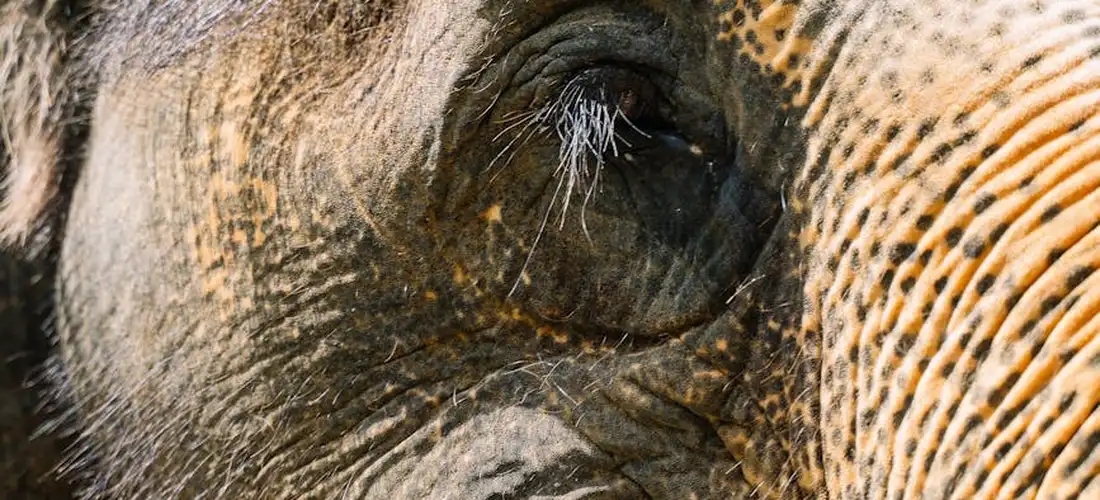
Reading about animal mourning can touch a quiet, personal place. Seeing another creature sit in silence or gently touch a lost companion, we recognize a familiar shape of sorrow. It is natural if these observations bring your own memories of loss closer to the surface.
Grief is not a problem to be solved, but a process that asks for support. If you are carrying a loss, whether recent or long-held, you do not have to carry it alone. Many find comfort in speaking with a grief counselor or joining a support group with others who understand.
In the end, these stories are not just about animal behavior. They are about the shared thread of care that runs through life. The act of stopping, of bearing witness, of lingering near what is gone, is a profound gesture we all seem to know. It is a quiet testament to the bonds that define us, connecting beings across the silent spaces.
Common Questions About Animal Funeral Rituals
How can understanding animal rituals help us in our own grief?
Observing these natural rituals can normalize the feelings of loss, reminding us that grief is a shared, biological experience of care. It can gently encourage patience with our own mourning process and that of others, including our pets, especially during funeral services.
What is the most common thread that connects all animal responses to death?
The most universal thread is a disruption of normal behavior to acknowledge the loss, whether through quiet vigilance, physical care, or communal gathering. These acts symbolize the importance of social bonds and the need to honor a life that was integral to the community.
Do these rituals mean animals understand death the way humans do?
While we cannot know their exact comprehension, their prolonged, deliberate behaviors point to a significant recognition of loss and a change in their social world. The symbolism lies in their visible adjustment to an absence, mirroring the deep emotional impact we understand as grief. For those facing cremation loss, grief support can offer guidance and solace. Access to these resources helps families navigate bereavement and begin healing.
Parting Reflections on Animal Funeral Rituals
Observing the tender rituals of animals reminds us that grief and care in death are profound, universal experiences. This recognition can gently guide you toward honoring your own losses with similar authenticity and respect. It can also open a window to how spiritual beliefs influence death and funeral practices across cultures, offering meaning and comfort in times of mourning.
Let these natural examples inspire dignified, eco-conscious choices in your own Funeral Care journey. Remaining open to learning about Funeral Needs and Funeral Questions ensures that every farewell is met with compassion and thoughtful preparation.
Emiliana Dieter
Emiliana is an author at The Valedictory. She is an experienced funeral care advisor and arranged and organized many funerals as part of her end of life consulting services. She has over 8+ years in the funeral industry managing her family funeral business and helping families cope with the loss of their loved ones. Her articles answer any and all questions you might have regarding funeral arrangements, costs, preparations, etc so you can make this a seamless experience.