
Post-Funeral Gathering Names: A Compassionate Guide
In the quiet after a funeral, you may search for words to describe the gathering that follows. Knowing what to call it can bring a sense of order during a tender time.
This article will help you understand the various terms used for these moments. We will cover common names like repast, wake, and reception; explore cultural and religious differences; and offer gentle guidance on choosing the right term for your situation.
Key Takeaways: A Gentle Guide to the Names We Use
The most important thing is not what you call it, but what it does. This gathering is a space for shared support and quiet remembrance.
You will most often hear one of three names for this event.
- Funeral Reception
- Repast
- Wake
Many other names are just as valid. You might hear “Celebration of Life,” “Gathering of Friends,” or something as simple as “lunch at the hall.” The right name is the one that feels most true to your family.
Understanding the Core Names for a Gathering After a Funeral
People often search for “what do you call a get together after a funeral” because the language can feel uncertain. I want you to know this is very common, and there is no single right answer. Funeral terms and jargon can vary greatly depending on region and tradition.
These names often overlap in modern use. Their traditional meanings can blend, and what one family calls a wake, another may call a reception. The lines are gentle, not hard.
Funeral Reception
A funeral reception is perhaps the most common and broadly understood term. It simply refers to a social gathering held after the formal funeral or memorial service has concluded.
It is often held at a community hall, a restaurant, or a family home. The setting guides the feeling of the event. A hall allows a larger group, while a home offers a more intimate space.
The tone of a reception can range from formally respectful to warmly casual, shaped entirely by the wishes of the family. It is a time for people to connect, share stories, and offer comfort over a cup of coffee or a light meal.
Repast
The word “repast” simply means a meal. In the context of a funeral, it strongly signifies a shared dinner or lunch. The act of breaking bread together is a profound gesture of community and sustenance. In many traditions, this funeral definition event—the post-service repast—helps close the circle of mourning with companionship. Understanding this gathering clarifies how the repast functions as more than food, but a ritual of remembrance.
This term holds particular prevalence in certain cultural and regional traditions, where a communal meal is a central pillar of mourning and support. If you are invited to a repast, you are being invited to share not just food, but in the act of caring for the bereaved. In many cultures, funeral repast meal customs shape how meals are shared and honored after a loss. These practices vary, but they consistently emphasize hospitality, presence, and communal support.
It directly answers the question, “What does repast mean?” It is the meal. It is the nourishment offered, both physical and emotional, after a long and difficult day.
Wake
Traditionally, a wake was a vigil held beside the deceased before the funeral. Friends and family would keep watch, often in the family home, offering prayers and companionship through the night.
In many places today, the word “wake” is used interchangeably for the gathering held after the funeral. Language evolves with our customs. If someone says, “The wake is at the church hall,” they likely mean the post-service gathering. It’s part of the broader funeral practices that differ from one culture to another.
If you are hosting a wake at home, know that it often has a quiet, fluid feel. People may come and go for several hours, sharing memories in the familiar comfort of a living room or kitchen. There is no set schedule, only the gentle rhythm of presence and shared silence.
How to Choose What to Call Your Gathering

Selecting a name is a personal choice, not a strict rule. The right term is the one that feels most natural to you and your family.
Ask yourself gentle questions. Does a certain word bring comfort? Does it sound like something your loved one would have said?
Reflect Family and Cultural Traditions
Older relatives or your religious community often hold wisdom about customary terms. A brief conversation can provide clarity and honor tradition.
Choose the name that feels most familiar and soothing to your immediate circle. This is your time for comfort, not confusion.
Consider the Event’s Tone and Setting
The name can reflect the gathering’s mood. “Reception” may suit a more formal, structured event. “Gathering” often feels softer and more open.
Think about the main activity. A full sit-down meal might align with one term, while light refreshments and shared stories might align with another.
Most importantly, select a name that feels authentic to the spirit of the person you are remembering. Their personality is your best guide.
Planning Considerations for a Post-Funeral Gathering
After deciding on a name, focus shifts to the practical act of care. Planning this gathering is a final gesture of love, but it need not be a burden.
Keep plans simple and manageable. In grief, even small tasks can feel immense, so be kind to yourself.
Focus on Logistics: Venue, Food, and Invitations
Venue options are often simpler than they seem. Many families choose a home, a hall at their place of worship, or a quiet room in a local restaurant.
For food, consider what is easiest for you.
- A potluck where friends contribute dishes.
- Prepared trays from a grocery store or caterer.
- Simple coffee, tea, and baked goods.
Invitations can be spoken, printed on the funeral service program, or sent via a quiet group message. A simple phrase is all you need: “Please join us for a reception in the church hall afterward,” or, “All are welcome to gather at our home following the service.” A brief note on post-funeral gathering etiquette can help ensure the event remains respectful and supportive for mourners. We’ll include a linked etiquette guide in the next steps.
Delegate and Accept Help
When friends ask, “What can I do?” please say yes. This is a time to receive support.
Allow someone you trust to coordinate food, handle setup, or manage cleanup. Delegating these tasks lets you be present with your guests.
You are not expected to manage everything alone. Accepting help honors the community’s desire to care for you, just as you have cared for your loved one.
Alternative Options: Beyond the Traditional Reception
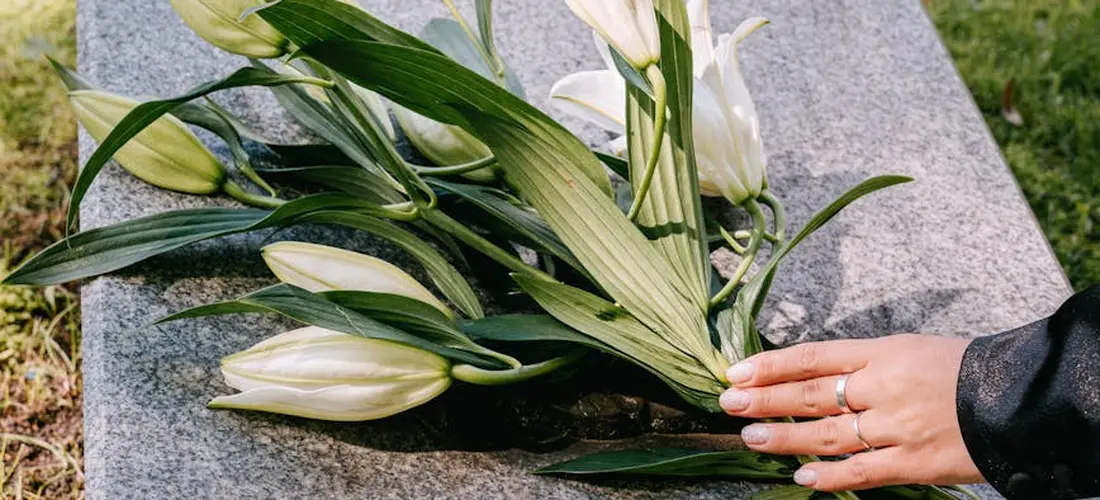
Not every family finds comfort in a standard reception hall gathering. I have sat with many who felt a more personal tribute was needed.
If a formal event does not suit your loved one’s spirit or your family’s needs, consider these gentle alternatives.
Your post-funeral gathering should feel like a true reflection of the life being honored, not an obligation.
A Celebration of Life Gathering
This gathering centers on joyful memories rather than sorrow. It often replaces a traditional funeral service and reception entirely. This approach echoes funeral practices across history and cultures. It invites reflection on how communities remember loved ones in diverse traditions.
People share stories, play music, or display photos in a place that felt like home, such as a community park or a family living room.
Holding it in a meaningful, non-traditional space can make the remembrance feel more authentic and comforting.
An Intimate Family Meal
Choosing to gather with only your closest kin is a valid and profound choice. There is no requirement to extend the circle wider.
In my experience, the simple act of sharing a meal allows for quiet connection when words are too heavy to carry.
The sole priority is the comfort of those who shared the deepest bond with the person who died.
A Note on Etiquette for Attendees and Hosts
Social rules can feel confusing when grief is present. Let me offer some clear guidance to soften those worries.
Kindness and presence always matter more than perfect etiquette.
For Those Attending
Your simple presence is the greatest support. A heartfelt “I’m sorry for your loss” is enough; you do not need to find profound words.
Wear clean, respectful clothing in subdued colors. Your comfort matters, so you can focus on being there for others.
Offering specific help, like bringing a pre-made casserole, is a tangible way to show you care without adding burden.
For the Family Hosting
Give yourself permission to be a guest at this gathering. Let trusted friends manage the refreshments and welcome people at the door.
Grief does not follow a schedule, whether at a funeral service or beyond. It is okay to be quiet, to excuse yourself for a moment, or to let tears fall freely.
You are not hosting an event; you are navigating a loss. Allow yourself the grace to simply be.
Frequently Asked Questions
What if our family has mixed traditions about what to call the gathering?
It is perfectly normal for traditions to blend. Choose the term that feels most inclusive and comfortable for the immediate family hosting, or simply use the clear, descriptive phrase “gathering after the service.”
Is there a difference in what I should expect if it’s called a repast versus a wake?
The core purpose of shared support remains the same. Typically, a “repast” centers on a shared meal, while a “wake” may be more focused on visitation and remembrance, but these distinctions are often gentle.
How do I word the invitation on a service program or in an announcement?
Use clear, simple language that reflects your chosen term. A phrase like “All are invited to a reception in the church hall following the service” or “The family welcomes you to a gathering at their home” provides gentle direction.
Parting Reflections on Post-Funeral Gatherings

The most important choice is selecting a name that brings genuine comfort to you and your guests. Let it be a gentle reflection of the love shared and the memories you wish to hold.
As you consider Funeral Care and Funeral Needs, I encourage dignified, eco-conscious choices that honor both person and planet. Should you have funeral details questions, they can help clarify options, costs, and scheduling. Please continue to explore Funeral Questions, allowing knowledge to offer steady guidance when it is needed most.
Further Reading & Sources
- r/Detroit on Reddit: What do you call the party after a funeral where you eat food with family and friends?
- Whar is the correct name for the gathering held after a funeral? I have heard it called ‘wake’ but I thought that a wake occurred beforehand? – Quora
- What Is the Function After A Funeral Called
- Funeral Repast vs. Reception: What’s the Difference? – Renaissance Funeral Home and Crematory
- What Is a Repast After a Funeral
Emiliana Dieter
Emiliana is an author at The Valedictory. She is an experienced funeral care advisor and arranged and organized many funerals as part of her end of life consulting services. She has over 8+ years in the funeral industry managing her family funeral business and helping families cope with the loss of their loved ones. Her articles answer any and all questions you might have regarding funeral arrangements, costs, preparations, etc so you can make this a seamless experience.