
Legal Burial Regulations and Casket Requirements for a Cemetery Plot
Planning a burial often brings questions about laws and casket rules to the surface. I understand how these details can feel heavy when you are grieving.
This article will walk you through the key points step by step. You will learn about local burial depth regulations, cemetery plot covenants, casket material standards, and how to verify requirements with your cemetery.
Key Takeaways: A Compassionate Overview
You may feel the weight of rules and paperwork right now. It is a heavy load to carry during grief. Please know that you are not navigating this alone; funeral directors and cemetery staff are there to guide you through each step.
The regulations for burial are like layers. State law provides the broad foundation. Your city or county may have local ordinances on top of that. The cemetery’s own policies form the final, and often most detailed, layer.
Understanding these requirements ahead of time can significantly reduce your stress and prevent painful, last-minute surprises. A simple question to the cemetery now can save immense difficulty later.
If you or your loved one wished for a natural burial, know that there is a specific path for that, too. Not every cemetery allows it, but many now offer dedicated natural burial grounds with their own set of respectful guidelines.
Necessary Paperwork and Information
Gathering documents is a practical task that can sometimes offer a moment of focus. The essential papers generally include the official death certificate, a burial permit from the local health department, and your proof of ownership for the plot.
You will need to provide identification for yourself as the arranger. The cemetery may also request identifying information for the deceased for their records.
The cemetery will require specific details to complete an interment order, which is their formal permission to open the grave. This typically includes the full name, date of interment, and vault or casket specifications. Having this information ready helps everything proceed smoothly.
Understanding the Layers of Burial Regulation
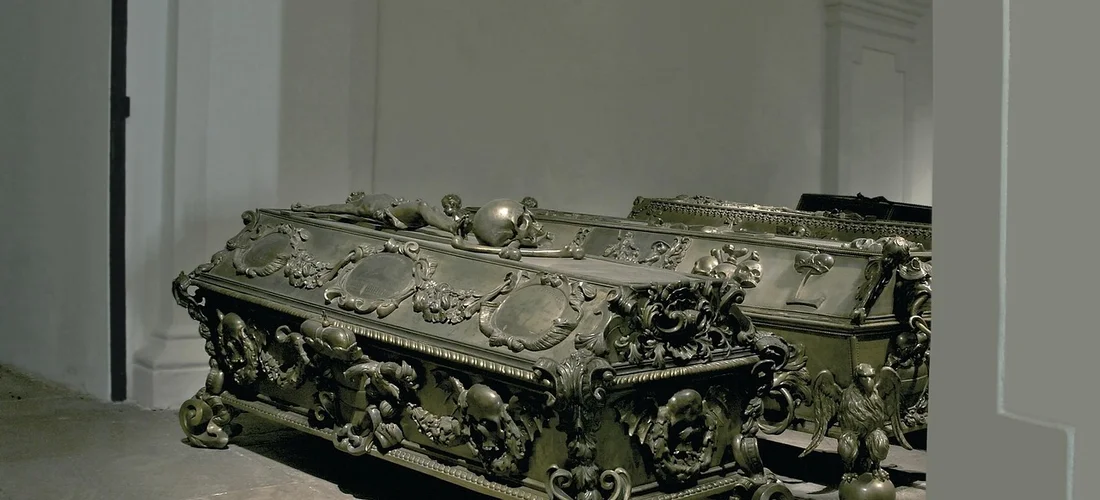
Rules for burial do not come from a single place. They are built from state public health codes, local county or city ordinances, and the individual bylaws of the cemetery itself. These layers frame burial practices within legal and ethical considerations. Understanding them helps ensure dignity, rights, and respect in burial rites.
Imagine these rules as layers of an onion, each one nesting inside the next. You must peel back each layer to understand the full picture. The cemetery’s own rules are usually the most specific and restrictive layer you must follow, so they demand your close attention.
What Do State Laws Typically Govern?
State laws create the basic framework for burial. They typically cover essential matters like obtaining the required permits, observing any mandatory waiting periods, and ensuring graves are dug to a proper depth, but they don’t dictate preparing the body for burial or specific cultural practices.
These laws focus on public health and safety. State law often sets the minimum standard, which cemeteries are free to exceed with their own, stricter requirements.
How Do Cemetery Rules Differ from the Law?
A cemetery is private property. Beyond the law, it can set its own aesthetic and practical policies to manage its grounds.
This is where you will encounter very specific rules. Common examples include:
- Lists of approved casket materials, like solid wood or sealed metal.
- A mandatory requirement for a burial vault or outer container.
- Precise limits on headstone size, material, and how it must be installed.
These rules are not optional; they are the conditions for the care and perpetual upkeep of the sacred space you are entrusting to them.
When to Call a Funeral Director
This is the step where professional guidance is not just helpful, but legally and practically essential. When you are grieving, managing details alone can feel like too much.
A funeral director handles the vital paperwork, secures all permits, and serves as the communicator with the cemetery. I have seen the relief this brings to families.
They are your advocate, ensuring every regulation is met smoothly and with the dignity your loved one deserves.
Is a Casket Always Required for Burial?
Many people ask if a casket is legally required for burial. The short answer is no, a casket is not always mandated by law. But a cemetery’s rules are a different matter. Understanding casket burial legal requirements can help prevent last-minute complications. These requirements vary by jurisdiction and can influence what options are available at burial.
Most traditional cemeteries require a rigid outer container. This rule exists for practical care of the grounds. The container prevents the ground from sinking as the contents settle over time, which protects cemetery staff and visitors.
It is vital to understand this distinction. The required container is often a burial vault or grave liner that encases the casket. In many cases, you could place a simple wooden casket, or even just a shrouded body, inside this outer vault.
What Are the Rules for a Direct Earth Burial?
A direct earth burial means the body is placed in the ground without a casket or a vault. This is the core practice of green or natural burial.
This is only permitted in cemeteries designed for it. You will find these rules at dedicated green burial preserves, some natural burial grounds, or on private land subject to local laws. These places focus on a rapid, natural return to the earth, which guides all their regulations.
Typical requirements include the use of a biodegradable shroud or a casket made of untreated wood, wicker, or similar materials. They also specify a shallower grave depth to promote decomposition and often prohibit the use of concrete or metal.
Can I Use a Homemade or Alternative Container?
Yes, using a homemade casket or a simple shroud is possible. I have seen beautiful, handcrafted pine boxes made by families that brought great comfort.
You must get advance, written approval from the specific cemetery where the burial will take place. Do not assume your choice will be accepted. Call them first.
The cemetery may have requirements for the materials, strength of the construction, or the presence of handles. They need to ensure the container can be safely transported and lowered into the grave.
Navigating Common Cemetery Plot Regulations
Beyond the casket, other rules help maintain the cemetery’s dignity and order. Understanding them is part of planning for a permanent, peaceful resting place.
Think of these regulations as a framework for permanence. They help ensure the site remains a place of respect and memory for generations.
What Are the Rules for Burial Vaults or Liners?
A burial vault is a sturdy outer container, usually made of concrete, metal, or plastic. A grave liner is a simpler concrete box, often with an open bottom. Their primary job is to support the earth above.
Nearly all conventional cemeteries require one or the other to prevent the grave from collapsing. This is the most common rule families encounter.
You have a choice in supplier. While cemeteries sell vaults and liners, you can usually purchase a comparable one from a third-party funeral provider. It must simply meet the cemetery’s basic specifications.
What Should I Know About Monuments and Markers?
Cemeteries have detailed guidelines for headstones and markers. These rules manage the landscape’s appearance and safety.
Regulations often cover the maximum size, approved materials like granite or bronze, and the need for a concrete foundation. You will find rules about the difference between upright monuments and flat lawn-level markers. Some cemeteries also review inscriptions for appropriate content.
Many cemeteries have specific policies for temporary decorations, like flowers or small mementos, which may be cleared away during routine maintenance. It is wise to ask about this, so a loved one’s temporary tribute is not mistakenly removed.
Are There Rules About Who Can Be Buried in a Plot?
Yes, these rules are based on the type of plot purchased. A single plot is for one person. A companion plot is for two, usually side-by-side or one above the other.
A family plot is a larger area for multiple burials. The deed or contract for the plot is the legal document that states who is entitled to be buried there. Always review it.
For cremated remains, most cemeteries allow the interment of multiple urns in a single full-body plot. Policies vary, so confirm how many are permitted. This can be a caring way to keep a family together.
Planning for a Green or Natural Burial

For many people, the question about burial without a casket leads directly to green burial. This choice reflects a desire to return to the earth in the simplest way possible. The regulations for these burials exist not just for order, but to protect a sacred, environmental purpose.
I have walked these meadows and woodlands with families. The peace there is palpable, a quiet promise of renewal. The rules guard that promise fiercely.
How Do Green Burial Cemetery Regulations Differ?
Green burial cemeteries operate on a core set of principles designed to minimize environmental impact. These rules are fundamentally different from conventional cemetery requirements.
The regulations strictly prohibit anything that would hinder natural decomposition or introduce toxins into the soil. You will find no requirement for a concrete vault or grave liner here. The ground must be able to breathe.
- No burial vaults or grave liners are permitted.
- Only completely biodegradable materials are allowed for caskets and clothing.
- Chemical embalming fluids are forbidden. Refrigeration or dry ice are used for preservation when needed.
Many green burial grounds are also conservation sites. They operate under land stewardship rules, sometimes as part of a legal conservation easement. This means the land is protected in perpetuity from development, preserved as natural habitat. Your loved one’s resting place becomes part of a living, protected landscape.
What Are Approved Containers for a Green Burial?
The container for a green burial must return to the earth without a trace. It is a vessel of simplicity, made from materials that were once living.
Approved options are beautiful in their plainness: an unfinished pine box, a woven willow casket, or a simple shroud of cotton, linen, or wool. These materials decompose gently, becoming part of the cycle they support.
- A simple pine box or casket made of untreated, locally sourced wood.
- A woven casket of willow, sea grass, or bamboo.
- A burial shroud made of natural fiber like cotton, linen, silk, or wool.
The list of prohibited materials is just as important. You cannot use anything synthetic or non-biodegradable. This includes metal handles, plastic linings, chemically treated wood, and synthetic glues or varnishes. Even some stains and paints are not allowed. The cemetery will provide you with a clear list of what is acceptable.
Special Considerations for Veteran Burials
Honoring a veteran’s service brings its own set of procedures. Many families find great comfort in the rituals and benefits provided. The process is well-established, but it helps to understand the path ahead.
I have stood with families as the flag was folded. The precision of the honor guard carries a profound dignity. Navigating these regulations is part of securing that final honor.
What are the Casket and Plot Regulations for Veterans?
Burial in a Department of Veterans Affairs national cemetery or a state veterans cemetery follows strict, uniform rules. These rules ensure a dignified and consistent appearance that honors all who served equally.
For interment in a national cemetery, the government provides a casket or shroud at no cost. This is a standard-issue burial container, often made of wood or particleboard, or a simple shroud. There are various casket burial container types to consider. Wood, metal, or fiberglass options are common, depending on cemetery specifications. You may use a private casket that meets cemetery specifications, but the government allowance will not cover its full cost.
The grave marker is also provided by the VA. It will be a standard upright headstone or flat marker, inscribed as requested by the family. The plot itself is provided without charge to the eligible veteran.
Burial in a private cemetery follows different rules. While the VA provides a grave marker and a burial flag, the casket and plot are private arrangements. You must follow that specific private cemetery’s regulations for burial containers and plot purchase. Many private cemeteries have special sections for veterans, but their rules on caskets and vaults will be their own.
FAQ: Cemetery Burial Regulations
Can cemetery regulations change after I purchase a plot?
The rules in your purchase contract are generally binding, but cemeteries may update policies for long-term care. They typically notify plot owners of significant changes to ensure transparency and respect for your arrangements.
Are there exceptions to casket requirements for religious or cultural practices?
Many cemeteries do accommodate religious or cultural needs within their framework. Please reach out to the cemetery directly to discuss respectful solutions that align with both your traditions and their essential regulations.
What should I do if I disagree with a cemetery’s regulation?
Start by calmly discussing your concerns with the cemetery administration to understand the regulation’s purpose. They can often provide clarity or explore alternative options that maintain dignity and compliance for all.
Parting Reflections on Legal Burial Regulations and Casket Requirements
The single most important step is to confirm every detail with your specific cemetery and local jurisdiction before you proceed. This direct communication protects you from unexpected hurdles and allows you to focus on creating a meaningful tribute.
In all matters of Funeral Care, choosing options that prioritize dignity and, where possible, environmental stewardship is a profound act of respect. I gently urge you to continue learning about Funeral Needs and Funeral Questions, as this knowledge serves as a steady guide through difficult decisions.
References & External Links
- The Four Types Of Cemetery Plots | Everplans
- Guide to Cemetery Purchases – Funeral Consumers Alliance
- Everything You Should Know About Grave Plot Sizes Before Making a Decision
- Burial Plot Costs Across Major US Cities (2025 Report)
- Types of Cemetery Plots: A Comprehensive Guide | MERI
Emiliana Dieter
Emiliana is an author at The Valedictory. She is an experienced funeral care advisor and arranged and organized many funerals as part of her end of life consulting services. She has over 8+ years in the funeral industry managing her family funeral business and helping families cope with the loss of their loved ones. Her articles answer any and all questions you might have regarding funeral arrangements, costs, preparations, etc so you can make this a seamless experience.