
Funeral Photography Etiquette: Is It Appropriate to Take Photos?
Holding a camera at a funeral can feel like holding a question mark in your hands. You want to preserve a memory, but you worry about crossing an unseen line.
Drawing from my years in funeral care, I will guide you through this delicate balance. This article covers: understanding core etiquette principles, reading the room and family wishes, practical steps for respectful photography, and alternative ways to honor the moment.
Key Takeaways: Compassionate Guidelines at a Glance
With great care and explicit permission, photography can be part of honoring a life.
It is a delicate act, one that should never overshadow the reason you are all gathered. The core principles are simple but vital.
- Always ask first. Do not assume consent.
- Prioritize discretion over documentation. Your presence matters more than any picture.
- Let compassion guide every decision. If you feel a moment is too private, it is.
Many people wonder if it is acceptable to take pictures at a funeral, and that question itself shows your care. The truest answer always depends on a quiet respect for the immediate family’s wishes and adherence to funeral etiquette.
When Is It Appropriate to Take a Funeral Picture?
Is it ever appropriate? It is a personal and cultural choice, not a universal yes or no.
In my experience, photography feels more like a natural part of the gathering in certain situations. These often involve a clear shift in tone from pure mourning toward celebration.
You might find it more accepted during a celebratory “life ceremony” held separately from the burial. It can be fitting at a reception where people are sharing stories and laughter. The most straightforward scenario is when a family member explicitly requests a photo, perhaps of a floral arrangement or a group of longtime friends.
Some families now hire a professional photographer for the service. This is a growing trend for those who want a gentle, artistic record of the love surrounding them. This designated person handles the responsibility, allowing guests to be fully present.
A Note on Etiquette: Reading the Room
Assessing the solemnity of the event is your most important task. Notice the lighting, the music, the pace of the service. Feel the weight in the room.
Look for clues. Are a few others taking discreet pictures? Has the officiant or a family member mentioned that photography is welcome? Some funeral homes offer to take a formal picture of the deceased in the casket for the family’s private album, which signals their policy on the matter. If you plan to take any pictures, make sure to use them respectfully, especially if they are intended for a photo slideshow at the memorial service.
When in doubt, the safest and kindest choice is to not take photos. Your respectful attention is the greatest gift you can offer.
The Unbreakable Rule: Always Ask for Permission First
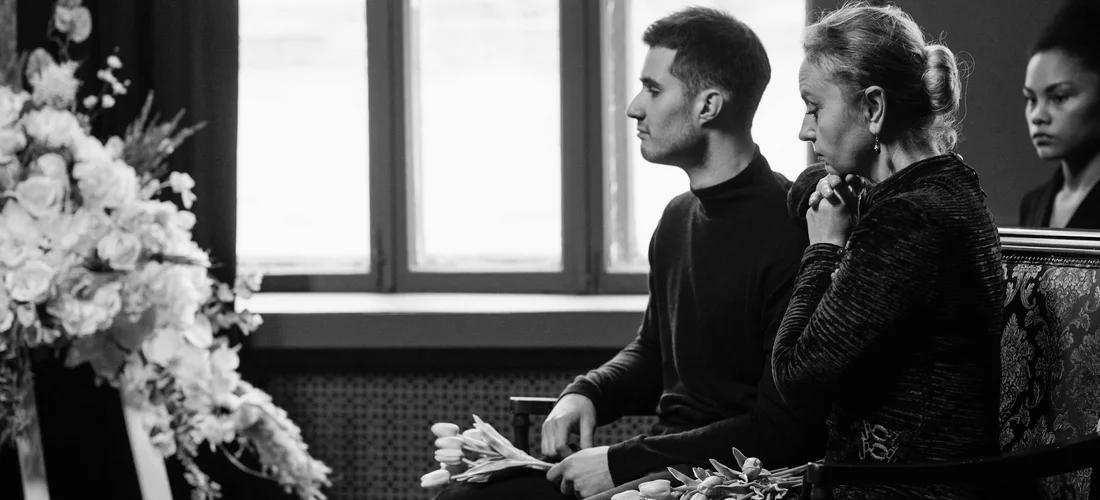
Taking a photo at a funeral is never a neutral act. It is an intimate moment that demands respect. Asking for explicit permission from those in charge is not just polite, it is an absolute requirement. Never assume it is acceptable, even if you see others doing it.
Your request should go directly to the people most affected. The immediate family holds the highest authority in this matter. If you cannot approach them, seek out the funeral director or the officiant leading the service. They can provide guidance on the family’s wishes, especially in situations involving estranged relatives.
When you ask, your words should be gentle and quiet. You might say, “Would it be all right if I took one quiet picture of the flowers to remember today?” or “May I have your permission to take a photo during the eulogy?” If the answer is no, accept it gracefully without question or pressure; a “no” is a complete answer that deserves your full respect.
Practical Etiquette During the Funeral Service
If you receive permission, it is usually for specific, less intrusive moments. A eulogist may welcome a photo as they speak, but you must confirm this with them beforehand. Photographs of floral tributes, the venue, or a shared memory table are often more acceptable than photos of people in deep grief.
Your choice of camera matters. A smartphone, held discreetly and set to silent mode, is often less obtrusive than a large digital camera. Turn the screen brightness down to avoid a glowing rectangle in the dim light. The goal is to be present, not to look like a photographer on assignment.
Never, under any circumstances, use a flash. The sudden burst of light is deeply disruptive in a solemn space. It can break the quiet focus of the service and feels jarring, like a loud noise during a silent prayer.
Candid photos of people weeping or embracing are the most delicate territory. Capturing someone’s raw, private grief without their express consent is a profound violation of their dignity. In my years of service, I have seen how such a photo can feel like an theft of a sacred moment. Only take such a picture if the person has directly asked you to.
Considerations After the Service and Online
The conclusion of the service does not mean the end of respectful conduct. The mood often shifts, but sensitivity remains paramount.
Graveside or Burial Photography
This moment is intensely private for many. The physical act of farewell carries a profound weight. Your presence should feel supportive, not observational.
If you choose to take a photo, use even greater discretion and physical distance than you did inside. A wide shot capturing the gathering from afar, or a quiet detail like flowers on the casket, is often more appropriate than a close-up of the interment itself. The sound of a shutter can feel jarring in the silence. Silence your camera and avoid using flash entirely.
Group Photos or Posed Portraits
Is it ever okay to gather everyone for a picture? The answer depends entirely on the family’s lead.
Sometimes, after the formalities, a funeral becomes a rare reunion. If the grieving family suggests a photo, it can be a gentle way to document connection in a time of sorrow. Posed portraits are acceptable only if the family initiates it and the moment feels like a reunion, not a staged photo shoot. Keep it brief, sincere, and focused on the people, not the surroundings. The mood should be one of shared support, not celebration, especially if the photos are intended for memorial display.
Posting Funeral Photos on Social Media
This is one of the most delicate modern dilemmas. A photo shared online exists forever and can be seen by anyone, including those who were not invited or are still processing their grief privately.
The core rule is absolute: never post a funeral photo on social media without the express, informed consent of the immediate grieving family. Even if you took a beautiful, respectful image, publishing it is not your decision. Ask the family directly, “Would it be alright if I shared this photo? I wanted to check with you first.” Respect their answer without question. A private message to a specific person is always safer than a public post. This is just one of the many funeral etiquette dilemmas you might face.
Personal Perspective: The Weight of a Single Image
I have seen how a single photograph can hold two opposing powers. Years ago, a client showed me a picture taken from the back of the chapel. It was blurry, just the silhouettes of people gathered. She said it was the only image that captured how full the room was with love for her father. She treasured it.
I have also witnessed the pain caused by an intrusive photo, one that captured a raw moment of collapse meant to be private. That image became a source of recurring hurt. The photographer’s intent-to document love, not trauma-is what separates a cherished keepsake from a lasting wound. Before you raise your camera, ask yourself this simple question: am I trying to capture our care for them, or am I just capturing their pain?
How Culture and Religion Shape Funeral Photography
Funeral etiquette is not universal. What feels like respectful documentation in one tradition can be a serious violation in another. Assumptions can cause deep offense, so when in doubt, the kindest action is to ask. Consulting funeral etiquette behavior guidelines can provide a practical framework for respectful conduct across traditions.
Here is general guidance for a few common backgrounds, but always defer to the specific family or officiant.
- Roman Catholic & Orthodox Christian Services: Photography is often permitted, but usually only from the back of the church and without flash. It is typically forbidden during sacred moments like the Eucharist.
- Traditional Protestant Services: Views vary widely. Some congregations welcome photos as a record of the service, while others find it distracting. Observing others or asking an usher is wise.
- Jewish Funerals (Jewish Burial Society): Photography is almost always forbidden at the funeral service and at the graveside. The focus is on the sacredness of the moment and the privacy of the mourners.
- Islamic Funerals: Taking photographs during funeral prayers (Salat al-Janazah) or at the burial site is generally considered disrespectful and is prohibited.
- Hindu & Sikh Antyeshti (Funeral Rites): Practices differ by family and region. Some may allow distant photography of the procession, but close-ups at the cremation grounds are often inappropriate. Direct guidance from the family is essential.
- Secular or Humanist Ceremonies: These are often more flexible, but the wishes of the family are still the final rule. They may actively encourage photos as a way to personalize the farewell.
Some families may desire one formal “funeral picture” to be kept privately in an album. Others see photography as a vital part of memorializing a life and honoring the community that gathered. The only way to know is to listen or ask with gentle humility, especially when you’re discussing funeral details. Your respect for their customs will be remembered long after the day is over.
If You Are Asked to Be the Official Photographer
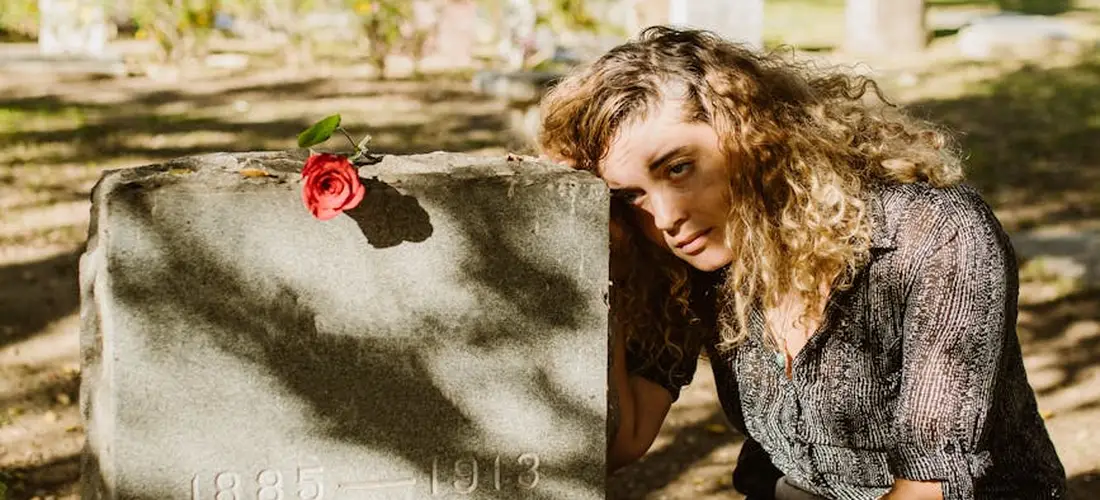
Being chosen as the funeral photographer is a solemn honor. The family is placing their trust in your hands and your lens. I have held this role before, and I know the weight it carries.
Start with a detailed conversation before the service. Sit with the family in a quiet room. Listen more than you speak. Ask which moments they wish to capture, like the gentle touch on a casket or the gathering of old friends. This talk shapes every picture you will take, ensuring your work respects their sorrow.
From that conversation, create a clear shot list. Write down the acceptable scenes. Your list might include the floral tributes, the quiet procession, or a loved one reading a poem. Having this plan focuses your eye and calms your movements.
During the ceremony, your primary goal is to remain invisible. Wear dark, soft clothing. Use a camera with a silent shutter. Stay near the walls or at the back of the room. Your photography should feel like a whisper, never a disruption to the sacred space.
After the funeral, review all images with the family before any sharing. Present the photos in a private setting. Let them guide which images to keep and which to set aside. This review honors their grief and protects their privacy. This aligns with post funeral gathering etiquette, which prioritizes the family’s comfort in the days following the funeral. If needed, note how to handle questions about sharing memories at future gatherings with tact and respect.
These photographs become a private archive for the family. People sometimes ask if funeral homes keep pictures of the deceased. Your role is different. You provide personal memories that the family holds close, a visual record of their love and farewell, especially during viewings or visitations.
Compassionate Funeral Photography: A Brief FAQ
Is using a phone camera considered disrespectful compared to a professional camera?
The device matters less than your discretion. A phone on silent mode can be less obtrusive, while a professional camera should only be used if you are the officially designated photographer.
Are there specific moments during a service where photography might be more acceptable?
Photography is often least intrusive during moments focused on objects or settings, like floral tributes or the venue, rather than on people. Always confirm with the family, as their wishes override any general guideline.
What is the most important principle to remember regarding funeral photography?
Let compassion be your guide, not the camera. Your primary role is to be a respectful presence, and any photography should be a distant second to honoring the family’s need for privacy and peace.
Honoring Choices in Funeral Photography
The single most important guideline is to always ask for permission before taking any photograph. This respectful act ensures your focus remains on supporting the grieving, not on capturing a moment.
In your journey with Funeral Care, pursuing dignified and eco-friendly options can bring peace. A green, eco-friendly funeral path can honor both memory and the Earth. I invite you to gently explore Funeral Needs and Funeral Questions as part of honoring a life well-remembered.
Deep Dive: Further Reading
- r/photography on Reddit: Photographing a funeral tomorrow. Any tips?
- The proper etiquette for photographs at funerals : Fox & Weeks
- How to Photograph a Funeral (Tastefully and With Respect)
- Rules About Photographs At A Funeral – Hollywood Forever
- How to Respectfully Photograph a Funeral | LoveToKnow
- Can you have a photographer at a funeral?
Emiliana Dieter
Emiliana is an author at The Valedictory. She is an experienced funeral care advisor and arranged and organized many funerals as part of her end of life consulting services. She has over 8+ years in the funeral industry managing her family funeral business and helping families cope with the loss of their loved ones. Her articles answer any and all questions you might have regarding funeral arrangements, costs, preparations, etc so you can make this a seamless experience.