
The Role and Meaning of Incense in Catholic Funeral Masses and Vigils
You might notice the sweet, smoky scent of incense during a Catholic funeral and quietly wonder what it signifies. I understand that curiosity, having both witnessed and guided many families through these moments.
This article will gently explain: the historical and spiritual reasons incense is used, its specific actions during the Vigil and Funeral Mass, and the comforting symbols of prayer, purification, and reverence it offers to everyone present.
A Gentle Guide to What the Smoke and Scent Mean
When you smell incense at a Catholic funeral, its sweet, woody scent fills the air. That smoke is more than a fragrance. It is a quiet, physical prayer.
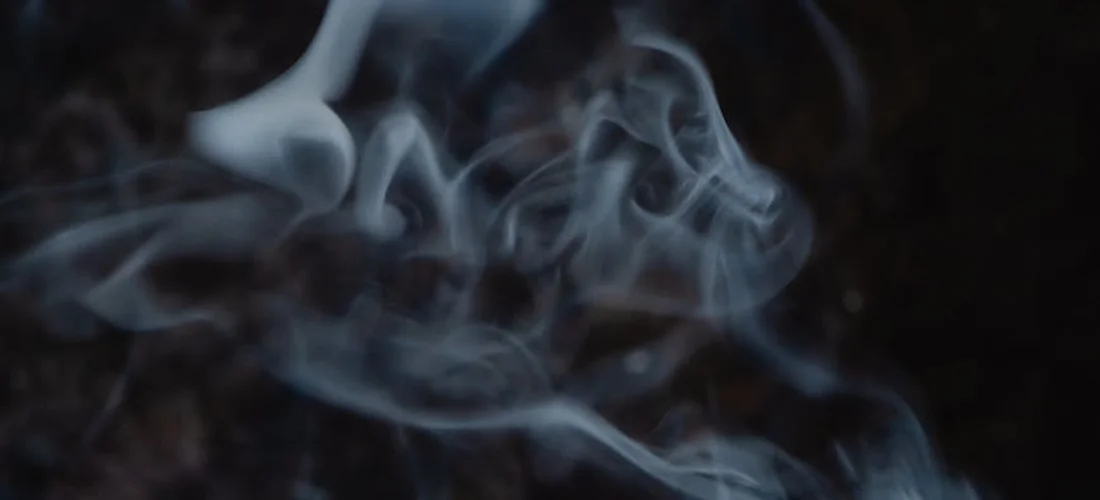
The rising smoke symbolizes our prayers ascending to God. Each gentle cloud represents the hopes and memories we lift up for the person we have lost. It is a visual sigh, a way to express what words cannot.
Incense also signifies sanctification, which means making something holy. The smoke purifies the space and the people in it. It sets the funeral apart as a sacred time. This act honors the dignity of the deceased and the gravity of the moment.
So, what does the smoke mean at a Catholic funeral? It is a multifaceted sign of reverence and hope. The incense honors the body as a temple of the Holy Spirit and expresses our belief in eternal life. The scent clings to memory, tying our grief to a promise of resurrection. Across Christian traditions, Protestant and Catholic funerals often differ in emphasis and ritual. Exploring these differences can illuminate how faith shapes memorial practice.
Incense is known as a sacramental. This means it is a sacred sign that points us to a spiritual reality. It engages our senses of smell and sight to touch our hearts. Through this tangible smoke, we connect with the intangible comfort of faith. I have always found this use of our physical senses to be a profound comfort in times of sorrow.
How Incense Is Used During the Vigil and Funeral Mass
The use of incense follows a gentle, prescribed rhythm. It marks the most sacred parts of the service. Knowing what to expect can bring a sense of peace amidst the grief.
At the Vigil Service, often held the night before the funeral, the atmosphere is more intimate. Incense may be used during the prayers around the casket. A priest or deacon will often incense the remains as a final blessing during this gathering. This act sanctifies the body and the space where family and friends have gathered to remember.
The Funeral Mass incorporates incense at several key moments. The server first prepares the thurible, the metal incense burner. He places glowing charcoal inside and adds granules of frankincense. The chains allow it to be swung smoothly.
The first incensing typically honors the altar. The priest walks around it, swinging the thurible. This ritual purifies the table where the Eucharist will be celebrated, marking it as holy ground. The motion is deliberate and reverent.
Later, before the Gospel is read, the book itself is incensed. This shows special honor for the words of Jesus. The server carries the thurible to the priest, who adds more incense if needed.
The most poignant moment for many families is the incensation of the casket or urn. This happens during the Final Commendation. The priest circles the remains with the thurible, sending prayers heavenward for the soul of the departed. Sometimes, the immediate family is also incensed as a sign of the community’s support and prayer. Through these funeral services, families begin the process of grief healing with community support. These rituals help turn sorrow into remembrance and offer a path toward healing.
The thurible itself is a vessel of brass or silver, suspended on chains. A server, called a thurifer, carries it with care. The gentle clicking of the chains and the slow, sweeping arcs create a rhythm of reverence that is deeply moving. The use at the Vigil is often simpler, while the Funeral Mass follows the full liturgical tradition.
Preparing for a Service: Common Questions Answered
Planning a funeral mass involves many details. The use of incense is one that often brings up practical questions for grieving families. Different religious traditions have various funeral service types and rites, which can influence prayers, readings, and ceremonies. These options help families plan a service that reflects their beliefs and values.
What type of incense is used?
Catholic churches typically use resin incense burned on charcoal. The most traditional and common blend for funeral services is frankincense and myrrh.
Frankincense offers a clean, woody scent symbolizing prayer rising to God. Myrrh provides a deeper, more earthy aroma, historically used for anointing and burial.
Together, this blend carries profound meaning: it honors the deceased as both a prayerful soul and a physical body returning to the earth.
Can our family choose or provide the incense?
This depends on your parish. Most churches have a standard supply they prefer to use for consistency and quality.
It is always appropriate to ask your priest or the funeral coordinator. In my experience, many are open to families providing a special blend if it is of high liturgical grade, especially when it aligns with Catholic funeral mass requirements and traditions.
A gentle conversation with your parish staff is the best first step to understand what is possible in your specific situation.
Who handles the incense during the service?
The incense is almost always handled by a priest, deacon, or an instituted acolyte. It is a formal liturgical action.
They will prepare the charcoal and incense in a metal censer, called a thurible, before the rites begin.
What if I am asked to participate?
Sometimes a family member is invited to carry the incense boat, the small container that holds the resin.
This is a simple but profound honor. You would typically walk beside the person carrying the thurible and present the boat when they need to add more incense.
The priest or server will give you clear, quiet instructions beforehand. Your role is one of silent, supportive presence.
If you are asked, know that it is an invitation to be closely involved in a sacred moment of farewell.
Etiquette and Personal Reflection for Attendees
As a mourner, participating in the ritual of incensing is mostly interior. Your presence and prayer are what matter most.
What should I do during the incensing?
When the priest or deacon begins to incense the casket or urn, the congregation usually stands. This is a sign of respect.
Observe a prayerful silence. You may wish to bow your head, make the sign of the cross, or simply follow the path of the smoke with your eyes.
There are no wrong gestures here, only a shared, quiet reverence for the mystery of life and death.
The sensory experience of prayer
Funeral rites engage all our senses to guide our grief. The sight of the solemnly swinging thurible and the slow, rising smoke is a visual prayer, deeply intertwined with various funeral ceremonies and rites across cultures and religions.
The scent fills the space. It is ancient and immediate. It can feel heavy, like sorrow itself, yet also lifting, like a plea for peace.
Let the smell and the smoke pull you into the moment. It asks us to be present, not just in mind, but in our whole being.
A lasting, comforting memory
I have sat with many families in the quiet days after a funeral. Often, someone will mention the scent of the incense as part of post-funeral rituals for purification.
They say it clung to a sweater or a prayer book. For a moment, it brought them right back to the church, to that final prayer.
What strikes me is that they seldom say this with sadness. They speak of it as a solid, tangible memory of when they gathered to honor their loved one. These moments are further described through the terms people use for those present—mourners, attendees, the bereaved. The choice of label subtly marks roles and memories in the funeral gathering.
The smell becomes an anchor. Long after the words of the homily fade, that distinctive, holy scent remains-a sensory echo of a community’s love and a soul’s commendation to God.
Caring for the Thurible and Incense After the Service
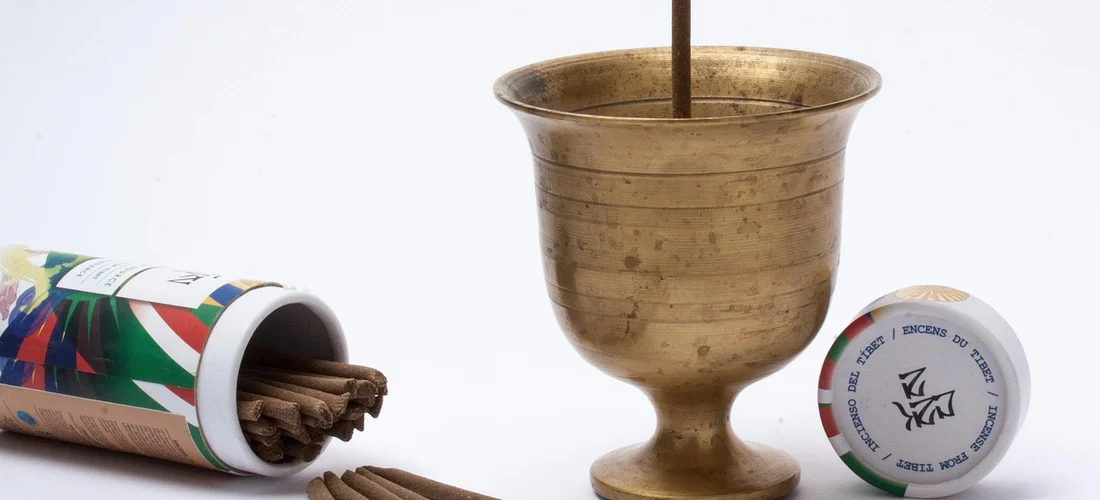
Once the final blessing is given, the thurible is set aside. The parish staff or altar servers almost always handle its care, so your family can simply leave it be. Knowing this can bring peace of mind during a draining day.
They will let the metal censer cool before safely emptying the spent charcoal and incense. These remains are often treated reverently, buried or placed in a designated sacred waste container. The thurible is then cleaned and stored for its next use.
If your family owns a thurible, ensure it is completely cool. Gently tap out the ashes into a paper bag for later respectful disposal. Wipe the interior bowl with a dry cloth to remove any gritty residue.
Store your cleaned thurible in a dry place, cushioned by a soft cloth. This simple maintenance preserves the vessel, keeping it ready to serve with dignity when needed again.
A Quiet Note on Tradition and Comfort
I have stood in many chapels, watching families in their first raw hours of loss. The slow, rhythmic swing of the thurible often seems to calm the very air around them. It is a sensory anchor in a sea of change.
The scent of frankincense or myrrh carries prayers upward. For many, this ritual feels like an embrace from generations past, a silent promise that their loved one is honored. It offers a shape to grief when words fail.
Tradition does not erase pain, but it can hold it gently. This continuity provides a profound dignity, reminding us that love and farewell are part of a much longer story. In the quiet smoke, I have seen people find a moment of solace, a tangible connection to faith and memory.
Thoughtful Questions on Funeral Incense

What if I or another attendee is sensitive to the smell of incense?
Please know your comfort is important. You can quietly move to an area with more airflow, such as near a doorway, and most parishes will understand.
As a non-Catholic attending, how should I respond during the incensing?
Your respectful presence is what matters most. Observing a quiet reverence, whether sitting or standing as others do, is a perfectly appropriate way to join in this moment of honor.
Is there meaning behind the chains on the incense burner (thurible)?
Yes, the chains allow the thurible to be swung gently, creating the rising smoke that symbolizes our prayers. They also represent the solemn responsibility of carrying out this sacred ritual with care.
Reflections on Incense in Catholic Funeral Masses and Vigils
The most important guidance is to understand incense as a sacred sign of prayers rising to God and honor for the person who has died. Its gentle smoke offers a sensory reminder of faith and comfort during a time of loss.
In your approach to Funeral Care, choosing dignified and eco-friendly options can thoughtfully address Funeral Needs. Seeking answers to Funeral Questions is a compassionate step toward planning with respect and assurance.
Further Reading & Sources
- Symbols in the Funeral Mass – Holy Trinity Roman Catholic Church – Whitestone, NY
- Why is incense used at Mass? – Arlington Catholic Herald
- The Role of Holy Water, Incense, and Crucifixes in Catholic Funerals
- Why Is Incense Used During Mass? | EWTN
- Holy Smokes! What’s With All The Incense? – St. Joseph Maumee
- What Is The Significance Of Incense At A Catholic Funeral?
- Why do we use incense in worship? | Simply Catholic
- What is the significance of incense in a Catholic funeral? – Quora
Emiliana Dieter
Emiliana is an author at The Valedictory. She is an experienced funeral care advisor and arranged and organized many funerals as part of her end of life consulting services. She has over 8+ years in the funeral industry managing her family funeral business and helping families cope with the loss of their loved ones. Her articles answer any and all questions you might have regarding funeral arrangements, costs, preparations, etc so you can make this a seamless experience.