
How to Find Burial and Cremation Records: A Guide for Families
You may be looking for a final resting place, tracing your family history, or handling a practical matter. It is a search that often begins with a quiet question, and I have helped many people find their answers.
This guide will walk you through the steps to find these public records. We will cover where to begin your search, the common challenges you might face, and how to access records both online and in person.
Key Takeaways: A Compassionate First Step
Searching for a loved one’s final records is often more than paperwork. It is a tender journey through memory and loss. I want you to know that this task, while difficult, is within your reach.
Start gently with the facts you carry with you. Write down their full name and the date they died. Note the last place they called home. Beginning with what you know creates a solid path forward.
Next, gather the physical pieces: the death certificate, old addresses, any letters. Understand that each town hall or archives office has its own rules for sharing information. Some may ask many questions, while others offer help freely.
Your careful, continued search is a profound act of devotion. This persistence is a quiet form of care, a way to uphold your connection. Yet, if you feel overwhelmed, it is a sign of strength to ask a trusted person for their support.
Gathering Your Essentials: Necessary Paperwork and Information
Having the right documents ready will save you time and repeated conversations. It brings a small order to a challenging process.
Collect these details before you make any contact:
- The complete legal name of the deceased, including any nicknames or prior surnames.
- The precise date of death, if possible.
- The location where they died or were last known to reside (city, county, state).
You will need a certified copy of the death certificate; it is the universal key for official requests. Also have your own government-issued identification ready, such as a driver’s license. This proves your relationship or your legitimate reason for inquiring.
Any extra information you remember can be a great help. The name of the funeral home or the cemetery, even if you are unsure, provides a starting point. Offering these details can turn a long search into a shorter, kinder conversation.
What Burial and Cremation Records Actually Are
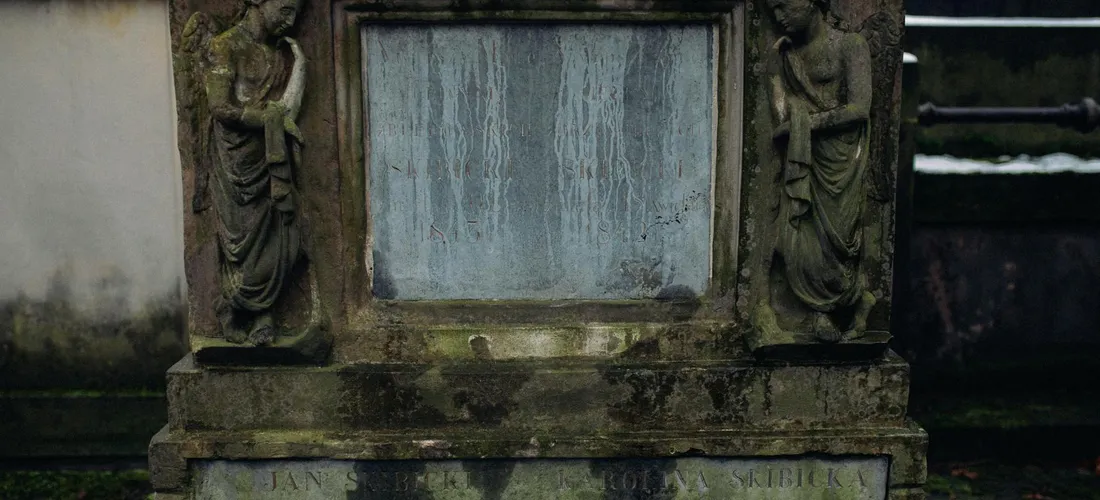
Burial and cremation records are the official documents created when a body is laid to rest. They are separate from the medical and legal details found on a death certificate.
A burial record is a file from a cemetery. It notes where a person is buried. You will find the plot number, the burial date, and often the names of the person’s next of kin.
A cremation record comes from a crematory. It confirms the cremation took place. It lists the date, the crematory’s identification number for the process, and where the ashes were sent or scattered.
These records differ from a death certificate, which is a legal document stating the cause, time, and place of death. You might need a death certificate to settle an estate or claim insurance. You need a burial or cremation record to locate a gravesite or confirm the specifics of a final disposition.
A Step-by-Step Guide to Where and How to Look
Begin your search where the care was provided. Funeral homes, cemeteries, and crematories keep the primary records. Broaden your search to government offices and community archives if your first attempts do not succeed.
Always have key details ready before you make contact. This shows respect and helps staff find the correct file quickly.
- The full name of the deceased.
- Their date of birth and date of death.
- The location (city, county) where the death occurred.
Call in the mid-morning, Tuesday through Thursday, if you can. This is often a quieter time for funeral home and cemetery offices.
Start with the Funeral Home or Direct Care Provider
The funeral home that managed the services is an excellent first step. They create detailed files and often keep them for decades.
To find them, search online using the deceased’s name and the town of the funeral. Old memorial cards or obituaries almost always name the funeral home. If a business has closed, try contacting other local funeral directors. They may know where old records were transferred. Additionally, you can search for obituaries and death records through online databases.
When you call, ask specifically for a “burial and transit permit” copy or the “cremation authorization file.” Be prepared for a small fee to cover copying and mailing. Staff are usually willing to help, especially if you explain you are family seeking closure. For a straightforward path forward, our cremation funeral services step guide outlines the next steps and what to expect.
Contact the Cemetery, Crematorium, or Final Resting Place
If you know the cemetery name, you can search for its administrative office online. For a public cemetery, contact the city or county clerk’s office. For a private or religious cemetery, look for a dedicated phone number or contact the associated church or synagogue.
The cemetery office can provide a record of interment. This document proves someone is buried there and gives the exact plot location. They may also have a map to help you find the gravesite.
A crematorium can provide a certificate of cremation, which is different from a death certificate. This document is crucial if you need to verify what happened to the ashes or if you are handling affairs for someone who was cremated years ago.
Reach Out to Local and State Health Departments
Vital records offices, often part of the state health department, sometimes maintain burial and cremation permits. This varies widely by state and county. Access laws also differ. Some records are public, while others are restricted to immediate family.
Visit your state’s health department website. Look for a “Vital Records” or “Vital Statistics” section. They will list what records they hold, the request forms you need, and the required proof of relationship.
You can often submit a request by mail or through a secure online portal. Have your identification and any known details about the death ready to fill out the form completely. Incomplete forms are the most common reason for delays.
Explore Libraries, Historical Societies, and Online Databases
For older records, especially from before the mid-20th century, local archives are invaluable. Historical societies and public libraries often have collections of old cemetery ledgers, church burial records, and city documents.
Librarians and volunteer historians can be wonderful guides. They know the local landscape and may point you to resources you would not find on your own.
Several reputable websites host digitized records for genealogical research. FamilySearch.org is a free tool used by many. Websites like Find a Grave rely on volunteer submissions, which can be helpful but are not official.
Use these online tools as a starting point or a clue, but always try to verify the information with an official source when possible. If you’re researching ancestral burial sites, this approach helps you stay on the right track. The online index may point you to a cemetery, but the cemetery office holds the definitive record. A quick follow-up with the cemetery office can confirm family plots and burial dates.
Understanding Public Access: Are These Records Really Public Information?
Are burial records public information? Are cremation records public? I hear these questions often, usually whispered with a mix of hope and hesitation.
There is no single, simple answer. Imagine trying to find a specific book in a vast, old library where each section has its own keeper and rules.
Access depends on three main factors. State laws are the foundation, and they vary from place to place.
The policies of the record keeper, like a cemetery or county clerk, add another layer. Your relationship to the person who died is the final, personal piece.
You must always consider local law, institutional policy, and your own connection.
If you are denied access, please try not to see it as a closed door. First, ask gently for clarification. Inquire if being a next-of-kin would change the decision, and what proof they might need.
You can also prepare a formal, written appeal. State your reason clearly, whether for family history or settling an estate.
A polite and patient approach, rooted in respect for privacy, is your strongest tool.
When to Call a Funeral Director for Guidance
There are moments in this search when the kindest thing you can do is ask for a guide. I have been that guide for many weary travelers.
Reach out to a funeral director in these specific situations. Records might be sealed by a court order or considered part of a confidential investigation. Obituaries and privacy laws intersect with public records, and access varies by jurisdiction. Some details may be restricted to protect families.
Sometimes, records are simply missing due to time or disorganization. In complex legal cases, like contested wills, the paperwork becomes evidence.
When the path is blocked by law, loss, or legal complexity, a professional’s map is invaluable.
We act as compassionate intermediaries. We know the language spoken by cemeteries and state offices, and we can make the calls you might find too heavy to lift.
This help is a mark of wisdom, not a failure. Grief has a weight that can make even a phone call feel impossible.
Letting someone navigate the bureaucracy for you is an act of self-care. It allows you to preserve your strength for remembrance.
Frequently Asked Questions
Are burial and cremation records considered public information?
In many cases, yes, but access is governed by a combination of state law and the policies of the specific record holder. Your relationship to the deceased and your reason for requesting the record may also be considered.
What if I only have limited information to start my search?
Begin gently with whatever details you do know, such as a full name and a last known location. Funeral directors and archivists are often skilled at using these clues to help guide your search toward the correct jurisdiction or repository.
Can I access records if I am not an immediate family member?
This depends entirely on the access rules of the agency or institution holding the record. Many genealogical and older records are publicly accessible, while more recent records may have restrictions; a polite inquiry about their policy is the best first step.
Honoring the Search for Burial and Cremation Records
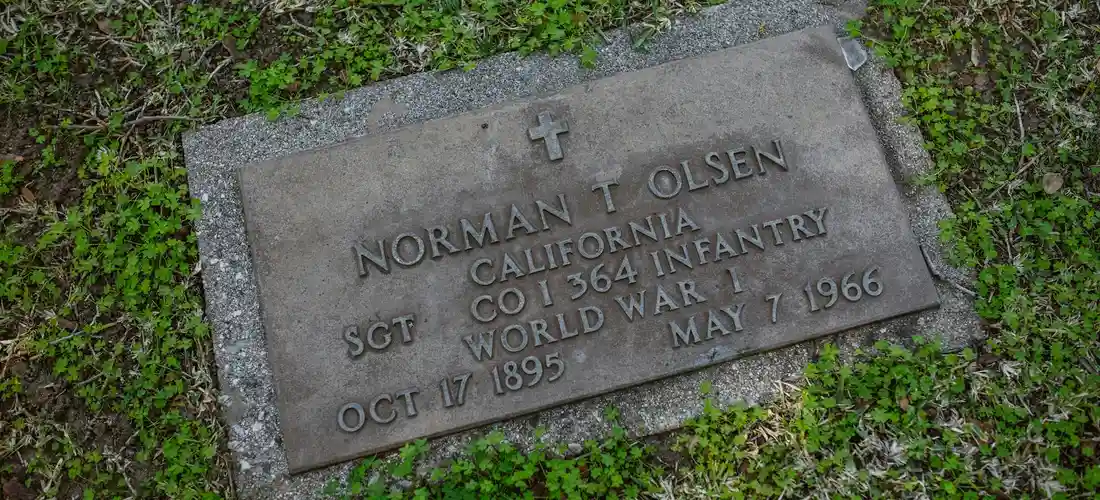
The most important guidance I can offer is to begin your search with patience and local resources, such as county clerks or online state archives. This systematic approach, paired with self-compassion, is your steadiest guide through a process that intertwines facts with feeling.
As you reflect on Funeral Care, Funeral Needs, and Funeral Questions, let this journey inform choices that prioritize dignity and environmental care. Carry this learning forward, trusting that thoughtful preparation is a profound act of respect for those who have passed and for those who remain.
Deep Dive: Further Reading
- Burial records, cremation records, grave maps, genealogy and ancestry at Deceased Online
- Find a Grave – Millions of Cemetery Records
- Guide to Cemetery Research in New York | New York Genealogical & Biographical Society
- How to find cemetery records online | Who Do You Think You Are Magazine
- r/Genealogy on Reddit: How do you list cremations on Find A Grave and FamilySearch?
- United States Cemeteries • FamilySearch
- Online Cemetery Records and Burial Indexes (USA)
- FamilySearch.org
Emiliana Dieter
Emiliana is an author at The Valedictory. She is an experienced funeral care advisor and arranged and organized many funerals as part of her end of life consulting services. She has over 8+ years in the funeral industry managing her family funeral business and helping families cope with the loss of their loved ones. Her articles answer any and all questions you might have regarding funeral arrangements, costs, preparations, etc so you can make this a seamless experience.