
A Guide to Funeral Home Services for Cremation and Morgue Operations
When death occurs, the details of cremation and morgue care can feel daunting. I want to help you navigate these steps with clarity and kindness.
This article will explore the compassionate support available, focusing on the morgue’s role in dignified body care, the step-by-step cremation process, essential legal and paperwork assistance, and the personal choices for remembrance.
Key Takeaways: Compassionate Care from Start to Finish
When you first need a funeral home, the world can feel heavy and confusing. My role is to carry the practical weight so you can carry your heart. Funeral homes provide a quiet, steady continuum of support that touches every part of the journey.
Our work begins with professional, reverent care for the person who has died. This means respectful transportation from any location, careful preparation, and maintaining their dignity at every step. It happens in our preparation room, a space of quiet focus where we work with gentle hands.
We then provide clear guidance for you and your family. We navigate the required paperwork, help plan a meaningful tribute, and answer every question you have. We sit with you and explain things as many times as you need, because grief can make even simple forms seem impossible.
Finally, we manage all the operational details with expertise. We coordinate directly with crematories, morgues, and cemeteries. We ensure identification procedures are followed precisely and that every legal and logistical step is handled correctly. You should not have to make those difficult calls.
These services exist for one simple reason: to lift specific burdens from your shoulders. They are designed to create a space for you to breathe, to remember, and to begin grieving without the immediate pressure of logistics.
A Quick Snapshot: Service and Care Options
Every family has different needs and wishes. This simple comparison shows how common service paths differ in their focus. Your funeral director will help you understand all the choices within each option, making it easier to choose the right services for your family.
| Service Type | Typical Included Services | Focus |
|---|---|---|
| Direct Cremation | Transfer from place of death, necessary permits, cremation process, basic temporary urn. | Simplicity and privacy. A direct, unceremonial process followed by a family gathering later. |
| Cremation with Memorial Service | All services of direct cremation, plus use of facilities for a visitation or service after cremation. | Ceremony and flexibility. Allows time to plan a personalized tribute without immediate time constraints. |
| Traditional Burial | Transfer, embalming and preparation, use of facilities for visitation and funeral service, coordination with cemetery. | Tradition and ritual. A formal, scheduled sequence of events with the body present. |
Costs for these services vary widely based on your location and the specific items you select. By federal law, funeral homes must provide you with a detailed price list for all goods and services, helping you make a clear and informed choice. To help you plan ahead, consider the funeral costs expenses guide for a clear breakdown of typical charges. This guide will be referenced in the next steps to support budgeting and comparison.
The First Call: What Happens When You Contact a Funeral Home
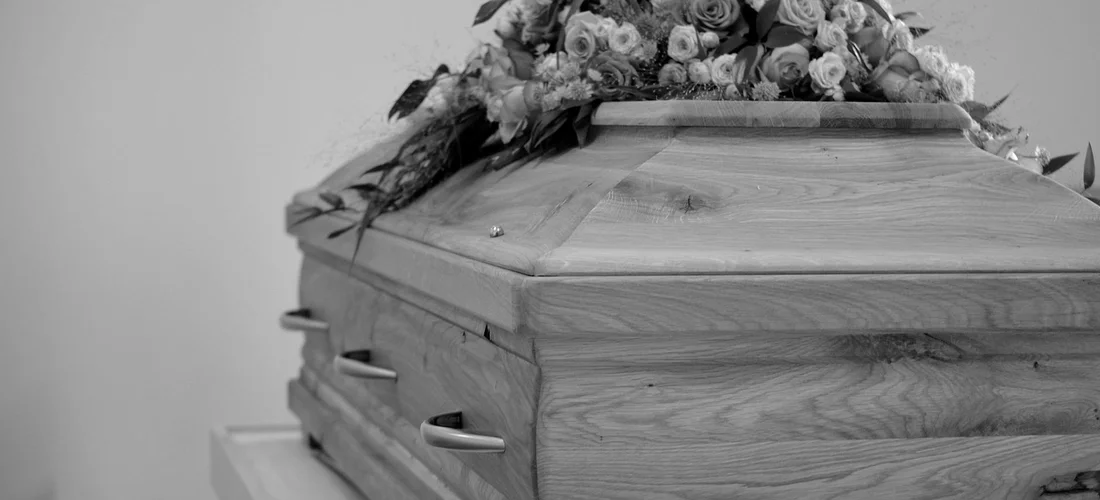
When you first call, a soft voice answers. I listen, giving you space to share what has happened. This initial conversation is about gathering facts with kindness, not rushing.
We note the name, location, and any immediate needs. My team is then quietly dispatched. They bring dignity and care to the transfer from a home, hospital, or nursing facility.
This is the moment when we begin to discuss your wishes, including whether you are considering cremation. People often ask, ‘do funeral homes cremate bodies?’ and the answer is yes, we guide you through that entire process of body cremation.
Choosing a local home matters. When you look for funeral cremation services near me, you find professionals who know your community’s laws. We handle the specific permits and rules for your state and county, so you don’t have to.
Cremation Services: A Guided Path from Care to Ashes
The Essential Steps of Funeral Home Cremation Care
Cremation is a series of careful, respectful acts. I have walked many families through this path, and it always follows a clear sequence. This often includes the family present cremation process, where loved ones participate with guidance and support.
- We secure all necessary authorizations. This includes the death certificate and a cremation permit, which are legal requirements we manage for you.
- Your loved one is gently prepared. We use identification tags that stay in place throughout the journey. This safeguard is our promise of integrity.
- The cremation occurs. Not all funeral homes have a crematorium on site. Some, like ours, may operate our own, while others use a trusted partner facility. The care and standards remain equally high.
- The remains are processed into a fine ash. They are placed with care into a temporary container or the urn you have selected, ready to be returned to you.
So, do all funeral homes have a crematorium? No, but they all provide access to one. They also include funeral home services facilities—viewing rooms, chapels, and arrangement offices. The model varies, but the care and reverence remain constant across providers.
Beyond the Basics: Memorialization and Personalization
Cremation does not mean goodbye must be hurried. We help you create moments for remembrance. This could be a viewing before cremation, or a memorial service after, with the urn present.
You can plan an ash scattering ceremony that feels personal and peaceful. I have seen families find great comfort in these rituals, whether by a lake or in a garden.
We also help you choose an urn, from simple wood to polished ceramic. You might select keepsake jewelry or a small memento urn for a child. We assist in writing and placing an online obituary, a digital tribute for friends far and wide.
Afterward, the quiet can feel heavy. Most funeral homes offer or can connect you with grief support groups or counseling. This ongoing care is part of honoring the journey you are on.
Morgue Operations and Mortuary Care Within a Funeral Home
The Role of the Funeral Home Morgue
The words ‘morgue’ or ‘mortuary’ might sound impersonal. In a funeral home, they describe a quiet, respectful space for holding and preparation. In that setting, trained staff perform body preparation with care and dignity. This process is designed to honor the deceased and support families through their time of loss.
This area serves as a temporary shelter, offering a secure and dignified place for your loved one to rest. Its primary functions are straightforward yet caring.
We use refrigeration for preservation, which allows time for family decisions without haste. The space also provides privacy for embalming or dressing, if those services are chosen.
I always ensure this work is done with a gentle touch, much like a silent act of guardianship.
Please know, this is different from a medical examiner’s office morgue. Our role is one of care, not investigation.
Addressing Common Questions About Funeral Home Morgues
Families often have practical questions during this difficult time. Let me address a few common ones with clarity.
Can a funeral home do an autopsy? No, autopsies are medical or legal procedures performed by licensed pathologists. Funeral homes cannot conduct them. We can, however, coordinate respectful transportation to and from the proper facility, handling those details for you.
What happens if a body is not claimed? Funeral homes operate under strict ethical and legal obligations. We work with county or city authorities to ensure a dignified disposition according to the law. This process is managed with compassion, never as a mere administrative task.
You should also know that many funeral homes are on call around the clock. We provide prompt and dignified transfers from hospitals, medical examiners’ offices, and nursing homes, ensuring care begins from the very first moment.
Navigating Paperwork and Legalities with Your Funeral Director
The legal documentation after a death can feel like a maze. Your funeral director guides you through it all.
We handle the key documents, which typically include:
- Official death certificates.
- Cremation authorization forms.
- Permits for transportation or burial.
- Any necessary releases from a medical examiner.
Managing this paperwork is a fundamental service that protects you from navigating complex bureaucracies while you grieve. I consider it a profound responsibility to lift this burden from your shoulders.
We adhere to all local laws, such as the Funeral and Cremation Services Act in Saskatchewan. This expertise in regulations ensures every step is handled correctly and with dignity, giving you one less thing to worry about.
When to Call a Funeral Director: The Professional Guidance Verdict
In my years of service, I have seen families carry a heavy weight trying to manage everything alone. A licensed funeral director is required by law for the essential tasks of transportation, filing the death certificate, and the direct supervision of cremation or burial. This legal framework exists not to complicate your life, but to protect you and ensure everything is handled with proper care.
You are not expected to know the statutes or paperwork. That is our duty. Think of us as the steady hands that manage the details you should not have to bear.
Specific Moments to Reach Out
Knowing when to make that call can bring immediate relief. Here are the clearest times to reach for the phone.
- Immediately after a death occurs, any time of day or night. We are here for the moments when the world has stopped. A late-night call is not an interruption; it is the reason we keep our lines open.
- When you need to understand your options and their costs. The choices can feel overwhelming. I sit with families and explain everything simply, from direct cremation to full services, so you can decide what feels right without pressure.
- When legal documents, like the death certificate, are needed. This paper is the key to settling an estate, and its proper filing is a meticulous process. We obtain the necessary signatures and file it with the state, sparing you that bureaucratic maze.
- When you wish to plan any form of service or final care. Whether you envision a quiet gathering at the graveside or a memorial celebration of life, we help translate your wishes into reality. We handle the logistics, so you can focus on remembering and healing.
My role, and that of my colleagues, is to be both a compassionate guide and a practical expert. We walk with you through the legal and logistical steps, ensuring every action is taken correctly and with the deepest respect for the person you love. In doing so, we hope to give you the space to grieve, to remember, and to begin to find your footing again.
Common Questions About Cremation and Funeral Home Care
How do I find a reputable funeral home for cremation services in my area?
Start by asking for recommendations from trusted community members or your place of worship. A reputable home will be transparent about their pricing, clearly explain their process, and hold all required state licenses.
What is the purpose of a Funeral and Cremation Services Council, like in Saskatchewan?
These regulatory bodies ensure that licensed providers adhere to strict standards of care, ethics, and consumer protection as outlined in provincial law. They serve as a resource for the public, offering guidance and oversight to maintain trust in the profession.
Can the funeral home help us create and publish an obituary?
Yes, most funeral homes offer obituary writing and publication as a key service to support families during a difficult time. They can guide you in crafting a meaningful tribute and handle its placement in newspapers or online memorial sites per your wishes. Next, we’ll outline how to write and publish the obituary, with clear steps and links to the resources you’ll need.
Parting Reflections on Funeral Home Services
The most vital guidance I can offer is to speak openly with your funeral director about every service available. This honest conversation ensures the cremation or morgue care provided aligns with your personal needs and brings a measure of comfort during a difficult time. A cremation funeral services step guide can help you map the process in clear, manageable steps. It can be a helpful companion as you prepare for what comes next.
I encourage you to consider dignified, eco-conscious choices as a final act of care. Continuing to learn about Funeral Care, Funeral Needs, and Funeral Questions is a practical, respectful way to honor life and legacy.
Further Reading & Sources
- What Is The Difference Between A Morgue And A Mortuary?
- Is there a difference between funeral home and a mortuary?
- Morgue – Wikipedia
Emiliana Dieter
Emiliana is an author at The Valedictory. She is an experienced funeral care advisor and arranged and organized many funerals as part of her end of life consulting services. She has over 8+ years in the funeral industry managing her family funeral business and helping families cope with the loss of their loved ones. Her articles answer any and all questions you might have regarding funeral arrangements, costs, preparations, etc so you can make this a seamless experience.