
How Funeral Homes Prepare, Store, and Transport a Body for Burial and Funeral Services
You may wonder how a loved one’s body is cared for with respect after death. It is a natural question, and one I have guided many families through with care.
This article explains the gentle procedures of preparation, such as washing and embalming, the secure methods of storage, and the careful steps taken for transportation to visitations and the cemetery.
Key Takeaways for Immediate Peace of Mind
- Every action taken by funeral home staff is performed with meticulous care and profound respect for the person who has died.
- The body is gently preserved using trusted methods, maintaining a dignified appearance for visitation and service.
- All procedures, from transportation to preparation, adhere to strict health regulations and legal requirements for everyone’s safety.
- Our central aim is to provide a calm, respectful environment that allows families to focus on remembering and saying goodbye.
The First Call: When and How a Funeral Home Collects a Body
When a death occurs, the funeral home is often the first professional service called. We are available at any hour, day or night. I have arrived in the quiet early morning and during busy afternoons, always with the same gentle urgency.
Yes, we do collect the body from wherever death has happened. This includes private homes, hospitals, nursing facilities, or even the scene of an accident. Our team arrives in an unmarked vehicle, dressed in professional attire, to handle this transfer with the utmost discretion and reverence. We understand the raw vulnerability of this moment.
The physical process is simple and respectful. We use a wheeled stretcher with a clean, plain cover. The body is carefully secured and draped. Every movement is slow and deliberate. I always make sure the path is clear and the family has a private moment if they wish. The goal is to minimize any additional stress during this difficult time.
Before any removal, certain legal documents must be completed. The most immediate piece of paperwork is a removal permit, which authorizes us to transport the body from the place of death to our care. This is typically signed by a physician or medical examiner. We handle this paperwork discreetly, often completing it on arrival to allow the family to simply be present.
Necessary Paperwork and Information
In the stillness of grief, legal forms can feel abrupt and confusing. I see this often in my work. My aim is to shoulder this burden for you, turning complex steps into clear acts of care. Let me explain the few key documents that guide a respectful and lawful process.
- Official Death Certificate: This is the first and most critical document. A physician or medical examiner completes it, formally recording the death. You cannot obtain a burial permit or settle an estate without this certified paper; it is the legal key that unlocks every subsequent step.
- Burial Transit Permit: Sometimes called a burial permit, this is issued by the local health department. It provides the explicit legal authority to move the body from one place to another, a necessary safeguard for any transportation.
- Identification of the Deceased: A driver’s license, passport, or social security card is typically used. This verification ensures we honor the correct person with absolute certainty, protecting their dignity throughout.
- Pre-arranged Funeral Plans: If your loved one left instructions or prepaid for services, please share that contract. These documents are a gift of clarity, allowing us to faithfully fulfill their specific wishes and ease your decision-making.
Think of these papers not as cold bureaucracy, but as a protective ritual. Together, they create a documented path that honors both the law and the memory of the person you love.
Gentle Preservation: How a Body is Stored Before the Funeral
Many people quietly wonder about this. Yes, funeral homes do have specialized refrigeration units.
These are not like the refrigerator in your kitchen. They are carefully designed for this single, respectful purpose. We use them to provide a temporary, dignified place of care.
This gentle cooling simply slows natural processes, allowing time for families to gather and make arrangements without rush. It is a common practice, especially when a viewing or service will happen within a few days.
Refrigeration is different from embalming. Cooling is a temporary method of preservation. Embalming is a process that allows for longer-term safekeeping, often when there will be a public viewing or a longer delay before the funeral.
The choice depends on your family’s wishes, religious practices, and the timeline for services. We will always discuss these options with you clearly and kindly.
What Refrigeration Methods Are Used?
Funeral homes typically use one of two types of equipment. Some have individual cooling units, much like discreet, resting chambers, while others employ body preservation systems to maintain the condition of the deceased.
Others utilize a walk-in cooler, a quiet, climate-controlled room. Both maintain a cold, stable temperature, usually just above freezing.
The goal is never to freeze the body, but to hold it in a state of quiet suspension. Freezing can cause changes that make later preparation very difficult.
For a standard funeral timeline, freezing is atypical and usually unnecessary. The consistent, cool environment of a professional refrigeration unit is all that is required to provide respectful care during those first few days.
It is a calm, controlled space. It exists to offer peace of mind during a time when it is most needed.
The Art of Preparation: Embalming and Restoration
When a family chooses to have a viewing, embalming serves a quiet, important purpose. It allows time for loved ones to gather and say goodbye in a way that feels peaceful. The process also addresses public health considerations by creating a temporary, sanitized environment. It is one of the reasons to choose embalming.
A common question I hear is whether blood is simply drained away. The reality is more respectful and systematic. A sanitary fluid is gently introduced into the circulatory system, which naturally displaces the blood. This exchange preserves and sanitizes the body, forming the foundation for all subsequent care.
If a person experienced visible trauma or the effects of an illness, restoration work begins. This is where the funeral director’s skill as a caregiver truly shines. Using special waxes, careful padding, and cosmetics, they work to soften marks and create a familiar, restful appearance. The entire goal is to present your loved one looking natural and at peace, which can be a profound comfort during a viewing.
What Embalming Techniques Are Used?
Think of embalming as a form of gentle preservation, with different methods for different needs. The primary technique is arterial embalming. A mild, disinfectant fluid is circulated through the blood vessels, much like the body’s own system once did, to treat the entire tissue structure. In practice, the process follows defined steps, often aided by specialized tools and carefully chosen embalming chemicals. These elements—the steps, tools, and chemicals—are tailored to preserve different tissues and achieve the desired outcome.
Cavity embalming addresses the internal organs. Using a slender tube, any remaining fluids are removed and replaced with a stronger preservative. This ensures thorough care and handling as part of the embalming process for organs.
Finally, surface restoration focuses on what families will see. The eyes and mouth are set with care, hands are positioned, and skillfully matched cosmetics are applied. I always see this final touch as an act of reverence, helping to reflect the person as you remember them.
Creating a Peaceful Presence: Dressing, Cosmetics, and Casketing
Many families ask me about this part of the care. It is a quiet, focused time where we honor the person’s appearance as you knew them.
Grooming comes first. We gently brush or style hair, and we might shave or trim facial hair. This attention to detail matters. It reflects the simple routines of life.
Applying cosmetics is not about disguise, but about restoration. We use very light creams and powders to bring back a soft, natural color to the skin. The goal is to ease the pallor of death, allowing a familiar warmth to return to the face.
Dressing in the clothing you have chosen is a reverent act. We move slowly and with great care, just as you would. Buttons are fastened, sleeves are straightened, and a favorite piece of jewelry might be placed. I often think of this as helping them look like themselves one last time.
The final step is casketing. We lift the prepared body with steady hands and place it into the casket. The mattress and liner are arranged to provide gentle support. This is when the scene of rest begins to take shape.
What Are the Steps for Casketing the Body?
This final preparation is methodical and done with deep respect. Each action has a purpose.
- We position the body carefully, centering it and aligning the head comfortably on a pillow. The hands are often folded or placed in a natural, peaceful pose.
- Linens are smoothed and tucked. A sheet or coverlet may be drawn up to the chest, creating a sense of comfort and warmth, much like tucking someone into bed.
- Personal items are secured. A letter, a photograph, or a small keepsake is placed within the casket, often near the hands. These tokens are anchored gently so they remain in place.
- We step back and observe. We adjust a fold in the fabric or the angle of the pillow until everything feels settled and right. The interior should whisper of peace, not of procedure.
When I complete this work, I see not a task finished, but a person made ready for a gentle farewell.
Safe and Sanitary Care Throughout the Process
When you entrust your loved one to a funeral home, you are trusting us with a sacred responsibility. That responsibility begins with the promise of safety, for our staff, for the public, and for the dignity of the person in our care. Every step, from the moment we arrive, is guided by rigorous and respectful protocols that are sensitive to the needs of mourners.
Our first duty is to protect everyone involved. You will never see us at work without proper personal protective equipment. We wear gloves, gowns, and often masks and face shields. This is not out of fear, but out of respect. It is a barrier of care that allows us to perform our duties safely and thoroughly.
These precautions are a fundamental sign of our professionalism and our commitment to treating every person with honor.
Every tool we use, from the preparation table to surgical instruments, undergoes a strict disinfection process. We use hospital-grade disinfectants on all surfaces before and after every procedure. The room itself is cleaned with meticulous attention. This creates a space that is not only sanitary but also orderly and calm, reflecting the solemn nature of our work.
Our practices are not based on habit alone. We follow standards set by OSHA for workplace safety and guidelines from public health authorities. These rules provide a clear framework for everything we do. They ensure consistent, dignified care no matter the circumstances.
I want you to know that every precaution is taken. The careful rituals of washing and disinfecting, the rustle of protective gowns, the clean scent of the preparation room-these are all part of a silent promise. It is a promise to safeguard the community and to provide a haven of order and respect during a time of profound personal disorder.
The Final Journeys: Transporting to the Service and Cemetery
Moving a loved one is a series of quiet, respectful transitions. Each phase is handled with a focus on care and stability, something I have guided families through many times.
The first journey begins at the place of death. Our staff arrives with a specialized vehicle, often called a removal coach. It is designed for dignity and discretion, with a clean, quiet interior.
The next phase is transport to the funeral home for preparation. Later, we move to the service location, like a church or our chapel. Every movement is slow and deliberate, honoring the solemnity of the moment.
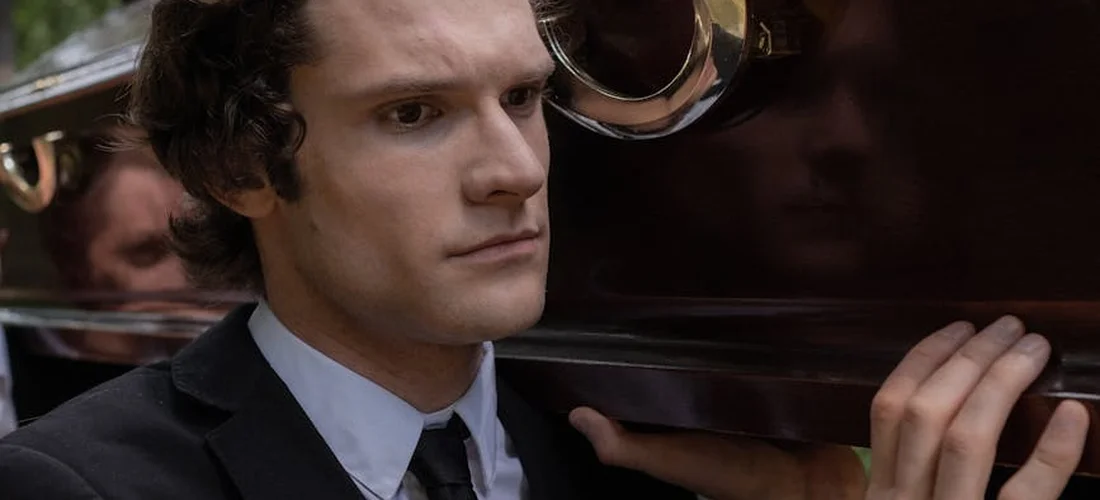
The final transport is to the cemetery or crematorium. This is where the hearse, a longer vehicle with a dedicated compartment, is used. The casket is carefully centered and secured.
We use strong, non-abrasive straps inside the hearse. They lock the casket in place, preventing any shift during travel. I always check these fastenings myself, knowing peace of mind matters.
The hearse moves with a steady, gentle pace. For me, it is a final act of escort, a quiet promise kept from our care to the graveside.
What Legal Documents Are Required for Transport?
Paperwork ensures every move is lawful and smooth. These documents are a practical form of protection for your loved one’s journey.
The burial transit permit is the most essential paper. It is issued by the local vital records office and must accompany the body. This permit is the legal authorization to move and bury the deceased. It substantiates the right to transport and inter the body.
For travel across state lines, an additional permit is almost always required. This is often called a consignor’s permit or an interstate shipping permit. We handle the details, but it requires a copy of the death certificate from the state of origin.
If the body is being transported by common carrier, like an airline, specific forms are needed. These include a funeral director’s statement and a container certification. I review each one to prevent delays.
These documents tie directly to the earlier steps. The death certificate you filed makes this transport possible. Having everything in order is a final, quiet gesture of care.
When to Call a Funeral Director
The moment after a death, the world can feel still and confusing. I remember sitting with families in those first hours, and I always offer the same gentle guidance. You should contact a licensed funeral director immediately, whether the death occurs at home, in a care facility, or elsewhere. This is not merely a suggestion; it is a practical and compassionate necessity. In those early moments, you’re also beginning to manage grief through a careful funeral service that honors your loved one. A thoughtful plan can provide structure and support as you navigate loss.
The law requires specific steps to be taken, and the physical care of the body demands professional training. From the first touch to the final journey, every aspect of preparation, storage, and transport falls under the jurisdiction of a licensed funeral director. Think of us as skilled guides in a place you have never had to navigate before. These duties are defined by funeral director legal requirements—licensing, training, and mandatory procedures set by state laws and professional standards. Understanding these rules helps families see the steps involved and the safeguards in place during one of life’s most difficult times.
We manage the intricate logistics, the required paperwork, and the quiet, respectful care. I handle the details so you do not have to. This professional stewardship allows your family the simple, profound freedom to grieve, to remember, and to begin healing together.
Frequently Asked Questions
How is the body prepared for a public viewing?
Through gentle preservation and careful restoration, we create a peaceful, natural appearance. This allows families to see their loved one at rest, which can be a vital part of saying goodbye.
How is dignity maintained during transportation?
We use specialized, respectful vehicles and secure the casket with great care to ensure a stable and gentle journey. Every movement is conducted with solemnity and professional discretion, adhering to funeral vehicles etiquette.
What safety protocols protect everyone during preparation?
Strict hygiene measures, including personal protective equipment and hospital-grade disinfection, are always used. These protocols are fundamental to our professional care, ensuring safety and respect for all.
Reflections on a Journey of Care
The single most important guidance I can offer is to place your trust in the meticulous, respectful procedures that define this work. Understanding that the body is cared for with professional dignity from preparation through to the final journey can be a source of genuine solace.
I encourage you to consider dignified care and explore eco-friendly options as part of your ongoing Funeral Needs. A green, eco-friendly funeral can honor your values while reducing environmental impact. Your attention to these details and continued learning about Funeral Care and Funeral Questions represents a final, profound act of love.
Emiliana Dieter
Emiliana is an author at The Valedictory. She is an experienced funeral care advisor and arranged and organized many funerals as part of her end of life consulting services. She has over 8+ years in the funeral industry managing her family funeral business and helping families cope with the loss of their loved ones. Her articles answer any and all questions you might have regarding funeral arrangements, costs, preparations, etc so you can make this a seamless experience.