
After the Funeral: A Compassionate Guide to Etiquette and What Comes Next
The formal service has ended, but the journey of mourning continues. Knowing the common practices that follow can provide comfort and clarity during this tender time.
This article will walk you through the typical gatherings, gestures, and periods of remembrance that often follow a funeral. We will explore meals of condolence, memorial gatherings, how to acknowledge support, and the varying timelines of mourning across different cultures.
Key Takeaways: Gentle Guidance for the Days Ahead
In the quiet days after a funeral, remember there is no single right way to act. Your sincere intention to show respect and your simple presence often mean more than any rule of etiquette. I have held many hands through this time, and what matters most is kindness.
- Show up, even when it feels awkward. Your presence is a quiet comfort to the grieving family.
- Offer specific, practical help. A prepared meal or help with errands can lift a heavy burden.
- Honor the family’s cultural or religious needs. Ask gently if you are unsure about specific practices.
- Allow grief its own time and shape. There is no schedule for healing, only patience.
Think of this as a gentle primer. My goal is to reduce the anxiety you might feel, whether you are mourning or offering support. These points are anchors in a sea of uncertainty.
What to Do Immediately After the Funeral Service Ends
The final prayer or song ends, and a stillness fills the room. This moment often transitions to a committal at the graveside or a gathering for food and shared memories. It is a shift from formal ceremony to personal farewell.
For the family, a few practical steps bring order. First, quietly thank the officiant and funeral director for their care. Next, decide if floral arrangements will go to the cemetery, a hospital, or home. Then, the immediate family typically leads the way to the vehicles for the funeral procession.
You may see common rituals like a final viewing. This is a last, private moment for close family to say goodbye before the casket is closed. During the recessional, the casket is carried out, followed by the family. It is traditional for the immediate family to leave the service first, with guests following afterward. The recessional ceremony carries meaning as a transition from the service to ongoing remembrance. It signals a communal farewell and the start of continued honoring of the deceased.
As a guest, your role is to be observant and supportive. Follow the family’s lead, moving when they move and pausing when they pause. If the moment feels right, you can offer a soft word like, “I am thinking of you.” Otherwise, simply proceed to the announced reception or gathering, your quiet attendance a comfort in itself.
Cultural and Religious Practices After a Funeral
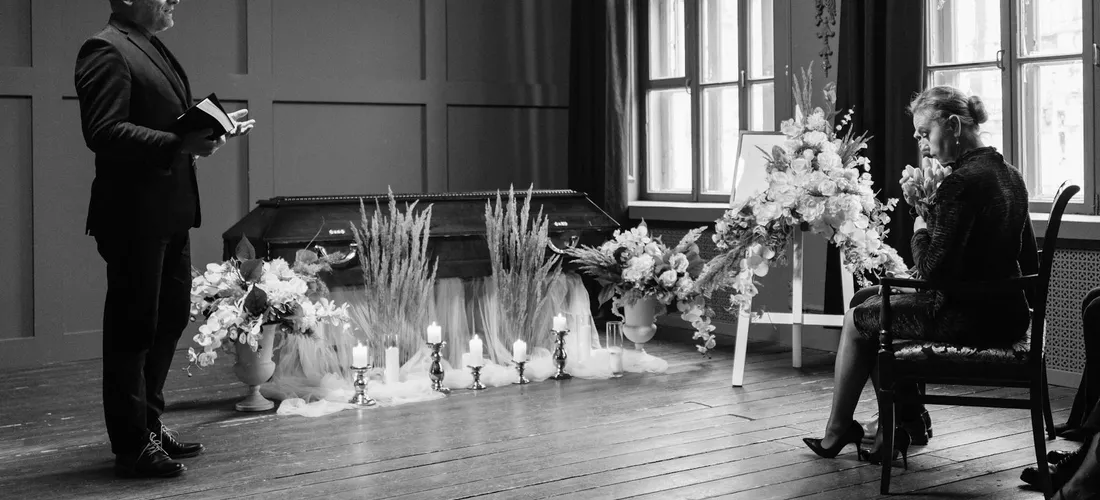
In my work, I have seen how cultural and religious practices after a funeral offer a comforting structure. They give shape to grief through shared ritual. If you are uncertain about what is expected, kindly asking the family for guidance is always the best course. Funeral ceremonies and rites across cultures and religions shape how communities cope with loss. Understanding these customs helps us approach the moment with respect and humility.
Jewish Customs
The family often observes shiva, receiving visitors at home for seven days. Mirrors may be covered to turn focus inward during mourning. A meal of consolation, called seudat havra’ah, provides physical and communal nourishment.
Islamic Practices
The Salat al-Janazah is a final communal prayer for the deceased. The formal mourning period, or Hidaad, typically lasts three days, where the family accepts condolences and refrains from joyful events.
Filipino Tradition: Pagpag
Pagpag is a symbolic cleansing performed after leaving the cemetery. It might involve gently shaking one’s clothes or taking a roundabout route home. This act represents leaving sorrow behind and making a conscious return to everyday life.
Other Common Practices
Christian gatherings frequently include a reception or wake where stories are shared over simple food. Hindu anteyeshti rituals involve ceremonies to assist the soul’s passage. Buddhist ceremonies may feature chanting and offerings to cultivate peace for the departed.
Across many traditions, a form of cleansing marks the transition. It could be washing hands, changing clothes, or sprinkling water. These symbolic acts help mourners step gently from the space of loss back into the rhythm of daily living.
A Note on Etiquette: For the Bereaved Family
Etiquette here is not about rules, but about kindness. This holds true for immediate family, in-laws, and estranged relatives alike. Your primary responsibility is to your own heart; give yourself permission to grieve as you need.
Receiving Guests
You do not need to host or entertain. It is perfectly acceptable to be quiet, to let tears fall, or to step away for a moment of solitude. People are there to hold space for you, not to be entertained.
The Post-Funeral Reception
Often, close friends or extended family will handle hosting duties. The food served is usually comforting and easy to share, like soups or sandwiches. Stay only as long as you feel able; there is no minimum time you are required to remain.
Handling Donations and Gifts
- Money donations: These are a common and practical way for guests to offer support. Accept them with a simple thank you.
- Tipping vendors: If the funeral director or other service providers were exceptionally compassionate, a tip is a gracious gesture but not obligatory.
- Gifts of food or flowers: A brief thank-you note when you are able is a sufficient and appreciated acknowledgment.
Navigating Family Dynamics
Grief can magnify old tensions or create new ones. Emotions run high and fragile. I often remind families to focus on the shared loss, offering each other the same compassion they would offer a friend. A gentle word or a moment of silence can sometimes bridge the widest gaps.
A Note on Etiquette: For Attending Guests and Friends

If you are a friend, you should attend the service unless the family indicates it is private. Your presence, even at the back of the room, is a quiet show of support. Simply being there can be a great comfort to the grieving, more than you might realize.
When offering condolences, speak from the heart. Say “I am so sorry for your loss” or “I am thinking of you.” Avoid phrases like “I know how you feel” or “They are in a better place.” Your words should acknowledge their pain without trying to fix it. For guidance on funeral condolence phrases etiquette, see our concise guide. It helps you choose words that feel right in difficult moments.
Dress in conservative, subdued colors for the funeral service. Think dark suits, dresses, or simple separates. For a gathering after, you can be slightly less formal, but still respectful. Your attire should reflect the solemnity of the occasion and not draw attention. Choose appropriate clothing for the event.
Practical help is a meaningful gesture. Bring a prepared meal in a dish that does not need to be returned. Making a donation to a charity the family has named is another respectful option. Sending a handwritten note weeks later reminds them they are not forgotten. These acts of kindness extend your support beyond the day of the service.
For grandchildren and children, explain the event in simple, honest terms before you go. During the gathering, have a quiet book or toy available if they become restless. Allow children to participate as they feel comfortable, without forcing them into interactions.
What Not to Do After a Funeral: Avoiding Common Missteps
These points are offered with compassion, to help you avoid unintentionally adding to a family’s heavy load. Even with good intentions, certain actions can create more stress.
Do not tell the family it is time to “move on” or “find closure.” Grief follows its own slow path. Pressuring someone to heal quickly can make them feel alone. Allow the bereaved to mourn at their own pace, without any timeline from you.
Be mindful of how long you stay at a home or reception. Watch for signs of fatigue in the family. A shorter, sincere visit is often more generous than overstaying. Your role is to provide solace, not to become another obligation for an exhausted host.
Resist the urge to make the gathering about your own stories or grief. Keep the focus on the deceased and the immediate family. Dominating conversations can feel like you are shifting the attention away from them. This is a time for shared remembrance, not for personal anecdotes.
Always follow any specific cultural or family requests you have been given. Ignoring rituals, whether about food, prayer, or dress, shows disrespect. Honoring their customs is a direct way to show you care about their comfort.
Avoid asking intrusive questions about the cause of death or details of the will. This curiosity can feel like a violation during a vulnerable time. Some questions are better left unasked, forever.
Remember that you do not always need to speak. A held hand, a shared look, or just sitting quietly together can hold immense power. Often, your calm and willing presence is the most eloquent statement of support you can make.
Support and Reflection: The Longer Path of Mourning
The final prayer is spoken. The last guest has gone home. The quiet that follows the formal service can feel startling. Your shared public grief has ended, but your private mourning is just beginning.
Grief does not follow the schedule of a funeral home; it lingers in the empty spaces of your daily life. You might feel relief one moment and overwhelming sadness the next. This is not a sign of weakness, but of love. There is no proper timeline for your heart to heal.
Practical Compassion in the Weeks and Months Ahead
True support often begins when the crowds disperse. The most meaningful help is quiet and consistent. Think of it as a gentle, ongoing presence rather than a single grand gesture.
Instead of asking “How are you?” which can be hard to answer, try “I’m thinking of you today,” or “I’m going to the store, can I pick anything up for you?” Specific offers remove the burden of decision-making from someone who is exhausted.
- Mark your calendar for a check-in two weeks later, then again at two months. A simple text or a brief phone call says they are not forgotten.
- Remember important dates. The anniversary of the death, a birthday, or a holiday can be especially difficult. Sending a card or flowers on these days acknowledges their ongoing pain.
- Offer to help with practical tasks. Sorting mail, organizing paperwork for the estate, or mowing the lawn are tangible ways to lift a heavy burden.
When to Seek Additional Support
Sometimes, the weight of loss is too much to carry alone. Grief can become tangled with depression or anxiety, making each day a struggle. There is no shame in this.
Seeking guidance from a grief counselor or a support group is an act of profound strength, a step toward finding solid ground again. These spaces provide validation and tools that friends and family, however loving, may not be able to offer. Many people discover tangible benefits—peer understanding, coping strategies, and a renewed sense of community. Exploring what grief support groups can offer may help illuminate paths toward healing.
You can find local grief support through hospice organizations, community mental health centers, or places of worship. Many national organizations, like the Dougy Center or GriefShare, also offer in-person and online group meetings. Additionally, specific support groups tailored for cremation loss can provide more focused comfort.
The Quiet Necessity of Self-Care
This advice is for both the person grieving and the friend who is supporting them. Compassion is a resource that can run dry if we do not tend to our own wells.
If you are mourning, be gentle with yourself. Drink water. Try to eat something simple. A five-minute walk outside is not a betrayal of your grief, but a small kindness to your body. Your only task right now is to endure; any small act of self-preservation is a victory.
If you are offering support, you cannot pour from an empty cup. Recognize your own limits and feelings. It is okay to step away for an hour to rest. You are not abandoning your friend. You are ensuring you can return to them with patience and presence.
Frequently Asked Questions About Post-Funeral Etiquette
What is the proper etiquette for in-laws after a funeral?
As an in-law, prioritize offering steady support to your spouse and their family, respecting their emotional needs. Assist with practical tasks if welcomed, but always follow their cues to avoid overstepping.
Who should typically attend the gathering after a funeral service?
All service attendees are usually welcome unless the family indicates a private event. Your presence, even for a short time, is a meaningful gesture of solidarity and care.
How should estranged family members navigate post-funeral gatherings?
Attend with the sole intention of paying respects to the deceased and offering quiet condolences. Keep interactions brief and gracious to avoid adding tension during a sensitive time, especially if you’re unfamiliar with the family.
Parting Reflections on Post-Funeral Etiquette and Cultural Practices

Above all, let compassion and respect for the grieving family’s wishes shape your actions after a funeral service. By honoring their cultural practices and offering sincere support, you help carry the weight of loss with dignity, especially when supporting mourners and adhering to funeral etiquette.
As you consider Funeral Needs, exploring dignified and eco-conscious options reflects a caring commitment to both memory and the future. Ongoing learning about Funeral Care and addressing Funeral Questions ensures that every choice is made with clarity and compassion.
Related Guides and Information
- Funeral Etiquette for Immediate Family – Urns Northwest
- Funeral Etiquette: At the Service – Emily Post
- Funeral Etiquette – Viewing & Visitation Tips
- Proper Funeral Etiquette Rules and Guide | How to Act & Dress
- Funeral Seating Etiquette: Ten Important Rules Everyone Should Know
Emiliana Dieter
Emiliana is an author at The Valedictory. She is an experienced funeral care advisor and arranged and organized many funerals as part of her end of life consulting services. She has over 8+ years in the funeral industry managing her family funeral business and helping families cope with the loss of their loved ones. Her articles answer any and all questions you might have regarding funeral arrangements, costs, preparations, etc so you can make this a seamless experience.