
Catholic Funeral Mass Requirements and Traditions Explained with Compassion
When planning a Catholic funeral, the rites and traditions can feel both comforting and overwhelming, especially while you are grieving. I understand how the desire to honor a loved one faithfully can be met with questions about what is required, what is traditional, and what comes next.
This guide walks you through the structure and meaning of a Catholic funeral Mass, from the initial planning to the final prayers. We will cover the essential requirements set by the Church, the traditional order of the Mass rites, and the specific roles of the Rosary, the homily, and the Final Commendation and Benediction.
Key Takeaways: Compassion and Clarity First
In my years of walking with families, I have seen how a clear framework can be a comfort. The Catholic funeral rite is built on a sequence of prayer that supports you step by step. The entire process is designed to carry both the deceased and the living through grief with dignity and hope.
It unfolds in three connected parts:
- The Vigil (or Wake): This is often the first gathering, usually held the evening before the funeral. Picture a room softened by candlelight, where friends and family can share stories and begin to pray. The Rosary is commonly recited here, its repetitive prayers offering a gentle, rhythmic comfort for aching hearts.
- The Funeral Mass (or Liturgy): This is the central act of worship. The community comes together in church to offer the Eucharist for the person who has died. The readings, the homily, the sacred music-all point toward hope. This Mass is the heart of the funeral, where our farewell is joined to Christ’s promise of resurrection.
- The Rite of Committal: This final rite takes place at the graveside, mausoleum, or crematorium. It is a shorter, poignant prayer of farewell as the body is entrusted to the earth. The priest often sprinkles the casket with holy water, a reminder of baptism and eternal life.
Please understand this. The purpose of every hymn, every prayer, every ritual is twofold. We are praying for the peaceful repose of the soul, and we are gathering around you, the living, to offer tangible comfort. You are not just planning an event. You are participating in a sacred journey of mercy.
You will not have to navigate this path alone. Your parish priest and your funeral director are your dedicated guides, familiar with every requirement and tradition. They will sit with you, answer your questions about the details, and handle the logistics so you can focus on your family. I have always found great solace in this partnership. It lifts a practical burden when the heart is heavy.
Within this sacred structure, there is gracious room for the personal. Selecting a favorite Bible reading for the funeral, choosing a hymn that was meaningful, or placing a photo on the vigil table-these touches are welcomed. They weave the unique thread of a loved one’s life into the timeless fabric of faith.
Understanding the Purpose of a Catholic Funeral
A Catholic funeral is more than a farewell. It is an act of worship and a declaration of hope. When we walk into the church, we are not merely attendees at a sad occasion. We are a community of believers, gathering to honor a life and to profess our faith in what comes next.
The focus is beautifully dual. We are there to pray earnestly for the soul of the deceased. We ask God, with humble hearts, for His mercy and forgiveness. We believe our prayers make a difference. At the very same time, the ritual exists to comfort you. The familiar prayers, the standing and kneeling together, the shared silence-these are all ways the community holds you up. You are being prayed for, even as you pray.
All of this rests on the foundation of the Paschal Mystery. This is the central belief of Christianity: the life, death, and resurrection of Jesus Christ. The funeral Mass makes this present. The white pall draped over the casket recalls baptism. The Easter candle near the casket stands for the light of Christ that darkness cannot overcome. The funeral, in its essence, is a celebration of this Christian hope, a belief that death is not an end but a transformation.
I think of it like a familiar, sturdy vessel on a turbulent sea. The rituals are the hull that keeps you afloat. The prayers are the sails that catch the wind of grace. It is not about suppressing grief. It is about giving your sorrow a holy place to rest, within a story much larger than our own.
Planning a Catholic Funeral: Requirements and First Steps
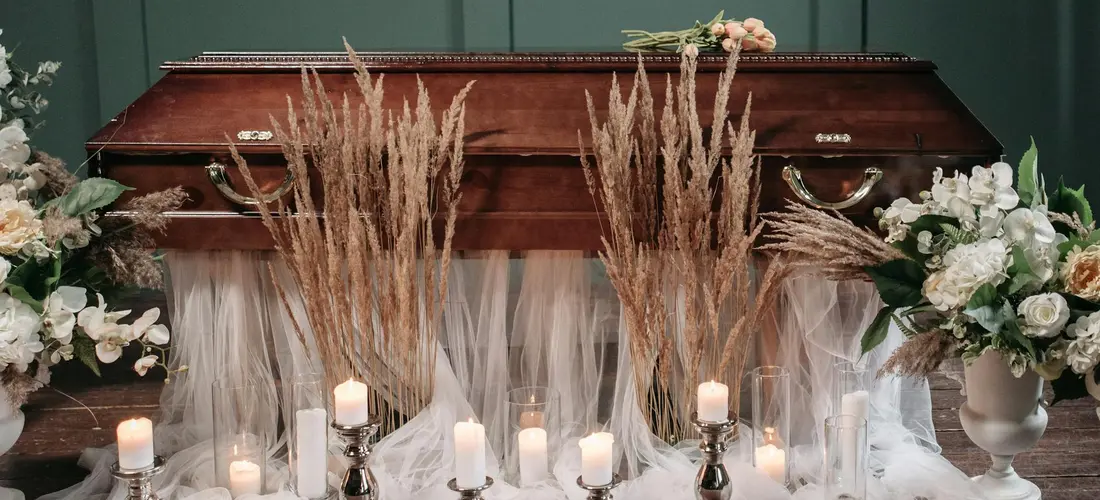
When someone you love has died, the world feels too large and quiet. In that silence, the rituals of the Church can be a steadying hand. They provide a path to walk when your own steps feel unsteady. The planning begins with two practical contacts.
The first calls are to your local Catholic parish and to a funeral home of your choice. The funeral director is your guide for the physical and legal details, while the parish priest will guide you through the spiritual rites. These two professionals work together to support you.
Your parish will typically ask for some documents and set a time to plan the liturgy.
- A recent copy of the baptismal certificate for the person who died.
- A meeting, often called the “funeral liturgy planning meeting,” with the priest or a parish staff member.
- In this meeting, you will choose scripture readings, select hymns, and sometimes pick who will read or bring gifts forward.
- The music should be sacred, fitting for worship. Not all secular songs are appropriate for the Mass itself, though they may find a place at the vigil or gathering after.
A question that often arises is about eligibility. A full Catholic funeral Mass is offered for any baptized Catholic. The Church, in its compassion, also extends these rites to baptized members of other Christian communities and even to catechumens (those preparing for baptism), provided their family requests it. The Church prays for all souls, trusting in God’s mercy.
Many families today ask about cremation. The Catholic Church does permit it. The key is the intention behind it. Cremation is allowed as long as it is not chosen for reasons contrary to Christian teaching, such as denying the belief in the resurrection of the body. The cremated remains, often called ashes, must be treated with the same reverence as a body. Catholic cremation church protocols for funeral rites and ceremonies guide how these remains are honored in worship, vigil, and committal settings. This helps families plan respectfully within Catholic practice.
This means they should be placed in a worthy container, not scattered, divided among family members, or kept at home. They are to be buried in a grave or entombed in a columbarium, a permanent resting place where they can be visited and remembered. This practice honors the body as a temple of the Holy Spirit, even in death.
Here is a simple list to hold onto in the first days.
- Contact the parish office of the person who died.
- Engage a funeral home to care for the body.
- Gather the baptismal record and any other sacramental certificates.
- Meet with the priest or parish minister to plan the Mass.
- Consider who you might ask to be readers or pallbearers.
- Discuss your wishes regarding burial or cremation with both the priest and funeral director.
The Vigil for the Deceased (The Wake or Rosary Service)
Before the funeral Mass, there is a gathering. In many traditions, this is called the wake or viewing. In the Catholic rite, it is formally named the Vigil for the Deceased. It is often held at the funeral home the evening before the funeral.
This vigil is the first liturgical rite, a time for family and friends to gather in something softer than formal liturgy. Its purpose is simple and profound. We gather in our grief. We hear scripture. We offer prayers for the soul of the departed. We begin to share stories.
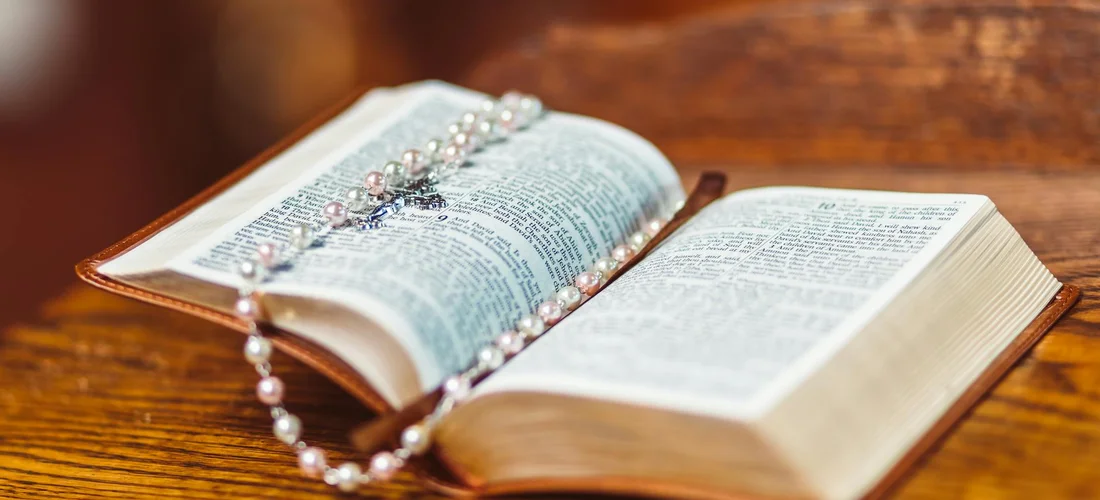
Prayer is the anchor of this night. Very often, the centerpiece of prayer is the Rosary. The Rosary is a meditative prayer that uses a string of beads to count repetitions of the Lord’s Prayer and the Hail Mary. Praying the Rosary for the dead is a long-standing tradition, a gentle, repetitive prayer that invites reflection and petitions the comfort of the Blessed Mother. It can be led by a priest, a deacon, or even a knowledgeable layperson from the parish. The rhythmic prayers often bring a deep sense of peace to the room.
This is also the most fitting time for a eulogy or personal remembrances. The funeral Mass itself focuses on the paschal mystery of Christ’s death and resurrection. The vigil, however, is the natural place for personal stories, for laughter through tears, for speaking about the unique life that has ended. A family member or close friend may share a few words. It is an offering of love, a first step in weaving memory into the fabric of loss.
The Heart of the Farewell: The Catholic Funeral Mass
The Funeral Mass, often called the Mass of Christian Burial, is the central act of Catholic funeral rites. It is a prayer for the deceased and a profound source of strength for the living. If you are planning one, knowing the structure can bring a sense of calm. In many Catholic funeral Masses, incense is used to accompany prayers, its rising smoke symbolizing prayers rising to heaven. This subtle fragrance can deepen the sense of solemnity and reverence. The Mass follows a sacred rhythm, each part holding a specific meaning for your farewell.
The first moment is often the most moving. As the casket is brought into the church, it is greeted with a sprinkling of holy water. This simple act recalls the person’s Baptism, the beginning of their life in Christ. A white funeral pall, a large cloth, may then be draped over the casket. The pall symbolizes the dignity of Baptism, reminding everyone that in God’s eyes, we are all equal, clothed in Christ’s love. A crucifix or a Bible is often placed on the casket as a final statement of faith.
The Mass then proceeds through its four main parts.
The Introductory Rites
This includes the opening prayers and the Penitential Act. The priest leads these prayers, asking for God’s mercy and welcoming all who mourn. It is a time to gather our scattered thoughts and focus our hearts on prayer.
The Liturgy of the Word
We listen to passages from the Bible. The Easter Candle, representing the light of Christ risen from the dead, is often placed near the casket. Its flame is a quiet, powerful symbol of hope in the darkness of grief. The readings chosen (which we will discuss next) are meant to console and strengthen faith.
The Liturgy of the Eucharist
This is the heart of the Mass. The bread and wine are consecrated, becoming the Body and Blood of Christ. Catholics believe that in receiving Holy Communion, they are united with Christ and with their loved one in a mysterious and real way. For those who are not Catholic, it is a beautiful moment for private prayer as others go forward.
The Final Commendation and Farewell
This is the direct goodbye. The priest prays over the body one last time in the church, often with incense. The smoke symbolizes our prayers rising to God and the sanctity of the body as a temple of the Holy Spirit. Then, with words of hope, the community accompanies the body out of the church, often singing a hymn, as they begin the journey to the place of burial or cremation.
Choosing a Bible Verse for a Funeral and Other Readings
Selecting the scripture readings can feel like a heavy responsibility. You want the words to be just right. The Mass typically includes an Old Testament reading, a Responsorial Psalm, a New Testament reading, and a Gospel reading. The priest will often choose the Gospel, but families are usually invited to choose the others. Think about what brought your loved one comfort, or what speaks to your family’s hope.
For an Old Testament reading, many turn to the Book of Wisdom or Isaiah. A passage like Wisdom 3:1 offers quiet assurance: “The souls of the righteous are in the hand of God, and no torment shall touch them.”
The Responsorial Psalm is a song of prayer. Psalm 23 is perhaps the most chosen for funerals, its image of God as a shepherd guiding us through the valley of darkness providing timeless comfort. Other psalms, like Psalm 27 (“The Lord is my light and my salvation”) or Psalm 91 (“Whoever dwells in the shelter of the Most High”), are also beautiful choices.
New Testament readings focus on the promise of resurrection. Saint Paul’s letters are filled with this hope. A passage like Romans 6:3-9 speaks of being baptized into Christ’s death so we may also live with him. For a Gospel reading outside the priest’s selection, John 11:25-26 is a cornerstone: “I am the resurrection and the life; whoever believes in me, even if he dies, will live.”
It is worth remembering that the Funeral Mass itself is reserved for scripture. If you wish to share a poem, a letter, or a non-religious reading, the Vigil service (the wake or Rosary service) the night before is the most appropriate place. This allows for a more personal tribute within the broader context of prayer.
The Homily: A Funeral Sermon of Hope
After the readings, the priest gives the homily. In my years accompanying families, I have seen how this moment can be misunderstood. The homily is not a eulogy. It is not a biography of the person’s life, though it may include a personal reference or two.
The homily is a short sermon that reflects on the scripture readings just heard and connects them to the mystery of Christian death. The priest speaks about God’s boundless mercy, the saving passion of Christ, and the sure promise of eternal life. He aims to make the Church’s teaching a source of concrete hope for those who are grieving.
The tone is meant to be comforting, grounded in faith, and hopeful. It addresses the reality of loss while pointing toward the light of resurrection. The priest seeks to help you see your personal sorrow within the larger story of God’s love. It is a reminder that you are not alone in your grief, that the community of faith stands with you, and that our farewells in this church are temporary. In this way, the homily lifts our gaze from the immediate pain of the grave to the horizon of everlasting peace.
The Final Farewell: The Rite of Committal
After the funeral mass, a smaller group often gathers for the Rite of Committal. This service is brief, usually lasting only fifteen or twenty minutes. It is also profoundly poignant. Whether at a graveside under an open sky, within the quiet hall of a mausoleum, or at the simple chapel of a crematorium, the space feels intimate. The shift from the church to this final place marks a change in the day’s rhythm. You move from communal prayer to a more personal goodbye.
The heart of this rite is the prayer of final commendation. The priest or deacon will lead these prayers, asking God to grant the deceased eternal rest and peace. These words are a final act of entrustment, consciously placing your loved one into God’s merciful hands. Then comes the act of committal itself. With solemn words, the body is commended to the earth-“ashes to ashes, dust to dust”-as the casket is lowered or the urn is placed. I have always found this to be a grounding moment. It acknowledges the physical reality of death with honesty, while the prayers lift that reality into the hope of resurrection.
Some families wonder if this step is needed when they choose cremation. It is. The Church views the Rite of Committal as an essential conclusion to the funeral rites. This ritual provides a defined, sacred moment for farewell, which can help contain the vastness of grief. Whether you are standing before a burial plot or a niche, the action of committing the body to its resting place offers a quiet punctuation. It signals the end of the funeral ceremonies and the beginning of a different kind of remembering. This perspective aligns with the biblical views on cremation and burial, which emphasize respect and sacredness in final rites.
The Role of Specific Prayers and Traditions
Many people find deep comfort in the specific prayers and rituals of a Catholic funeral. These traditions offer a structure for grief, a way to express love and faith when words feel hard to find. Let me walk you through some of the most meaningful ones, especially those found in religious funeral rites.
The Rosary: A Prayer of Repetition and Comfort
The Rosary is a prayer using a string of beads to count a cycle of Our Fathers, Hail Marys, and Glory Bes. It is often led by a family member or a priest before the Vigil service, or in a quiet corner of the funeral home. The Rosary’s power lies in its gentle, repetitive rhythm, which can quiet a racing mind and anchor a heart in sorrow. I have sat with many families as they prayed it together. The familiar words, spoken in unison, create a soft hum of shared memory and hope. It feels less like a recitation and more like a collective meditation, a tangible way to hold each other up.
Final Commendation and Farewell: A Moment of Release
This rite occurs after the Funeral Mass, as the body is prepared to leave the church. The priest or deacon will incense the coffin. The sweet, woody scent of the incense fills the air, a sensory reminder that our prayers are rising. Then, a song of farewell is sung, often “Saints of God” or “May the Angels Lead You into Paradise,” giving the community one last voice to send love with the departed. This is the liturgy’s final goodbye. It is a solemn, beautiful moment that acknowledges the reality of parting while blessing the journey ahead. The incensation and song together form a heartfelt commendation of the soul to God’s mercy.
Benediction: The Closing Blessing
In the setting of a Funeral Mass, the Benediction is simply the final blessing given by the priest at the end of the service. It is not a separate ceremony but a sacred conclusion. The priest extends his hands over the congregation and the deceased, asking for God’s peace to comfort the living and grant eternal rest to the dead. For many, hearing this blessing feels like a gentle hand on the shoulder, a reassurance that you are not alone in your grief. It formally closes the Mass and sends everyone forth, carrying that peace with them.
Other Personal and Cultural Traditions
Within the Catholic framework, there is room for personal touches that honor a unique life. A family may choose a specific funeral prayer for the family, read after Communion, to ask for strength. In farming communities, I have witnessed a simple, heartfelt farmer’s prayer for a funeral, thanking God for seedtime and harvest and the dignity of labor. These customs, whether written down or spoken from the heart, weave the person’s story into the fabric of the liturgy. They remind us that faith meets us where we are, in our particular joys and struggles. If you have a custom in mind, speaking with your priest can help integrate it respectfully.
A Note on Etiquette and Protocol
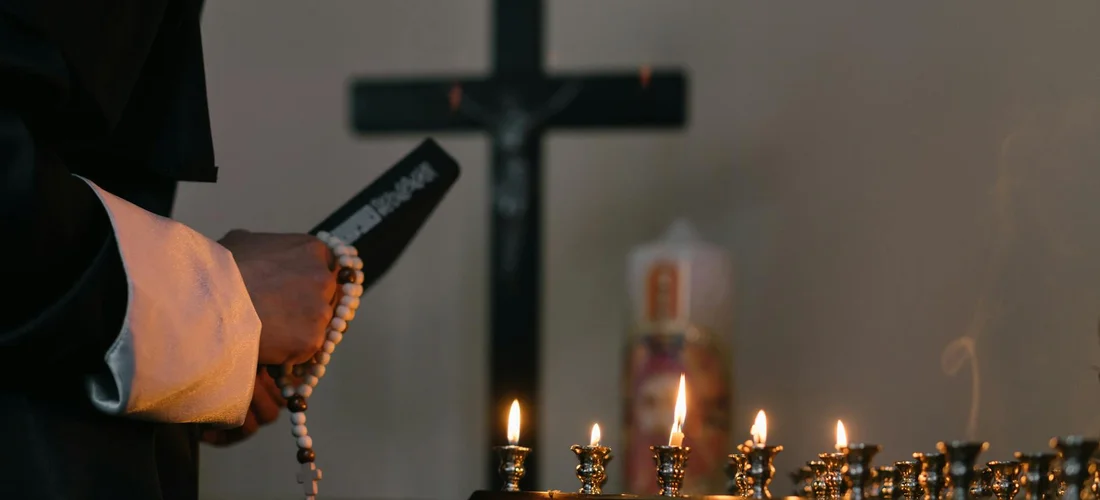
Walking into a Catholic church for a funeral can feel unfamiliar. You might worry about doing the wrong thing. Please, set that worry aside. Your presence is the most meaningful gesture. These points of etiquette are not rules to judge by, but simply a way to move through the service with a quiet heart, showing respect for the family and their faith. Funeral etiquette varies, but kindness and respect are universal.
On What to Wear
Think of your clothing as a quiet signal of respect. Modest, somber attire is customary. For many, this means darker colors like black, navy, or gray. A collared shirt, slacks, a simple dress or skirt-choices that do not call attention to themselves. The focus should remain on the person being remembered and the prayers being offered. Your aim is to blend in with reverence, not to stand out. Color traditions vary across cultures and contexts, but the underlying principle is always the same.
When to Sit, Stand, and Kneel
During the Mass, the congregation will sit, stand, and kneel at various times. If you are not Catholic, do not feel you must participate in every posture. You are most welcome to observe. Simply follow the lead of those around you. Standing is a sign of respect, often done for prayers and the reading of the Gospel. Sitting is for listening to readings and the homily. Kneeling is a posture of deep prayer, typically during the Consecration. If you choose to remain seated while others kneel, that is perfectly acceptable; your respectful presence is what matters.
What to Say to the Family
After the Mass, you will likely have a moment to offer condolences. Grief can make words feel terribly small. You do not need to find the perfect thing to say. In fact, the simplest phrases are often the kindest because they carry no expectation of a response. A gentle handshake or a brief hug, coupled with a few sincere words, is enough. That said, there are guidelines for funeral condolence phrases etiquette you may want to follow as you choose your words. They favor brief, sincere messages that acknowledge loss without overstepping boundaries.
- “I am so sorry for your loss.”
- “You are in my thoughts.”
- “He was a wonderful person.”
- Simply, “My condolences.”
Your presence and your quiet, sincere words are a comfort; you need not offer more than that.
The Protocol for Holy Communion
This is a point of deep significance in the Catholic faith. The Eucharist (Holy Communion) is considered the true Body and Blood of Christ, and receiving it is an act of full unity with the Church’s beliefs. Therefore, it is offered only to baptized Catholics who are in a state of grace-meaning they have confessed any serious sins.
If you are not Catholic, or are a Catholic who cannot receive Communion, please do not feel excluded. As the priest and others go forward, you may remain in your pew. This is a common and respectful practice. You can use this time for personal prayer, reflecting on the memory of the deceased, which is a beautiful and participatory act in itself. No one will question your decision; it is understood and respected.
Personal Perspective: Finding Comfort in the Ritual
In my years of walking alongside grieving families, I have seen a quiet truth emerge again and again. When your world has shattered, the very structure of the Catholic funeral rites can hold you. It becomes a container for a grief that feels too large and wild to hold on your own.
You may feel lost in a fog. Your thoughts scatter. In that state, the ritual steps forward. It tells you when to stand, when to sit, when to pray. It gives you words when you have none of your own. The responses spoken by the community around you become a rope you can cling to. You are not deciding what to do next. You are simply following a path worn smooth by centuries of the faithful, a path that leads straight through the heart of sorrow.
There is a profound comfort in the familiar. The scent of incense, the sound of the Agnus Dei, the feel of the pew beneath you. These are sensations that may reach back into your childhood or connect you to other moments of prayer. In the midst of the strange, awful new reality of loss, these sensory anchors are a tether. They whisper that you are not in an unknown place, but within the embrace of your Church. The powerful sense of community support in that shared prayer is tangible. It is a warmth in the room. You feel the collective strength of every person there, lifting you up, carrying the weight with you.
My advice is this: lean into it. Do not feel you must be the strong one who holds everything together. The ritual is designed to hold you. The priest is your guide, not just an officiant. Trust him to lead your family through this sacred passage. Let the ancient rhythms of the Mass carry you. There is strength in surrender to this holy pattern. Allow the rosary’s repetitive prayers to quiet your racing mind. Listen for the hope in the homily, even if your heart is too heavy to feel it yet. Receive the final benediction not as an ending, but as a blessing for the journey ahead.
The beauty of these rites is that they work even when you are too numb to participate fully. They work because they are bigger than any one person’s grief. They surround you, steady you, and gently reaffirm that love, and life, are stronger than death.
Frequently Asked Questions About Catholic Funeral Rites
What are the essential requirements for a Catholic funeral Mass?
The core requirements include the deceased being a baptized Catholic and the Mass being celebrated by a priest in a Catholic church. You will need to provide a baptismal certificate and work with your parish to plan the liturgy, ensuring it aligns with Church teachings.
How is the Rosary typically incorporated into a Catholic funeral?
The Rosary is most often prayed during the Vigil service the night before, serving as a meditative prayer that comforts mourners through its repetitive rhythm. It focuses on seeking peace for the deceased and uniting the community in gentle reflection.
What is the purpose of the Benediction in a Catholic funeral?
The Benediction is the final blessing at the end of the Funeral Mass, where the priest asks for God’s peace to console the living and grant eternal rest to the deceased. It offers a sacred moment of closure, gently reassuring all present of hope and divine mercy.
Parting Reflections on Catholic Funeral Rites
From my years of accompanying families, I find the most vital guidance is to lean into the Mass’s structured comfort. Its rituals, from the Rosary to the Benediction, offer a timeless path to honor a life and begin healing together.
In your approach to Funeral Care, please know that dignified, compassionate choices—including eco-conscious ones—respect both the departed and the earth. I gently urge you to keep reflecting on your Funeral Needs and Funeral Questions; this thoughtful preparation is a lasting gift.
Emiliana Dieter
Emiliana is an author at The Valedictory. She is an experienced funeral care advisor and arranged and organized many funerals as part of her end of life consulting services. She has over 8+ years in the funeral industry managing her family funeral business and helping families cope with the loss of their loved ones. Her articles answer any and all questions you might have regarding funeral arrangements, costs, preparations, etc so you can make this a seamless experience.