
Military Funeral Gun Salutes: Rules for 21-Gun, Three-Volley, and Other Honors
The sharp crack of a gun salute at a military funeral carries deep honor, yet it often leaves families with quiet questions. I have stood with many mourners and understand the need for clear, gentle guidance on these rituals.
This article provides a respectful explanation of each tradition’s protocols. We will explore the rules for the 21-gun salute, the three-volley salute, and other military funeral gun salutes.
Key Takeaways
In a moment filled with grief, these traditions can feel overwhelming. Let’s begin with the most comforting facts to help you understand their meaning.
A 21-gun salute and a three-volley salute are different honors. The 21-gun salute is for a seated President, a former President, or a foreign head of state. It is a mark of the highest national respect.
The three-volley salute is the honor rendered at the funerals of veterans and active-duty service members. You will see a rifle party, often three to seven individuals, fire three synchronized volleys into the air.
These volleys are always fired with blank cartridges, a critical safety measure that allows this powerful tribute to be performed with solemnity and care.
Ultimately, whether it is twenty-one shots from artillery or three volleys from rifles, the purpose is the same. It is a final, audible thank you from a grateful nation.
Note on Etiquette and What to Expect
Knowing what will happen can bring a measure of peace. The rifle salute typically occurs at the cemetery, after the hearse has arrived and before Taps is played.
The sequence is often: the funeral procession arrives, the casket is moved to the committal shelter, words are spoken, and then the military honors begin. The officer in charge will call the rifle party to attention.
You will hear the loud, sharp cracks of the volleys. The sound is sudden and can be startling.
It is considerate to quietly prepare any children or sensitive attendees just before it happens, so the noise does not alarm them.
Attendees are expected to stand quietly during the salute. Men traditionally remove their hats, and many people place a hand over their heart. Your stillness is part of the collective respect.
There is no wrong way to feel in this moment. Some people stand rigidly at attention, while others weep softly. Both are honest, dignified responses to a profound farewell.
The volleys are not a mark of violence. They are a centuries-old military signal that a comrade’s duty is done, their watch is over. It is their last roll call.
Understanding the 21-Gun Salute
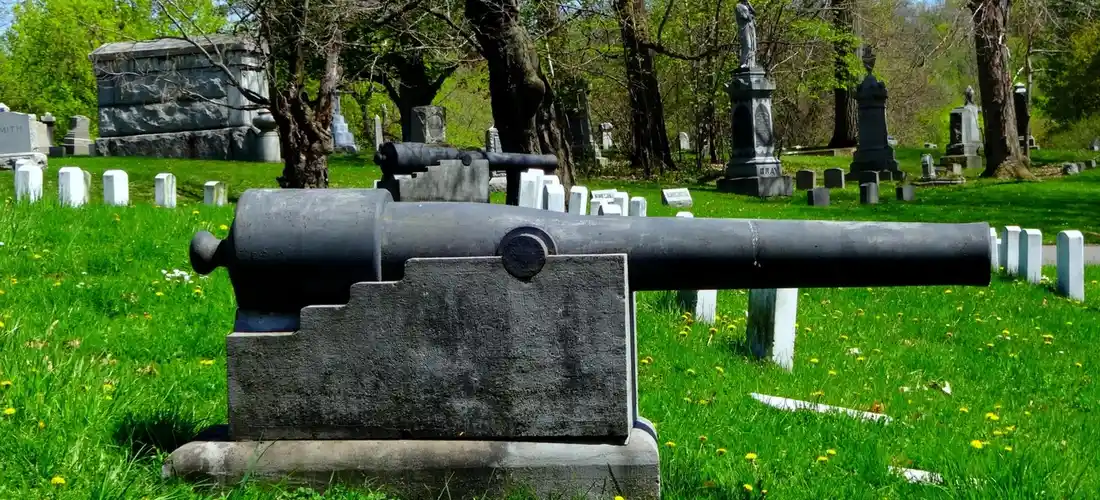
A 21-gun salute is the highest honor a nation can render. It is reserved for specific dignitaries and is distinct from the ceremony most veterans receive.
The rules for a 21-gun salute dictate it as a mark of respect for sovereign nations and their highest representatives, not a standard military funeral honor. When people ask how many guns are fired at a military funeral for a president, this is the ceremony they are picturing, though it is often confused with military funeral salutes.
Who is Eligible for a 21-Gun Salute?
Eligibility is very specific. This honor is traditionally accorded to a sitting or former President of the United States, a foreign head of state on official visits, and certain high military officials like a five-star general or admiral.
I share this with care, as it is vital for managing expectations. This salute is not authorized for the funeral of most veterans, regardless of their honorable service.
The number twenty-one is itself symbolic, representing a nation’s ultimate gesture of respect and mourning for its most prominent leaders.
How a 21-Gun Salute is Performed
The procedure is precise and grand. Typically, seven artillery pieces or cannons are used. They fire three volleys in succession, resulting in the total of twenty-one rounds.
The firing is slow and measured, with a distinct pause between each volley. The sound is deep and resonant, meant to carry over a great distance.
When asking how many rounds are fired at a military funeral of a president, the answer is these twenty-one shots, a sequence of three volleys from seven guns. You will see this performed at state funerals or at places like Arlington National Cemetery for eligible individuals.
The Three-Volley Salute: An Honor for Veterans
This is the gun salute most families will experience at a veteran’s funeral. It is a profound and moving tribute to personal service, whether or not the deceased was wearing their military uniform during the ceremony.
The rules for a three-volley salute grant this honor to any veteran who served honorably, and it is the standard rifle salute at military funerals. It is often called “Taps and Firing Party,” which helps distinguish it from the rarer 21-gun salute. Understanding the taps protocol explains how the bugle call and rifle volleys are coordinated as part of the ceremony. This prescribed sequence ensures a consistent, solemn tribute at military funerals.
Eligibility for the Three-Volley Salute
Any veteran discharged under conditions other than dishonorable is eligible. This includes service members from all branches of the U.S. military.
The funeral director typically arranges it by submitting a request to the appropriate military branch or by contacting a veterans service organization, such as the American Legion or VFW.
This honor is a a right earned by the veteran, and requesting it is a simple, respectful part of planning a military funeral, including following proper flag protocol. You should not hesitate to ask for it.
The Procedure of a Three-Volley Salute
A rifle team, often consisting of seven service members, performs the salute. Three members actually fire, while others support or command the detail.
On command, they fire three volleys in perfect unison. They use specially prepared blank ammunition. Every movement is safe, rehearsed, and executed with solemn precision by the honor guard.
When a family wonders how many gun shots for a military funeral they will hear, the answer is three distinct volleys, not twenty-one individual shots. Some find meaning in the three volleys, interpreting them as a final duty to God, country, and fellow comrades.
Other Military Funeral Honors and Gun Salutes
A three-volley salute is often one part of a larger ceremony. Full military honors include other elements, each with its own profound meaning. Together, they form a final, dignified tribute to the person who served.
The Role of the Honor Guard and Bugler
Before or after the volley, you will see an honor guard. They perform the careful, ritual folding of the American flag that draped the casket. Each of the thirteen folds holds a specific symbolic meaning, representing virtues like liberty, unity, and sacrifice.
The folded flag is then presented to the next of kin. An honor guard member will kneel, make eye contact, and offer sincere words of thanks from a grateful nation. This moment is deeply personal, a direct connection between the military and the family.
The sound of Taps almost always follows. Its twenty-four notes are a call of rest and a final farewell. If a live bugler is not available, a high-quality recorded version is used to ensure the honor is rendered. These acts-the flag, the volley, and Taps-are the core elements of a military farewell, each honoring a different facet of service and loss.
Salutes for Specific Ranks and Awards
The number of rifles or volleys can vary for senior officers. A general or admiral, for example, may receive more. A recipient of the Medal of Honor is entitled to very specific honors.
These distinctions are determined by strict military protocol. The specific honors are coordinated entirely by the military branch based on the veteran’s record, not requested by the family. Your funeral director will work with the assigned honor guard to ensure every protocol is met with precision.
When to Call a Funeral Director for Guidance
Navigating these protocols while grieving is not something you should do alone. A funeral director acts as your guide and advocate. They know the precise channels and paperwork required to request military honors on your behalf. In managing grief and the funeral service, professional support can ease the burden and ensure your wishes are honored. They can coordinate logistics with sensitivity and help you create a meaningful farewell.
We coordinate directly with the appropriate veterans’ affairs office or military base. We confirm the availability of an honor guard, a bugler, and the rifle team. This logistical work lifts a heavy burden from your shoulders during an impossibly difficult time.
There are also practical and safety considerations. Firing even blanks in a public cemetery often requires special permits and site safety checks. A funeral home handles these details. Leaning on this professional support is a wise and caring step, allowing you to focus on remembrance while we manage the respectful execution of the ceremony.
Respectful Answers to Common Questions
Is a 21-gun salute performed at a veteran’s funeral?
Typically, no. The 21-gun salute is a distinct honor reserved for presidents, heads of state, and very high-ranking officials, not for standard veteran funerals. Families planning such ceremonies often seek guidance on military funeral attire, the proper uniform, and flag handling to honor the service member appropriately. These details also underscore the solemnity of the occasion.
What is the meaning behind the three-volley salute at my loved one’s service?
It is a traditional final honor, signifying that the veteran’s duty is complete. The three synchronized volleys are a powerful, audible farewell from a grateful nation.
Are there different gun salutes for different ranks or medals?
Yes, protocols can vary for senior officers and Medal of Honor recipients. The assigned military honor guard will meticulously follow all specific protocols based on the service member’s record.
Parting Reflections on Military Funeral Gun Salutes
The most important step is to confirm the specific honors with the appropriate military branch or veterans service officer. This ensures the ceremony reflects the individual’s service with the precision and dignity it deserves.
In all matters of Funeral Care, selecting options that uphold dignity, including eco-friendly practices, can bring solace. A green eco-friendly funeral can be a meaningful, planet-conscious choice. Continuing to learn about Funeral Needs and Funeral Questions provides steady guidance during a difficult time.
Emiliana Dieter
Emiliana is an author at The Valedictory. She is an experienced funeral care advisor and arranged and organized many funerals as part of her end of life consulting services. She has over 8+ years in the funeral industry managing her family funeral business and helping families cope with the loss of their loved ones. Her articles answer any and all questions you might have regarding funeral arrangements, costs, preparations, etc so you can make this a seamless experience.