What Happens During Cremation Preparation: Organ Removal and Chamber Procedures Explained
You may have questions about the cremation preparation process, and I’m here to provide honest, compassionate answers.
This article will walk you through the key stages. We’ll discuss the initial preparation steps, the truth about organ removal, and the procedures inside the cremation chamber.
Key Takeaways: A Compassionate Summary
Trained professionals handle every step of the preparation process with profound respect. Their work is guided by a commitment to dignity for the person who has died and care for those who are grieving.
Many people worry about invasive procedures, but the reality is far gentler than the imagination. The body is not drained or surgically altered in preparation for cremation.
From the moment of transfer, a strict chain of identification is maintained. This protocol is a cornerstone of professional care, ensuring there is no doubt about who is in our care at any time.
The cremation process itself uses intense heat to reduce the physical body to bone fragments. These fragments are then carefully processed into the fine ashes, or cremated remains, that are returned to the family.
Initial Care and Preparation at the Funeral Home
The journey begins with a transfer. We bring the person who has died from the place of death into our care. This is done with quiet efficiency, using a specialized vehicle and treating the person with the same care as if they were sleeping.
Upon arrival, the body is placed in refrigerated care. This is not a clinical act, but one of preservation. It allows time for paperwork to be completed and for families to make decisions without feeling rushed.
The next step is a gentle washing. We cleanse the skin with warm water and soft cloths. It is a simple, human act, not unlike how one would care for a family member. We take our time.
Embalming is only performed if there will be a public viewing or visitation before the cremation. For a direct cremation, where the body is cremated shortly after death without a service where the body is present, embalming is not required by law.
Finally, we dress the person in clothing provided by the family or in a simple gown. They are then placed in a rigid cardboard container or a wooden casket that is completely combustible, designed specifically for cremation.
Addressing Common Concerns About Organs and Fluids
Let me address two questions I hear often. People ask, “Are organs removed before cremation?” The answer is no. All organs remain with the body and are cremated together. There is no surgical procedure to remove them.
The second question is, “Are bodies drained of blood before cremation?” Again, the answer is no. Fluids are not drained. The cremation chamber reduces all organic matter, including blood and other bodily fluids, to dry bone fragments through evaporation and combustion. These bone fragments are then processed further.
The one removal that does happen is for safety. Medical devices like pacemakers or pain pumps must be taken out by the funeral staff. They can explode under intense heat and damage the cremation equipment or pose a safety risk.
Personal Perspective: The Quiet Act of Care
I have always found this initial preparation to be a deeply quiet time. The washing, the careful drying, the smoothing of hair. There are no machines, no loud noises.
This meticulous attention is a final, tangible form of respect. It is a focused act of care, performed when other forms of care have ended. In this stillness, we honor the life that was lived by tending to the physical body with utmost dignity.
Arrival and Preparation at the Crematory
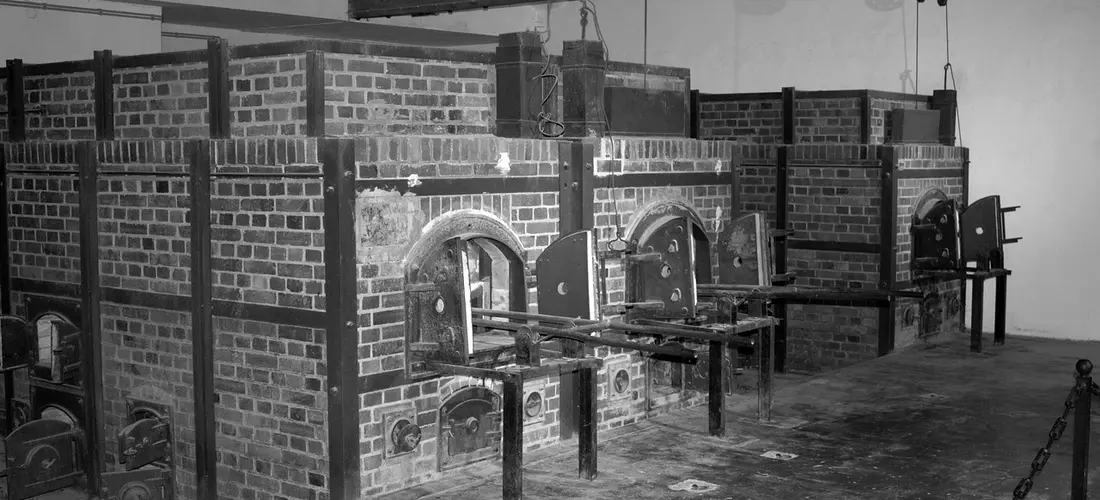
The journey to the crematory is handled with quiet care. The cremation container is transported securely in a dedicated vehicle. The atmosphere inside the crematory is one of focused respect.
Upon arrival, a rigorous identification check begins. This is the most critical step to ensure continuity of care. Staff will verify paperwork against the identification tag on the container itself.
A permanent metal identification disc, often stamped with a unique number, is typically assigned at this point. This disc will stay with the remains through every stage of the process. This meticulous tracking is the cornerstone of a crematory’s commitment to your trust.
Final preparation involves confirming all authorizations are complete. The container is checked to ensure it is ready and suitable for the chamber. There is a quiet moment of verification before proceeding.
I want to offer a clear reassurance here. No further embalming or invasive steps are taken at the crematory. The care shifts entirely to the secure and dignified technical process that follows. Many cremation myths are simply not true, and understanding the facts can bring peace of mind. For those curious, our cremation myths debunked guide clarifies common misconceptions.
The Cremation Chamber: Procedures and Safety
The cremation chamber, often called a retort, is a specialized furnace. Its interior is lined with refractory bricks designed to withstand extreme temperatures. To me, it represents a vessel for a profound transformation.
The prepared container is carefully placed into the chamber. The heavy door is then securely closed and sealed. This action marks the beginning of the cremation process itself.
Intense heat is introduced, typically between 1400 and 1800 degrees Fahrenheit. Over the next few hours, the process reduces the body to bone fragments. The atmosphere inside is one of intense, focused energy.
Afterward, there is a mandatory cooling period. The remains must be completely cool before they can be handled. This careful wait is part of the procedure’s inherent respect.
A fundamental rule is observed: only one body is ever placed in the chamber at a time. The assigned metal identification disc accompanies the remains from start to finish. It is never separated, providing a constant physical link.
Once cooled, the bone fragments are collected with reverence. They are then processed in a machine called a cremulator. This reduces them to a consistent, fine ash you would recognize.
These ashes are then transferred. They are placed into a temporary container or directly into the urn you have provided. The identification disc is included with them, offering a final, tangible point of verification.
Professional Oversight and Your Role
From the moment you contact a funeral home, a dedicated team takes over. I have seen how their quiet expertise brings order to a difficult time. Behind the scenes, funeral directors shoulder the responsibilities and challenges of coordinating services, paperwork, and logistics. They balance honoring wishes with regulatory demands, guiding families with calm steadiness.
- Funeral directors oversee the entire process.
- Embalmers prepare the body, if you choose that care.
- Crematory operators manage the cremation chamber itself.
Their primary duty is to ensure legal compliance and perfect documentation. They file death certificates, obtain permits, and maintain a careful chain of custody. This paperwork, though it can feel heavy, protects everyone involved.
Physically, they care for the person with steady hands and respect. An embalmer might wash and dress the body with care. A crematory operator checks the identification tag multiple times, a simple act that offers profound reassurance.
Your role is to provide information and make the choices that feel right to you. You will share personal details for legal records. You give written authorization for the cremation to proceed. There are cremation legal documents that formalize these wishes. I can help you understand and prepare the paperwork as needed. These decisions, from selecting an urn to planning a service, are yours to make. I am here to listen and honor your wishes.
When to Call a Funeral Director
A licensed funeral director is legally required to handle transportation, permits, and crematory coordination. You cannot arrange this yourself. The law designates them as the responsible party for this sacred duty. Familiarity with funeral director legal requirements helps families understand what to expect and whom to consult. It also highlights the documentation and permissions that must be handled by a licensed professional.
Direct any questions about the process, costs, or timing to them. It is their job to guide you. I often remind families that no question is too small when your heart is full of grief.
Call them anytime the logistical or emotional weight feels too heavy to carry alone. Their support can make the path ahead seem clearer, one gentle step at a time.
Frequently Asked Questions About Cremation Preparation
How is the body prepared for cremation without a viewing?
For direct cremation, the focus is on gentle, essential care: the body is respectfully washed and dressed in simple attire. It is then placed in a combustible container, with embalming only necessary if a viewing is desired. This approach serves as a practical entry point into the body cremation process.
How can we be sure the ashes returned are those of our loved one?
A permanent identification disc is assigned and remains with the remains throughout the entire process. This meticulous chain of custody is a sacred trust, ensuring the integrity of the ashes returned to you.
Is the cremation chamber procedure conducted with respect?
Absolutely. The chamber is operated with focused reverence, following strict protocols that include cremating only one individual at a time. The environment is one of dignified transformation, overseen by compassionate professionals.
Parting Reflections on Cremation Preparation
Trust that the preparation process is performed with consistent dignity and careful attention to detail. This knowledge can be a steadying comfort as you navigate your choices.
Please consider dignified, eco-friendly options that honor both your loved one and the world they left. A green, eco-friendly funeral approach can help protect the environment while reflecting personal values. It supports a compassionate, sustainable farewell. Your continued learning about Funeral Care, Funeral Needs, and Funeral Questions is a thoughtful and responsible practice.
Emiliana Dieter
Emiliana is an author at The Valedictory. She is an experienced funeral care advisor and arranged and organized many funerals as part of her end of life consulting services. She has over 8+ years in the funeral industry managing her family funeral business and helping families cope with the loss of their loved ones. Her articles answer any and all questions you might have regarding funeral arrangements, costs, preparations, etc so you can make this a seamless experience.