What Happens to Bones During the Cremation Process?
It’s natural to wonder about the physical details of cremation, especially when you are making arrangements for someone you love.
This article provides a clear, respectful explanation of the entire process.
We will look at how bones are transformed into fragments, explain what a cremulator does, describe the final remains, and answer common questions people have.
| Type | Key Features | Main Cost Factors | Final Physical Result |
| Direct Cremation | Cremation occurs shortly after death, without a public service beforehand. The simplest option. | Basic service fees of the crematory or funeral home. A simple container. An urn for the ashes. | Cremated ashes (cremains). |
| Traditional Funeral with Cremation | A visitation or funeral service is held with the body present, followed by cremation. | Professional service fees, embalming, rental casket, venue, transportation, and an urn. | Cremated ashes (cremains). |
| Traditional Burial | A full service with the body present, followed by ground burial in a cemetery. | Professional service fees, embalming, casket, cemetery plot, headstone, and burial vault. | The body, placed in a casket and buried. |
This table is a starting point for your thoughts. Your own needs, faith, and budget will shape the final choice.
The Purpose and Peace of Cremation
Choosing cremation is a deeply personal act. It is a valid and gentle way to honor a life.
When we ask what happens to the bones, we are often asking something else. We are asking if everything was done with care. We need to know that respect was present in every step.
Modern cremation is a precise, controlled process. It takes place in a special chamber called a retort. The intense heat reduces the body to its essential elements, primarily bone fragments. Understanding how cremation methods work helps explain the need for regulation. The process relies on precise heat and timing. This is not an open fire, but a dignified and regulated thermal reduction.
I have witnessed the quiet reverence of the operators. They handle this duty with a sober grace. The person is not forgotten in the procedure. Their memory guides every action.
Step-by-Step: What Happens Inside the Cremation Chamber
The cremation chamber, which we often call a retort, is a specialized and respectful space. I think of it as a solemn room built for one purpose, designed with both engineering precision and deep regard for the person within.
Once inside, the process begins with intense, focused heat. This heat first dries the tissues, much like a warm wind across sand. Then, the organic matter gently combusts, leaving behind the skeletal structure.
Bones are not burned away like wood; instead, they are calcined. This means the mineral composition changes, transforming them into fragile, porous fragments. What remains are often called cremated remains, but they are primarily bone ash.
I want to assure you that only one person is ever cremated at a time. A careful identification tag stays with the chamber throughout, ensuring dignity and respect are maintained from beginning to end.
What Temperature Is Required for Cremation?
Cremation requires temperatures between 1400 and 1800 degrees Fahrenheit. The cremation temperature process relies on a controlled heat profile, with temperatures carefully monitored to ensure efficiency and consistency. This range is necessary to ensure a complete and dignified reduction of the body.
The high heat is not about speed, but about care and completeness. It allows the process to happen uniformly and respectfully, leaving only the calcined bone.
You might compare it to the difference between a home oven and a professional pottery kiln. The retort provides a controlled, consistent environment where every detail is managed with intention.
How Long Does the Cremation Process Take?
From start to finish, cremation typically takes two to three hours. The exact time can vary based on factors like the individual’s body composition and the equipment used. In some cases, multiple bodies are cremated in a single operation, which adds coordination for scheduling and equipment use. The multiple bodies cremation process is handled with careful protocols to maintain timing, safety, and respect.
This time is never rushed; it is simply what is needed for the process to complete with reverence. We allow the chamber to cool naturally before any further steps are taken.
Families often choose to wait in a comfortable quiet room on-site, or they return later. I have found that knowing the timeline can offer a small anchor of certainty during a difficult day.
The Transformation: From Bone to Fragment
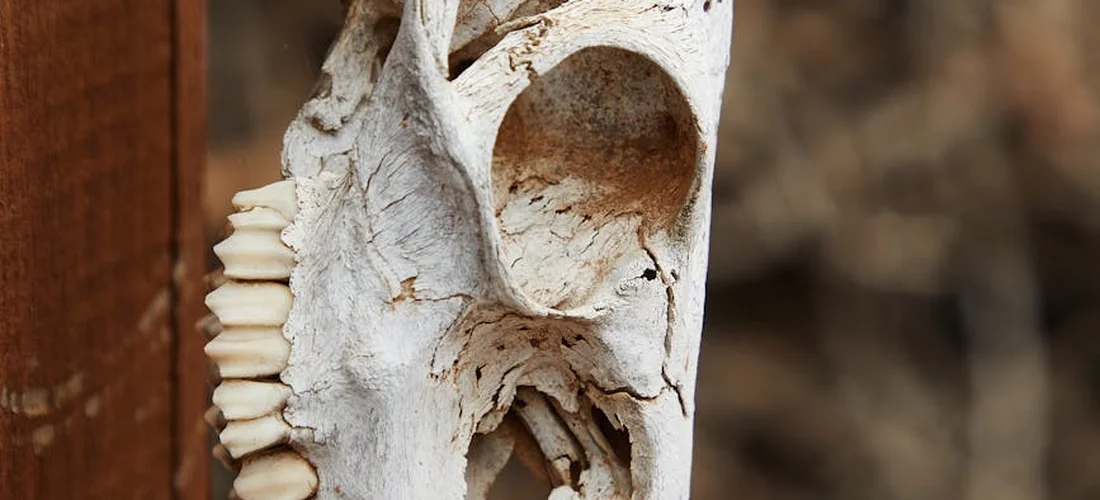
After the cremation chamber cools, the skeletal remains are retrieved. They are not fine dust at this stage. The bones have become brittle and porous, with a pale, chalky appearance that feels light to the touch.
I often tell families that these are not “ashes” in the way we commonly picture them. What remains are calcified bone fragments, the mineral structure that endures after the organic matter has been consumed. It is similar to how a seashell persists long after the life within it has gone.
Are bones left after cremation? Yes, this is the answer. These fragments are the direct and complete remains of the skeletal framework. They are a natural part of what continues.
Please know that all soft tissue has been honorably reduced through this process. Only the mineral bone, a durable and calm essence, is left behind. In my work, I see how this clarity can offer a quiet reassurance during a difficult time.
Processing the Remains with Care
After the intense heat of the cremation chamber, what remains is treated with the utmost respect. The next step is one of gentle refinement.
The recovered bone fragments are cooled completely. They are then transferred to a machine called a cremulator or processor.
This device uses a rotating mechanism to pulverize the fragments. The goal is to create a consistent, fine texture.
The result is a substance often likened to coarse sand or gritty ashes. This careful processing gives us the final ‘cremated remains’ that are returned to a family.
Many people ask, “are bones crushed after cremation?” The term ‘crushed’ can sound harsh. In practice, it is a reverent, mechanical process of reduction.
It transforms the larger, brittle fragments into a uniform consistency suitable for placement in an urn. This step is performed with great care to honor the person and to provide a tangible remembrance for loved ones.
During this stage, any remaining non-combustible materials are separated. This includes items like medical screws or dental bridges.
They are removed with respect and set aside. Their handling is a standard part of the crematory’s meticulous procedure.
What Is Done With Any Metal Remains After Cremation?
Larger items, such as joint replacements or surgical plates, survive the cremation process intact. They are recovered from the cremation chamber after it has fully cooled.
These metals are collected separately from the cremated remains. They are typically steel, titanium, or cobalt-chrome alloys.
Many crematories work with specialized recycling programs. These programs safely melt down the metals.
The recycled material is often used to manufacture new products. Knowing that these materials are given a new purpose brings a sense of meaning to many families. It can feel like a positive legacy from a difficult moment.
On rare occasions, traces of precious metals like gold from dental work may be found. Reputable crematories have clear policies for these situations.
Any valuable metals are handled according to the family’s direct wishes or ethical industry standards. They are never retained without explicit permission and transparency.
Understanding the Final Product: Cremated Remains
You hold an urn and wonder what is inside. The contents are the processed mineral remains of bone, primarily calcium phosphate, which we commonly refer to as “ashes.” This term is a kind shorthand, but the reality is more solid.
The material has a coarse, gritty texture. It feels like fine sand or small gravel, and the weight is often surprisingly substantial in your hands. This tangible quality can be a comfort.
I have seen the care taken in every cremation. Strict operational protocols ensure the remains returned to you are solely and completely those of your loved one. This is a cornerstone of the body cremation process. Each step respects the memory of your loved one. This integrity is the foundation of the process.
Are the Ashes Returned to the Family Actually Bone Ash?
Yes, they are. Bone ash is the accurate term for these calcined, processed bone minerals. It is a clear and compassionate answer to your question.
This is not powder from a wood fire. What you receive is the enduring physical essence of the skeletal structure, transformed by heat yet permanently present. It offers a quiet sense of continuity.
When people ask if cremation ashes are just bones, I say they are the bones’ lasting mineral form. The ashes’ appearance and composition—minerals and tiny remnants—offer a tangible link to that life. They are a respectful and real testament to a physical life.
When to Call a Funeral Director
In the quiet space of early grief, a funeral director serves as your guide and legal caretaker. I have been that guide for many families, and I understand the need for a steady hand. Their role is to navigate the practical path with you, ensuring every step is handled with care and within the law. A funeral director is bound by specific legal requirements to provide this kind of support.
You should call a funeral director when practical arrangements must begin. Their expertise is essential for specific tasks. Knowing the roles and duties of a funeral director can also help you understand what to expect during the process.
- Arranging the cremation service itself.
- Handling all death certificates and permits required by your state.
- Providing dignified care for your loved one’s body before cremation.
A licensed funeral director manages the crematory process from start to finish. They coordinate directly with the crematory to ensure all procedures are followed. This oversight guarantees that legal and respectful standards are met without you having to bear that burden.
Ultimately, they are a source of support who handles precise details so you can focus on remembrance. From my own experience in loss, I know how precious that mental space is. Letting them manage the logistics allows you to gather with family, share stories, and begin the gentle work of honoring a life.
Common Concerns and Gentle Reassurances
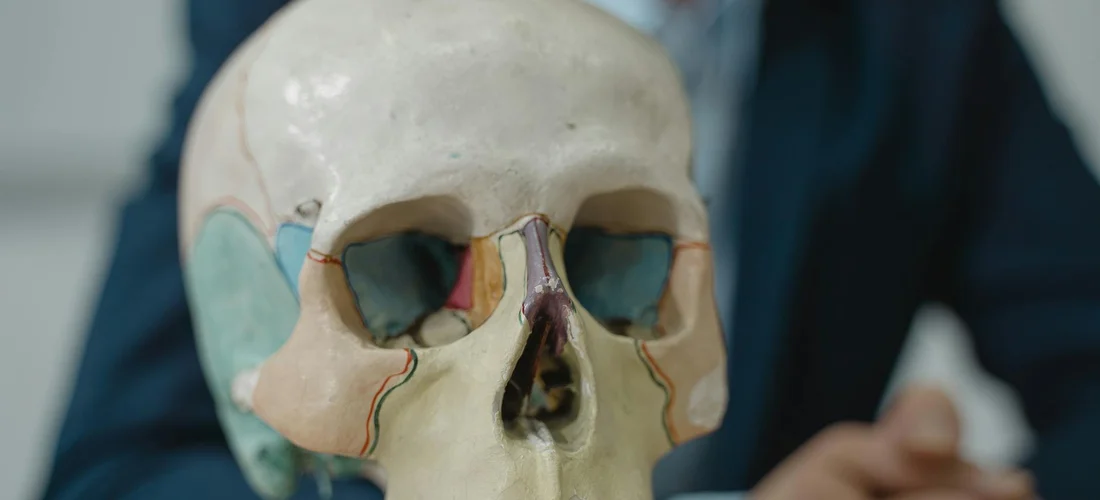
Many people have quiet questions about this part of the process. It is natural to wonder, and it comes from a place of care. Here, we can address those worries with calm facts and a gentle perspective.
Are Bones Completely Destroyed During Cremation?
They are not destroyed. I think of it as a profound transformation. The intense heat reduces the organic, living tissue, but the durable mineral structure of the bones remains.
Their composition shifts from a complex organic material to a simpler, primarily mineral state. The physical form changes beyond recognition, but the essential elemental material-what was always the core strength of the bone-persists. It is a return to a more basic, stable form.
Are There Bone Fragments in Cremation Ashes?
After the cremation chamber cools, what remains are bone fragments. They are typically large and brittle. This is where a step called processing occurs.
The fragments are placed into a machine called a cremulator. This device uses blades or ball bearings to gently pulverize the material into a uniform consistency. The resulting granules are so fine that they feel like coarse sand or gravel, no longer recognizable as distinct fragments to your eye or touch. The processor ensures a consistent, sand-like texture you would expect.
How Are the Cremated Remains Different From the Original Bones?
The journey from bone to ash is one of reduction and change. It can be framed as a natural, dignified return to a purer, mineral state. The core transformation involves three key changes.
| Aspect | Original Bone | Cremated Remains (Ash) |
|---|---|---|
| Composition | Living tissue, collagen, water, and minerals (calcium phosphate). | Almost entirely dry calcium phosphate and other minerals. The organic compounds and water are gone. |
| Chemical State | Hydroxyapatite (a hydrated crystal). | Mostly anhydrous calcium phosphate, a stable, dry mineral. |
| Form & Mass | Dense, structured, and heavy with fluid. | Greatly reduced in volume and mass, becoming a granular powder. |
The substance you receive is the enduring mineral essence. It has been stripped of ephemeral elements, leaving behind what is most permanent. This final, reduced form is what families hold, scatter, or bury-a tangible, dignified reminder of a life’s physical foundation.
Compassionate Answers to Common Questions
What remains after the cremation process is complete?
Once the chamber cools, the primary remains are calcined bone fragments-brittle, porous, and pale in color. All organic matter has been respectfully reduced, leaving only these mineral structures.
What happens to the bone fragments after cremation?
The fragments are reverently processed in a cremulator to create a uniform, sand-like consistency. This careful step prepares the remains for dignified placement in an urn.
What is the final product of the cremation process?
The final product is granulated bone minerals, often referred to as ashes. This is a tangible, dignified remembrance returned to the family with great care.
Reflections on the Cremation Journey
The cremation process reverently reduces bone to fragments, which are then carefully processed into the ashes families receive. In the UK, many families turn to memorialization options to honor loved ones after the cremation. This link between process and remembrance can guide decisions about ceremonies, keepsakes, and lasting tributes. Knowing this can offer solace, helping you approach memorial plans with a sense of clarity and peace.
Selecting a final resting place for cremated remains is a profound act of care, with many dignified and eco-conscious choices available. After cremation, there are various funeral options to consider. These include services, urn arrangements, or garden memorials. I encourage you to continue learning about Funeral Care, Funeral Needs, and Funeral Questions as you honor this personal journey.
Emiliana Dieter
Emiliana is an author at The Valedictory. She is an experienced funeral care advisor and arranged and organized many funerals as part of her end of life consulting services. She has over 8+ years in the funeral industry managing her family funeral business and helping families cope with the loss of their loved ones. Her articles answer any and all questions you might have regarding funeral arrangements, costs, preparations, etc so you can make this a seamless experience.