
Is DNA Extraction from Cremated Ashes Possible? A Compassionate Guide
When loss leaves you searching for connection, the question of retrieving DNA from ashes can feel both urgent and delicate.
This article offers a clear, kind explanation drawn from professional experience. We will explore: the cremation process and its impact, the scientific reality of DNA survival, and thoughtful paths forward for honoring memory.
Key Takeaways: A Compassionate Overview
I understand the deep need behind this question. The desire to hold onto a physical, tangible piece of a loved one is a powerful part of grief.
You should know that extracting usable, readable DNA from cremated ashes is exceptionally difficult and, in most cases, unsuccessful.
Standard genetic testing becomes highly unreliable after cremation’s intense process.
In very rare instances, specialists might recover trace amounts of mitochondrial DNA, which is different from the nuclear DNA used for most tests.
If preserving genetic material for the future is important to you, this is a vital conversation to have with a funeral director before cremation occurs. Planning ahead allows for alternative options.
For now, I hope it brings some comfort to know that a person’s legacy is held in stories, love, and shared memories, not solely in genetic code.
Is DNA Extraction from Cremated Ashes Possible? The Core Question
Let’s address your question with gentle honesty. While the idea offers hope, the scientific reality is sobering.
Extracting DNA suitable for standard paternity, ancestry, or medical testing from cremated ashes is generally not possible.
Cremation involves placing the body in a chamber heated to between 1400 and 1800 degrees Fahrenheit. This sustained, extreme heat is the central reason for cremation temperature process.
It effectively reduces the body’s organic compounds to ashes and pulverized bone fragments. The genetic material contained within cells is almost always completely destroyed.
This answers your core question. Cremated ashes are not a biohazard for this very reason. They primarily consist of mineral compounds, which is why handling and storage are typically straightforward compared to biological materials.
The main challenges are the extreme temperature, the length of the process, and the fundamental change from organic tissue to inorganic minerals.
What Cremation Does to Genetic Material
Imagine the cremation chamber. The heat is so intense it is visible, a roaring orange and white. This is not like a gentle fire.
It is a prolonged, industrial heat designed to reduce the physical form. Within this environment, the delicate, complex structure of DNA cannot survive.
Think of DNA like a detailed instruction manual written in a special code. The cremation process is like holding that manual in a sustained fire.
The pages and the ink are transformed into smoke and ash, making the original instructions impossible to recover and read.
Key Factors That Make Extraction So Difficult
Several specific barriers work against DNA recovery from cremains.
The temperature is the first and greatest factor. The duration, often 1.5 to 3 hours, ensures complete exposure.
Finally, what remains is not like soft tissue. The “ashes” you receive are primarily calcium phosphate and other minerals from bone, mechanically processed into a fine, sand-like consistency. Very little organic matter remains to even potentially harbor DNA.
The Devastating Role of Extreme Heat
DNA is a long, chain-like molecule held together by specific chemical bonds. Heat is energy.
Sustained high-temperature heat pours energy into these bonds, causing them to vibrate and snap apart. The sequence shatters into tiny, unreadable fragments.
It is a fundamental, irreversible change. The information is not just hidden; it is erased.
Time, Storage, and Further Degradation
If any microscopic fragments were to survive the initial cremation, time works against them.
The longer ashes are kept, the more any remaining genetic material continues to break down. How and where you keep the ashes also matters, especially considering their composition.
Exposure to moisture, sunlight, or significant temperature swings in storage can further degrade any biological traces. These factors make an already remote possibility even less likely as years pass.
The Science of Extraction: Methods and Reliability
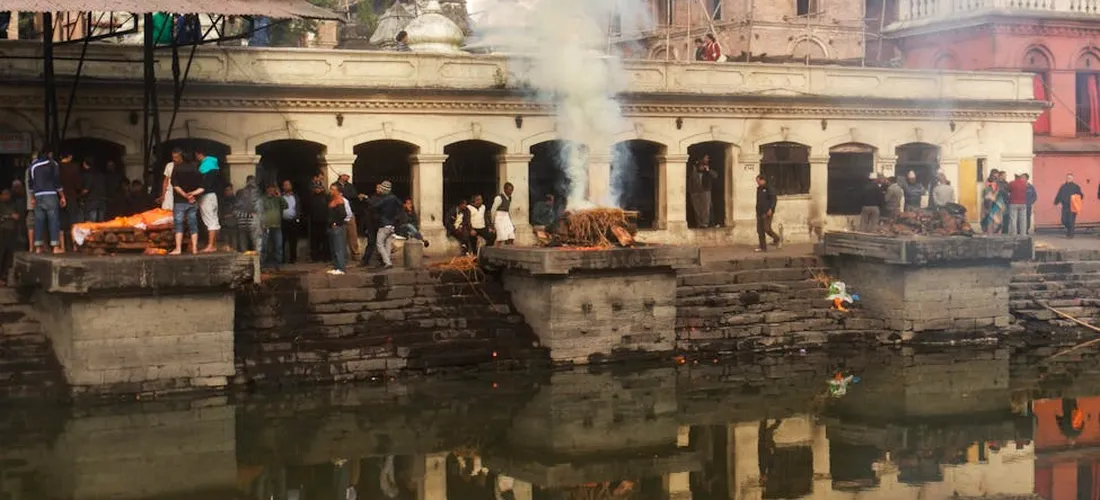
Labs use forensic-grade techniques designed for highly degraded samples. These methods are delicate, born from crime scene and archaeology work, where DNA is often damaged or scarce.
What methods are used for DNA extraction from ashes? The process typically involves three careful steps.
- Sieving for Fragments: The cremated remains are gently sifted to find small bone chips. The fine, powdery ash is usually just mineral dust.
- Chemical Digestion: Any recovered bone fragments are dissolved in special solutions to release trapped genetic material.
- DNA Amplification: Scientists then use tools like PCR to try and copy any surviving DNA strands, making them detectable.
This answers how cremated ashes are processed for analysis. How reliable is DNA testing on cremated ashes? You must know that success is not guaranteed, and results are often partial or inconclusive. The extreme heat of cremation makes this a profound technical challenge.
Specialized Techniques for a Daunting Task
One common method is targeted PCR, or Polymerase Chain Reaction. Think of it as a molecular photocopier that can amplify tiny, damaged traces of DNA.
It looks for specific genetic segments that might have survived. Labs almost always need those small, white bone fragments, not the uniform ash. Without them, there is simply nothing for the science to work with.
What Does “Success” Really Mean Here?
In this field, success is measured in fragments. A “successful” extraction might only recover a very limited DNA profile, not a complete genetic blueprint.
What is the success rate of obtaining DNA from cremated ashes? It is low and varies widely. Some studies and labs cite single-digit percentages. I tell families to hope for the best but prepare for no result at all.
Mitochondrial DNA: A More Resilient Genetic Thread
Mitochondrial DNA is a special type passed only from mother to child. It is housed in sturdier cell structures called mitochondria, which can be more resilient.
Can mitochondrial DNA be extracted from cremated ashes? It has a slightly higher chance of survival, but it is still fragile. If obtained, it can only trace maternal lineage, offering a different kind of connection.
Commercial Services and Your Practical Choices
Are there any commercial services that perform DNA extraction from cremation ashes? Yes, a handful of specialized labs offer this. My role is to help you set realistic expectations from the start, especially when it comes to dividing cremation ashes among family.
These services apply the rigorous science described above. They are honest about the daunting odds, and you should be too with your own heart.
Quick Snapshot: Comparing DNA Service Options
| Service Type | Estimated Cost Range | Typical Turnaround | Likelihood of a Usable Result |
|---|---|---|---|
| Basic Screening | $500 – $1,500 | 4 to 8 weeks | Very low. Often concludes with an inconclusive report. |
| Full Profile Attempt | $1,500 – $3,000+ | 6 to 12 weeks | Low. Aims for a complete profile; success is rare and typically partial. |
| Mitochondrial Analysis | $800 – $2,000 | 4 to 10 weeks | Moderate, but still uncertain. Provides maternal lineage data only. |
Essential Questions for Any Service Provider
Vetting a lab is crucial for trust and closure. Please ask these questions before you commit.
- Can you detail your step-by-step methodology for cremated remains? They should openly describe sieving, digestion, and amplification.
- What is your published success rate for cremation ashes? Be cautious of any service that cannot provide this data.
- How do you protect genetic privacy and data? Your loved one’s genetic information deserves the utmost care.
- What is your protocol for returning all unused remains to us? Ethical handling means every particle is treated with reverence.
Weighing the Emotional and Financial Cost
The financial cost, as shown, is considerable. The emotional investment is far greater. You are hoping for a tangible piece of someone you miss deeply.
There is a real emotional risk in pinning your grief on a result that may never come. The silence of an inconclusive test can feel like a second loss.
I gently suggest you reflect on whether this search will support your journey. Sometimes, peace is found not in what we can recover, but in how we choose to remember.
Alternative Paths: Honoring a Legacy Beyond DNA
Sometimes, the search for DNA comes from a deep need to feel connected. I understand that longing. The good news is there are gentle, dignified ways to honor a person’s legacy that don’t rely on a scientific process that often ends in disappointment.
By shifting our focus, we can find tangible, lasting connections that celebrate a unique life. Your desire for a piece of them to hold onto is valid and can be met in other meaningful forms.
Planning Ahead: Preserving DNA Before Cremation
If preserving genetic material is important to your family, the only reliable method involves planning before the cremation. A family present cremation process offers a way for loved ones to participate in the final moments together. This is a simple, caring act that provides lasting peace of mind.
A funeral director can discreetly collect a DNA sample during the preparation process. This is usually done with a soft cheek swab or by taking a small lock of hair. The sample is then sealed and stored securely according to your wishes.
Think of this as a proactive gift for the future, whether for genealogical research, understanding family medical history, or simply for personal remembrance. It removes the burden of uncertainty and ensures a biological connection is preserved with dignity.
Memorialization That Focuses on a Life Lived
A person is so much more than their genetic code. Their spirit lives on in stories, artistry, and the natural world. Consider these alternatives that create a focused tribute.
- Transform a lock of hair into a piece of memorial jewelry.
- Use a pre-collected saliva sample with a dedicated DNA preservation service.
- Commission a portrait or a piece of art that captures their essence.
- Plant a memorial tree or garden, using the ashes to nourish new growth.
- Compile a written biography or book of memories, or record audio stories from friends and family.
Love and memory are not stored in molecules alone; they are held in the heart and echoed in the legacies we actively create.
Addressing Specific Concerns About Identity or Substances
You may wonder, can cremated ashes be tested for drugs, or can cremated remains be identified? The honest answer is that testing cremated material for these purposes is exceedingly rare, complex, and often unreliable.
The extreme heat fundamentally alters the chemical structure, making most forensic analysis impossible. If you require answers for legal or personal reasons regarding identity or toxicology, that testing must be completed by appropriate professionals *before* cremation occurs.
A funeral director can guide you through this sensitive process, ensuring it is handled with the utmost care and respect for your loved one. They coordinate transport and preparation, and handle the necessary paperwork. Knowing their roles and duties can help you plan with confidence.
Your Compassionate FAQ on DNA and Cremated Ashes
What are the chances a commercial service can obtain a result?
The chances are low, as the cremation process is inherently destructive to DNA. Reputable services will be transparent about this and manage expectations, often reporting that a conclusive result is the exception, not the rule.
Is it worth the emotional cost to attempt extraction?
This deeply personal decision requires balancing hope against the high likelihood of an inconclusive result. Many find greater peace by investing in tangible, alternative memorials that honor their loved one’s unique life and legacy.
What should we do if DNA preservation is important to us?
The only reliable method is to plan ahead before cremation occurs. Speak with your funeral director about discreetly collecting and preserving a sample, such as a cheek swab or hair, as a caring, proactive step for the future.
Parting Reflections on DNA Extraction from Cremated Ashes
The gentlest guidance I can offer is that DNA extraction from cremated ashes is often not possible, as the cremation process typically destroys genetic material. If preserving DNA matters to you, discussing your options with a funeral professional before cremation is the most reliable step.
When honoring Funeral Care, Funeral Needs, and Funeral Questions, choosing dignified and eco-conscious practices reflects deep respect for your loved one. Should you have questions about specific funeral details—such as timing, arrangements, or personalized tributes—these funeral details questions can help guide you. I invite you to continue learning about these topics, finding reassurance in making informed, compassionate decisions. In the next steps, you’ll find a link to this topic for easy access.
Emiliana Dieter
Emiliana is an author at The Valedictory. She is an experienced funeral care advisor and arranged and organized many funerals as part of her end of life consulting services. She has over 8+ years in the funeral industry managing her family funeral business and helping families cope with the loss of their loved ones. Her articles answer any and all questions you might have regarding funeral arrangements, costs, preparations, etc so you can make this a seamless experience.