
A Complete Guide to Officiating, Planning, and Personalizing a Funeral Service
Being asked to plan or lead a funeral service is a profound honor, and it is normal to feel unsure where to begin. I have stood where you stand, balancing grief with the desire to create a meaningful farewell.
This guide will walk you through the entire process, focusing on officiating the ceremony with confidence, planning the practical arrangements with care, and personalizing the service to truly honor a unique life.
Your First Steps: An Immediate Action Checklist
The hours after a death feel vast and blurry. Grief makes even small tasks seem impossible. Please, be gentle with yourself.
This list is not a demand. It is a quiet map for the first day or two. One thing at a time is enough.
- Ensure the death is officially pronounced. If at home under hospice, call them. If not, call 911 or the non-emergency line.
- Contact the closest family and friends. Ask one trusted person to make these calls for you, to share the weight of the news.
- Reach out to a funeral home. They will guide you on the immediate next steps, including respectfully moving your loved one.
- Secure multiple official copies of the death certificate. The funeral home will usually obtain these for you. You will need them for legal matters.
- Look for funeral instructions or a will. Check a desk, a safe, or ask a lawyer if one exists.
- Care for yourself. Drink water. Sit down. Let someone bring you a blanket or a cup of tea. The world can wait a moment.
These first steps are about care, not complexity, and a funeral home is your partner in handling the immediate practical needs.
How to Plan a Funeral Service with Clarity and Care
Planning a service is an act of love. It is a way to honor a unique life. You do not need to know everything at once.
Begin with a simple conversation among immediate family. What feeling do you want the service to have? Solemn and traditional, or perhaps more reflective and personal?
You have meaningful choices. A traditional funeral often includes the body present, shortly after death. A memorial service happens after burial or cremation, sometimes weeks later. A celebration of life focuses less on mourning and more on sharing joyful memories and stories.
There is no single right choice, only the one that feels most true to the person you are honoring.
Next, consider the practical pillars of your plan.
- Location: A place of worship, a funeral home chapel, a community hall, or a meaningful outdoor spot.
- Timing: Work with your funeral director on a timeline that allows family to gather without undue rush.
- Budget: Be open about financial limits with your funeral director. They can present clear options at different price points.
- Funeral Home: Choose one based on compassion and clear communication, not just proximity. Ask questions until you feel comfortable.
The required paperwork includes the death certificate, a burial or cremation permit, and possibly forms from the cemetery. Your funeral director will manage nearly all of this legal documentation on your behalf, which is a profound relief during grief.
When to Call a Funeral Director: Professional Guidance
Some tasks require a licensed professional, and knowing this can lift a burden from you.
You must call a funeral director for the legal transportation of the body from the place of death. They secure the necessary permits and handle the hygienic care of your loved one. They are also legally authorized to file the official death certificate.
Think of them as your guide through a forest of logistics. They coordinate with cemeteries, crematories, and florists. They arrange the obituary and prepare the space for your service. They also find funeral arrangements that best suit your needs.
Their role is to manage the daunting details so you can focus on family, memory, and saying goodbye.
How to Personalize a Funeral Service Authentically
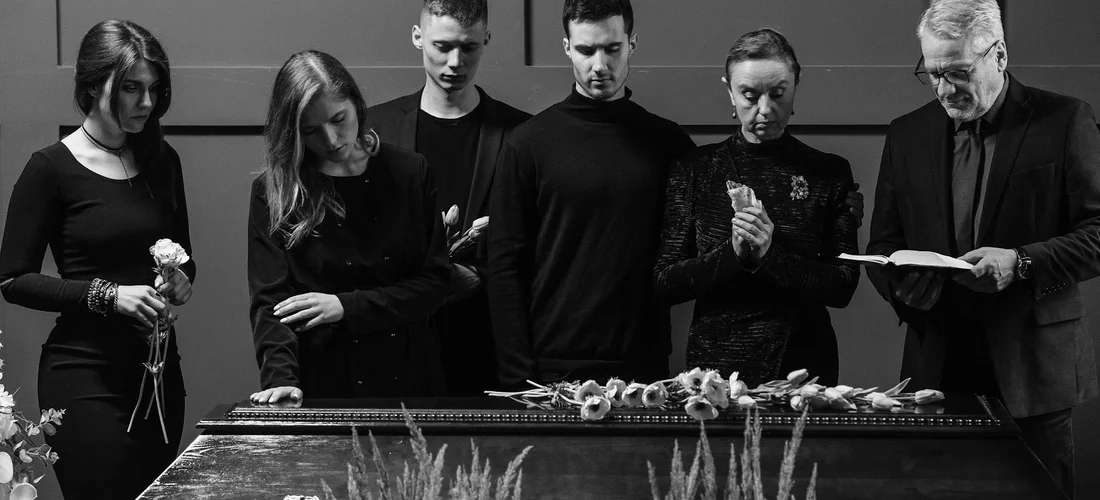
A truly personal service feels like a quiet echo of the person you miss. The goal is not a spectacle, but a gentle resonance of a unique life.
Think about the small details that defined them. A checklist can help turn memory into action.
- Create a soundtrack of their life, from a beloved hymn to the song they always sang off-key in the car.
- Choose readings that mattered to them, whether from a holy book, a favorite novel, or a poem they saved.
- Display their hobbies. A fishing rod, a garden trowel, or a well-loved quilt can speak volumes without a word.
- Share their favorite foods. Serving their famous chili or lemon bars after the service is a tangible act of remembrance.
These tangible touches invite people to remember with their senses, not just their thoughts.
Incorporating Traditions and New Ideas
Family and faith traditions provide a comforting structure. The key is to weave personal threads into that familiar fabric.
If a cultural ritual feels essential, consult with a community elder or faith leader to perform it with respect. You can also adapt traditions, like having everyone place a single flower instead of a handful of dirt.
The concept of a “living funeral,” where a person hears their tributes, is a powerful source of inspiration. It reminds us that the most meaningful personalization comes from honoring a person’s true spirit, not just following a script.
Dignified Alternatives: Considering a Different Path
A traditional funeral with a burial is one path, but it is not the only one. Each choice carries a different feeling. Understanding the traditional funeral service structure—visitation, the service, and the committal—can help compare options. This context can guide your decisions.
A green burial, in a natural setting with a biodegradable casket, reflects a commitment to the earth. Direct cremation is simple and private, often followed by a separate memorial when family is ready. A home funeral, where care happens in the familiar space of home, is a deeply intimate alternative.
The language we use also shapes the day. A “funeral” often carries a tone of solemn farewell. A “celebration of life” leans toward sharing joyful memories. Understanding the differences between funeral, memorial, and celebration of life formats can help families choose what best fits. These choices honor the person and support grieving in a way that feels authentic. Your best guide is the personality of the person who died and the honest wishes they expressed.
A quiet, private soul might be honored by a simple direct cremation. A vibrant community figure might inspire a large celebration of life. There is no wrong choice, only the most fitting one.
How Do You Officiate a Funeral Service?
Being asked to officiate is a profound honor. You are not expected to be a professional clergyperson. You are a guide for a grieving community.
Your primary role is to hold a respectful, loving space. You are the gentle hand that steadies the ship for an hour.
A Step-by-Step Guide for the First-Time Officiant
Preparation is your anchor. Meet with the close family. Listen to their stories. Ask what the person who died loved, laughed at, and believed in.
Write down your words. It is okay, and even wise, to read from a page. Grief can make our minds blurry.
1. How to Begin a Funeral Service
Start by welcoming everyone. A simple, calm statement acknowledges why you are all there.
You might say, “We are gathered here today to remember and honor the life of [Name]. Thank you for being here to share in this moment.”
Your opening sets a tone of warmth and shared purpose.
2. Weaving in Stories and Structure
After the welcome, share a short, honest story that captures the person’s essence. This makes the service feel human.
Then, you become the ‘MC.’ Gently introduce others who will speak or read. Your job is to manage the flow.
- State who is coming up next. “Now, [Name]’s daughter, Jane, will share a few memories.”
- Be prepared to step in softly if a speaker becomes overwhelmed.
- Allow for moments of silence. They are not empty; they are full of feeling.
3. How to Close a Funeral Service
The closing offers a sense of completion. Summarize the feeling of the gathering in a sentence or two.
You might offer words of comfort from a relevant text or simply express a final farewell on behalf of everyone. Then, state what happens next, such as proceeding to the committal or inviting people to a reception.
A clear, peaceful closing helps people transition from the service back into the world.
Note on Special Roles
In some traditions, like a Catholic funeral, the officiant role is filled by a priest or deacon. Family members may have other roles, like serving as altar servers.
If you are asked to fulfill a specific religious role, work closely with the faith leader to understand the precise steps and movements. It is an act of service performed with quiet dignity.
Creating the Ceremony: From Script to Sentiment
Writing a ceremony script begins with listening. I sit with families and hear their stories, the small details that made their person unique. Your script should weave these anecdotes into a narrative that feels true, not borrowed from a generic outline. Let the words sound like a conversation about a life, full of its particular light and shadow.
Start with an opening that acknowledges the loss directly and welcomes everyone. This first statement sets a tone of shared presence, inviting people to feel their grief without fear. Speak plainly about why you are all gathered, using the person’s name often.
Selecting readings and music asks you to listen for the heart of the person. Did they have a favorite poem, a song that always made them smile, a passage from a well-worn book? Choose pieces that echo their voice, even if the selection seems unconventional for a funeral. A piece of jazz or a line from a novel can be as fitting as a psalm.
Sequence these elements to create a gentle rhythm. I often suggest this flow:
- Begin with a moment of quiet or a piece of music that allows for settling in.
- Share a reading that reflects on life or love.
- Invite a few people to speak briefly, if they wish.
- Conclude with music that offers a sense of peace or celebration.
This pacing gives the ceremony breath, allowing emotion to rise and fall naturally.
For moments of sharing, offer a clear but open invitation. You might say, “Would anyone like to share a memory?” Be prepared for silence, too. That quiet is not a failure; it is a part of the collective mourning. Have one or two stories of your own ready to offer if needed.
Practical visuals are anchors for memory. A simple paper program helps guests follow along. Including a favorite photograph on the cover transforms it into a keepsake people will hold onto. Place photo displays where light falls on them, perhaps near the entrance where people can gather before sitting.
A guestbook needs good pens and space for more than just a name. Prompt guests with a question like, “What is your fondest memory of [Name]?” to encourage heartfelt notes. For decor, consider items that were meaningful: a displayed quilt, a vase of garden flowers, a collection of favorite rocks gathered on walks.
How to Conduct a Funeral Service on the Day
Your role as conductor is to be a calm guide. You are not performing; you are holding space. Your steady presence becomes a quiet reassurance for mourners navigating a difficult hour. I focus on being fully there, watching the faces in the room, feeling the collective breath.
Managing nerves is about preparation and permission. Arrive early to walk the space and feel its silence. Remember, the people are there to honor a life, not to judge your speaking. Their gratitude for your guidance will be your strength.
Speak clearly and a little slower than you think is necessary. Grief can make hearing difficult. Pause after important sentences, letting the words settle into the room. Keep a glass of water within easy reach, and do not fear the moments when you simply stop to breathe.
Pacing the event means listening to the room’s energy. If a reading brings soft cries, allow a few extra seconds of quiet before moving on. The ceremony has its own rhythm, and your job is to sense it rather than rush against it. A well-timed pause often speaks louder than any planned word.
Unexpected moments are inevitable. A sob may break through, or a memory may trigger unexpected laughter. Meet these emotions with a gentle acknowledgment-a nod, a soft look-before continuing. I have seen a shared smile at a funny story become a moment of profound healing for a family.
If you become overwhelmed, it is alright. Pause, take a breath, and find your place again. The honesty of your own emotion can deepen the connection in the room, showing others it is safe to feel. You are a human guiding humans, not a flawless speaker.
To conclude, offer clear and thankful words. Summarize the purpose of your gathering in a sentence or two. Then, directly tell guests about any reception or gathering, stating the location and inviting them all to continue sharing stories. This provides a gentle direction, helping people transition from the intensity of the ceremony to the comfort of community.
Finally, as people begin to move, remain near the front for a few moments. Your visible, calm presence as they depart offers a final note of stability on a day full of upheaval. A quiet “thank you for coming” to those who approach can mean a great deal.
Compassionate Guidance: Your Questions Answered
I’m officiating for the first time-what’s my single most important role?
Your most important role is to be a calm, compassionate guide who holds a respectful space for mourning. Focus on listening to the family’s stories and representing the loved one’s spirit with sincerity.
How can we plan a service together as a family without conflict?
Begin by asking each person to share one memory or element that feels essential to them. Your shared goal is to honor your loved one, and a funeral director can help mediate and blend these wishes into a harmonious plan.
Can we personalize a service meaningfully on a limited budget?
Absolutely. The most meaningful personalization comes from heartfelt stories, shared music, and simple displayed mementos. A personalized service is defined by authentic sentiment, not financial expenditure.
Parting Reflections on Personalizing a Funeral Service
The most important guidance I can offer is to center the service on the unique person being honored. Let their stories, their preferences, and the love they shared shape every choice you make.
Dignified Funeral Care invites us to consider eco-friendly practices as a respectful answer to modern Funeral Needs. Keep exploring Funeral Questions with an open heart, as each thoughtful decision supports both the bereaved and the legacy left behind. As the funeral industry faces evolving challenges and trends, these choices become central to compassionate, future-ready care.
Emiliana Dieter
Emiliana is an author at The Valedictory. She is an experienced funeral care advisor and arranged and organized many funerals as part of her end of life consulting services. She has over 8+ years in the funeral industry managing her family funeral business and helping families cope with the loss of their loved ones. Her articles answer any and all questions you might have regarding funeral arrangements, costs, preparations, etc so you can make this a seamless experience.