
Funeral, Memorial Service, or Celebration of Life: Understanding Your Options
When you are faced with planning a farewell, the differences between a funeral, a memorial service, and a celebration of life can feel unclear and even overwhelming. I know how much weight these decisions carry when you are grieving.
This article will gently explain each gathering’s purpose and form. We will explore:
- The traditional structure and presence of the body at a funeral.
- The flexible timing and focus on memory in a memorial service.
- The personal, often joyful, tone of a celebration of life.
Key Takeaways: A Compassionate Starting Point
If you are looking at these terms and feeling unsure, you are not alone. This search for clarity is a normal, helpful part of planning a meaningful goodbye.
- A funeral is traditionally a final farewell, centered on the presence of the person who has died.
- A memorial service focuses on remembering and honoring a life, often after the body has been cared for.
- A celebration of life emphasizes the joyful, unique spirit of the person, reflecting their personality.
There is no wrong choice here, only the choice that feels right for the person you are honoring and for those who are grieving. I have helped families weave elements from all three into a single, fitting tribute.
A Quick Snapshot: How the Services Compare
This table can help you see the general distinctions at a glance. Think of it as a starting point for conversation, not a set of rigid rules.
| Element | Funeral | Memorial Service | Celebration of Life |
|---|---|---|---|
| Primary Focus | Farewell to the physical person; acknowledgment of death. | Communal remembrance and honoring of a life. | Celebrating the personality, joys, and essence of the person. |
| Presence of Body/Remains | Typically present in a casket. | Often not present; may include an urn if cremation occurred. | Often not present; focus is on spirit and memory. |
| Typical Timing | Usually within a week after death. | Can be held soon after or weeks/months later, allowing for travel. | Often held well after the death, allowing for less traditional planning. |
| General Tone | Tends to be formal, structured, and somber, though personal touches are common. | Can range from formal to casual, but centered on reflection and shared memory. | Usually informal, personalized, and can be upbeat or festive. |
| Common Cost Factors | Professional services fee, casket, cemetery costs, transportation, venue (often a funeral home or church). | Professional services fee, urn (if applicable), venue rental (wider range of locations), printed materials. | Venue rental (park, hall, home), catering, decor, entertainment, personal tributes. |
The cost column reflects different choices, not a value judgment. A simple funeral can be modest, while an elaborate celebration of life can be a significant investment. It is about directing resources toward what matters most to you.
Please note, the term “memorial service” does not automatically mean cremation, nor does “celebration of life.” You can have a memorial with the urn present, or a celebration of life for someone who had a traditional burial. The language is flexible to fit your needs.
Understanding the Core Purpose of Each Gathering
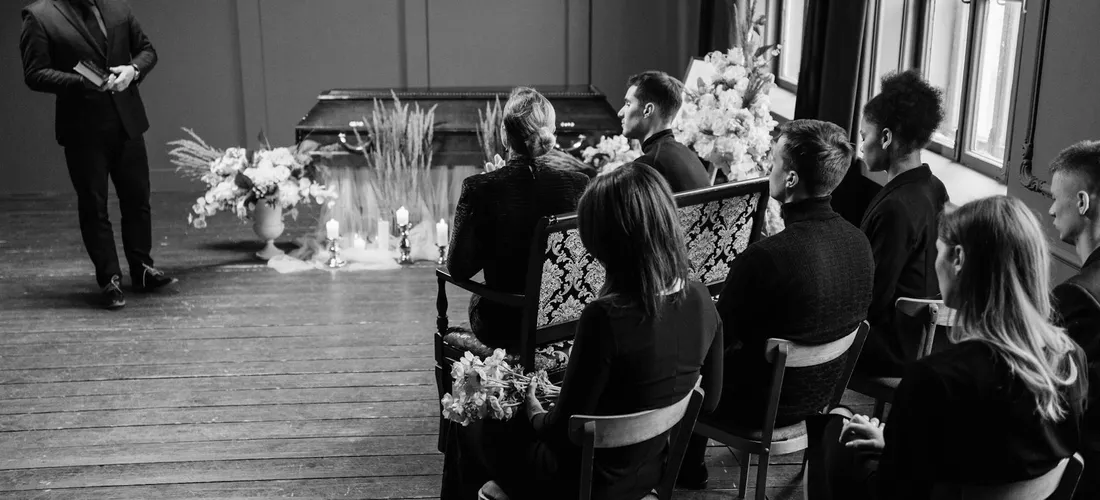
Each type of gathering holds a distinct place in our journey through grief. I have seen how choosing the right one can bring a sense of peace to families.
A funeral serves as a ritualized farewell. The physical presence of the body is a central, grounding element. This tradition focuses our collective attention on the reality of the loss, allowing us to begin saying goodbye. It often follows a set sequence of events, which can feel like a steady anchor in a turbulent sea of emotions. In discussions of the funeral definition event, people explore what the ceremony typically includes and what it signifies. This framing helps guide how the transition is observed and remembered.
A memorial service is primarily an act of remembrance. Since the body is not usually present, the event itself becomes a vessel for shared stories and love. This absence allows for significant flexibility in timing, enabling family to gather weeks or even months later when travel is easier. I often find these services create a quiet space for reflection, centered entirely on the person’s memory.
A celebration of life honors the unique spirit and story of the person who died. Joy and personal tributes are frequently its heartbeat. This gathering prioritizes the individual’s passions and personality over traditional ritual, painting a vivid picture of how they lived. Think of it less as a formal service and more as a heartfelt tribute, filled with the music, photos, and stories that defined them.
The Question of Presence: Are the Remains There?
This is often the most defining difference. For many, the physical presence of the person who has died shapes the entire feeling of the gathering.
At a funeral, the body or cremated remains are almost always present. The service typically precedes burial or cremation, so the casket or urn is a central part of the ceremony. This can offer a sense of direct, tangible closure for those saying goodbye.
A memorial service offers more flexibility. Sometimes an urn containing cremated remains is present. Other times, the service is held without them, perhaps after burial or cremation has already taken place. The presence of remains at a memorial is a choice, not a requirement, allowing families to decide what feels most respectful and comforting.
During a celebration of life, the physical remains are less commonly the focal point. The emphasis is squarely on sharing stories, music, and memories that illustrate the person’s spirit. If an urn is present, it often feels more like a respectful tribute than the central object of attention. The gathering is about honoring a continuing legacy, not necessarily bidding farewell to a physical form.
A common point of confusion ties these events to specific forms of care. I want to offer clear reassurance here. Choosing a memorial service does not mean you must choose cremation. Similarly, opting for a celebration of life does not automatically mean cremation has occurred. These are separate decisions about the type of service and the form of final care, and they can be mixed and matched according to your family’s wishes and beliefs.
Timing and Logistics: When and Where Are They Held?
Funerals usually happen within a week of a death. This timing respects traditional practices and allows for a structured goodbye. You will most often hold a funeral in a house of worship, a funeral home chapel, or directly at the graveside. The presence of the casket anchors the service in that moment of farewell.
Memorial services offer a different pace. Families frequently schedule them weeks or months later. This flexibility lets everyone, especially those far away, plan their travel to be there. I have seen the relief this brings, turning a rushed obligation into a heartfelt reunion.
The location for a memorial can be almost anywhere. A quiet park, a local community hall, or the living room of a family home all work beautifully. It is about finding a space that feels right for sharing stories without the physical presence of the body.
Celebrations of life are typically held well after the death, sometimes on a birthday or anniversary. These events are deeply personal, so they belong in places filled with meaning. I have helped organize them in a sunny backyard, a loved one’s favorite restaurant, or on the ninth hole of a golf course.
People sometimes ask about the difference between a funeral home and a burial home. A funeral home is where you plan and hold services, and where care for the person who died takes place. A burial home, often part of a cemetery, is focused solely on the interment itself. Knowing this can help you navigate the practical steps with more clarity.
The Feel of the Day: Tone, Atmosphere, and Structure
I have sat with many families as they planned this day. The tone you choose shapes everything.
A traditional funeral carries a formal, structured feel. The atmosphere is often somber, centered on religious or cultural rituals that guide you through the farewell. You might hear specific prayers, see a casket present, and follow a set order of events. This structure can feel like a steady hand in the turmoil of grief. Understanding this traditional funeral service structure can help you anticipate the steps involved. It also prepares you to participate more calmly in the rituals that follow.
A memorial service usually feels respectful but slightly less formal. It often mixes sorrow with the gentle comfort of shared memories, since the body is not typically present. I have seen people pass around photographs and speak from their hearts without a strict script. The room holds both tears and the soft sound of stories being told.
A celebration of life is personal, uplifting, and informal by design. It resembles a heartfelt party, filled with stories, music, and moments that truly reflect the person. I have attended celebrations where everyone wore bright colors, laughed over old tales, and played favorite songs. The air feels lighter, focused on love rather than loss.
Look at the difference between a celebration of life and a funeral. The primary distinction is in tone and structure: one is a formal rite of passage, the other is an informal tribute to joy. A funeral follows a traditional path to honor death, while a celebration of life carves its own path to honor the life that was lived.
Common Rituals and Personal Touches
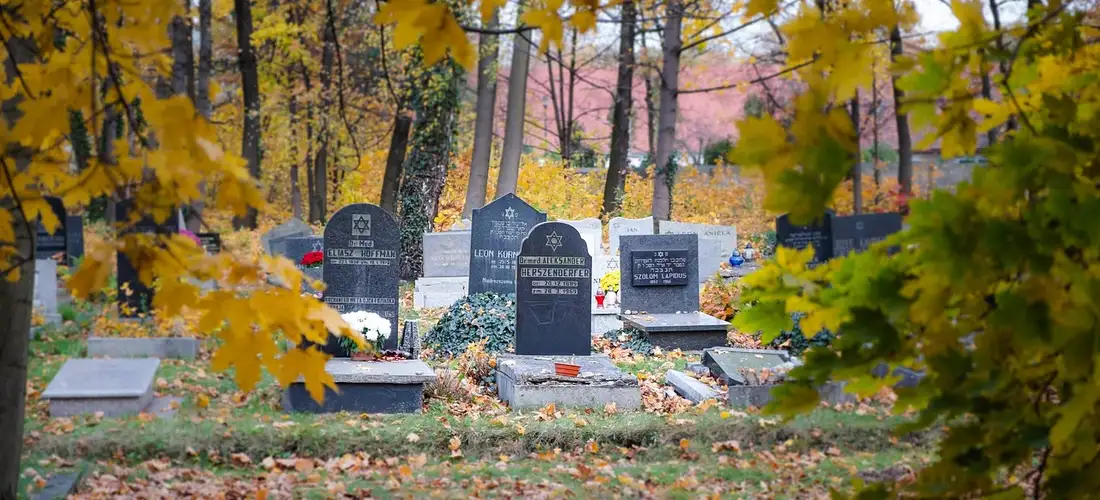
Each type of gathering has its own traditional and modern rituals. These elements provide a gentle structure for our grief and a way to honor a life.
Traditional Funeral Service Elements
A funeral service, often held with the body present, follows a more formal structure. This structure can be a comfort, providing familiar steps during an unfamiliar time. Understanding the funeral service order structure can help families anticipate the sequence of rites and rituals that follow, making the process feel more manageable. Having a clear sense of the typical order of service can also guide planning and conversations with loved ones and service professionals.
- Processional: The formal entrance of the family and the casket.
- Prayers or Religious Readings: Scriptural passages or prayers led by clergy.
- Hymns or Sacred Music: Songs of faith and comfort chosen for their meaning.
- Eulogy or Obituary Reading: A speech detailing the person’s life story and character.
- Viewing or Visitation: A designated time, often before the service, for guests to pay their respects to the person who has died.
- Committal Service: The final rites at the graveside or crematorium, marking the physical farewell.
The sequence of a funeral offers a contained path from acknowledgment to farewell, which many families find supportive.
Memorial Service Elements
A memorial service, held without the body present, often feels slightly less formal. It focuses on collective remembrance and can be shaped more freely by the family’s wishes.
- Readings: These can be spiritual, literary, or personal-like a favorite poem or letter.
- Music: Ranges from classical pieces to the person’s favorite songs, not limited to hymns.
- Shared Memories: Friends and family are often invited to stand and share brief stories.
- A Photo Display or Memory Table: A central collection of pictures, awards, or cherished items that tell a visual life story.
- Sometimes a Clergy or Celebrant Lead: Someone may guide the service, but the tone is frequently more conversational.
The absence of the body shifts the focus entirely to the spirit and memory of the person, creating space for shared stories.
Celebration of Life Elements
A celebration of life is often the most personalized gathering. It actively reflects the personality, passions, and joys of the person being honored.
- Themed Decor: Colors, flowers, or motifs that matched the person’s style-be it garden flowers, sports team colors, or travel maps.
- Video Tributes: A curated slideshow or video set to music that feels like a living album.
- Favorite Foods and Drinks: Serving the person’s beloved meal, snack, or beverage becomes a shared tribute.
- Open Microphone for Stories: A relaxed, informal invitation for anyone to share a memory, often prompting laughter as well as tears.
- Activities the Person Loved: This could be a group hike, a round of their favorite game, or planting a tree together in their memory.
A celebration of life feels less like a somber ritual and more like a genuine party thrown in someone’s honor, where their absence is felt through the joy they inspired.
Alternative Options and Blended Services
In my years guiding families, I have seen that the most meaningful services often do not fit neatly into one single category. Many people find comfort in blending different elements to create something that feels right for them.
A common choice is to hold a traditional funeral service, then follow it with a more casual gathering. This gathering acts as a reception, but it often becomes a celebration of life. Guests share stories and memories in a relaxed setting, which can soften the edge of a heavy day. It honors the need for ritual while making space for joy. Thinking about post-funeral gathering etiquette can help guests show respect while staying mindful of pace. These guidelines keep conversations thoughtful and the space welcoming.
Another path many families choose is direct burial or direct cremation. This is when the body is cared for simply, without a formal service beforehand. This option is often more affordable, and it allows the family to plan a separate memorial or celebration of life at a time and place that has personal meaning. You might hold it weeks later in a favorite park or a family home, free from the immediate pressure of logistics. Many families also explore funeral options after cremation to tailor the tribute to their timing and values. These post-cremation options can include intimate memorials, family gatherings at a meaningful place, or other personalized ceremonies.
Perhaps the most important thing to remember is that you have choices. The labels are less important than the intention behind them. You can personalize any service, whether it’s called a funeral, a memorial, or a celebration. I have seen services that include a formal procession and a bagpiper, followed by a backyard barbecue. The blend is what felt true for that family.
Your only task is to create a gathering that helps you say goodbye and remember the person you loved. How you mix these elements is entirely up to you.
Finding the Right Fit for Your Loved One
This choice rests in your hands. It is a tender responsibility.
Let these gentle questions guide your thoughts. Sit with them quietly. There are no wrong answers here.
- What would they have wanted? Recall a shared conversation or a quiet preference they might have mentioned. Their comfort was in the small details.
- What feels true to their personality? Picture their smile, their manner. A formal tribute or a gathering filled with stories should echo who they were.
- What will help us, the living, grieve? Your need to say goodbye, to feel supported, matters deeply. This service is for you, too.
The best service is not defined by tradition alone. It is the one that leaves you with a sense of quiet peace and the certainty you honored them properly. A simple moment can hold as much meaning as a large event.
Making this decision feels heavy. I have seen that weight in many rooms. Please know that your careful consideration, this very act of choosing, is a profound gesture of love. It is how we care for them, and for each other, now.
Frequently Asked Questions
How does the typical atmosphere differ between these services?
A funeral often has a formal, somber atmosphere focused on ritual and farewell. A memorial service tends to be reflective and centered on shared memory, while a celebration of life is usually informal and uplifting, emphasizing the person’s unique spirit. Understanding memorial service funeral differences can help you choose the right format for your tribute. It also clarifies what to expect from each option.
How do I decide which type of service is right for my loved one?
Consider their personality, your family’s needs, and what would feel most authentic as a tribute. The right choice honors their life in a way that brings you and other mourners a sense of peace and closure.
Can we include personal elements in any of these gatherings?
Absolutely. Personal touches like favorite music, stories, or displays can be incorporated into any service, from the most traditional funeral to the most casual celebration of life. Your choices make the gathering meaningful. After the service, a post-service reception provides a space to continue the tribute with friends and family. It can include light refreshments, memories, and conversations that comfort guests as they say goodbye.
Honoring Choices for a Personal Farewell
The most important choice you can make is selecting a service that feels true to the person you love and brings genuine comfort to those who mourn. Let the distinct character of a life, not just custom, guide whether a funeral, memorial, or celebration of life is right for you.
In meeting Funeral Needs with dignified Funeral Care, remember that respectful, eco-conscious options exist to honor a legacy thoughtfully. I encourage you to approach your Funeral Questions with continued kindness, seeking answers that support healing and dignified respect.
Emiliana Dieter
Emiliana is an author at The Valedictory. She is an experienced funeral care advisor and arranged and organized many funerals as part of her end of life consulting services. She has over 8+ years in the funeral industry managing her family funeral business and helping families cope with the loss of their loved ones. Her articles answer any and all questions you might have regarding funeral arrangements, costs, preparations, etc so you can make this a seamless experience.