
How Caskets Are Made and When DIY Might Be an Option
You may be looking at caskets with practical questions or a personal desire to create something meaningful. I understand that need for clarity and connection.
This guide explains how caskets are built, from common materials to professional techniques. We will look at traditional and modern construction materials, detail the standard methods used in crafting a casket, and thoughtfully examine the legal, practical, and emotional considerations of building one yourself.
The Quiet Craft: How Professional Caskets Are Made
Walk into a professional casket workshop, and the first thing you notice is the quiet. It is not a sterile silence, but a space filled with purpose. You hear the soft, rhythmic sound of careful sanding and the low hum of machinery. The air carries the warm, earthy scent of wood and the faint, clean smell of finishes.
This atmosphere reflects the work itself. Modern casket making is a blend of age-old handcraft and precise engineering. Artisans use both traditional joinery techniques and computer-guided machines to create something that must be both beautiful and profoundly functional. It is a craft of measured reverence.
Let’s look at the core materials and the careful steps that transform them.
Traditional and Modern Materials
The choice of material defines a casket’s character, weight, and cost. Wood remains the most traditional choice, each type with its own grain and presence. Beyond wood, other casket burial container types include metal and fiberglass options, each with its own durability and price profile.
Common woods include economical pine, sturdy oak, rich walnut, and elegant mahogany. A casket constructed of cherry is a classic, warm choice, known for its smooth finish and gentle reddish tones that deepen with age. Metal caskets, like those made from steel, copper, or bronze, are built differently. They are formed from sheets of metal, welded for strength, and often finished with a protective sealant for a high-gloss appearance.
The interior is its own soft world. Fabrics like crepe or velvet line the shell, providing a gentle final resting place. A tightly drawn form of casket interior style, where the fabric is smooth and taut without gathers, offers a clean, tailored look that many families prefer. This attention to detail is not new. For historical context, one could look to a decorated casket designed by the ancient Egyptian civilization, showcasing an early, elaborate dedication to funerary craft and permanence.
The Main Steps in Professional Construction
The process is methodical, with each step ensuring dignity and durability. It begins with milling lumber or preparing metal sheets to exact specifications.
Components are then precisely cut. For a wooden casket, the sides, ends, and bottom are assembled into a shell. This assembly often uses strong joints like dovetails or lock miters, which provide structural integrity without relying solely on glue or nails. The lid is carefully hinged, and hardware like handles and nameplates is installed.
The final stages focus on protection and presentation. The exterior receives multiple sandings and layers of stain or sealant. Inside, a mattress is set upon a plywood platform, and the chosen fabric is expertly fitted and attached. Every seam must be perfect. This precision is vital not just for beauty, but to ensure a flawless seal when the lid is closed, a final act of care.
Understanding Your Choices: A Quick Snapshot of Casket Options
Seeing the options side-by-side can help clarify what you are considering. This table outlines common types, their general place on the cost spectrum, and what defines them.
Price is influenced by material rarity, craftsmanship, and protective features. This visual guide helps you quickly grasp why costs vary and what you are paying for, from simple dignity to enduring craftsmanship.
Is Building Your Own Casket Legal and Practical?
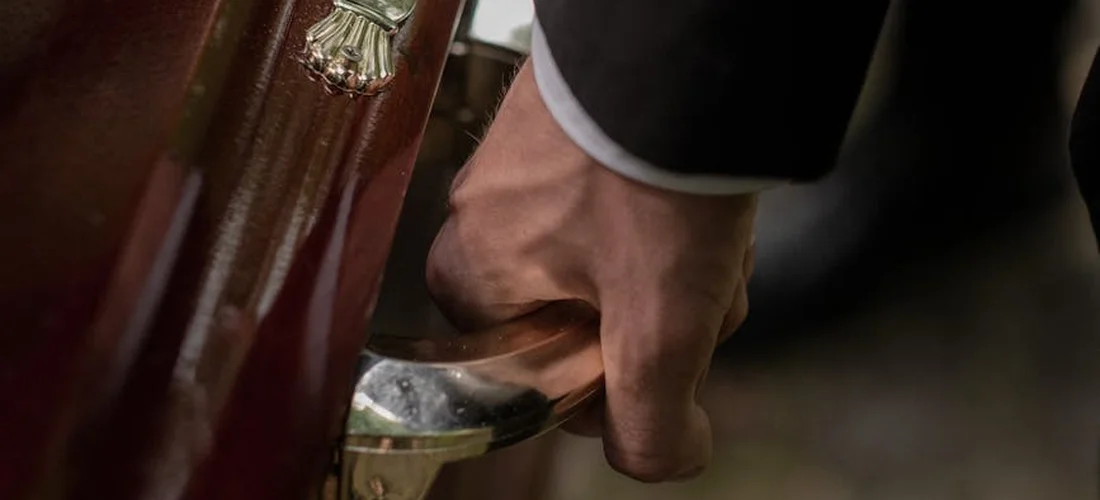
In most places, you have the legal right to build a casket for yourself or a family member. Consumer protection laws often safeguard this choice, recognizing it as a personal expression.
Before any sawdust flies, always verify with your specific funeral home and local authorities. Regulations on dimensions or materials can vary, and this simple check prevents painful surprises.
Choosing to build comes from a deep place. It allows for profound personalization, can offer significant cost savings, and provides a therapeutic, hands-on way to honor a life. The act of creation itself can be a gentle companion in grief.
Legal and Safety Considerations for Personal Use
Your planning must extend beyond the workshop. You need to confirm three key points with the professionals involved.
- Cemetery acceptance: Some require an outer burial container (vault) regardless of casket type.
- Funeral home handling policies: They will have guidelines for safe weight limits and overall dimensions.
- Transportation requirements: Ensure your vehicle or the hearse can accommodate the casket securely.
Constructing a sturdy casket is an act of care for the pallbearers. A well-built box protects those carrying it, turning your craftsmanship into a final gesture of safety and respect.
What You Need to Know Before You Build: Skills, Tools, and Design
Building a casket is an intermediate to advanced woodworking project. It demands precision in joinery and an understanding of how to support weight. Be honest with yourself about your skill level.
Gathering the right tools is essential. You will need a table saw for accurate cuts, a router for shaping edges, several sturdy clamps for assembly, a power drill, and a sander for a smooth finish.
Functional design ensures dignity and ease during the service. The interior should be approximately 84 inches long, 28 inches wide, and 23 inches deep. Plan for six to eight handles placed for balance, and remember that a solid lid can be surprisingly heavy to lift.
Recommended Woods and Materials for a DIY Casket
For your first build, I recommend stable, readily available woods like pine, poplar, or cedar. They are easier to work with, lighter to carry, and their subtle grain feels warm and honest.
Hardwoods like oak or cherry are beautiful and durable. However, their density makes them heavy and more challenging to cut and assemble, which can complicate the process.
The right hardware brings it all together. You will need strong, discreet hinges, reliable lid supports to hold it open safely, and carrying handles that sit flush against the wood to prevent snagging.
Common Mistakes to Avoid When Building a Casket
Building a casket is different from other woodworking projects. It carries a profound emotional weight. I’ve known families who began with a clear vision, only to find the process brings up unexpected feelings of grief.
One of the most frequent practical oversights is not confirming dimensions. Funeral homes have specific requirements for outer dimensions to fit their equipment. Always get the exact interior and exterior measurements from your chosen funeral director before you make a single cut.
Structural integrity is non negotiable. Avoid weak butt joints or small staples. The casket must bear significant weight and be moved safely. Use strong joinery like rabbets or dados, and secure everything with substantial screws and wood glue.
Consider the pallbearers. A design made from solid oak or overly ornate details can become extremely heavy. Test the weight as you build, and ensure handles are securely mounted into solid framing, not just the outer panel.
Do not rush the sanding and finishing. A rough surface can snag clothing. An improperly cured finish can have a strong odor. Take your time here. This final step is a quiet, reflective part of the process.
If you feel overwhelmed, pause. Asking a friend for help with the heavy lifting or intricate joinery is not a failure. It is an act of care, for yourself and for the dignity of the project.
Paths for Personalization: From Kits to Custom Plans
For those drawn to the hands-on process but concerned about complexity, a do it yourself casket kit is a thoughtful middle path. These kits provide a way to contribute your labor and love, with much of the technical precision handled for you.
A typical kit includes all pre cut wood panels, pre drilled for assembly. All necessary hardware, handles, and fasteners are usually in the box. Your task becomes one of careful assembly, following clear instructions for gluing and drilling. This option greatly reduces the risk of measurement errors and requires only basic workshop tools.
For the experienced woodworker, full plans for a do it yourself casket are available. This path offers complete control over material selection, from pine to cherry to walnut. You can customize profiles, interior finishes, and hardware to your exact specification. Selecting the right wood is crucial to ensure both beauty and durability.
Choosing between a full build and a kit depends on your resources. Here is a simple comparison.
| Consideration | Full DIY Build | DIY Kit |
| Cost | Varies by material; can be lower or higher | Set price, often moderate |
| Time Investment | Significant (measuring, milling, building) | Moderate (assembly and finishing) |
| Skill Required | Intermediate to advanced woodworking | Basic tool competency |
| Customization | Very high | Limited to finish and fabric |
| Emotional Labor | High, integrated into every step | Focused on assembly and finish |
Both paths are valid. The kit provides certainty and reduces stress during a difficult time. The full build from plans is a profound craft, a final labor of love for someone skilled with their hands.
When to Call a Funeral Director: The Professional Guidance Verdict
Building a casket is an act of love. Handling the legal and logistical aftermath of a death is a complex, state-regulated process. This is the clear boundary where professional guidance becomes not just helpful, but necessary. A funeral director’s expertise lies in navigating the paperwork and procedures that families are rarely prepared to manage alone. These responsibilities come with real challenges—balancing regulatory compliance with careful coordination of services. Understanding these duties helps families appreciate why professional guidance is essential.
They are responsible for filing the official death certificate, obtaining any required transit or burial permits, and coordinating all details with the cemetery or crematory. As part of funeral director duties, the death certificate is a pivotal document that guides every step—from permits to burial. Handling these records with care helps ensure a smooth process for families. These are not simple forms; a single error or delay can create significant complications during a time when you need clarity and calm.
If you choose to build a casket, I encourage you to see a funeral director as your partner from the very beginning. A good director views their role as facilitating your meaningful choices, not overriding them. In my experience, most are deeply respectful of homemade caskets and will provide you with precise dimensions and any necessary hardware for handling. Before making your decision, consider the requirements it involves to build or buy a custom casket.
They can advise on cemetery requirements for outer burial containers or specific materials. This collaborative approach ensures your personal tribute is honored without unforeseen last-minute hurdles on the day of the service. A quick look at the history of caskets and burial containers can inform your choice. Understanding how practices have evolved helps you select a container that resonates with your tribute.
The profound value of a funeral director is the dignity and space they protect for you. Their work allows you to be a grieving family, not an overwhelmed administrative office. They manage the timeline, the transportation, the staff, and the countless small questions that arise. These are the core duties of a funeral director: coordinating services, guiding families through arrangements, and handling the practical details.
This lifts a tangible weight. It grants you the quiet to hold a hand, to share a memory, to simply breathe. In shouldering the procedural burdens, they guard the sacredness of your farewell.
Gentle Guidance: Your Casket Construction Questions Answered
What are the legal and safety considerations for building a casket for personal use?
You generally have the legal right to build a casket, but always verify exact dimensions and material requirements with your funeral director and cemetery first. Constructing a sturdy, well-balanced casket is a crucial safety consideration, ensuring dignity and security for both the deceased and the pallbearers.
How does the cost of building a casket yourself compare to purchasing one?
Building yourself can reduce costs, particularly with economical woods, though you must account for tools and materials. The value often extends beyond price, offering profound personalization and a therapeutic process that many find meaningful.
Are there any pre-made casket kits available, and how do they work?
Yes, DIY casket kits provide pre-cut wood and all necessary hardware, simplifying the building process significantly. They are designed for respectful assembly with basic tools, allowing you to contribute a personal touch while minimizing technical challenges.
Honoring Choices in Casket Construction
The central guidance here is to choose a path-purchasing or building-that brings you peace and honors the deceased with integrity. Your decision should reflect both practical needs and the personal significance of this final act.
In all matters of Funeral Care, selecting dignified, eco-conscious options can extend a legacy of respect for the natural world. I encourage you to continue exploring Funeral Needs and seeking answers to your Funeral Questions, as informed choices provide a steady foundation for grief.
Emiliana Dieter
Emiliana is an author at The Valedictory. She is an experienced funeral care advisor and arranged and organized many funerals as part of her end of life consulting services. She has over 8+ years in the funeral industry managing her family funeral business and helping families cope with the loss of their loved ones. Her articles answer any and all questions you might have regarding funeral arrangements, costs, preparations, etc so you can make this a seamless experience.