The Environmental Cost of Saying Goodbye: Burial and Cremation’s Impact on Soil, Air, and Water
When planning a funeral, is it normal to wonder about the environmental footprint of your choices? Asking this question is an act of deep care, for both your loved one and the world they leave behind.
This article looks at how traditional burial and cremation affect our natural resources. We will examine soil contamination from embalming fluids, air pollution from crematorium emissions, risks to water quality, and the emerging landscape of more sustainable alternatives.
Key Takeaways: Compassion and Clarity
Thinking about environmental impacts can feel overwhelming when you are grieving. Please be gentle with yourself.
This choice is deeply personal. My aim is not to add pressure, but to provide clarity so you can feel at peace with your decision.
The core difference lies in where the impact is most felt: traditional burial primarily concerns the land and water, while cremation concerns the air. Neither is without consequence, but understanding this helps frame the choice.
You are not seeking a perfect solution, because one does not exist. You are seeking a path that feels respectful and considered.
An informed choice, made with love and intention, is a profound act of care in itself. Every thoughtful step holds value.
Many find comfort in knowing that gentler alternatives exist. Options that honor a person and the earth are available, offering a dignified way to remember.
A Quick Snapshot: Burial and Cremation Compared
This table offers a simple, side-by-side look at the primary considerations. It is a starting point for reflection, not a final verdict.
| Impact Area | Traditional Burial | Traditional Cremation |
|---|---|---|
| Soil Health | Concrete vaults and treated wood caskets hinder natural decomposition. Embalming fluids can alter soil chemistry. | Cremated remains (ashes) are sterile and mineral-based. In large quantities, they can raise soil pH and harm plants. |
| Water Quality | There is a potential for embalming chemicals, like formaldehyde, to leach into groundwater over time. | The process itself uses water for cooling equipment, but direct water pollution is generally not a primary concern. |
| Air Quality | Minimal direct air impact from the burial itself. | Burns fossil fuels, releasing carbon dioxide and, depending on the body, traces of mercury from dental fillings. |
| Typical Cost Range | Often higher due to costs for a casket, vault, plot, and opening/closing the grave. | Often lower as it eliminates many burial-related costs, though services and an urn are still needed. |
| Land Use | Requires a permanent plot of land, which is a committed use of space. | Requires no permanent grave plot, though ashes may be interred in a smaller niche or scattered. |
| Green Alternatives | Natural burial, water cremation (alkaline hydrolysis), and human composting are emerging options designed to reduce these impacts significantly. | |
How Traditional Burial Affects the Earth: Soil and Water
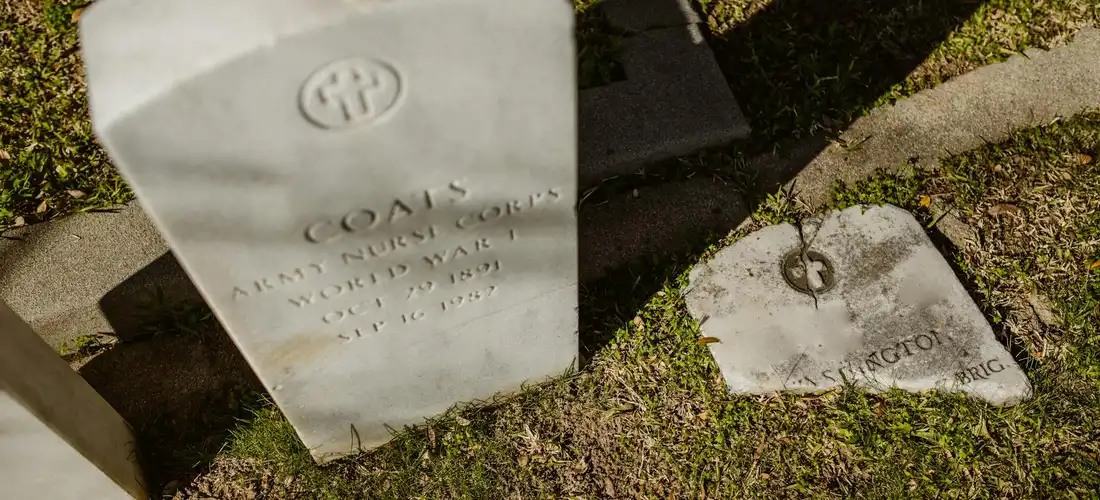
Many people wonder if caskets are bad for the environment. The answer depends on what they are made of. Traditional caskets often use materials that resist decay for a long time.
Hardwoods like mahogany are treated with chemical preservatives. Metal caskets, often steel or copper, are lined with plastics and fabrics. These non-biodegradable materials can remain intact in the soil for decades, altering the natural cycle of return.
The primary soil contaminants from burial come from these materials. Metals can slowly corrode. Treated wood may leach chemicals like arsenic or copper into the surrounding earth. This process is usually very slow, but it is a lasting change to the soil’s composition.
Embalming fluid is another consideration. Modern fluid contains chemicals, primarily formaldehyde, which temporarily preserves the body. In the ground, this fluid eventually breaks down. There is concern that these chemicals could reach groundwater, though the risk is managed by careful cemetery siting and regulations. These concerns emphasize the broader dangers embalming fluids can pose to workers and ecosystems. Ongoing safety research and stronger handling guidelines aim to mitigate these risks.
Burial vaults, the outer containers that hold a casket, create a more significant barrier. They are typically made of reinforced concrete. Their purpose is to prevent the ground from settling. In doing so, they create a sealed chamber that drastically slows natural decomposition.
Cemetery land use itself has an effect. Maintaining large, manicured lawns often requires water, fertilizer, and pesticides. This can affect local water runoff and soil health. It also creates a habitat that is less diverse than a natural meadow or forest.
When Embalming is Considered
Embalming is a personal choice, often made for practical or cultural reasons. Its purpose is to allow for a viewing or a delayed funeral service. It provides a familiar image of rest, which can be a comfort to some families. People may choose embalming to accommodate travel plans or to honor certain cultural or religious practices. Learning about reasons to choose embalming can help families make informed decisions about what feels most meaningful.
Families might choose it when there will be a public visitation, when a body is being transported over a long distance, or simply because it is a longstanding tradition. It is a valid choice that meets a real human need for ceremony and closure.
For those concerned about its environmental impact, there are alternatives. Refrigeration achieves the same practical goal without chemicals. Some funeral homes also offer water-based, non-formaldehyde embalming fluids that break down more readily.
How Cremation Affects the Air and Atmosphere
Does cremation cause air pollution? The direct answer is yes, as it is a combustion process. Modern cremation uses intense heat, much like other industrial processes. We should discuss this with compassion for both the planet and the family making this choice.
The key air pollutants emitted include carbon dioxide, a greenhouse gas, and fine particulate matter. There can also be trace emissions of mercury, primarily from dental fillings vaporizing during the process.
Comparing the carbon footprint of burial and cremation is complex. A typical cremation has been compared to a several-hundred-mile car journey in terms of carbon dioxide. A burial-versus-cremation comparison helps frame how emissions and resource use differ across options. This framing helps inform decisions about end-of-life options. A traditional burial’s footprint comes more from resource use and land maintenance over a very long time.
So, how bad is cremation for the environment? The facts must be balanced with the reality of modern technology. Newer cremation units are required to have advanced filtration systems. These scrubbers and filters capture a significant amount of particulate matter and other emissions before they leave the stack.
Understanding Regulations and Emissions
In many places, cremation facilities are regulated by the same clean-air agencies that oversee factories. They set limits on what can be emitted and require regular testing. This provides a measure of reassurance that the process is managed responsibly.
The cremated remains themselves, often called ashes, are primarily bone minerals. They are generally inert and pose no risk to soil or water. If you choose to scatter ashes, do so with care for living plants and water sources, as a high concentration in one spot can affect soil chemistry.
Dignified Alternatives: Eco-Friendly Funeral Options
For many, caring for the earth becomes a final, quiet act of caring for a person. Choosing a gentler return is not about loss, but about legacy. It is a path that honors both the one who has died and the living world they leave behind.
At its core, an eco-friendly funeral allows the body to rejoin nature’s cycles without barriers. Traditional caskets and concrete vaults are designed to resist the earth. A green option invites it in. A traditional green burial comparison highlights how materials, land use, and aftercare affect the environment. This sets the stage for comparing conventional methods with greener choices.
This choice reduces impact by eliminating industrial materials and chemicals. It uses simple, biodegradable materials that become part of the soil. The process gives back nutrients instead of taking up permanent space.
The Heart of Natural Burial
Natural burial is the most direct expression of this return. The body is placed in a simple shroud or an untreated wooden casket. It is laid to rest in a shallow grave within a designated conservation area, without any embalming or chemical treatments.
There are no headstones of polished granite. You might see a fieldstone marker, or a native tree planted in remembrance. The landscape feels open and alive, a meadow or a woodland.
You hear birdsong and the rustle of leaves. The air smells of damp earth and wildflowers. This peace comes from seeing death as a part of life’s continuous turning.
In this setting, natural decomposition feeds the soil, supporting microbes, plant roots, and new growth. The body’s nutrients cycle back into the ecosystem, creating a living memorial.
Other gentle methods have emerged for those drawn to different paths. Water cremation, also called alkaline hydrolysis, uses a warm water and alkali solution to accelerate natural breakdown. It uses less energy than flame and creates no direct air emissions. Interest is growing in how water cremation works in practice. The next sections offer a deeper look at its process, safety considerations, and environmental profile.
Natural organic reduction, or human composting, carefully transforms the body into nutrient-rich soil over several weeks. This soil can then be used to nourish a garden or a forest.
These alternatives focus on transformation rather than consumption, offering a gentle, biological resolution.
Each option naturally connects to creating a living memorial. The soil from natural organic reduction can nurture a rose bush. A tree can be planted over a natural burial plot. This fosters a continued connection that grows and changes with the seasons.
Making a Gentle Choice: Practical Steps for Families
Considering these options while grieving can feel overwhelming. You can start with small, meaningful choices. Any step toward simplicity is a gesture of care.
To plan a green funeral, focus on the materials that will touch the earth. Choose a simple pine, willow, or cardboard casket, or a cotton or linen shroud. Forgo the concrete burial vault or grave liner if the cemetery allows.
Select flowers that are local and in season, or ask for donations to a land conservancy in your loved one’s name. These decisions quietly lessen the footprint of the day.
When you speak with a funeral director, compassionate questions can help clarify your path. You might ask:
- Do you offer arrangements for natural burial, and can you help us find a permitted preserve?
- What are your most simple, biodegradable casket or shroud options?
- Which embalming fluids do you use, and can we respectfully decline embalming if we wish?
- Do you work with providers for water cremation or natural organic reduction?
If you are reviewing a loved one’s wishes, look for clues about what they valued. Did they love gardening, hiking, or conservation? An eco-friendly choice often aligns with a lifelong respect for nature, even if it was never formally stated.
Be mindful of product lifecycles. A temporary urn made of handmade paper or salt holds ashes beautifully before a scattering. For keepsakes, consider seed paper embedded with wildflowers or a small item cast from biodegradable materials.
The most thoughtful memorial often isn’t a product at all. It is the act of choosing a rest that heals the land.
Frequently Asked Questions
What is the carbon footprint of cremation compared to burial?
Direct comparison is challenging as the impacts are different. Cremation’s footprint comes primarily from fossil fuel combustion, while traditional burial’s accumulates from long-term land use, resource extraction, and grave maintenance.
How do biodegradable burial options reduce environmental impact?
They forgo non-biodegradable materials and chemicals, allowing the body to decompose naturally and enrich the soil. This process supports local ecosystems and eliminates the need for permanent, resource-intensive burial structures.
What regulations exist to limit pollution from cremation facilities?
In most regions, crematoria are regulated by clean-air agencies that set limits on emissions. Modern facilities use advanced filtration systems to capture particulate matter and other pollutants before release.
Honoring Choices for Soil, Air, and Water
Let your choice be informed by a clear, gentle understanding of how each method touches the earth. This knowledge allows you to honor a life in a way that also cares for the soil, air, and water we all share.
Caring with dignity today includes exploring gentler options for our environment as part of your journey. I encourage you to continue learning about Funeral Care, Funeral Needs, and Funeral Questions with both practicality and peace.
Emiliana Dieter
Emiliana is an author at The Valedictory. She is an experienced funeral care advisor and arranged and organized many funerals as part of her end of life consulting services. She has over 8+ years in the funeral industry managing her family funeral business and helping families cope with the loss of their loved ones. Her articles answer any and all questions you might have regarding funeral arrangements, costs, preparations, etc so you can make this a seamless experience.