
What Are the Roles and Qualifications of a Funeral Officiant?
Choosing someone to lead a funeral service is a deeply personal decision. You might feel unsure about what this person does or what makes them qualified for such a tender role.
In this article, I will walk you through the heart of their work and background.
- The core duties and compassionate support a funeral officiant provides.
- The common qualifications, from religious ordination to civil certification.
- Practical guidance for finding an officiant who honors your loved one’s memory.
Key Takeaways: Your Guide to a Compassionate Leader
- The officiant’s primary role is to guide the ceremony with unwavering respect, centering everything on honoring the person who died. Every word and ritual should feel like a true reflection of their life and spirit.
- A good officiant provides core comfort by listening deeply to your stories, handling the logistical details, and speaking heartfelt words on behalf of your grieving family. They carry the weight of planning so you can simply be present with your memories.
- Qualifications for this role blend formal training with innate personal qualities like empathy, calmness, and a steady presence. I have found that the best officants possess a quiet strength that comes from both study and a genuine heart.
What Is a Funeral Officiant?
- A funeral officiant is the guide, conductor, and compassionate voice of the ceremony. They hold the space for your community to gather, grieve, and remember.
- Their essential function is to create a gentle container for grief and remembrance, regardless of spiritual belief. This container can hold religious hymns, quiet secular reflections, or personal stories. It is a safe space for sorrow.
- Think of them as a skilled host at a meaningful gathering. Like that host, a good officiant ensures every guest feels seen and the event moves with a respectful, comforting rhythm from start to finish.
The Primary Roles and Duties of an Officiant
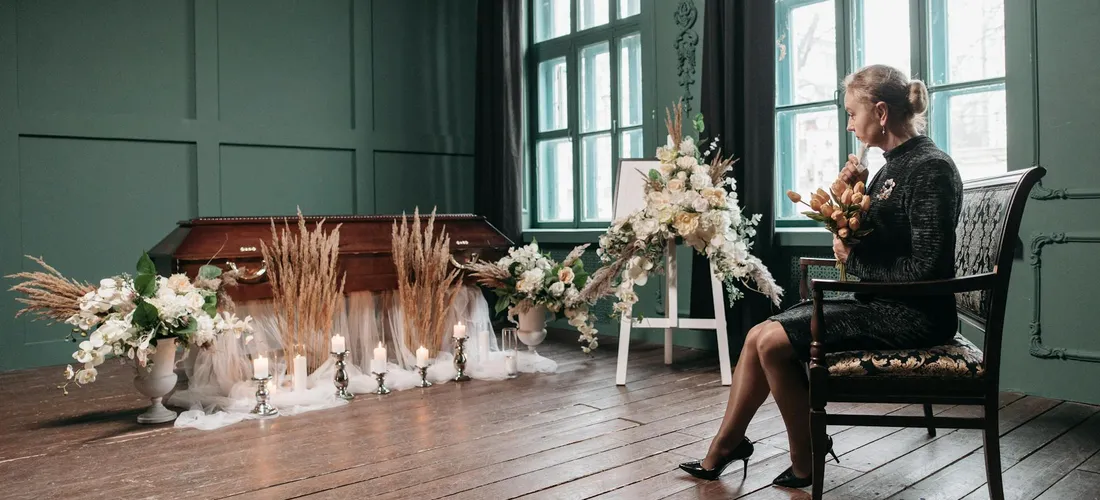
An officiant is a guide. They hold the space for the ceremony and ensure it unfolds with respect and order.
Their visible role begins with leading the service. They welcome everyone, conduct the chosen order of events, and direct participants. They know when to invite a family member to speak, when to pause for a reading, and when to signal for music to play.
An officiant is the calm, steadying presence who allows the family to grieve and remember without worrying about logistics.
Behind the Scenes: The Work Before the Service
Most of their important work happens quietly, before anyone arrives. This involves meeting with the family, often in their home.
In these meetings, they listen. They gather stories, learn about the person who has died, and understand what the family hopes for the service. With these details, they write a unique ceremony script.
They also act as a crucial link, coordinating closely with the funeral director on timing, processions, and any special requests.
The Essential Elements of a Eulogy or Service
A well-crafted eulogy is a loving portrait. It includes the life story, meaningful anecdotes, and the unique virtues of the person.
It also offers direct words of comfort to the living, acknowledging the pain of loss while celebrating a life well-lived.
The best officiants weave these elements together with readings, music, and rituals into a single, cohesive narrative that feels true.
They manage the emotional tone of the room, guiding everyone from moments of solemn reflection to lighter stories that spark recognition and even smiles.
Types of Funeral Officiants: Religious, Civil, and Personal
Choosing an officiant is about finding the right person to reflect the beliefs and spirit of your loved one. The main types fall into three categories.
Religious Clergy and Spiritual Leaders
For many families, a faith leader is a natural choice. A priest, minister, rabbi, imam, or other clergy conducts rites and rituals specific to their tradition.
They provide spiritual comfort rooted in scripture and doctrine. Their homily often connects the life of the deceased to the promises of their faith.
Yes, a Catholic deacon can perform a funeral service, and an ordained minister from most Christian denominations is fully qualified to officiate. The same holds for other religions, where an authorized leader within that community performs the rites.
Civil Celebrants and Humanist Officiants
A civil or humanist celebrant focuses on the person, not a doctrine. They create a service centered on personal philosophy, life stories, and shared humanity.
These services often include secular readings, personal tributes, and music that held meaning. They are for families who want a service free from religious framework.
Some celebrants specialize in green funerals, incorporating themes of nature and environmental return into the ceremony’s language and rituals. These eco-friendly services are designed to minimize environmental impact while honoring the deceased.
Funeral Home Staff and Family-Led Services
Some funeral directors are also licensed to officiate. They can provide a dignified, professional service, which can be helpful if a family has no religious affiliation or preferred celebrant.
You may wonder, can anyone officiate a funeral? Legally, in most places, yes. A family member or close friend can lead the service. The person you choose to officiate can also influence who you invite and how the invitations are worded. That connection often guides the planning process for the day.
This path requires significant preparation and emotional strength, as you must hold the ceremony together while managing your own grief.
It is a deeply personal act. If chosen, I advise writing a clear script, assigning roles to others, and having a backup person ready to step in if the moment becomes too overwhelming.
Necessary Qualifications, Training, and Legalities
Choosing an officiant is a decision of both the head and the heart. You need someone with the right formal knowledge to guide the service, but also the personal strength to hold space for profound grief. The role calls for a careful blend of credential and character.
Formal Training and Certification Paths
Training paths vary based on the officiant’s background. Religious clergy typically complete extensive theology degrees and ordination within their faith tradition. Celebrants, who lead non-religious or personalized services, often complete certification programs focused on ceremony writing and grief support.
Many committed officants pursue continuing education in counseling or grief studies. There is no universal government license required to officiate a funeral service. The legal authority is different from that of a wedding. However, some cemeteries or venues may ask for proof of a celebrant’s certification or a clergy member’s ordination.
Vital Personal Qualities of an Effective Officiant
Beyond any certificate, the right person possesses innate qualities. Deep empathy allows them to connect with your sorrow without being overwhelmed by it. They must be an active listener, hearing the stories you share and the feelings you struggle to name.
Composure under emotional pressure is essential. Their voice should be a steady anchor. Clear, respectful communication ensures everyone understands the flow of the ceremony. Cultural sensitivity and humility are perhaps most critical when traditions are unfamiliar to them. A good officiant becomes a willing student of your family’s ways.
Understanding Legal Authorizations
This area causes much confusion. The primary legal document is the death certificate, which is filed by the funeral director, not the officiant. The funeral director handles death certificates, not the officiant, who does not sign it.
Their authority to lead a funeral comes solely from your family’s invitation. There is no state-issued “funeral officiant license.” Their role is ceremonial and pastoral. They must, of course, comply with any specific rules of the venue, such as a church, cemetery, or public park. For a home funeral, there are specific legal requirements and steps you’ll want to understand. We’ll outline these in the next steps.
How an Officiant Personalizes a Service with Your Family
A meaningful funeral is not a pre-written script. It is a collaborative creation. A skilled officiant acts as your guide and scribe, weaving your memories into a funeral ceremony that feels true.
The Initial Consultation: Listening and Gathering Stories
The first meeting is a gentle interview. I often have a cup of tea with families. We talk about the person who has died. I ask about their laugh, their passions, the small habits that defined them.
This is not about facts and dates, but about essence and feeling. I listen for the stories that make everyone smile through tears, and for the values that shaped a life. These fragments become the heart of the service.
Weaving in Cultural and Religious Traditions
You may request specific prayers, music, or rituals. A skilled officiant incorporates these with respect and precision. For traditions within their own faith, they perform them with authentic reverence.
For traditions outside their experience, their role shifts. They become a facilitator and a learner, ensuring your customs are centered correctly and explained gently to other guests. Their job is to honor your wishes, not their own expertise.
Crafting and Rehearsing the Ceremony
After our talks, I craft a script. It weaves your stories with my guiding words, creating a narrative arc for the service. I always share a draft for your approval. This is your ceremony, and every word should feel right.
If possible, we hold a brief rehearsal. This is not for perfection. A walk-through at the venue eases practical anxieties, so you can be more present emotionally on the day itself. It allows everyone to understand their part, held within the structure the officiant provides.
The Typical Process: From First Contact to Final Blessing
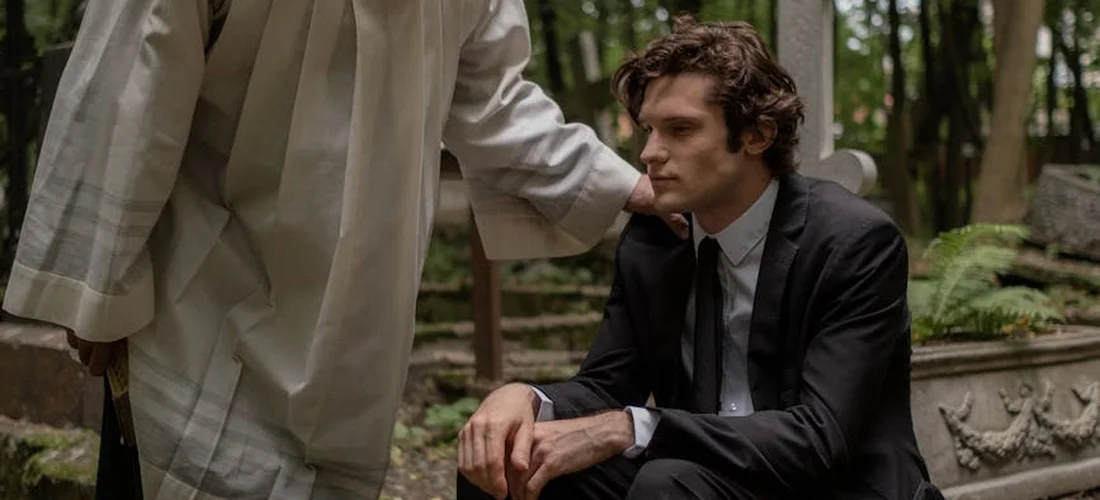
When you first speak with an officiant, their voice will be a calm presence. They know this is a difficult call to make. This initial conversation is simply to listen, offer condolences, and schedule a time to meet in person or over a video call.
That first meeting is about gathering stories. The officiant will ask gentle questions about your loved one. They want to hear about their character, their passions, and what made them laugh. Their primary goal is to listen deeply, collecting the fragments of a life that will form the heart of the service.
Following your conversation, the officiant retreats to craft a unique script. They weave your memories, chosen readings, and music into a coherent and respectful order. They will share a draft with you, welcoming your thoughts and changes.
If there is a rehearsal, the officiant guides everyone through the ceremony’s flow. They show speakers where to stand and explain what will happen next. Their manner is patient and clear, reducing anxiety on an emotional day.
On the day of the service, the officiant arrives early. They coordinate with the funeral director and venue staff, ensuring every detail is ready. When the moment comes, they lead the ceremony with a steady, compassionate presence. They hold the space for your grief and remembrance, giving voice to the farewell you have imagined. Understanding the funeral service order structure helps ensure the ceremony flows with intention. From opening remarks to the final farewell, each element serves your wishes and honors your loved one.
After the final blessing, their role continues. They often remain to offer quiet support as guests depart. A follow-up note or call in the weeks after is a common and kind gesture, a final point of connection.
When to Call a Funeral Director for Guidance
The very first call after a death should typically be to a licensed funeral home. This is not just tradition; it is a practical and legal necessity. The funeral director manages the physical care of your loved one and handles all required government paperwork. They are your essential guide through the initial logistical steps.
One of the most valuable forms of support a funeral director provides is a shortlist of trusted local officiants. They work with many clergy and celebrants and know whose style and temperament might fit your family’s needs. Relying on this experienced recommendation can lift a heavy burden when you are making countless decisions.
Think of the funeral director and the officiant as a dedicated team supporting you from different angles. The director manages the tangible details-transport, permits, the facility. The officiant tends to the intangible-the words, the tone, the ceremony’s spirit. Together, they create the structure and space that allows your family to focus on remembrance and saying goodbye. In a traditional funeral service structure, this collaboration unfolds in a familiar sequence—from planning and gathering to the ceremony and farewell. Knowing this sequence can help families feel prepared and less overwhelmed.
A Personal Perspective: The Quiet Honor of Holding Space
I have stood with families when their world has narrowed to a single point of loss. In that space, they place a profound trust in the officiant, sharing memories still warm with love. They are entrusting you with the final, formal telling of a life’s story, which is an act of incredible vulnerability.
There is a quiet honor in helping to shape a loving farewell. It is in the careful choice of words, the pause for a collective breath, the gentle guidance of ritual. Your responsibility is to be a calm center, a steady presence in the storm of raw grief that follows a death. You hold the space so others can simply feel.
If you are seeking an officiant, let this offer reassurance. Look for a compassionate guide who listens to the spaces between your words. The right person will help you craft a farewell that feels authentic, peaceful, and true to the spirit of the one you loved.
Frequently Asked Questions
What personal qualities are most important in a funeral officiant?
Beyond any formal training, profound empathy and a calm, steady presence are essential. An effective officiant listens deeply and provides a comforting anchor, allowing your family to grieve freely.
How does an officiant respectfully handle traditions unfamiliar to them?
They approach with humility, prioritizing your family’s guidance above all. Their role is to learn and facilitate, ensuring your customs are centered accurately and explained gently to all guests.
What can we expect during the first meeting with an officiant?
You can expect a compassionate, story-focused conversation about your loved one’s life and spirit. This meeting is for them to listen intently and understand the essence of the person they will help you honor.
Honoring the Guide Who Leads the Farewell
When selecting a funeral officiant, prioritize finding someone who listens to your stories and reflects your loved one’s spirit in their words. This personal connection is the cornerstone of a ceremony that feels both authentic and comforting. An officiant who embraces this approach can help you officiate and personalize the funeral to honor your loved one’s life. Their collaboration helps weave memories and rituals into a ceremony that feels truly yours.
Uphold dignified Funeral Care by considering compassionate, eco-conscious choices that align with your values. Continue to explore Funeral Questions and address Funeral Needs with gentle attention, as this journey of care is a profound act of respect.
Emiliana Dieter
Emiliana is an author at The Valedictory. She is an experienced funeral care advisor and arranged and organized many funerals as part of her end of life consulting services. She has over 8+ years in the funeral industry managing her family funeral business and helping families cope with the loss of their loved ones. Her articles answer any and all questions you might have regarding funeral arrangements, costs, preparations, etc so you can make this a seamless experience.