Religious and Historical Traditions for Preparing a Body for Burial
When you are arranging a funeral, you might feel a quiet need to understand the rituals that surround preparing a body. These traditions, born from faith and history, offer a profound way to honor a life and find solace.
This article will walk you through some of the most common and meaningful practices across cultures and time.
- Jewish tahara, a ritual of purification and respect.
- Islamic ghusl, the careful and dignified washing.
- Christian traditions of anointing and prayer.
- Historical approaches, from ancient embalming to simple shrouding.
Key Takeaways: A Gentle Overview
Learning about burial traditions can be a comforting first step when grief feels overwhelming. I have seen how these rituals offer a gentle structure when the world seems to have lost all its shape.
They are, at their heart, enduring acts of love.
- These sacred practices are physical expressions of care and reverence for the person who has died.
- They provide a reliable path to follow, offering purpose and solace during a time of profound disorientation.
- Today, many families blend time honored customs with personal touches, creating a farewell that feels both rooted and authentic.
Your desire to understand these rites is itself a sign of deep respect. It is a quiet way to honor a life and to care for those who mourn.
How Religious Traditions Guide a Sacred Burial
For many, faith provides a clear and compassionate guide for these final acts. The rituals are not mere procedure. They are a sacred charge, transforming care of the body into an act of purification, honor, and love, ensuring a proper burial that comforts the living and honors the dead.
Christian Burial Preparation: From Anointment to Shroud
In many Christian traditions, the body is gently washed, anointed with oil, and dressed with care. This anointment often echoes the priestly blessings received during life, a final sacramental touch.
The body is typically clothed in a suit or dress, or sometimes a simple burial shroud. This practice finds its roots in the Gospel accounts of Jesus’ own burial. Understanding how Jesus was prepared for burial offers a powerful model of dignity and love.
Many ask, was Jesus’ body washed before burial? According to Jewish custom and the Gospel of John, it likely was, with spices and ointments. The scriptures describe how Jesus was wrapped for burial in linen cloths with these aromatic spices.
The Shroud of Turin, a linen cloth bearing the image of a man, is venerated by some as that very burial cloth. It has led to questions like, did Jesus fold his burial cloth? The Gospel describes the linen wrappings lying separate, a detail that for many underscores the reverence of that moment.
The Islamic Ritual of Ghusl: A Final Purification
In Islam, the preparation of the body is a sacred duty called Ghusl. It is a ritual washing that purifies the individual for their return to God. The act is performed with immense care and prescribed intention.
The washing follows a specific order, starting with the right side and moving to the left. Clean, scented water is used, and the body is washed an odd number of times. This meticulous process is a final act of purification and mercy for the deceased.
The body is then dried and wrapped in simple, white cotton sheets called the Kafan. This task is ideally performed by same gender family members or respected members of the community, turning a duty into an intimate service.
The Jewish Taharah: Ritual Purification and Respect
The Jewish ritual of Taharah is performed by a sacred society called the Chevra Kadisha. The word itself means “purification,” and every action is imbued with profound respect. The room is treated as holy ground.
The process involves careful washing (Rechitzah) and then a ritual purification (Taharah) with clean, continuous water. Throughout, prayers are recited. The constant flow of prayer ensures the act remains one of pure reverence, not merely a physical task.
The body is then dressed in Tachrichim, plain white linen or cotton shrouds. The simplicity of the garments symbolizes equality before God. Every knot tied and every fold made is done with deliberate kindness.
Hindu Antyesti: Preparing for the Journey
In Hindu tradition, the preparation of the body, part of the Antyesti rites, is typically performed by close family at home. The body is lovingly washed, often with water from the Ganges or other sacred substances.
It is then anointed with sandalwood paste or turmeric and dressed in new, clean clothes. Often, the body is draped in a simple white cloth. A tilak, a sacred marking, may be placed on the forehead. This preparation is not an end, but a careful sending forth for the soul’s journey.
The rituals focus on releasing the soul from the body for its onward passage. The family’s hands-on care is a final, selfless offering of love and duty.
Buddhist and Secular Approaches to Final Care
Buddhist practices vary, but often emphasize peace and mindfulness. The body may be washed by monastics or family while chants are recited. It is typically presented simply, reflecting the impermanence of the physical form.
For non religious or humanist traditions, the guiding principles are dignity, respect, and personal meaning. The focus remains on gentle, compassionate care, whether provided by professionals or the hands of loved ones.
I have helped families who chose to wash and dress their loved one themselves, finding deep solace in the direct, personal act. The common thread across all views is the unwavering commitment to treat the departed with tenderness.
Historical Traditions: Where Our Practices Began
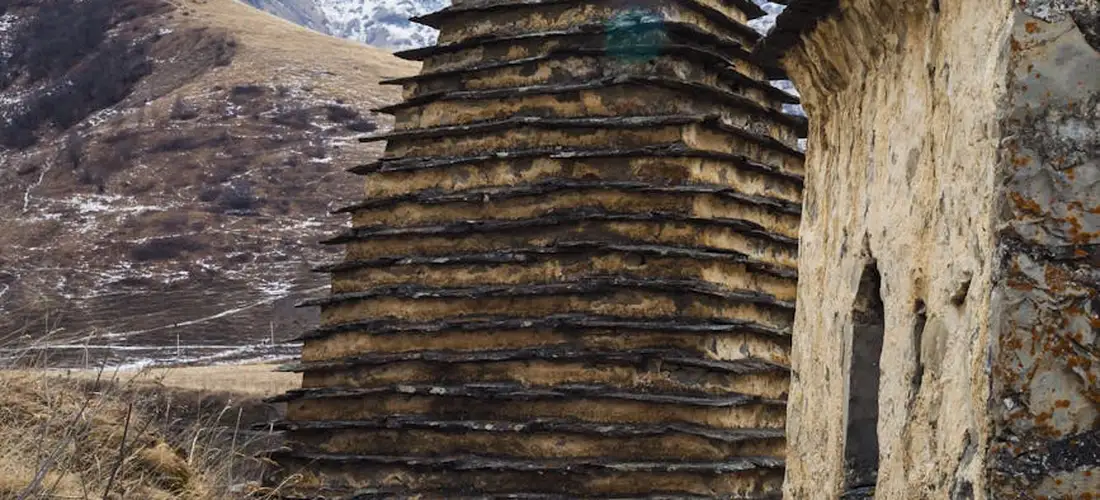
Our modern questions about caring for the dead connect us to a deep human history. For thousands of years, across every culture, people have performed acts of care for those who have died. These rituals were born from love, respect, and a shared need to honor a life.
Looking at these ancient traditions shows us that the impulse to prepare a body thoughtfully is a profoundly human one. It is not a new concern, but a thread woven through our collective story.
Ancient Egyptian Embalming and the Quest for Eternity
The ancient Egyptians are famous for their elaborate preparation, known as mummification. This was a spiritual act, a physical process to preserve the body for the soul’s eternal journey. Special priests performed embalming and mummification with great reverence.
The process was methodical. First, internal organs were carefully removed and preserved in special jars. The body was then covered in a natural salt called natron for forty days to dry it completely. Finally, it was wrapped in hundreds of yards of linen strips, with protective amulets placed between the layers.
While modern embalming is a different science, the Egyptian desire to preserve the body’s form for a final viewing echoes in some of today’s practices. Their work represents an early, profound dedication to the physical care of the deceased. In many religious communities today, choices about embalming reflect sacred customs and evolving interpretations. These modern perspectives often influence how societies approach preparation for final rites and viewing.
Ancient Roman and Greek Rites: Washing, Coin, and Farewell
In ancient Rome, family members, usually women, took the lead in preparing the body. They would wash it with warm water and anoint it with oils. A coin was often placed in the mouth. This was payment for Charon, the mythical ferryman, to carry the soul across the river to the afterlife.
The ancient Greeks had a similar rite called the prothesis. The body was washed, anointed, and dressed by the family. It was then laid out in the home for several days so the community could come, pay respects, and mourn together.
These traditions highlight the roots of family-led care and community viewing. The act of washing, dressing, and gathering around the one who has died is not a modern invention. It is an ancient comfort.
Modern Practice: Blending Tradition with Today’s Needs
Today, funeral care exists at a crossroads. We have access to modern methods while holding space for timeless rituals. The goal is not to replace tradition, but to adapt it with sensitivity to our current lives and beliefs. A look at funeral practices across history and cultures can enrich our sense of what is sacred. This broader view can guide us as we shape processes that honor heritage and personal beliefs.
A compassionate funeral director can help weave together old customs and new realities, creating a farewell that feels both authentic and manageable.
Embalming Today: A Personal Choice, Not a Requirement
Modern embalming is a temporary preservation technique, different in purpose and method from ancient mummification. It is primarily used when there will be a public viewing or a delay before burial. The process involves disinfecting and temporarily preserving the body.
It is vital to know that embalming is rarely a religious requirement. In my experience, it is a practical choice families make for their own reasons. During the COVID-19 pandemic, many families chose direct burial or cremation, reminding us that practices can and do adapt to circumstances. Many families weigh practical reasons, like preserving an appearance for a viewing and allowing time for gathering. These considerations often shape the choice to embalm beyond religious or cultural expectations.
You should never feel pressured to choose embalming if it does not align with your personal, spiritual, or financial needs. It is one option among many, such as burial without embalming.
How Families Can Participate in Sacred Rituals Now
Many families find deep meaning in taking part in the physical care of their loved one. This participation can be a powerful step in grieving. You might help by bringing clothing for dressing, placing a cherished photo or letter in the casket, or gently applying a favorite perfume or lotion.
For rituals like the Jewish Taharah or the Islamic Ghusl, which are sacred washings, direct communication is key. Many funeral homes have facilities to accommodate these rites. Do not hesitate to ask your funeral director if you and your community can be present to perform these duties yourselves. These rites are part of broader post-funeral purification practices observed in the days after the ceremony. Planning these steps with your funeral director can help ensure they align with your community’s traditions.
I encourage you to speak openly with your funeral director about any ritual that is important to you. A good director will listen and find a dignified way to honor your request, continuing the ancient tradition of family-led care. This same care also supports mourners with respectful funeral etiquette.
Symbolic Items and Garments: The Language of Farewell

We often speak our love through objects. In death, the items we choose to accompany a person become a final, silent conversation. They hold meaning for both the one who has died and for those left behind, offering comfort and expressing belief.
These are not mere decorations. They are anchors for our grief and symbols of a journey we can only imagine.
Common Sacred Items Across Traditions
Across the world, these sacred items share a profound theme. Spiritual significance consistently outweighs material value, pointing toward a shared human understanding of simplicity at life’s end.
Here are some of the most common garments and tokens.
- Simple White Shrouds (Islam, Judaism): In both Muslim and Jewish traditions, the body is typically wrapped in plain, white linen or cotton. This practice emphasizes total equality in death. The shroud has no pockets, symbolizing that worldly possessions cannot accompany us.
- Baptismal Garments (Christianity): Some Christian denominations dress the deceased in white, often connecting it to the baptismal robe. It is a visual reminder of the promise of new life and resurrection, framing death within the context of faith.
- Sacred Threads (Hinduism): In Hindu tradition, a sacred thread may be tied around the wrist or neck. It is a blessed item that signifies the person’s connection to spiritual teachings and rituals performed during their life.
- Personal Tokens: A wedding ring, a photograph of loved ones, a child’s drawing, or a well-worn keepsake are sometimes placed with the body. These items are quiet messages of enduring connection and personal history.
- Written Prayers or Scriptures: Small scrolls, prayer cards, or verses may be tucked into the hands or folds of the shroud. They serve as a spiritual companion, carrying words of comfort and blessing into the next stage.
The common thread is intention, not expense. A humble, meaningful item can carry more weight than the most ornate casket.
The Essential Role of Family and Community
For much of human history, caring for the dead was not a professional service but a family duty. This hands-on care by loved ones remains a cornerstone of many religious and cultural traditions today. It transforms the act of preparation from a task into a rite of passage.
The community’s role is not secondary. It is foundational, providing a container for both practical need and raw grief.
Hands-On Care as an Act of Love
In traditions like Islam and Judaism, the ritual washing and dressing of the body are performed by a small group of same-gender, often specially trained, community members. For close family, this is a final, tender service. It is a sacred obligation and an act of pure love.
I have seen the power of this act. The careful washing, the gentle anointing with oils or scented water, the methodical wrapping in cloth. These physical rituals help the mind and heart begin to accept the reality of the loss. They provide a purposeful way to say goodbye with your hands when words fail.
It is a difficult but profound honor. It grounds grief in a series of loving, concrete actions.
Sharing Stories and Tending to the Grieving
The space where a body is prepared is often filled with quiet talk. As people work, they naturally begin to share memories. Someone might recall a funny story, another a moment of kindness. This storytelling is not a distraction. It is the beginning of healing.
Meanwhile, the wider community gathers to tend to the living. Meals appear at the doorstep. Someone handles the phone calls. Others simply sit in the kitchen, offering their silent presence. This network of support allows the immediate family to focus on their grief and their final duties without being overwhelmed by everyday logistics.
It is an ancient, unspoken agreement. We care for your dead, and we will care for you. In this way, the act of preparation weaves a net of shared responsibility and compassion that holds everyone up.
A Note on Etiquette and Respectful Inquiry

Learning about another tradition is a gesture of care. You might feel uncertain about what is appropriate to ask. This feeling is natural. The most important thing you can bring is a quiet respect for the family’s process.
If you are a guest or a friend, your role is to offer support, not to satisfy your curiosity. Asking for detailed explanations from a grieving family can feel like an intrusion. It asks them to translate their private sorrow into a public lesson.
Instead, frame your questions around your desire to be present for them. A simple, open-ended question shows your heart is in the right place.
You might ask a family member, “How can I be respectful of your family’s traditions during this time?” This allows them to share only what they feel comfortable explaining.
When speaking with a funeral director or a religious leader, you have more freedom. They are used to explaining rituals. You can ask, “Could you help me understand what will happen during the service so I can participate appropriately?” Their answers will guide you without burdening the bereaved.
Listen more than you speak. Observe the actions of others. The silence you offer can be more comforting than any question.
When to Call a Funeral Director: Professional Guidance and Support
A funeral director’s primary role is to carry the logistical weight so a family can carry their grief. They manage the complex, legal, and sanitary details that are difficult to navigate in a state of shock. They oversee service planning, body care, transportation, and the necessary paperwork that accompanies a death. These duties are the core of a funeral director’s work, guiding families through every step of the process with care and professionalism.
Legally, they handle the vital paperwork. This includes filing the death certificate, obtaining burial or cremation permits, and coordinating with the cemetery. These are steps you cannot skip, and they require precise timing.
Practically, they provide the foundation for care. Their tasks often include:
- Safely transporting the deceased from the place of death.
- Providing hygienic care and preparation of the body.
- Securing the chosen burial plot or coordinating cremation.
- Organizing the schedule for visitations, services, and the committal.
A good funeral director does not take over your rituals; they create the calm space for you to perform them. They can facilitate washing and dressing ceremonies, guide a family through a vigil, or simply ensure the room is prepared exactly as you requested.
Many people wonder if calling a professional means they are outsourcing their love. I see it differently. Seeking this help is an act of love in itself. It allows you to be fully present-to weep, to share stories, to hold hands-instead of being consumed by phone calls and forms.
There is no single right moment to call. Many families make contact within the first few hours. Reaching out for professional guidance is a wise and common step toward achieving a proper burial. It is a decision that honors both the deceased and the living who mourn them.
Compassionate Answers to Common Questions
How do key religious traditions for preparing a body differ?
While all traditions emphasize reverence, their rituals express unique spiritual beliefs. For example, Islamic Ghusl and Jewish Taharah focus on ritual purification with water, while Christian and Hindu practices often include anointing and dressing the body for a sacred journey.
How has the practice of embalming evolved historically?
Ancient embalming, like Egyptian mummification, was a spiritual process for the afterlife. Modern embalming is a temporary preservation method focused on public viewing, and it remains a personal choice rather than a universal requirement. Over time, techniques spread and science advanced, shifting from sacred rites to modern methods. This evolution reflects changing beliefs about preservation and remembrance.
How do modern funeral practices preserve traditional rituals?
Modern funeral care often creates space for time-honored rites, like family-assisted washing, within contemporary settings. This allows families to blend sacred customs with personal touches, ensuring traditions remain living, meaningful acts of love.
Honoring Traditions with Personal Care
The heart of preparing a body lies in respecting the spiritual or historical customs that bring meaning, while knowing you can adapt them to reflect a unique life. Your choices should provide comfort and honor the individual story, creating a farewell that feels true.
Providing dignified care includes considering gentle, eco-friendly methods that align with your values and responsibilities. I encourage your continued exploration of Funeral Care, Funeral Needs, and Funeral Questions to find the path that brings you peace.
Emiliana Dieter
Emiliana is an author at The Valedictory. She is an experienced funeral care advisor and arranged and organized many funerals as part of her end of life consulting services. She has over 8+ years in the funeral industry managing her family funeral business and helping families cope with the loss of their loved ones. Her articles answer any and all questions you might have regarding funeral arrangements, costs, preparations, etc so you can make this a seamless experience.