
Funeral Attendance: How Many Guests to Expect and What Influences It
I have guided many families through this same uncertainty, feeling the weight of their question about who will come to honor a loved one. It is a natural concern, one that mixes logistics with the deep need for connection in grief.
This article draws on my experience to help you understand funeral attendance patterns. We will explore the common range of guest numbers, how factors like your relationship to the deceased, the service location, the time of day, and the person’s community ties significantly influence turnout, and thoughtful approaches for planning.
Key Takeaways: What to Expect With Funeral Attendance
When you are planning a service, it is natural to wonder about how many people will come. This question often stems from a need for practical preparation and a quiet hope to see your loved one honored. I find it helps to begin with a few grounding thoughts.
- Every funeral is as unique as the person it honors. There is no standard, correct, or wrong number of guests.
- For a traditional funeral service with a visitation, attendance often falls between 50 and 150 people. A smaller, private family service may see 10 to 30 guests.
- The size of a person’s social circle and the manner of their passing are the two factors that influence numbers most directly.
- Your primary focus is creating a moment of remembrance. The number of guests does not measure the depth of a life or the sincerity of your grief.
Understanding Funeral Attendance: A Compassionate Overview
Asking about attendance is a practical step. You need to know how many service folders to print, how large a space to book, or how much food to provide for a gathering afterward. It helps you feel prepared in a time when little feels within your control.
Beyond logistics, this question touches something deeper. A funeral is a ritual of communal mourning. We come together to share stories, to hold one another up, and to witness a life. The faces in the room, whether five or five hundred, represent a tapestry of connections your loved one wove. It’s essential to recognize the different types of attendees at a funeral, as they each contribute to the shared experience in unique ways.
Please remember that estimating attendance is a practical task, not a judgment on a life’s value. A quiet, private person may have a small service that is no less meaningful than a large public one. A life that touched many people will naturally draw a crowd. Both are authentic reflections of the individual.
I have seen beautiful services of all sizes. What mattered most was that those present were truly there, in heart and spirit, to say goodbye.
How Many Guests Typically Attend a Funeral Service?
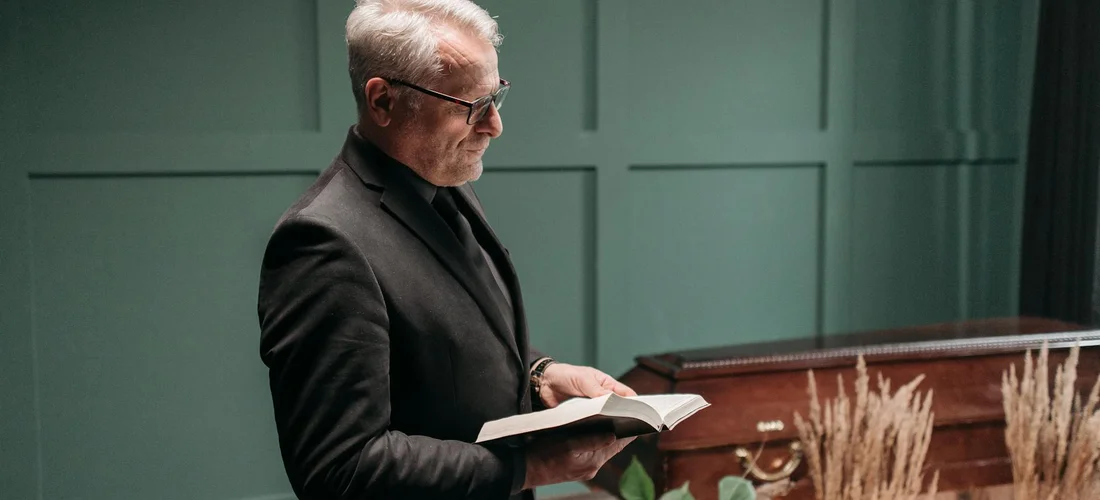
A traditional funeral service often sees between 50 and 150 attendees. This range captures most community-based gatherings where friends, family, and acquaintances come together. Within that, a traditional funeral service typically follows a familiar sequence: opening remarks, readings, a eulogy, and final rites. This traditional funeral service structure helps planners shape the program and guide attendees smoothly.
Picture a large, formal funeral in a church or hall; it might comfortably host over 200 people. A smaller, immediate-family-only graveside service, by contrast, could be a quiet gathering of just 10 or 20. Many families also arrange a post-service reception where friends and relatives can exchange condolences and memories. These post-service gatherings can help bridge the ceremony and the remembrance.
Memorial services held weeks or months later can sometimes draw different, often larger, crowds. The extra time allows distant relatives and friends to make travel arrangements they couldn’t manage on short notice.
While the average person may attend several funerals in their lifetime, this number varies widely. It depends on your age, your community, and the simple, unfolding story of a life. Knowing funeral etiquette expectations can help you navigate these moments with respect. It offers guidance on what to wear, when to arrive, and how to offer condolences.
Current Attendance Limits and Guidelines
You might search for specifics like “how many can attend a funeral in Scotland now?” Formal legal limits are rare in most places today. Some venues or grieving families may set practical capacities based on the space available.
My advice is to always check with your funeral director or the venue itself for any specific restrictions. This also applies when considering funeral reception planning venues, where different spaces may have varying policies on timing, capacity, and catering. They will have the most current and local information to guide your planning gently.
What Factors Influence How Many People Attend a Funeral?
Many threads weave together to form the final gathering. Understanding these factors can bring a sense of clarity during a hazy time.
The Nature of Relationships and Community Ties
The deceased’s personality and family size create a baseline. An outgoing person with a large, extended family naturally draws a bigger circle. A more private individual may have a smaller, tighter-knit group of mourners.
Long-term community involvement has a profound impact. Decades spent in a church, a social club, or a volunteer organization build a wide net of connections. These people often come to pay their respects.
Workplace relationships matter, too. Current colleagues frequently attend, while turnout from a workplace may lessen after someone retires. A career is a significant chapter in anyone’s story.
Location, Logistics, and Time of Service
Distance and travel costs are very real considerations. Out-of-town friends and family must weigh these practical hurdles, which can sadly limit who is able to come.
The time of day shapes attendance. A weekday midday service can be difficult for those who work, while a weekend service often allows more people to be present. Even the season can influence travel plans.
Finally, clarify whether the service is public or private. An invitation-only service will, by its nature, have a more defined and typically smaller guest list.
Circumstances Surrounding the Death
This requires gentle handling. A long illness often allows time for gradual goodbyes. Attendance might be affected as people have already shared their support over months or years.
A sudden, unexpected loss can send shockwaves through a community. In these moments, people often gather in larger numbers to support one another and find collective comfort.
The visibility of the passing also plays a role. A death that is high-profile within a community may draw a larger crowd, while a very private passing keeps the circle intentionally small.
Cultural and Religious Customs
Cultural and religious traditions provide a powerful framework. Some faiths and cultures expect, and even facilitate, very large community turnouts as a sign of respect and collective mourning.
Other traditions prioritize intimate, family-centered rituals. The structure of services, like multi-day visitations or wakes, can also spread attendance across several events, affecting the count at any single gathering.
A Personal Perspective: The Meaning Behind the Numbers
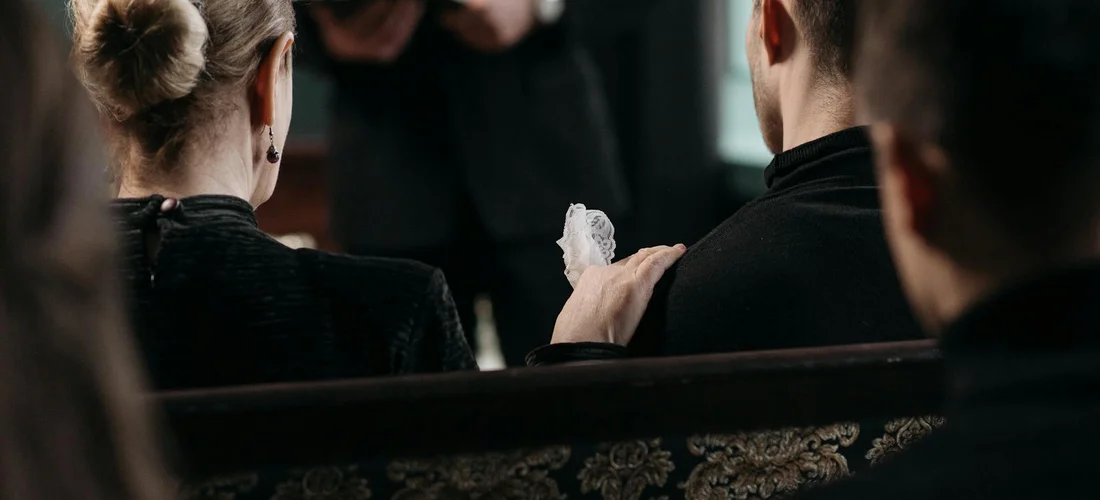
In my years as a funeral director, I have stood at the back of chapels filled with hundreds of people, the air thick with shared memory. I have also sat quietly in rooms with only a handful of mourners, where the silence itself felt like a presence. These experiences have shown me the power of supportive funeral etiquette for mourners. Small, respectful gestures—listening, offering a quiet presence, and giving space to grieve—mean the most.
Each gathering, regardless of its size, held a profound and complete meaning. A large funeral can feel like a public testament to a life lived widely. A small one is often an intimate portrait, a final conversation among those who knew the heart of the person best.
The most moving service I ever conducted was attended by one person, the deceased’s sister, who read every poem they had loved as children. The depth of that shared grief filled the space more completely than any crowd could. It reminded me that connection, not count, is what we are truly marking.
This connects to a question I am sometimes asked: how many funerals does the average person attend in a lifetime? I see it not as a tally, but as a personal journey of learning how to hold space for others. Each time you choose to attend, you are practicing a quiet, powerful form of human support.
A Note on Etiquette and Social Expectations
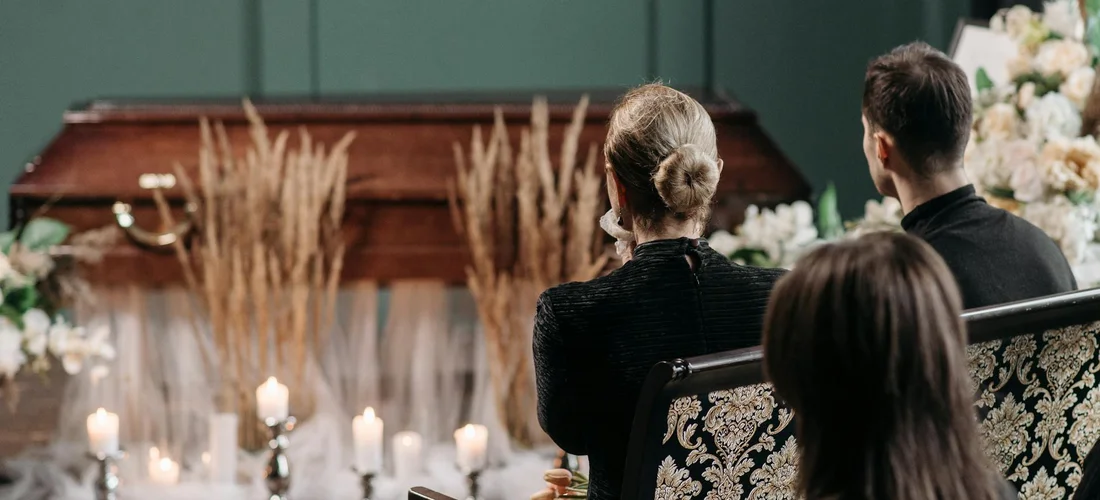
If you are wondering whether you should go, my guidance is simple. Your presence is a gift. If you feel a pull to be there to honor the person or support the family, that is reason enough. You do not need a long history with the deceased.
Perhaps you were a distant colleague or a neighbor from years ago. Your attendance can be a beautiful surprise to a family, revealing a connection they never knew about. Even if you can only stay for a short while, coming to the visitation or the service briefly is still a meaningful gesture.
What you wear should be clean, modest, and respectful. Dark or subdued colors are traditional, but the focus is on showing care, not on perfect fashion. When offering condolences, plain and sincere words are best. For funeral attire etiquette clothing, opt for conservative colors and simple, well-fitted outfits that show respect. This ensures your appearance aligns with the occasion.
Say “I am so sorry for your loss,” or share a simple, genuine memory like, “I will always remember her kindness.” You do not need to find words that fix the unfixable. A warm handshake or a gentle touch on the arm often speaks volumes.
In a very large crowd, you may feel anonymous or overwhelmed. Remember, your quiet presence still adds to the collective support surrounding the family. In a very small gathering, you may feel the weight of absence. In that quiet space, your role as a witness becomes even more significant. Your being there matters.
How to Estimate and Prepare for the Number of Funeral Guests
Shifting from wondering to planning can feel like a relief. I want to offer you a practical path forward, one step at a time.
Your focus now is on creating a space that feels right, for you and for those who wish to gather. A thoughtful estimate is the first gentle act in that direction.
Creating a Realistic Guest Estimate
Begin with paper and pen, or a quiet document on your screen. Making lists transforms vague worry into manageable tasks.
I advise families to start by naming people in these concentric circles of connection.
- Immediate family: spouses, children, parents, and siblings.
- Extended family: aunts, uncles, cousins, and grandparents.
- Friends from all chapters of life.
- Colleagues and professional acquaintances.
- Community members from places of worship, clubs, or the neighborhood.
Please, do not carry this alone. Share the task with a sibling or a close friend. Combining perspectives from different family members ensures no one who mattered is accidentally overlooked.
The published obituary serves as a quiet bell, signaling the service to the community. Observing how it is shared, and by whom, often provides a reliable sense of who intends to come. It is a way the world speaks back to you in a tender time.
Communicating Service Details and Managing Expectations
The language you choose for the announcement gently guides attendance. Stating “a private family service” is a clear and kind boundary. Writing “friends are warmly welcomed” extends an open invitation.
Then, turn to the physical space you have chosen. Always confirm the venue’s exact capacity, the number of chairs available, parking logistics, and how a receiving line might flow. These are the quiet details that prevent a day of heartache from becoming one of practical strain.
For communities spread across miles, online tools can hold space for connection. A memorial fund page or a virtual guestbook allows distant friends to express their care. They offer a way for people to be present in spirit when they cannot be in person.
Frequently Asked Questions About Funeral Attendance
How accurate are online RSVPs or response cards for estimating attendance?
While helpful for planning, they are often an undercount, as many attendees do not formally RSVP. It’s wise to plan for some flexibility based on your initial estimate and the family’s known community ties.
If attendance is smaller than we hoped, does it reflect poorly on our planning or on our loved one?
Not at all. A smaller, intimate gathering is often more reflective of a private personality or a tightly-knit circle. The sincerity of the shared remembrance matters far more than the total number of guests present.
Is it appropriate to actively encourage people to attend, or should we just announce the service?
Gently encouraging close friends and community groups through personal calls is a kind and common practice. For the broader community, a clear, public announcement in an obituary warmly inviting friends to attend is perfectly appropriate and respectful.
Parting Reflections on Funeral Attendance
The heart of the matter is this: do not measure love or respect by a headcount. A meaningful funeral is defined by the sincerity of those present, not their number.
I encourage you to approach Funeral Care with a focus on dignified, personal choices, including those that gently respect our environment. Your journey through Funeral Needs and Funeral Questions is a personal one, and seeking knowledge is a compassionate act. It’s also important to address specific funeral details and questions to ensure all aspects are covered.
Emiliana Dieter
Emiliana is an author at The Valedictory. She is an experienced funeral care advisor and arranged and organized many funerals as part of her end of life consulting services. She has over 8+ years in the funeral industry managing her family funeral business and helping families cope with the loss of their loved ones. Her articles answer any and all questions you might have regarding funeral arrangements, costs, preparations, etc so you can make this a seamless experience.