
Affordable Funeral Options: How to Plan a Budget-Friendly Service with Care
The weight of planning a funeral can feel even heavier when finances are tight. I understand how much you want a dignified goodbye without overwhelming expense.
This article draws on my experience to outline practical, respectful paths forward. We will explore: direct cremation, immediate burial, creating personal memorials, and straightforward steps for managing costs.
Key Takeaways: Compassion and Clarity First
Planning a farewell with limited funds can feel overwhelming. I want you to know that creating a meaningful, respectful goodbye is entirely within reach, no matter your budget.
The two most budget-conscious paths are direct cremation and simple burial. Both focus on the essential act of caring for the body with dignity, setting aside many traditional services that add cost.
Choosing a simpler path is a practical and loving decision. Planning a budget-friendly service is a clear-eyed act of care, ensuring financial strain does not compound your grief. Respect comes from the love and intention behind your choices, not their price.
Quick Snapshot: Common Funeral & Disposition Costs
To help you visualize the landscape, here is a general comparison. Remember, these are national ranges, and your local costs may vary. This table answers the common question, “how much is the cheapest funeral cost?” by showing where those options sit.
| Cost Tier | Service Type | Typical Price Range | What’s Typically Included |
|---|---|---|---|
| Most Affordable | Direct Cremation | Often between $1,500 and $3,500 | Basic services fee, transportation, necessary permits, cremation process, and a simple container. No viewing or ceremony beforehand. |
| Most Affordable | Simple Burial (or “Direct Burial”) | Often between $2,500 and $5,000 (plus cemetery costs) | Basic services fee, transportation, necessary permits, and a simple casket. Burial occurs shortly after death, without embalming or a formal service at the funeral home. |
| Mid-Range Traditional | Full Funeral Service with Cremation | Often between $4,500 and $7,500 | Viewing/visitation, funeral ceremony, basic services fee, transportation, permits, embalming, cremation, and an urn. |
| Higher-Cost Traditional | Full Funeral Service with Burial | Often between $8,000 and $12,000+ (plus cemetery costs) | Viewing/visitation, funeral ceremony, basic services fee, transportation, permits, embalming, a casket, and vault. Cemetery plot, opening/closing, and monument are separate. |
Seeing these numbers can be considered direct cremation costs and rates. Direct cremation is frequently the most affordable option, as it involves the fewest services and merchandise. A simple burial is the next most economical choice, focusing solely on the dignified interment of the body.
Understanding Your Most Affordable Funeral Choices
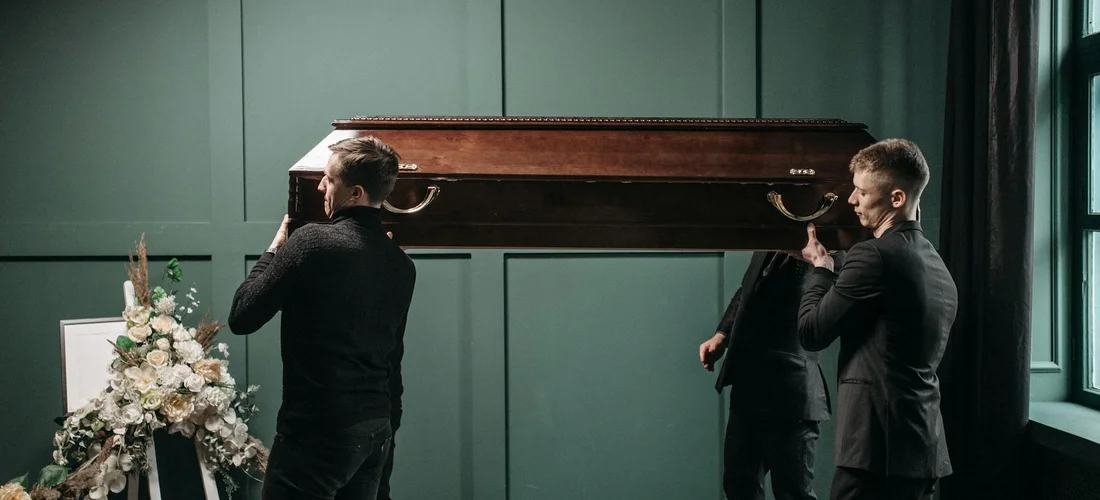
Let’s begin with the simplest choices, which are often the most affordable. Direct cremation is the cremation of the body shortly after death. There is no viewing, embalming, or ceremony beforehand. Exploring affordable cremation options can help families plan with clarity and budget in mind. This context naturally leads to more cost-conscious comparisons of services.
Direct burial follows a similar path. The body is buried shortly after death, usually in a simple container. It happens without embalming or a public viewing or embalming.
These options significantly lower costs by removing many traditional service and preparation fees. You are paying only for the essential legal tasks of transportation and final disposition.
This separation can bring a sense of freedom. A memorial or celebration of life can be held weeks or months later at a park, a home, or a community hall. This allows for a personalized gathering without the immediate time pressure or high venue costs of a traditional funeral.
Breaking Down Direct Cremation Costs
A standard direct cremation package typically includes several key services. You can expect the crematory fee, basic staff services, local transportation of the body, and a simple alternative container for the cremation process. This is all part of the cremation process service, which guides families through each step. Understanding this service helps you plan with confidence.
When shopping for this service, always ask for a complete itemized price list upfront. This list, called a General Price List, is required by law. It lets you compare exactly what each funeral home charges for each part of the process. Call several providers; prices can vary widely even in the same town.
For many families asking about low cost options, direct cremation is the clear and practical answer. It fulfills the necessary legal steps with dignity and care.
Breaking Down Simple Burial Costs
The burial plot itself is a major expense. A simple plot in a municipal or natural burial ground often costs less than an elaborate plot in a traditional cemetery which may require a vault or liner.
Your choice of container makes a big difference. Consider a basic wooden casket, one made from alternative materials like wicker, or even a rental casket for a service before burial. Each option can provide a respectful presentation at a lower cost.
Skipping the embalming process, when legally allowed, is one of the most effective ways to reduce burial expenses. Refrigeration serves the same purpose for a short period and is far less costly. Always ask about the legal requirements in your state.
Alternative Options for a Dignified Farewell
Green or natural burial is an option that aligns with environmental values. It often uses a biodegradable shroud or simple wooden casket and forgoes concrete vaults. Because it eliminates many conventional costs, it can be more affordable. Understanding green burial costs can help families compare eco-friendly options. It also supports making budget-conscious, environmentally responsible choices.
Donating the body to a medical school or scientific institution is another path. The institution typically covers all costs for transportation and eventual cremation, usually returning the ashes to the family after some years. This is a profound gift that also addresses financial concerns.
Some families choose to care for their loved one at home before burial or cremation, within local legal guidelines. A home funeral involves keeping the body at home, often with cooling, for a short vigil. This intimate practice can reduce costs and create a deeply personal space for early grief.
These are not merely cheap alternatives. They are intentional choices. They represent a farewell planned around personal belief, a connection to the earth, or a desire for simplicity. Their value is measured in meaning, not just in dollars saved.
How to Plan a Budget-Friendly Service, Step by Step
Planning under the weight of grief can feel impossible. Please know you are not alone. Many people walk this path. This guide is here to help you take one clear, manageable step at a time.
Step 1: Start with Honesty and a Simple Budget
Begin quietly, with a cup of tea and a notepad. Look at what you have. Check for any life insurance policies, payable-on-death accounts, or dedicated savings. Knowing your true financial starting point is the most compassionate thing you can do for yourself right now.
Add these figures together. Then, decide on a firm top number you cannot exceed. Write it down at the top of a fresh page. Having this number settled in your mind before you speak to anyone will be your shield against pressure.
Step 2: Choose Your Provider with Care
Your next task is simple but powerful. Pick up the phone and call three or four funeral homes in your area. Ask each one to email or mail you their General Price List; by law, they must provide it to you when you ask. This document lists every service and item with its cost. Use what you collect here to build your funeral costs expenses guide. In the next steps, we’ll shape a clear, linked guide to help you compare options.
Do not feel you must use the largest or most well-known home. Smaller, family-run homes or local cremation societies often have lower overhead costs. This single act of comparison is the direct answer to finding budget funeral options near you.
Step 3: Make Informed, Empowered Choices
When the price lists arrive, sit with them. You will see everything broken into line items: transfer of the person, embalming, casket, use of a chapel, and more. Go through each item and ask, “Is this a must-have for us, or a nice-to-have?” This question separates necessary care from optional upgrades.
Personalization does not require a large budget. A memory table with photos and personal mementos tells a profound story. A potluck gathering at home where everyone brings a dish can feel more meaningful than a catered event. Choosing an inexpensive funeral is about making conscious, loving decisions for each element.
Step 4: Plan a Separate Memorial or Celebration of Life
Consider separating the final disposition, like direct cremation, from the time of remembrance. This gives you flexibility. You can then plan a memorial service for a later date at a place with little or no fee.
Think of a family home, a community center, a local park pavilion, or your house of worship. The most valuable parts of any service-the shared stories, the favorite music, the comfort of a held hand-cost absolutely nothing. Focus your energy there.
Caring for Yourself During the Planning Process
Making these choices while grieving is an immense emotional load. Financial worry can make it feel even heavier. Your feelings are valid.
If the phone calls feel like too much, ask a clear-headed friend or family member to help. They can request price lists or sit with you as you compare them. Accepting help is a sign of strength, not a failure to cope.
Remember, choosing a simple and affordable path is a responsible and deeply loving decision. It honors the person who has died by thoughtfully caring for the living who remain. You are doing your best during a difficult time, and that is enough.
Your Guiding Questions Answered

I feel pressured by a funeral home to buy services I can’t afford. What are my rights?
You have the legal right to receive a detailed price list before any discussion of services. Politely request a General Price List, which allows you to compare costs and choose only what you need without pressure.
Can a service still feel personal if we choose a simple, affordable option?
Absolutely. Meaning comes from personal touches, not price tags. A heartfelt gathering at home or a park, filled with shared stories and music, often creates a more intimate and memorable tribute than a standardized service.
We have no savings set aside. How do we handle the immediate costs?
Start by contacting the funeral home about their most basic package, like direct cremation. Then, explore all resources, such as payable-on-death accounts, veteran benefits, or a modest personal fundraiser among close friends and family to cover the essential expenses. If you need more options, consider paying for funeral expenses through various means.
Parting Reflections on Budget-Friendly Funeral Planning
The single most important step is to speak openly with your family about finances and the personal meaning you wish to honor. A simple, heartfelt service focused on connection often brings more comfort than one burdened by cost.
Please remember that affordable choices, including eco-friendly options, are a valid form of dignified care for your Funeral Needs. I encourage you to keep learning about Funeral Care and seeking answers to your Funeral Questions as a compassionate act for yourself and others.
Emiliana Dieter
Emiliana is an author at The Valedictory. She is an experienced funeral care advisor and arranged and organized many funerals as part of her end of life consulting services. She has over 8+ years in the funeral industry managing her family funeral business and helping families cope with the loss of their loved ones. Her articles answer any and all questions you might have regarding funeral arrangements, costs, preparations, etc so you can make this a seamless experience.