
Bagpipes at Funerals: A Guide to Meaning, Tradition, and Traditional Songs
The mournful yet dignified sound of bagpipes at a funeral can stir deep emotions and honor a life passed. You may be considering this tradition or simply wish to understand its resonant power.
I will walk you through the history and comfort found in this practice. This article covers the meaning behind bagpipe funerals, the traditions that surround them, and a selection of traditional songs for funeral services.
The Solemn Sound: Why Bagpipes Speak to Grief
The sound of bagpipes is impossible to ignore. It begins with a low, constant drone, a sound that settles in your chest. Then the melody rises above it, clear and piercing.
This combination does something remarkable. The steady drone feels like the heavy, enduring presence of loss. The melody cries out over it, expressing the sharp pain we feel.
This is not a new idea. In Gaelic tradition, there is a form of vocal mourning called a “caoineadh” (pronounced kween-ah). It is a wordless, melodic wail of grief. The bagpipe, for centuries, became the instrument that could carry this lament when words failed.
The pipes give a voice to a sorrow that is too deep for ordinary speech. When you hear them at a funeral today, they are performing that same ancient role. They are acknowledging the profound depth of a loss, giving your inner sadness an external sound.
A Tapestry of Tradition: From Battlefields to Farewells
Bagpipes are ancient, with roots in the Middle East and across Europe. They found a profound home in the Scottish Highlands and Ireland. There, they became the heartbeat of community and culture.
Their powerful sound made them ideal for the battlefield. Scottish and Irish military regiments adopted pipers to lead men into combat and honor those who fell. The music boosted morale, but more importantly, it dignified death.
The tradition of funeral piping grew directly from this military practice. Playing over a soldier’s grave was a final, resonant tribute. Over time, this powerful symbol of honor and farewell resonated beyond the military. At military funerals, the uniform is worn as part of the solemn ritual, with piping and attire together signaling service and sacrifice. This pull of ceremony continues to honor those who served, linking song, attire, and farewell in a cohesive tribute.
Civilians began to request pipers to commemorate loved ones, especially those of Scottish or Irish heritage. The custom spread to honor anyone whose passing deserved a tribute that felt noble, brave, and deeply moving.
The Piper’s Role in Military and First Responder Funerals
In military and first responder services, the piper holds a specific, honored position. They are not merely a musician. They are part of the ceremonial guard, paying respects on behalf of a brotherhood or sisterhood in service.
The piper often plays as the casket is carried in or out. They may lead the procession or walk slowly behind it. Their music creates a sacred space for the final march.
For firefighter funerals, two songs are most common. “Amazing Grace” is a universal hymn of solace. “The Minstrel Boy” is a stirring Irish ballad of a young warrior, its themes of courage and loss resonating deeply with the fire service. They are often chosen for their meaningful lyrics and solemn melodies.
At police funerals, you will often hear “Amazing Grace” or “The Battle’s O’er.” The latter is a traditional Scottish tune played to signal the end of a battle, making it a poignant farewell for an officer whose watch has ended.
Note on Etiquette for Services with Bagpipes
If you attend a service with bagpipes, a little guidance can help. As the piper begins to play, attendees typically stand. You remain standing for the duration of the piece, especially if it is part of a processional or recessional.
Watch the piper’s position. Walking ahead of the casket, they lead the way. Walking behind, they provide an honorable escort. Both are positions of respect. These roles are part of funeral procession etiquette, guiding where participants stand and how they move. Understanding them helps ensure a dignified, orderly flow.
When the final note fades, you will often feel a deep silence. This is intentional. Allow that quiet moment to settle before moving or speaking; it is part of the tribute. This respectful silence honors the music, the piper’s role, and the memory of the person being carried home.
Can Anyone Have Bagpipes at Their Funeral?
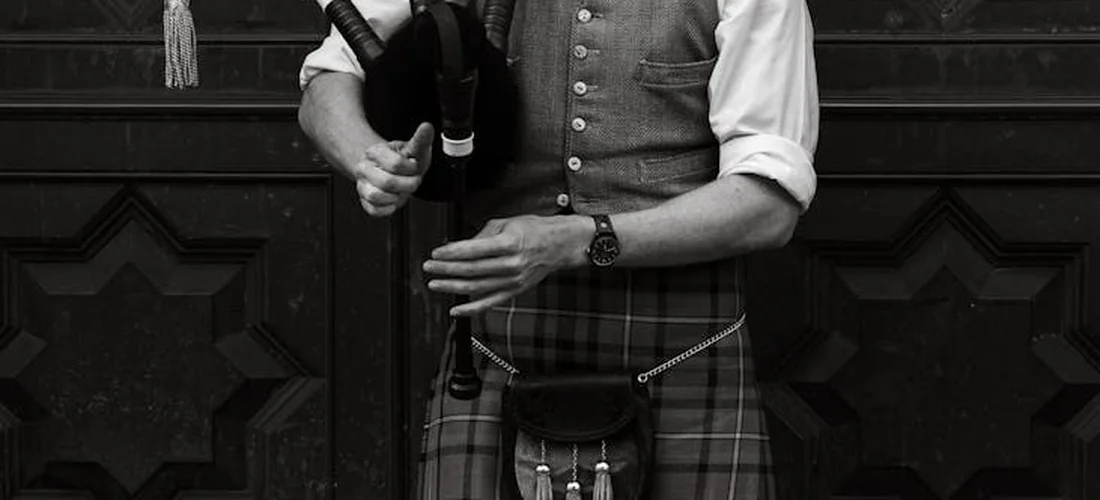
Yes, without question. This tradition is not restricted by heritage or occupation. It belongs to anyone who feels its call.
Many people choose bagpipes for a few common reasons. These often include Scottish or Irish family roots, service in the military or as a first responder, or a simple, personal love for the music’s soulful sound.
Your reason is your own. Choosing bagpipes is a valid personal tribute, a way to honor a unique life with a profound sound.
Planning a Funeral with a Piper: A Practical Guide
Bringing a piper into a service involves some thoughtful planning. Here is a straightforward guide to help you.
First, consider cost. Hiring a bagpiper for a funeral typically ranges from $150 to $400. The final price depends on their travel distance, the performance length, and their level of experience. For reasonable funeral costs budgeting, set a price ceiling and compare quotes before deciding. This helps ensure you stay within your budget.
Finding a reliable piper takes a few steps.
- Ask your funeral director. They usually have a list of trusted local musicians.
- Look for area pipe bands or solo performers online. Listen to audio samples to hear their style.
- Contact your top choices early. Discuss their fees, available songs, and your service timeline.
Now, think about logistics. Bagpipes create a powerful sound. They are majestic outdoors at a graveside, especially during police and firefighter funerals. Inside a small chapel, the volume can feel immense.
Talk with your piper about the best spot for them to play. Timing matters, too. Pipers often perform as guests arrive, during a procession, or as a final farewell. Clear communication with your piper ensures the music supports each moment of the service.
Personal Perspective: The Space the Music Creates
I once attended a funeral where a piper played. The initial note was a physical presence, a vibration we all felt in our bones.
The sound did not simply travel. It expanded, filling the entire space around us. In that auditory embrace, rigid postures softened. People let their tears fall freely.
There is a solidarity in that sound. Bagpipes hold the collective weight of grief when our own words feel too small, creating a sanctuary for shared sorrow, especially during funeral services.
What Bagpipe Music is Played at Funerals? A Guide to Traditional Songs
The sound of bagpipes carries a unique emotional weight. It can express a sorrow too deep for words and a pride too vast to contain. The following melodies are chosen time and again because their resonance feels both ancient and personal.
To help you navigate, they are grouped here by their common spirit. Listen to recordings if you can. You will feel the difference between a lament and a salute.
Hymns and Spiritual Melodies
These tunes speak of faith, peace, and a journey’s end. They offer comfort through familiar, soaring melodies.
“Amazing Grace” is perhaps the most requested bagpipe hymn at funerals across the world. Its simple, powerful melody translates perfectly to the lone piper. The pipes seem to weep and uplift all at once, mirroring the hymn’s message of redemption and solace.
“Going Home,” often played to the tune of “Danny Boy” (Londonderry Air), centers on a theme of peaceful return. The melody is tender and longing. It paints a sound picture of a gentle arrival, a release from struggle into a place of rest.
“Highland Cathedral” is a modern piece, composed in the 1980s. It lacks centuries of history but has quickly earned its place. Its grand, uplifting swell feels less like a goodbye and more like a majestic honoring. It speaks to the height of a person’s character.
Traditional Laments and Farewells
These are the ancient heart songs of the pipes. They were born from loss and are crafted to hold collective grief.
“The Battle’s O’er” is a traditional salute played at the end of a conflict. Its origin makes it profoundly fitting for a veteran’s funeral or for anyone who has finished life’s long struggle. It is a signal of rest after effort, a formal and respectful farewell. Appropriate use of military funeral salute etiquette ensures such moments are honored properly and with dignity.
“The Flowers of the Forest” is one of the ultimate Scottish laments. Its melody is pure, grieving elegance. It was composed to mourn fallen soldiers, making it a poignant choice to remember someone lost too soon. The tune feels like a nation weeping.
“Minstrel Boy” comes from Irish tradition, though pipers often play it. It tells of a young bard whose harp is broken in battle. The theme is courage, loyalty, and a spirit that cannot be captured. It honors a fighting heart.
Music for Honoring Service
These selections are often used for processions or recessions. They carry a more celebratory tempo, focusing on honor and legacy.
“Scotland the Brave” and “The Skye Boat Song” are stirring and rhythmic. They are frequently played as the casket is carried, or as the service concludes. They do not dwell in sadness but instead lift the heart to remember strength and heritage. They speak of journeys taken with courage.
“When the Saints Go Marching In” is a joyful, Dixieland standard. Its use on bagpipes is less traditional but growing. For a life lived with vibrant joy, it makes for a unique and uplifting recessional. It turns a funeral march into a celebration of homecoming.
Choosing the Right Song for Your Loved One
Facing this choice can feel heavy. My advice is to start not with titles, but with feeling. What melody captures their essence? Was their life a quiet hymn, a courageous battle, or a joyful march?
Please, consult with your piper. A good piper is a reservoir of knowledge. They can listen to your memories and suggest the air or tune that best matches the spirit you wish to convey. They know how each song moves and where its emotional weight lies.
There is no perfect, universal choice. The right song is the one that feels true to you. It may be a traditional lament, a hymn, or even a folk tune they loved. If it honors their memory, the pipes will give it a dignity all its own.
Frequently Asked Questions About Bagpipes at Funerals
At what point in the service are bagpipes typically played?
Pipers often perform as guests are arriving, during the procession or recession, or at the graveside. Your funeral director or piper can help place the music at the most meaningful moment for your service.
Why are uplifting songs like “Scotland the Brave” played at a funeral?
These stirring tunes honor a life of courage and heritage, focusing on celebration and legacy rather than solely on loss. They provide a dignified, uplifting tribute to the strength and spirit of the departed.
Can we request a song that isn’t a traditional bagpipe tune?
Many pipers can learn a special melody if provided with enough notice, such as a favorite hymn or folk song. Discuss your personal request early to see if it can be beautifully adapted for the pipes.
Parting Reflections on Bagpipes at Funerals
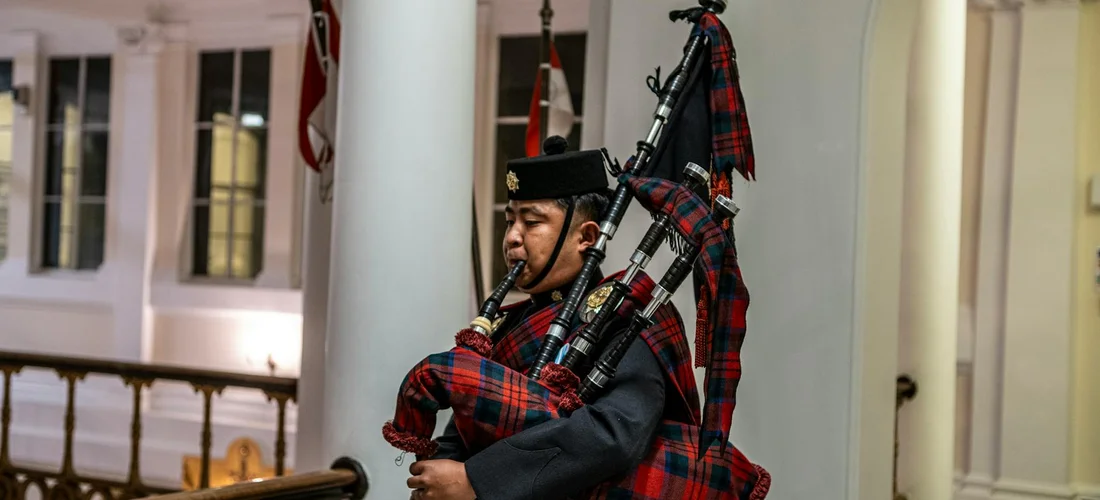
The most important guidance is to choose music that honestly reflects the person you are honoring. Let the tradition of bagpipes offer its profound comfort by selecting a song that feels true to a life’s story.
In all matters of funeral care and funeral needs, pursuing dignified, eco-conscious options is a compassionate act. I encourage you to continue exploring Funeral Questions, as knowledge brings reassurance during times of loss.
Research and Related Sources
- The Role of Bagpipes in Funerals: Honoring the Deceased with Music – Mackenzie Bagpiping
- Why are bagpipes a tradition at Fire/Police funerals? – Quora
- Regimental Pipers – Bagpipes ay a Funeral
Emiliana Dieter
Emiliana is an author at The Valedictory. She is an experienced funeral care advisor and arranged and organized many funerals as part of her end of life consulting services. She has over 8+ years in the funeral industry managing her family funeral business and helping families cope with the loss of their loved ones. Her articles answer any and all questions you might have regarding funeral arrangements, costs, preparations, etc so you can make this a seamless experience.