
Burial Shrouds and Mushroom Burial Suits: What They Are and How to Make a Shroud or Mask
You might be looking for a funeral choice that feels more personal and connected to the earth. I often see families find comfort in these gentle, natural alternatives.
This article will provide clear, compassionate information to help you. We will explore what burial shrouds are, explain the purpose of mushroom burial suits, and offer guidance on creating a burial shroud or mask.
Key Takeaways: Compassionate Choices for a Natural Goodbye
Planning a farewell can feel overwhelming. It helps to know there are gentle options that honor both your loved one and the earth.
Burial shrouds and mushroom suits are both eco friendly choices. They allow a person’s body to return to the soil simply and naturally.
Creating a shroud yourself can be a profound way to heal. This personal act of making becomes a lasting part of your remembrance.
You are not alone in navigating the practical details. A knowledgeable funeral director can guide you through the necessary legal and logistical steps with respect.
What Is a Burial Shroud? Understanding a Timeless Practice
A burial shroud is a cloth used to wrap the body of a deceased person. It is one of the oldest and most universal forms of burial.
Visually, a shroud is typically a large, simple sheet of natural fabric. It looks like an unadorned blanket or a wide length of cloth, often in soft whites, creams, or earthy tones.
Its purpose is rooted in dignity, simplicity, and a desire for environmental harmony. A shroud avoids the hard lines and manufactured materials of a casket, seeking a more direct reunion with nature.
This practice connects deeply with green burial principles and personal spirituality. Many people choose it to fulfill a final wish for minimal environmental impact or to honor a specific faith or philosophical tradition, as discussed in various religious views on green burials.
The Purpose and Appearance of a Shroud
A shroud represents a gentle, unadorned return to nature. It forgoes metal, varnish, and synthetic padding for the quiet simplicity of cloth and earth.
Common materials like cotton or linen feel soft and familiar against the skin. I have held shrouds made of unbleached cotton, its texture slightly coarse and honest, and others of smooth linen that carries a quiet, dignified weight.
What Is a Mushroom Burial Suit? A Modern Ecological Embrace
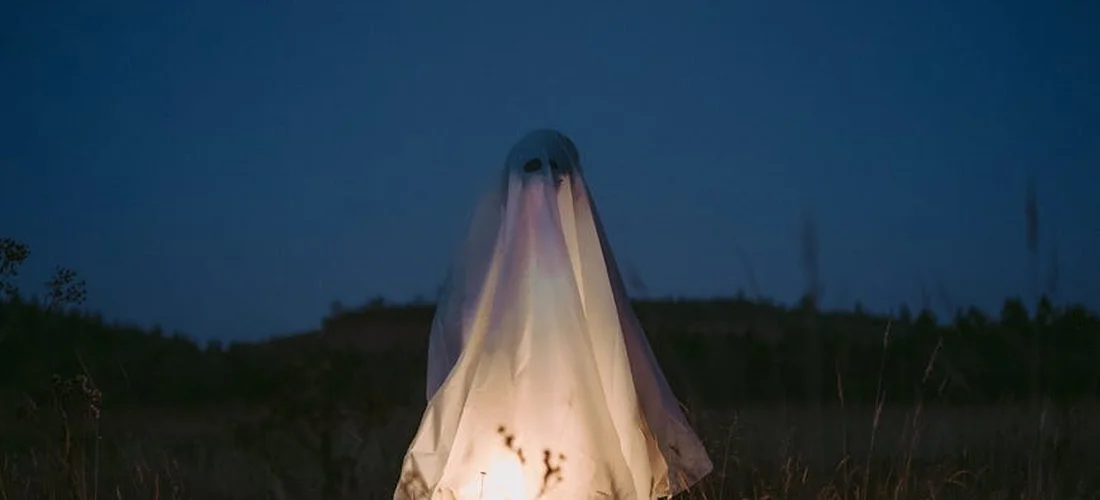
A mushroom burial suit is a garment infused with mushroom spores. These spores are meant to help the body decompose naturally after burial.
In my experience, these suits often look like simple, full-body coverings. They are made from soft, organic materials that feel gentle and earthy.
The suit works to neutralize toxins in the body and nourish the soil. Choosing a mushroom suit can be a healing act, a way to embrace the cycle of life and give back to the earth.
How Mushroom Suits Work to Foster New Life
Let me explain the science in simple terms. Mushrooms help break down the body using tiny threads called mycelium.
Mycelium acts like nature’s recycler, consuming organic matter. It transforms what remains into nutrients for plants and trees. This natural process fosters new life, turning a place of rest into a source of growth.
The materials are key, typically biodegradable thread woven with mushroom mycelium. Everything is designed to return to the soil completely.
How to Make a Burial Shroud: A Step-by-Step Guide of Care
Making a burial shroud is a compassionate, hands-on project for honoring a loved one. I have seen how this act can bring comfort during grief.
Here is a clear, reassuring guide on how to make a shroud for burial. Follow these steps at your own pace, letting each one be a meditation.
- Gather natural fabrics and simple sewing supplies.
- Measure the fabric to the appropriate size for wrapping.
- Cut the fabric carefully along your measurements.
- Sew the seams or edges to finish the shroud.
- Personalize the shroud with meaningful decorations.
Gathering Your Materials for a Handmade Shroud
Start with simple, natural fabrics like cotton, wool, or linen. These materials decompose gently and feel soft to the touch.
You will also need scissors, thread, and a needle. Look for these at fabric stores or use what you have at home. Choosing fabric with personal history, like a well-loved sheet, adds a layer of intimacy to your farewell.
Creating the Shroud: Measuring, Cutting, and Sewing
First, measure the fabric to be about 8 to 9 feet long and 4 to 5 feet wide. This size typically covers an adult body with room for wrapping.
Cut the fabric along straight lines. If you are new to sewing, do not worry. Precision matters less than the care you put in.
Sew the edges with a basic stitch to prevent fraying. You can sew by hand for a more personal touch. The rhythm of sewing can be soothing, a quiet act of love that honors memory.
Personalizing the Shroud for a Unique Farewell
Add meaningful touches with embroidery, using thread to stitch initials or a date. You can also use natural dyes from berries or tea to stain the fabric a soft color.
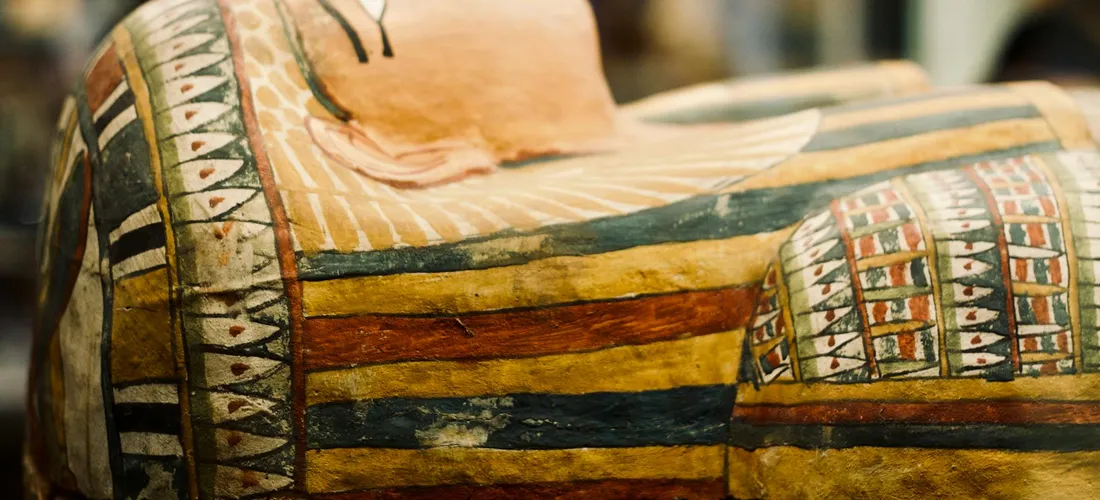
Historical practices, like Egyptian burial masks, show us how personal tributes can be. Let such traditions inspire you to create a farewell that reflects your loved one’s spirit.
Alternative Options for a Personalized and Eco-Friendly Farewell
Choosing a burial shroud or mushroom suit opens a door to other meaningful choices. Many families find comfort in exploring the full spectrum of natural burial.
Your decisions can reflect a deep care for the earth, creating a gentle return to the soil.
Considering Green Burials and Natural Memorials
Green burial is built on a simple principle: to allow the body to decompose naturally with minimal environmental impact. This means no chemical embalming, no metal caskets, and no concrete vaults. It is one of the many eco-friendly options available for memorial services.
It is a return to an older, quieter way of saying goodbye. The grave itself is often shallower to aid decomposition, and the landscape is preserved as natural habitat.
Compared to traditional burial, which uses treated wood, steel, and concrete, green burial offers a process that feels more connected to natural cycles. For some, this connection brings a profound sense of peace, knowing their loved one’s resting place supports life above ground. A concise traditional-green burial comparison highlights differences in materials, environmental impact, and aftercare. Such a side-by-side view helps families choose the option that best mirrors their values and wishes.
You have several paths for a green burial. A dedicated green burial ground adheres to strict ecological standards. A conservation cemetery goes further, legally protecting the land in perpetuity for wildlife. One option within green funerals is tree burial, a living memorial that lets a tree take root on the site. This approach supports biodiversity while returning nutrients to the earth.
Some traditional cemeteries now offer “hybrid” sections where green burial is allowed. The feeling in these spaces is different. You are more likely to see native wildflowers than rows of polished headstones, which is becoming a popular option for those seeking eco-friendly ways to say goodbye.
A natural burial is often accompanied by a celebration of life that feels equally authentic. The ceremony might be held in a forest clearing or a family garden. This personalized gathering focuses on shared stories and memories, complementing the physical simplicity of the burial itself. Music, poetry, and the simple act of placing flowers or soil by hand become the central rituals.
How to Use a Shroud or Mushroom Suit in a Funeral Service
The practical use of a shroud or suit is a deeply personal act. It often involves close family, creating a final act of care.
If you are preparing the body at home with a funeral professional, they will guide you. The deceased is gently washed and dressed in simple, biodegradable clothing. The shroud is then wrapped around the body, or the mushroom suit is fitted.
Traditional tying with cloth ribbons, or “cords,” secures the shroud, a process that can be a meaningful part of a family-led ceremony. The body is then placed on a simple wooden plank, a wicker basket, or a biodegradable stretcher for carrying.
Transport to the gravesite requires coordination. A hearse can be used, or the carrier can be placed in a personal vehicle. The visual simplicity of a shrouded form on a woven carrier is strikingly dignified.
At the grave, the lowering is often done by hand using cloth straps. Family and friends may take turns holding the straps, participating directly in the committal. It is a slow, intentional act that many find more healing than watching a mechanical device.
Cost is a real consideration for many. A simple cotton shroud can cost a few hundred dollars. A more elaborate hand-woven shroud or a mushroom burial suit may cost one to two thousand. This contrasts with a traditional metal casket, which often costs several thousand dollars, not including the price of a concrete vault, which is usually required. The overall savings with a green burial can be significant, allowing resources to be directed toward a meaningful service or a lasting memorial.
Navigating Legal Requirements and Cemetery Policies
Laws regarding burial are set by individual states, and cemetery rules vary even more. This requires careful, early research.
There is no universal law mandating a casket or a vault. Many states allow for natural burial with just a shroud. The real gatekeeper is often the cemetery’s own policy. Most conventional cemeteries require a vault to prevent the ground from settling, which makes green burial with a shroud impossible there.
Your first step is to find a cemetery that specifically allows for natural or green burial. Call them and ask direct questions. This protects you from planning a service that cannot be completed as you wish.
When you contact a green burial ground or a sympathetic cemetery, have these questions ready.
- Do you allow burial in a simple shroud or cloth without any casket?
- Is a biodegradable container or carrying board required?
- What are your specific requirements for mushroom burial suits?
- Do you allow families to participate in washing, dressing, and lowering the body?
- What are the rules for grave markers? Can we use a native stone?
Asking these questions will give you clarity. It will also connect you with caretakers who understand and support your wishes. They can become your guides, helping you navigate this path with confidence and grace.
When to Call a Funeral Director: Seeking Professional Support with Confidence
Certain responsibilities, like legally filing the death certificate or transporting the body, require a licensed professional. These are not steps you can handle alone, and a funeral director is trained to manage them with care.
I have always found that funeral directors provide more than just a service. They offer compassionate guidance through the legal and logistical maze, acting as a calm presence when you need it most, fulfilling various roles and duties.
Asking for this support is not a sign of weakness. It is a thoughtful decision that honors the person you love by ensuring everything is done properly.
Legal, Logistical, and Emotional Reasons for Professional Guidance
Knowing when to call can bring peace of mind. Professional help is crucial in specific situations that involve paperwork, regulations, or complex coordination.
- You need assistance with vital documents, like death certificates or permits for a home burial with a shroud.
- Health department regulations must be followed, especially if the death occurred at home.
- Arrangements involve multiple locations, like transporting a body to a natural burial ground that accepts mushroom suits.
A funeral director takes on the weight of these details, giving you emotional space to grieve. This practical support lets you focus on personal rituals, such as preparing a final resting place with a handmade cloth.
Frequently Asked Questions
What is the main purpose of choosing a burial shroud or mushroom suit?
The purpose is to facilitate a gentle, natural return to the earth. This choice often provides deep emotional comfort, aligning a farewell with personal or environmental values.
Are there legal concerns when planning a natural burial with a shroud?
Yes, requirements vary by state and individual cemetery. Your most important step is to confirm directly with a cemetery that explicitly permits natural burial practices and follow the regulations for burial.
Can I make a mushroom burial suit myself like a shroud?
No, mushroom suits require specialized biofabrication to embed living mycelium. They are professionally manufactured products designed for safety and efficacy in the burial environment.
Parting Reflections on Natural Burial Choices
The most important step is to choose a method that feels authentic to you or your loved one’s spirit, be it a simple shroud or a regenerative mushroom suit. Creating a burial shroud or mask with your own hands can transform grief into a tangible act of remembrance and love.
Selecting an eco-friendly burial is a responsible way to provide dignified care while honoring the earth. I invite you to gently continue your learning about Funeral Care, Funeral Needs, and Funeral Questions, as knowledge can be a quiet comfort in times of loss.
Related Guides and Information
- Mushroom Burial Suit Creates Life After Death | HowStuffWorks
- Green Burial Options, From Mushroom Suits to Human Composting | Ethos
- The Ultimate Guide to Mushroom Burial Suit in 2025 – InsuranceForBurial.com
- How the Mushroom Death Suit Will Change the Way We Die | by Jae Rhim Lee | TED Fellows
- “Mushroom Burial Suit” Called Into Question | Connecting Directors
Emiliana Dieter
Emiliana is an author at The Valedictory. She is an experienced funeral care advisor and arranged and organized many funerals as part of her end of life consulting services. She has over 8+ years in the funeral industry managing her family funeral business and helping families cope with the loss of their loved ones. Her articles answer any and all questions you might have regarding funeral arrangements, costs, preparations, etc so you can make this a seamless experience.