
What to Consider When Buying and Selecting a Cremation Urn
Choosing an urn for a loved one’s ashes is a deeply personal act. I understand how this decision can feel both sacred and daunting.
Drawing from my experience, this guide will walk you through the key factors to reflect upon. We will explore urn materials, size and capacity, design and personalization, budget, and the practicalities of final placement.
Key Takeaways: Finding Comfort in Your Choice
Let me begin by saying this. There is no single right choice for an urn. The best choice is the one that feels meaningful to you and honors your loved one’s memory.
As you look at the options, keep three simple questions in mind. What is the urn’s primary purpose? What size do you require? What fits comfortably within your budget?
Approaching this decision with these practical points can turn a difficult task into a step toward healing. It becomes an act of care, not just a checklist item.
Quick Snapshot: Urn Types at a Glance
This simple table can help you quickly see the main paths forward. Think first about what you plan to do, and let that guide your choice of material and budget.
| Purpose | Best Material Suited | Relative Cost |
| Display (for the home) | Ceramic, Porcelain, Glazed Stoneware, Polished Metal, Wood | Mid-Range to Premium |
| Burial (in a cemetery plot) | Metal (like bronze or stainless steel), Durable Hardwood, Sealed Stone | Budget to Mid-Range |
| Scattering or Water Burial | Biodegradable Materials (paper, sand, salt, planted fibers) | Budget |
Remember, these are general guides. You will find beautiful display urns at many price points, and a simple wooden box can be perfect for keeping at home.
How Do I Determine the Purpose of the Urn?

Before you look at a single urn, pause and ask yourself this question. Understanding its intended purpose is the most important step, as it directs every other choice you will make. This decision shapes the material, size, and design that will be right for you.
People choose urns for different reasons. Some want a permanent vessel for display in their home, a quiet presence on a shelf or mantle. Others plan for placement in a columbarium niche, a protected space in a memorial building. Earth burial or water burial are also meaningful choices. Sometimes, the need is simply for a temporary, dignified container until the remains are scattered in a favorite place.
Keepsake urns, which hold a small portion of cremated remains, allow multiple family members to hold a part of their loved one close. It is also common for families to divide the remains into several urns, so that adult children in different cities can each have a permanent memorial.
You may wonder, do you have to buy an urn for cremation? The answer is no, you are not required to. The crematory will always return the remains to you in a simple, temporary container, often made of plastic or cardboard. Selecting a permanent urn for cremation is a personal act of care, a choice to provide a final home that reflects the person you honor.
Matching the Urn to Its Final Place
Once you know the purpose, you can find an urn that fits its final setting. This is a practical step that brings peace of mind.
For a columbarium niche, you must know the exact interior dimensions. Niches are often quite specific, like 9 inches by 9 inches by 9 inches. An urn that is even slightly too large will not fit. For earth burial or water burial, you must select an urn made of biodegradable materials, like paper, sand, or untreated wood. These will gently return to the earth.
An urn destined for a family hearth should be made of a durable material like ceramic, metal, or hard wood. It needs to withstand being handled and dusted over years. Many families choose a beautiful display urn for keeping and a separate, simple scattering tube for any ceremony. This gives you flexibility and honors the ritual.
What Size and Capacity Do I Need for a Cremation Urn?
Urn size is not measured by height or width alone, but by its interior capacity in cubic inches. This capacity corresponds loosely to the weight of the person before cremation.
A good basic guideline is that one cubic inch of space is needed for every pound of body weight. For an average adult, you would then look for an urn with a capacity of about 200 cubic inches. I always recommend choosing an urn with a capacity slightly larger than this calculation. This gives you a margin of comfort and ensures everything fits without being rushed or tight.
What if the urn is a little too small? The funeral home staff can often help by carefully using all the available space. If it is slightly too large, they can place a filler material inside the urn, under the sealed inner bag, to keep the remains securely in place. The goal is always dignity and security when handling and storing cremated ashes.
Funeral homes do sell urns, and their staff can always help you verify the correct capacity. They handle these vessels every day and can offer reassurance that the size you have chosen is appropriate. Do not hesitate to ask them for this simple confirmation.
Which Urn Material Feels Most Appropriate?
The material you choose holds more than ashes. It holds a feeling. Your hand will rest upon it. Your eyes will return to it. The right material can bring a quiet sense of connection.
Wood offers a familiar warmth. A polished walnut urn feels solid and traditional, like a cherished piece of furniture. Lighter woods, like maple or oak, have a gentle presence. Wood can be intricately carved or left simply smooth.
Metal feels modern and enduring. Bronze and stainless steel have a substantial weight and a cool, sleek touch. They are highly durable for burial or outdoor placement. Brass develops a soft patina over time, a quiet change that some families appreciate.
Ceramic and porcelain are works of art. They can be glazed in any color, adorned with landscapes, or finished with a delicate crackle. They feel cool and smooth to the touch. Their fragility reminds us to handle them with care, much like the memory they hold.
Stone, like marble or granite, speaks of permanence. It is profoundly heavy and cool, with unique veining in every piece. A stone urn for a garden feels like part of the earth itself. For a permanent burial, stone and metal are often the most durable choices, designed to withstand the elements for generations.
Glass is luminous and personal. It can be blown into swirling colors or kept crystal clear. Sunlight plays through it beautifully. While exquisite for display in the home, glass requires a very protected location due to its fragility.
Biodegradable urns, made from materials like recycled paper, salt, sand, or woven willow, serve a different purpose. They are designed to return gently to the earth or water during a green burial or ash scattering. They feel light, sometimes almost ephemeral. The “best” material for a burial urn depends entirely on your intention: choose biodegradable for a return to nature, or a durable stone or metal for a permanent, marked resting place.
You may see beautiful vessels in craft stores. While they can be meaningful for holding keepsakes, they are rarely designed to securely and permanently hold cremated remains. An urn from a funeral supplier is crafted specifically for this sacred purpose, with a sealed interior compartment and standard size.
How Can I Set a Thoughtful Budget for an Urn?
Budgeting for this can feel strange amidst grief. It is not about price tags, but about value and peace. I advise setting a comfortable range, not a single stressful number. This gives you room to find what feels right without financial pressure clouding your judgment.
The cost is shaped by a few key factors. The material is the primary driver. A simple, machine-made wooden urn costs less than a hand-carved marble one. Customization, like engraved portraits or detailed inlays, adds to the price but also to the personal connection.
Where you buy matters greatly. Funeral homes provide convenience and immediate access, which is often reflected in their pricing. Dedicated online retailers typically offer a wider selection at more competitive prices, but require planning for shipping time. Whether you choose to buy from a funeral home or online, it’s important to consider these factors.
If funds are a concern, please know there are graceful options. Choose a simple, elegant urn in a solid material. You can always add personalization later with an engraved photo frame placed beside it, or by having a nameplate added at a local jeweler. Focusing on a heartfelt, well-made urn in a simpler design is often more meaningful than stretching for ornate details that cause strain.
See this not as a mere purchase, but as allocating resources for a lasting tribute. An urn is a one-time acquisition that will be part of your life and legacy. The right choice is the one that brings you a sense of completeness, within the financial boundaries you set for yourself with compassion.
How Do I Reflect a Personal or Cultural Style?
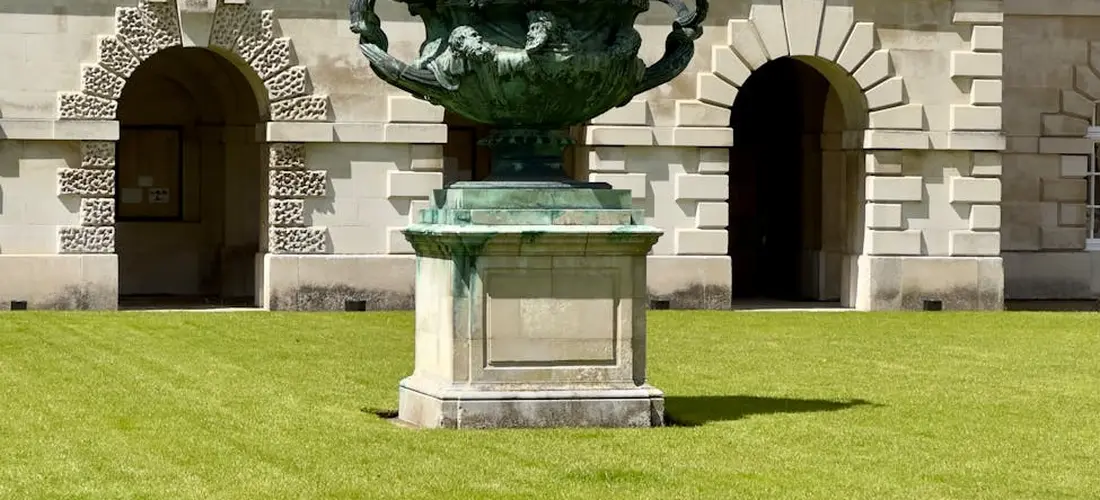
Begin by asking a simple, heartfelt question. What did your loved one truly care about? Were they drawn to sleek, modern designs or did they find comfort in classic, timeless looks?
Perhaps they were an artist who valued color and form. A gardener who cherished the earth. That quiet reflection is the truest guide to finding an urn that feels right.
For many, style is deeply woven with faith and tradition. An Orthodox Christian cross or icon on an urn can provide profound solace. A Hindu Kushala box, often made of sandalwood, honors specific rituals.
If your family has particular customs, speaking with your religious leader or funeral director can bring clarity and peace of mind.
Personalization transforms a container into a keepsake. Engraving a name, dates, or a short epitaph is a common and touching choice. Some urns can hold a small photo in a ceramic or metal frame.
For a more unique tribute, artisans can create custom shapes-a favorite animal, a musical instrument, a vessel shaped like a book. I have even seen urns with a loved one’s fingerprint pressed into the clay.
These details do more than decorate; they tell a story and keep a memory vividly present. A simple, plain urn can be beautiful. But a personalized one becomes a singular monument to a singular life.
Common Mistakes to Avoid When Choosing an Urn
Grief can make us focus on the immediate feeling a piece evokes. A large, ornate display urn might feel right in a showroom. But will it fit on the mantle at home, or inside the columbarium niche you have selected?
Always measure the space where the urn will permanently reside before you make a final choice. The standard columbarium niche is often about 9 inches square, a fact many learn too late.
Urns are sized by cubic inches to hold an average adult’s cremated remains. An urn listed as “200 cubic inches” is standard. Understanding both the weight and volume of cremated remains helps ensure the right fit. Ashes have a measurable weight and occupy a specific volume, so matching those metrics to an urn’s capacity is important. Choosing one that is too small leads to a painful logistical problem.
If you plan to bury the urn, check with the cemetery for any size or material restrictions for the plot. Being familiar with cemetery plot burial regulations can help you prepare for permits and placement. This simple call can prevent a day of distress.
There is often a quiet, internal pressure to decide everything at once. The funeral home provides a temporary container after cremation. It is designed to be secure and respectful, but it’s important to understand their policies for handling cremains.
It is perfectly acceptable, and even wise, to take that temporary container home and allow yourself the time you need to choose. The perfect urn is worth waiting for. Your love is not measured by the speed of your decision.
Frequently Asked Questions
Where will the urn be placed, and how does that affect my choice?
The final location is a primary practical consideration. Always confirm the exact dimensions of a columbarium niche or burial plot first, as these spaces often have specific size requirements.
Is the urn durable and intended for long-term keeping?
If the urn will be permanently displayed or passed down, choose robust materials like metal, hardwoods, or stone. For a temporary vessel before scattering, a simple biodegradable or temporary container is perfectly appropriate.
How important is personalization, like engraving?
Personalization transforms a vessel into a unique tribute. Even a simple engraved name or dates can provide significant comfort, making the urn a true reflection of your loved one.
Parting Reflections on Choosing a Cremation Urn
The most important advice I can offer is to select an urn that truly speaks to your heart and honors the unique life it represents. Let this choice be a gentle reflection of love, balancing personal meaning with the practicalities of size, material, and placement.
Selecting an urn is a profound act of care; considering eco-friendly materials can extend that dignity to the world we share. Please continue to seek compassionate guidance on Funeral Care, Funeral Needs, Funeral Questions, as each thoughtful decision supports your path forward.
Further Reading & Sources
- Choosing the Right Cremation Urn: 5 Things to Keep in Mind
- Choosing the Perfect Cremation Urn: A Comprehensive Guide – OneWorld Memorials
- Cremation Urns: A Step-by-Step Guide to Choosing and Preparing a Lasting Memorial
- 4 Questions to Consider when Choosing a Cremation Urn
- A Complete Guide to Cremation Urns
- 4 Basic Rules for Choosing the Right Cremation Urn For Ashes in 2024 – Pulvis Art Urns
Emiliana Dieter
Emiliana is an author at The Valedictory. She is an experienced funeral care advisor and arranged and organized many funerals as part of her end of life consulting services. She has over 8+ years in the funeral industry managing her family funeral business and helping families cope with the loss of their loved ones. Her articles answer any and all questions you might have regarding funeral arrangements, costs, preparations, etc so you can make this a seamless experience.