
How Long Does a Casket Last? Understanding Durability and Timelines
It is a natural question to ask, born from a place of care and a desire to understand what happens over time.
This guide will help you with that understanding. We will cover how different casket materials-like wood, metal, and alternatives-affect longevity, what realistic decomposition timelines look based on burial conditions, and the practical factors that matter most when making this decision for a loved one.
Key Takeaways for a Peaceful Understanding
Asking how long a casket lasts carries a quiet, heavy weight. You are planning for a final act of care, and it is natural to wonder about permanence.
It is wise to begin with a gentle truth. No casket lasts forever. Every material, given enough time, will yield to the natural processes of the earth.
The primary purpose of a casket is to provide a vessel of dignity and respect, not to stop nature’s course indefinitely. Your choice is about honoring a life with thoughtful care. For practical guidance, a funeral caskets choose guide can help you compare styles, materials, and sizes.
Three main factors shape how long a casket maintains its form: the material it is made from, whether it is sealed, and the specific conditions of the burial ground itself.
Understanding this timeline is not morbid. It is a natural part of comprehending the journey, and that knowledge can bring its own form of peace as you make decisions.
Quick Snapshot: Comparing Casket Materials and Protection
This table offers a general comparison to help guide your consideration. Durability here refers to the casket’s structure. The contents within follow a separate, natural process.
| Material | Typical Durability Range | Key Influences | General Cost Implication |
|---|---|---|---|
| Wood (e.g., Pine, Oak) | 5 to 20 years | Wood type, thickness, soil acidity, and moisture. Untreated pine decomposes faster than a hardwood like oak. | Often the most accessible option, with a wide range depending on the wood. |
| Metal (Steel) | 50 to 80+ years | Gauge (thickness) of the steel and the quality of the protective seal. A broken seal can allow moisture and accelerate corrosion. | Mid-range, offering a balance of durability and cost for many families. |
| Metal (Copper or Bronze) | 80 to 150+ years | These metals naturally resist corrosion. They are often paired with a superior sealing gasket for added protection. | Among the highest, reflecting the material cost and extended durability. |
| Burial Vault or Grave Liner | N/A (External Protector) | A concrete outer container that supports the earth and shields the casket from weight and some moisture. It can significantly extend a casket’s integrity. | An additional cost, but one that many cemeteries require for ground maintenance. |
Cost is one practical consideration among many, including personal values, family tradition, and the sense of care you wish to provide.
What Determines How Long a Casket Lasts?
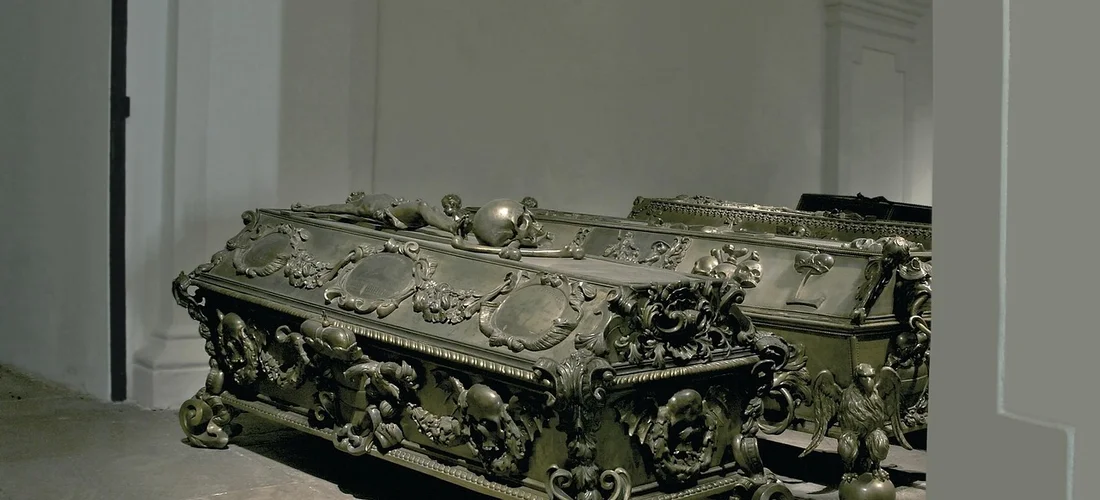
Imagine a fallen tree in a forest. Its journey back to the earth is a quiet, natural process. The pace of that return depends on the wood itself, the weather, and the soil that cradles it. A casket follows a similar path. Its durability is not a single number, but a story shaped by the choices we make and the world it rests in.
The Core Material: Wood Versus Metal
The type of casket is the first chapter in its story. A wooden casket made from softer pine may begin to soften and weaken within a few years in damp soil. Its structure can become compromised in a decade or two. A hardwood casket, like oak or mahogany, is far more resistant. It can often maintain its form for several decades, its dense grains slowing the inevitable softening of the wood.
Metal caskets are built for a longer timeline. A standard 20-gauge steel casket is strong, but moisture can still find a way over many years. A heavier 18-gauge or 16-gauge steel offers more resilience. Copper and bronze, known as non-ferrous metals, naturally resist corrosion. They are often chosen for their potential to endure for a century or more underground.
Think of it like a garden bench compared to a wrought-iron fence. The wooden bench weathers and softens with the seasons, while the iron fence stands for generations, changing slowly. Each material has its own natural rhythm of return.
To Seal or Not to Seal: A Meaningful Choice
Do sealed caskets last longer? In a controlled setting, yes. A sealed casket features a rubber gasket that sits between the lid and the body. When the lid is closed and latched, this gasket compresses to create a barrier. The intent is to slow the entry of outside air and moisture. Often, the casket is sealed before and after the service to provide protection during viewing and to maintain the barrier thereafter.
It is a choice made from a place of care, a desire to protect. We must also understand the reality of a burial. Over decades, the constant pressure of earth and water can compromise any seal. Temperature changes can cause the metal to expand and contract. While a seal delays the process, it cannot stop the natural forces of the earth forever.
A sealing mechanism is a meaningful layer of protection, but it is not a permanent shield against the elements. Its true value often lies in the peace of mind it offers families in the immediate time after burial.
The Burial Environment: Soil, Water, and Climate
The ground itself is the most powerful factor. Heavy, dense clay soil holds water like a sponge. A casket resting in clay is in constant contact with moisture, which accelerates the deterioration of both wood and metal. Sandy soil, in contrast, drains quickly. It creates a drier, more stable environment that can significantly slow the process.
Geography writes its own rules. The constant humidity and warmth of a southern climate create conditions for faster natural breakdown. In the cold, dry ground of a northern winter, all processes slow to a near standstill. Burial depth matters, too. Caskets are typically buried deep enough to reach soil that maintains a more consistent temperature and moisture level, as required by most cemeteries.
The difference between a casket in wet clay and one in dry sand can be a matter of many, many years. The land itself dictates the timeline.
The Role of an Outer Container
Many cemeteries require a burial vault or grave liner. This outer container, usually made of concrete or plastic, surrounds the casket. Its primary job is to support the weight of the earth above. This prevents the ground from sinking and maintains the cemetery’s landscape.
By managing soil pressure and channeling water away, a vault does protect the casket from immediate crushing forces and water pooling. It adds another layer, extending the casket’s structural integrity. It is important to know that a vault is designed for grave stability. Its purpose is not to preserve the casket or the body inside indefinitely, but to create a more secure and stable resting place. Sealing the vault is part of its purpose, helping to limit moisture intrusion and maintain the seal over time.
Understanding the Natural Timeline: From Wood to Soil
This transition is not a failure of materials, but a quiet fulfillment of a natural cycle. There is a gentle order to it, a slow returning that has its own peace.
When Does a Casket Begin to Deteriorate?
The process begins almost immediately upon burial. Moisture in the soil starts to interact with the materials. A thin, inexpensive wooden casket may begin to show signs of softening within the first year or two. A sturdy hardwood or metal casket will resist these initial effects for much longer, often for five years or more before any meaningful change occurs.
People often ask how long before a casket collapses. For a wooden casket, the box may start to lose its shape and compress under the soil’s weight within a decade or two, depending on the wood and environment. A metal casket, especially a heavier-gauge steel or copper one, is engineered to resist collapsing. It may slowly corrode over fifty to a hundred years, but its basic structure often remains intact for a very long time.
The Journey of the Body Within
This question is asked with care, and it deserves a gentle answer. How fast a body decomposes in a casket is part of the same story as the casket itself. It is guided by the same factors: the material, the seal, and the earth around it.
In a simple wooden casket in well-drained soil, natural decomposition follows its ancient course. In a sealed metal casket in dense clay, the process is dramatically slowed. There is no single timeline, only a wide range shaped by all the conditions we have discussed.
The casket and the body share this journey, one sheltering the other as both gradually and peacefully become part of the earth again. Understanding this is not about numbers, but about seeing the natural return as a whole, dignified, and gentle process.
Planning with Compassion: Answers to Common Questions
When planning a funeral, practical questions often surface alongside grief. These answers aim to support you in making decisions that feel both dignified and clear—especially when addressing funeral details.
Timing for a Viewing or Open Casket Service
Many families ask how long after a death an open casket is possible. The casket provides the setting, but the timeline depends on skilled care.
Professional embalming is the primary factor. The embalming process preserves the body’s appearance for viewing, typically enabling a family to gather within a week to ten days. A climate-controlled environment, from the preparation room to the service itself, is equally vital.
The goal is to create a peaceful and respectful final memory for those who wish to say goodbye in this way. We know that managing grief is part of the process, and support can begin as you plan the service. Your funeral director will offer a gentle, honest assessment based on the specific circumstances, helping you plan a meaningful service within a realistic window.
Do Caskets Stay in the Ground Forever?
The direct answer is no, a burial casket does not last forever. Everything in the earth, whether wood, metal, or cloth, is subject to natural processes.
A sealed metal casket may resist decomposition for decades, while a simple wooden one will break down much sooner. This is not a failure, but part of a cycle. Understanding this can bring a quiet kind of peace.
The purpose of a casket is to provide a vessel for dignified burial, not to create a permanent barrier against nature. Its gradual return to the earth mirrors the natural world of which we are all a part. Understanding the parts and functions of a casket can provide deeper insight into its role in the burial process.
Considering Dignified Alternatives
For some, a rapid, simple return to the earth is a meaningful choice. Green or natural burial is designed for this purpose.
These burials use a fully biodegradable casket made of materials like willow, pine, or even cardboard. The entire process avoids chemicals and non-organic materials, allowing for a gentle reunification with the soil.
Another alternative is a burial shroud, which is a simple cloth wrapping. These paths are not lesser, but different-rooted in a philosophy of simplicity and ecological harmony. They are deeply personal, valid, and profoundly respectful ways to honor a life and its conclusion.
Compassionate Questions on Casket Longevity
How does soil type affect casket decomposition?
The soil’s composition is one of the most significant factors. Heavy, wet clay accelerates deterioration, while dry, sandy soils provide a more stable environment that can preserve the casket’s structure for longer.
What is the decomposition timeline for a casket?
There is no single timeline, as it varies widely by material and burial conditions. A simple wooden casket may begin to soften within years, while a sealed metal casket can maintain its form for many decades.
Do sealed caskets last longer?
Yes, a sealing gasket is designed to delay the entry of moisture and elements, which can extend the casket’s integrity. It is a meaningful layer of protection that offers families additional peace of mind.
Reflections on Casket Longevity and Care
The most important guidance is to choose a casket with its material and burial setting in mind. This understanding helps ensure a dignified rest that aligns with your wishes and natural processes.
I encourage you to consider eco-friendly options and to keep learning about Funeral Care. A green, eco-friendly funeral can honor your loved one while reducing environmental impact. This responsible path addresses Funeral Needs and Funeral Questions with clarity.
Emiliana Dieter
Emiliana is an author at The Valedictory. She is an experienced funeral care advisor and arranged and organized many funerals as part of her end of life consulting services. She has over 8+ years in the funeral industry managing her family funeral business and helping families cope with the loss of their loved ones. Her articles answer any and all questions you might have regarding funeral arrangements, costs, preparations, etc so you can make this a seamless experience.