
How Long Should a Eulogy Be? Finding the Right Funeral Speech Length
When you are asked to speak at a funeral, one of the first and most practical worries is often about time. You want to say enough without saying too much.
This guide will walk you through the considerations, including:
- The common time frame that respects both speaker and listeners.
- How to choose which memories and stories matter most.
- Ways to adjust for the type of service or gathering.
- Simple methods to practice and time your words at home.
Key Takeaways
- There is no single rule for eulogy length, but a common and practical guideline is 3 to 5 minutes.
- A concise, heartfelt tribute often carries more weight and clarity than a lengthy speech.
- The most important factor is to speak authentically from the heart, with the gathered audience in mind.
What’s the Typical or Ideal Eulogy Length?
I often hear the questions, “How long are eulogies usually?” and “How long is a eulogy at a funeral?” From my years guiding families, the most common advice from celebrants is three to five minutes.
This timeframe is a gentle standard. It allows for a meaningful tribute without overburdening the heart. Grief can make long passages of speech difficult to hold onto. A shorter, clear eulogy respects the emotional capacity of everyone present and is easier to prepare.
Within three to five minutes, you can realistically share one or two key stories. Focus on a central theme that defined them, like their steadfast loyalty or quiet generosity. You might recall the specific cadence of their voice or the way they always made tea for a friend. These small, sensory details create a lasting portrait.
How long is a eulogy at a funeral? Typically, it is this brief, focused duration that honors both the person and the listeners. The most powerful eulogies I have witnessed were not marathons. They were simple, true, and spoke directly to the love in the room. Understanding the differences between a eulogy and an obituary can help you plan what to include and how to present it. These distinctions often influence tone, length, and focus.
What Factors Influence Eulogy Length?
Your speech exists within a larger service. The first question to ask is about the total time planned and how many others are sharing memories. A single speaker often has more flexibility than one of five.
The setting itself creates a rhythm. A formal service in a place of worship may follow a strict order, while a gathering at a funeral home chapel can feel more open. A graveside tribute is usually brief, spoken against the wind and the quiet of the earth.
Your own emotional stamina is a real and honest limit to consider. Speaking through grief is physically draining. The audience, wrapped in their own sorrow, can only absorb so much. A clear, heartfelt few minutes often land more deeply than a long, struggling twenty.
Some lives naturally inspire more storytelling. A person who lived for ninety vibrant years may invite more shared history than a soul taken too soon. Focus on the quality of your memories, not the quantity of years you feel you must cover.
A Note on Etiquette and the Room
Always speak with the funeral director or the officiant. They know the schedule, the acoustics, and the subtle flow of the day. They can give you the gentle guidance of a time frame, a practical gift that reduces your worry.
You are speaking into a room filled with a collective, fragile energy. Respect that shared space. A concise eulogy honors the listeners by acknowledging their need to grieve, not just their capacity to listen.
It is a profound kindness to leave people wishing for a little more, rather than feeling relieved you have finished. The most meaningful tributes are measured not in minutes, but in the sincerity and love that fills them. Aim to capture one true light of the person, and then rest your voice.
How to Write for a Specific Duration
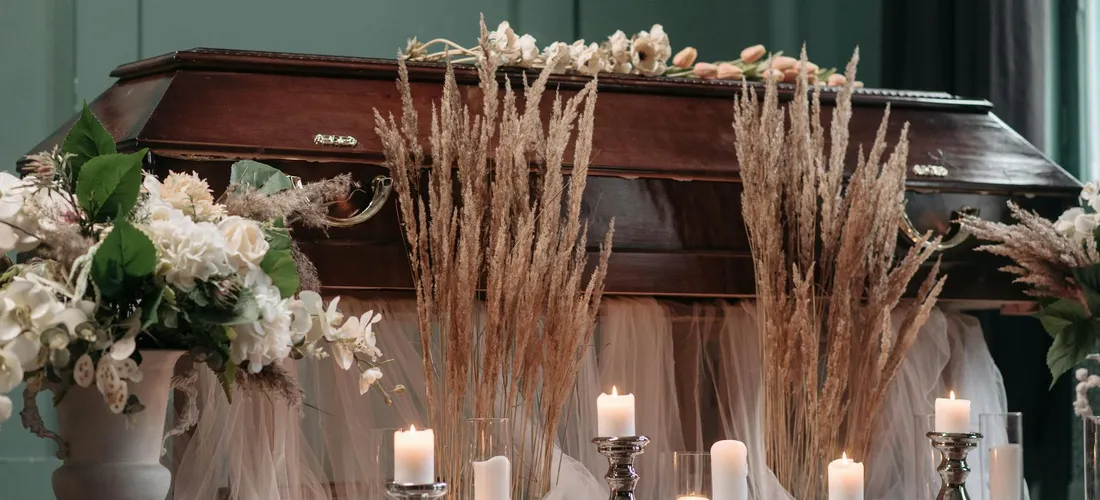
I suggest you write your first draft without thinking about the clock. Let your thoughts and memories flow freely onto the page. Once you have a draft, read it aloud slowly, exactly as you would at the service, and time yourself. Speaking slowly and allowing for emotional pauses is how you will deliver it, and this gives you an honest measure of its length.
If your reading goes over your desired time, here are gentle ways to condense your words.
- Focus on a single, defining theme about the person, like their quiet generosity or their joyful laugh.
- Choose one perfect story that captures their essence, rather than trying to list many events.
- Edit out general praise, such as “they were always kind,” and keep the specific moments that show it.
If you find your words are too brief and you wish to say more, you can expand with care.
- Add a specific, sensory detail to a memory. Recall the smell of their kitchen or the sound of their favorite song.
- Include a short, meaningful reading or a quote they loved, which can add depth without requiring many of your own words.
What Do Different Eulogy Lengths Feel Like?
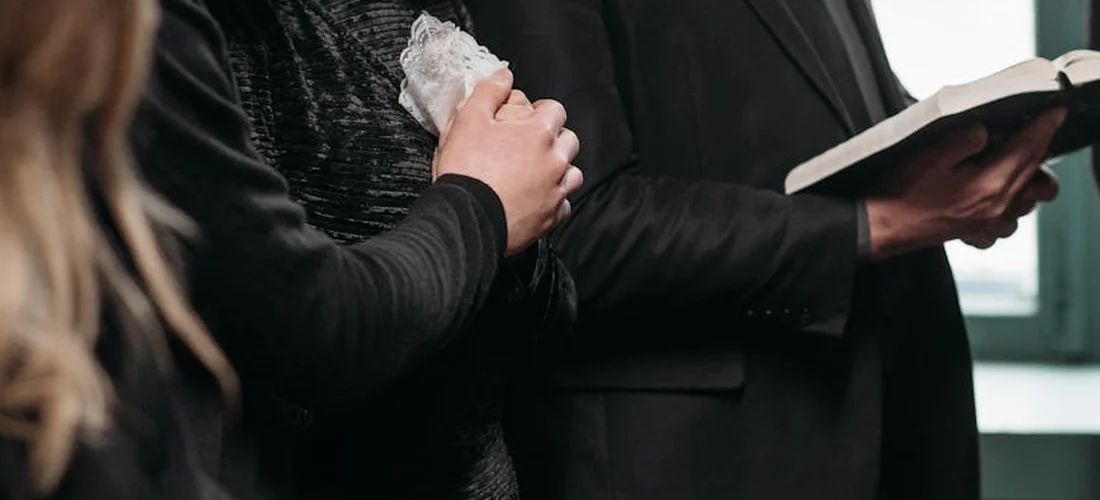
Different durations create different rhythms and impressions for those listening. Each has its own place and power.
The Short Eulogy: 1 to 2 Minutes
A short eulogy is a laser beam of love. It often centers on one profound memory or a single, radiant quality of the person. This brevity can be incredibly powerful, offering a focused tribute that everyone can hold in their heart. To guide this kind of writing, eulogy examples and definitions can help shape tone and structure. They offer concise templates you can adapt to fit personal stories. It might be the story of a silent act of help or the way they smiled at their grandchildren.
The Medium Eulogy: 3 to 5 Minutes
This is the classic, most common format. It allows for a gentle arc. You can share a defining story, paint a brief character portrait, and offer a sense of their journey. Three to five minutes gives you room to show who they were, not just tell, through a narrative that feels complete yet concise. It balances depth with respect for the congregation’s attention.
The Longer Eulogy: 5 to 10 Minutes or More
A longer eulogy is often reserved for a prominent community figure or when it is the only address. It requires thoughtful structure to maintain engagement. You might weave together multiple stories or themes, creating a fuller tapestry of their life and impact. Think of it as guiding listeners through chapters, ensuring each part connects to a central, honoring message.
Personal Perspective: Your Voice is What Matters Most
I have stood beside many families over the years, listening as loved ones found the words to say goodbye. The most moving eulogies were not the longest. They were the ones where a person’s voice, trembling or soft, simply told a true story about a shared laugh or a quiet kindness.
Those gathered will remember the feeling of your sincerity long after they forget the number of minutes you spoke. Your love for the person you lost is the heart of your speech. It shines through in your honest words, not in a perfect performance.
Your presence at the front of the room, offering your memories, is itself the greatest tribute. Do not underestimate the courage it takes to speak through grief; that effort is a profound gift to everyone mourning. Especially if you’re a family member paying tribute. Focus on sharing what feels right for you. That is always enough.
FAQs on Eulogy Length and Timing
Is there such a thing as a eulogy that is too brief?
No, a eulogy’s impact comes from its sincerity, not its duration. Even a one- to two-minute tribute can beautifully honor a life if it speaks authentically from the heart, especially when it is a family member.
What should I do if I fear my speech might run too long?
Practice aloud with emotional pauses to time yourself accurately. If needed, gently edit by focusing on a single, defining memory to ensure your words remain clear and respectful to all listeners.
How does the number of speakers affect my allotted time?
With multiple tributes, coordination is key to maintain the service’s flow. Always consult the funeral director or officiant to understand your specific time frame, ensuring everyone has a meaningful moment to share. It’s especially important during the funeral procession where timing and order are crucial.
Parting Reflections on Eulogy Length
When you speak, let clarity and heart define the moment, not the minutes. A eulogy of three to five minutes offers space for genuine tribute while respecting the gathering’s emotional landscape.
Carrying this thoughtful care forward, you might consider how dignified, eco-friendly choices honor a life fully. You might also explore green, eco-friendly funeral options that honor a life while reducing environmental impact. Learning more about Funeral Care, Funeral Needs, and Funeral Questions can support you with both reassurance and practical steps.
Emiliana Dieter
Emiliana is an author at The Valedictory. She is an experienced funeral care advisor and arranged and organized many funerals as part of her end of life consulting services. She has over 8+ years in the funeral industry managing her family funeral business and helping families cope with the loss of their loved ones. Her articles answer any and all questions you might have regarding funeral arrangements, costs, preparations, etc so you can make this a seamless experience.