
Islamic Funeral Customs and Traditions: A Guide to Muslim Burial Procedures
Losing someone dear brings profound grief, and navigating the funeral rites of a faith not your own can feel overwhelming. I have guided many families through this sacred process, and my goal here is to offer clarity and comfort as you seek to understand.
This article will walk you through the core principles and practical steps of a Muslim burial. We will cover the immediate preparations (Ghusl and Kafan), the importance of the Janazah prayer, the specifics of the burial itself, and the terms you are likely to hear, providing a clear path through a time of deep sorrow.
Key Takeaways and a Step-by-Step Checklist
In a time of grief, practical guidance can be a relief. Here are the most important things to know about a Muslim funeral.
- Burial should happen as soon as possible, ideally within 24 hours.
- The body is washed and shrouded in a specific, simple ritual called Ghusl and Kafan.
- The funeral prayer, Salat al-Janazah, is a communal obligation often performed at a mosque or cemetery.
- Burial is directly in the earth, without a casket, with the head turned toward Mecca.
- Traditional mourning lasts three days, with community visits for condolences.
This numbered list can serve as your immediate action plan. You are honoring your loved one with each step.
- Upon death, gently close the deceased’s eyes and make a supplication (dua). Begin contacting immediate family.
- Contact your local mosque and an Imam. They will guide you on performing Ghusl (the washing) or connect you with those who can.
- Contact a funeral home experienced in Islamic services. An experienced funeral director is invaluable for navigating legal paperwork while respecting religious timelines.
- Arrange for the Salat al-Janazah (funeral prayer) at the mosque or graveside, coordinated with the Imam and funeral home.
- Proceed to the cemetery for the burial. The body is lowered into the grave, turned toward the Kaaba in Mecca, and family may place a handful of earth.
Keep the phone numbers for your mosque and a recommended funeral home in an easy-to-find place. This small act of preparation is a kindness to your future self.
What to Do in the First Moments After a Death
The moments after a soul has departed are sacred. There is a stillness, a profound shift. Your actions here are acts of love and reverence.
Those present should gently close the eyes of the deceased. They may also cover the body with a clean sheet. It is customary to make a heartfelt supplication, such as asking for God’s mercy and forgiveness for the departed. Speak softly, and ensure the space is treated with quiet dignity.
You will feel a need to move quickly, and that is understood. The Islamic tradition emphasizes a swift burial, which is seen as a final act of respect and kindness to the deceased. A concise timeline of Muslim funeral traditions—from cleansing and shrouding to the funeral prayer and burial—can guide the day’s priorities. This timeline helps you decide who to contact first and when. Your first calls should be to immediate family, your Imam, and a funeral director familiar with Islamic rites. These three contacts will form the support circle for the logistics ahead.
Understanding the Islamic Ruling on Autopsies and Organ Donation
These are sensitive matters where religious principle meets modern practice. The guiding principle is the sanctity and inviolability of the human body after death.
Elective or exploratory autopsies are generally not permitted, as they are seen as a desecration. An autopsy may only be performed if required by law, such as in cases of suspicious or unexplained death. In such situations, the family should communicate the religious concerns to the authorities and request that the procedure be as limited and respectful as possible.
The question of organ donation is more nuanced. Some scholars view it as a noble act of saving life, which is a supreme virtue in Islam. Others have reservations based on the integrity of the body. This is a deeply personal decision that should be made after consultation with knowledgeable scholars and within one’s own conscience. If the deceased had previously registered as a donor, many families find solace in honoring that known wish, seeing it as an ongoing charity.
Preparing the Body with Dignity: Ghusl and Kafan
After death, the body is cared for through a ritual washing called Ghusl. This act is performed with great reverence, often by same-gender family members or trained volunteers from the local mosque. I have seen how this duty, while solemn, brings a quiet comfort to those who perform it, connecting them in a final act of service.
The procedure is gentle and methodical. The body is washed with clean water, sometimes with a mild soap or camphor, in a private and respectful setting. It is done in a specific order, much like the ablutions for prayer, ensuring purity. The focus is on treating the deceased with the same tenderness they knew in life.
Once purified, the body is wrapped in a simple shroud known as the Kafan. This wrapping marks the transition, preparing the individual for their return to the earth.
What Is the Kafan and What Are Its Requirements?
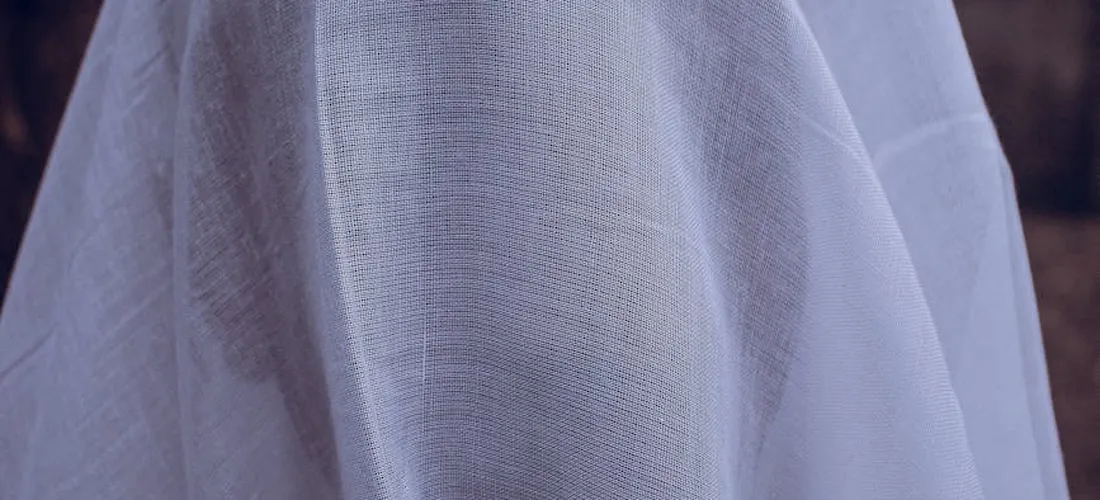
The Kafan is traditionally made from plain, white cotton cloth. Its whiteness symbolizes purity and the equality of all souls before God. There are no pockets, no zippers, and no adornments. This simplicity is a powerful statement of humility, reminding us that we leave the world as we entered it.
For an adult man, the shroud typically consists of three large pieces of cloth. For a woman, it is often five pieces, including a head covering and a loincloth, all maintaining modesty. The cloth is wrapped around the body in layers, secured with gentle ties. For a child, the shroud may be simpler, sometimes a single piece, reflecting their innocence. The cloth feels soft and plain, a final garment of peace.
The Janazah Prayer and the Funeral Service
The Muslim funeral service is centered on the Janazah prayer. This is a collective supplication made for the deceased, offered in silence while standing. It is not a lengthy ceremony but a profound one, where the community gathers to seek mercy for the departed soul.
The prayer is led by an Imam or any knowledgeable member of the community. It consists of specific phrases of praise and forgiveness recited quietly in the heart, followed by audible communal prayers. There are no eulogies or music, just a shared, focused plea for peace. The entire congregation stands in rows, their presence a comfort to the grieving family.
Attendance at the Janazah prayer and the subsequent burial is considered a communal obligation. Friends, extended family, and members of the mosque all come together. This participation is a vital support, physically and spiritually, for those left behind.
A Note on Etiquette: Attending a Muslim Funeral
If you are attending a Muslim funeral, your respectful presence is what matters most. Dress in modest, conservative attire. For both men and women, this means clothing that covers the shoulders and knees. Think of subdued colors and simple fabrics.
When offering condolences, keep your words sincere and simple. You might say, “I am so sorry for your loss,” or “May God grant you patience and peace.” Many Muslims use the traditional Arabic phrase, “Inna lillahi wa inna ilayhi raji’un,” which means “To God we belong and to Him we return.” A gentle handshake or a quiet nod can often convey more than elaborate speeches. Supporting mourners through thoughtful funeral etiquette—like offering practical help and respecting family customs—can bring real comfort. Small acts, such as coordinating meals or rides to services, reinforce your support.
While not a religious requirement, some families choose to publish an obituary to inform the wider community. This is a personal decision, and the service itself remains focused on prayer and burial, not public remembrance.
The Islamic Burial: Graves, Placement, and Qiblah
In Islam, burial is the only permitted method for laying the deceased to rest. This comes from a deep reverence for the human body as a trust from God. Cremation is strictly forbidden as it is seen as a form of disrespect and a violation of that trust.
The belief in physical resurrection on the Day of Judgment also informs this practice. The body is to return to the earth naturally.
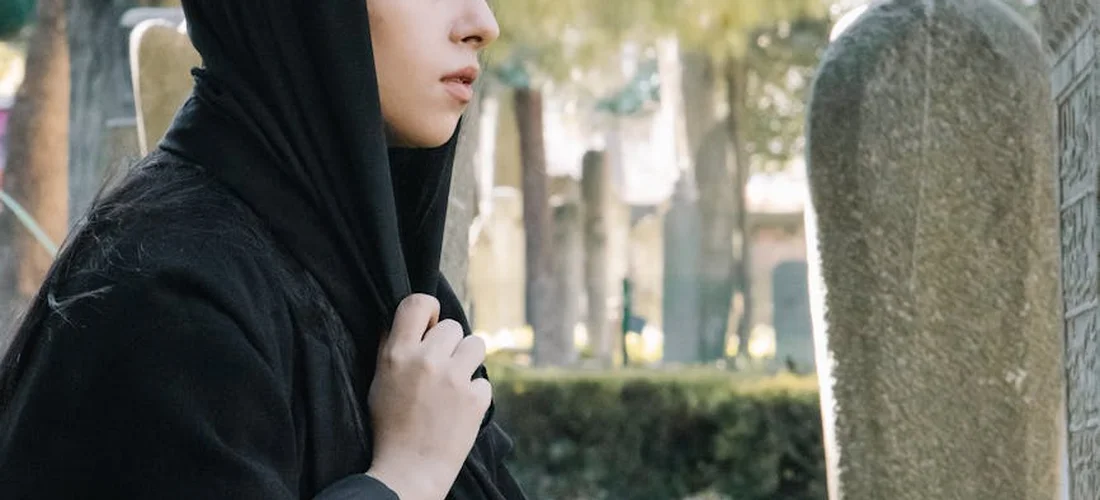
The grave itself reflects the faith’s values of humility and equality before God. It is a simple, dignified plot in the earth. There should be no permanent, raised headstones, no elaborate vaults or concrete liners, and no enshrined decorations.
A simple marker of wood or unadorned stone may be used temporarily for identification. The goal is a return to the earth that avoids ostentation and reminds the living of life’s temporary nature.
The burial is a direct, communal act. After the Janazah prayer, the body is taken to the gravesite. Men from the community lower the deceased into the grave, ideally using their hands or a simple shroud.
The body is placed on its right side. The face is then gently directed toward the Qiblah, the direction of the Kaaba in Mecca. This orientation is a profound spiritual gesture, aligning the deceased in prayer for eternity.
As the soil is returned, those present may recite quiet prayers. A common supplication translates to, “From it we created you, and into it we will return you, and from it we will raise you a second time.” Family and community members often take turns placing the first handfuls of earth.
This shared labor is an act of final service and a powerful, tactile expression of communal support for the bereaved.
Mourning, Condolences, and Continuing Care
The formal period of receiving condolences is known as Ta’ziyah. It typically lasts for three days following the burial. The immediate family stays at home, and the community comes to them.
Visitors offer quiet presence, practical help with meals, and words of comfort. The focus is on supporting the living while remembering the deceased with dignity and prayer. Extended mourning is permitted, but public displays of excessive wailing or lamentation are discouraged.
Words hold great comfort. When offering condolences, simple, sincere phrases are best. You might say, “I pray God grants you patience and comfort,” or “May God have mercy on them and forgive them.” It is important to respect funeral condolence phrases etiquette to ensure your words are comforting and appropriate.
For the bereaved, recommended supplications (Duas) ask for peace, strength, and a lofty place in Paradise for the one who has passed. These prayers are a continuous link of love and mercy.
Visiting the cemetery is a encouraged practice, but it is done with a specific etiquette. It is a time for quiet reflection and remembrance, not for social conversation. One stands at the grave, offers a peaceful greeting to the deceased, and makes a brief supplication for their mercy and forgiveness.
These visits are meant to soften the heart, remind one of the afterlife, and inspire to better deeds.
The funeral for a child is handled with particular tenderness. The rituals are the same, but the emotional weight is acknowledged with profound compassion. The child is washed and shrouded with care.
Islamic tradition holds that children are granted immediate entrance to Paradise. This belief is often gently shared with grieving parents as a source of solace, a reminder that their child is in a state of eternal peace and mercy.
Practical Considerations and Common Terms
In my years of assisting families, I have seen how practical concerns can feel overwhelming during grief. Islamic funeral guidance provides a clear path here, focusing on community and simplicity to ease the burden on the bereaved.
Financial Responsibilities and Community Support
Funeral expenses in Islam are considered a collective responsibility. The primary goal is a dignified burial, not an elaborate display.
Costs should be kept modest. The estate of the deceased is used first to cover funeral expenses. If there are insufficient funds, the responsibility falls to the closest relatives. The wider Muslim community is then strongly encouraged to contribute, ensuring no one is burdened alone.
This system reflects a deep communal spirit. It allows the family to focus on prayer and mourning, comforted by the practical support around them.
A Note on Sunni and Shia Funeral Practices
While the core rituals of washing, shrouding, praying, and burying are shared, there are respectful variations between Sunni and Shia traditions.
These differences are often subtle. They may involve the specific postures during the Janazah prayer or the position of the body in the grave. The shared commitment to a swift, simple, and respectful burial for the deceased is the universal foundation.
If you are assisting with arrangements, the most compassionate action is to ask the family or their local Imam for guidance on their specific tradition. This shows great respect.
A Simple Glossary of Common Terms
These Arabic words are central to Islamic funeral rites. Knowing them can help you understand the process and communicate with care.
Janazah (Janazah Prayer)
This is the Islamic funeral prayer. It is a collective supplication for the deceased’s mercy and forgiveness. Unlike daily prayers, there no bowing or prostration.
Kafan
The simple white shroud used to wrap the body. It is typically made of plain, inexpensive cloth. The Kafan symbolizes the equality of all people before God, as everyone is buried in the same modest garment.
Ghusl
The ritual washing of the deceased’s body. It is performed with great care, privacy, and reverence by knowledgeable Muslims of the same gender as the deceased.
Qiblah
The direction of the Kaaba in Mecca. The deceased is always placed in the grave on their right side, facing the Qiblah. This orientation is a final act of spiritual devotion.
Ta’ziyah
The act of offering condolences and comfort to the bereaved family. It is a highly valued social and religious duty, focusing on quiet presence, sincere prayers, and practical support.
Compassionate Guidance: Your Questions Answered
What are the key Islamic beliefs about death and the afterlife that influence funeral practices?
Islamic practices are rooted in the belief that death is a transition to the afterlife, where the soul is held accountable. The swift, dignified, and simple burial reflects respect for the body as a trust from God and a preparation for the Day of Judgment. These spiritual beliefs shape the funeral rites and mourning practices that accompany death. They place death within a broader divine plan and invite reflection on the meaning of life.
What are the financial responsibilities for funeral costs in Islam?
Funeral expenses are a shared responsibility, first covered by the deceased’s estate (https://thevaledictory.com/pay-funeral-expenses-estate), then by close relatives. The community is strongly encouraged to help, ensuring the family’s burden is lightened during their time of grief.
Are there any recommended supplications (Duas) for the deceased and the bereaved?
Yes, families are encouraged to make heartfelt prayers for the deceased’s mercy and forgiveness. For the bereaved, supplications for patience, strength, and peace are a profound source of solace and connection.
Parting Reflections on Muslim Burial Customs
The single most important guidance is to proceed with a calm urgency, faithfully observing the rituals of washing, shrouding, and prayer. This respectful adherence provides a dignified farewell that honors the deceased and brings solace to the heart.
In all matters of Funeral Care, choosing dignified, eco-friendly options reflects a deep respect for both the departed and the earth. Your gentle attention to evolving Funeral Needs and Funeral Questions is a lasting act of compassionate responsibility.
Emiliana Dieter
Emiliana is an author at The Valedictory. She is an experienced funeral care advisor and arranged and organized many funerals as part of her end of life consulting services. She has over 8+ years in the funeral industry managing her family funeral business and helping families cope with the loss of their loved ones. Her articles answer any and all questions you might have regarding funeral arrangements, costs, preparations, etc so you can make this a seamless experience.