
Casket Burial and Grave Lowering: What Happens During a Funeral Service
The moment a casket is lowered into the earth is deeply significant, and it is natural to have questions about how it unfolds. I am here to guide you through it with care and clarity.
This article explains each part of the burial process, from the final words at the graveside to the gentle settling of the casket. The main topics we will cover include the committal service, the preparation and positioning of the casket, the lowering mechanism itself, the steps taken after the casket is lowered, and the compassionate role of funeral staff.
Key Takeaways: A Gentle Overview of the Process
The journey of a casket burial follows a gentle rhythm, much like the quiet turning of pages in a familiar book.
It begins with careful preparation, moves into a shared service of remembrance, arrives at the final committal at the graveside, and concludes with the physical act of burial. Each of these steps is performed with meticulous care by funeral and cemetery staff, who treat this duty with the utmost respect, especially during the funeral committal services.
I have always found that understanding this flow can soften the sharp edges of the day. Knowing what will happen, and that skilled hands are guiding the process, can offer a small anchor of comfort when everything else feels adrift.
Step-by-Step Checklist: From Preparation to the Graveside
Before the Service
This phase is about laying the groundwork with care and intention.
- You and your funeral director will coordinate all details with the cemetery, confirming the plot location and burial time.
- The casket is prepared and transported to the funeral home or place of service. This is often when a final, private viewing for family occurs, a quiet moment of farewell.
- Pallbearers are chosen, and their role is gently explained to them.
At the Cemetery
The atmosphere shifts to one of quiet reverence as everyone gathers.
- The hearse arrives, followed by the funeral procession. Cemetery staff are already there, having prepared the gravesite.
- The casket is carefully carried from the hearse to the grave, usually placed on a frame called a lowering device. You will see a green cloth, called an artificial grass blanket, laid around the grave to preserve the dignity of the scene.
- Chairs are often provided for the immediate family, creating a small, sheltered space for them.
During the Committal
This is the heart of the burial service, a moment of profound transition.
- The officiant or a family member will speak final words, prayers, or readings. This is the committal service.
- At the designated moment, the funeral director will give a subtle signal. The casket is then slowly and steadily lowered into the ground, a movement that is both solemn and gentle.
- It is common for family members to place flowers or a handful of earth onto the casket, a tactile and emotional gesture of love and release.
After the Service
The formal gathering ends, but the care continues.
- Once everyone has had time to depart, the cemetery staff will complete the burial. They fill the grave and tidy the site.
- The funeral director remains available to you, often following up in the days ahead. Leaving the gravesite can feel wrenching, but it is the beginning of learning to carry your love with you in a new way.
- You will receive information about when the headstone or marker can be placed, a future point of remembrance.
When to Call a Funeral Director: Understanding Professional Roles
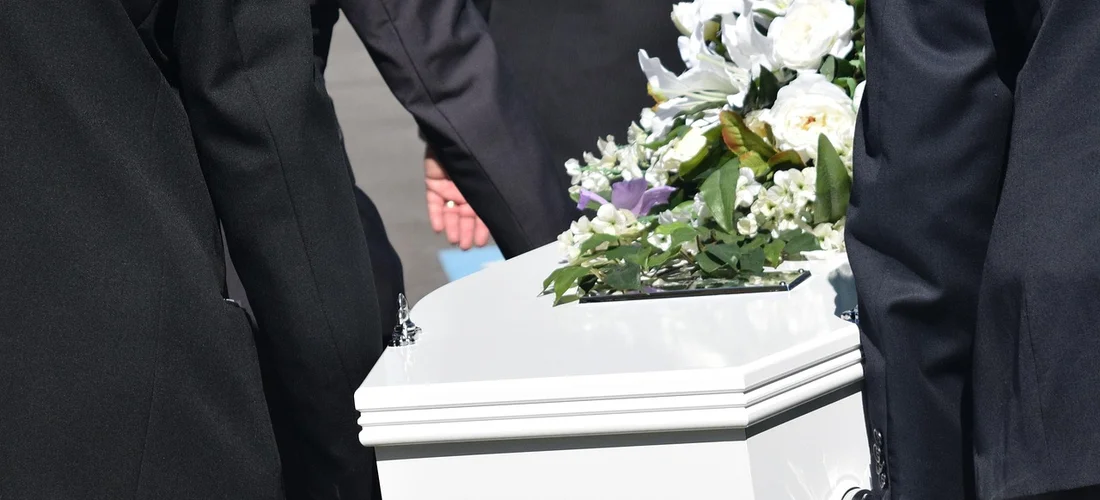
You are not expected to manage the mechanics of a burial alone. A funeral director is a licensed professional who handles the complex and legally required steps. They act as your guide and coordinator, taking on the logistical weight so you can focus on your family. Funeral director roles duties include coordinating with cemeteries or crematories, handling required documentation, and guiding you through service details. Understanding these helps you know what to expect and ensures you have the support you need.
Their work begins with securing the official death certificate and all burial permits. They arrange transportation and are trained in the careful preparation of the body. This preparation is an act of respect, performed with quiet focus to ensure your loved one is presented with dignity.
The funeral director also coordinates closely with the cemetery staff. They confirm the grave location, the time of the committal service, and ensure the burial vault or liner is in place. This partnership is seamless, designed to give you one less thing to worry about on a difficult day. It is just one part of the overall funeral service, wake, and burial process.
Operating the machinery for grave lowering is a solemn task that requires specific training and certification. Cemetery staff handle this with precision and care. This is not a task for family or friends; it is a final professional duty performed with the utmost reverence for the person being laid to rest.
How the Casket is Prepared and Sealed Before Burial
Placing a loved one into the casket is a deliberate and gentle process. We use clean, supportive linens and take care with personal items, ensuring glasses are straight or a favorite shawl rests comfortably. The goal is a peaceful, natural appearance that brings a moment of comfort when you see them.
Most caskets are designed to be sealed. This is typically done at the cemetery, just before the lowering. A funeral director or cemetery worker will secure the lid using an integral locking mechanism or a set of threaded bolts. This seal helps protect the casket’s interior from the elements as it is lowered into the earth.
You will often hear about a burial vault or grave liner. This is an outer container, usually made of concrete or metal, that the casket is placed into. Its purpose is purely practical. The vault supports the earth above, preventing the ground from settling unevenly over time and protecting the casket from the weight of cemetery maintenance equipment. It is a final act of safeguarding the gravesite. In addition, burial vaults protect caskets from moisture and soil pressure, helping preserve their condition over time. This protective role is why vaults are a standard component of modern burials.
All these steps, from the soft lining of the casket to the solid vault, are about care. They are small, physical acts of protection that honor the person and the place where they will rest.
What Happens During the Graveside Service and Committal
After the processional to the gravesite, family and guests gather around the open grave. They stand before a green cloth, called artificial turf, that drapes the piled earth. Chairs are often provided for immediate family.
The officiant, perhaps a clergy member or celebrant, will offer final words. These are usually brief prayers, readings, or personal reflections. The mood here is quiet and focused, a collective holding of breath.
The central moment is the committal. This is the formal act of committing the body to its final resting place. It is a physical and symbolic threshold, marking a profound transition for everyone present.
The Meaning of the Committal Words
The spoken committal serves a clear, vital purpose. It provides a recognized, dignified frame for an almost unspeakable moment. The words, whether traditional or personal, give shape to the goodbye.
This part of the service often brings the weight of finality into sharp, emotional focus. Hearing “earth to earth, ashes to ashes” or a simple “we now commit” can make the loss feel newly real. It is okay for tears to fall here; they are a natural part of the ritual’s release.
How Caskets are Lowered into the Ground
The casket rests on a metal frame called a lowering device over the grave. Cemetery staff, standing discreetly to the side, manage this process. They are unseen guides at this pivotal time.
The device uses a system of straps or a crank to lower the casket. The motion is smooth, controlled, and almost silent, a deliberate act of care. There is no jarring movement, only a gentle, steady descent. The staff ensure the casket is level and centered, treating it with utmost respect until it rests at the bottom.
What Guests Can Expect to See and Do
Guests typically remain standing throughout. It is common for the officiant to invite people to participate in a final gesture. You may be asked to place a single flower from your lapel onto the casket, or to gently toss a handful of soil onto it.
This act is rich with meaning. It is a tactile, personal contribution to the ritual of burial. After this, the officiant will offer a closing benediction or word of comfort.
When the service concludes, people usually linger for a moment of quiet, then slowly begin to depart, often offering soft words to the family. The immediate family may have a few more private moments at the graveside before the cemetery staff completes the burial.
How Burial Practices Can Vary
Procedures can differ between cemetery types. At a national or military cemetery, the service may be more structured, with precise timing and honors conducted by a honor guard. A private family plot may allow for a less formal, more prolonged gathering.
Customs vary deeply by culture, religion, and personal wish. Some traditions involve immediate burial after a brief prayer, while others include elaborate ceremonies at the graveside. The family’s chosen funeral director coordinates all these details to honor specific requests.
Burial does not always mean in-ground. For entombment in a mausoleum, the casket is wheeled on a church truck into the building’s interior. It is then carefully sealed within a wall crypt or placed in a private room, a process called “inurnment” for cremated remains or “entombment” for a casket. These are above-ground burial options that provide an alternative to traditional in-ground burial.
Caring for the Site and Yourself Afterward
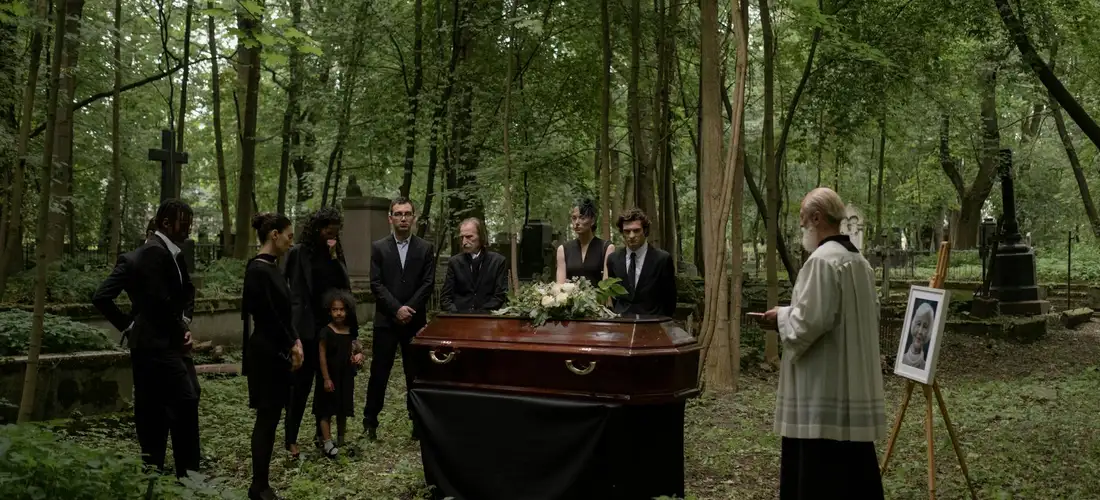
After the final words are spoken and guests begin to depart, a quiet shift occurs at the gravesite. The funeral staff or cemetery workers remain. They begin the careful process of backfilling the grave, replacing the earth to restore the landscape. You might hear the soft, rhythmic sound of soil being moved, a solemn conclusion to the day’s rites. A temporary marker, usually a simple stake with a nameplate, is placed to identify the location. This work is performed with reverent precision, honoring the space where your loved one now rests.
The temporary marker serves as a placeholder, often for several months. Permanent headstones or monuments take time to design, craft, and install. The ground itself needs time to settle naturally; this prevents the stone from shifting or sinking later on. I typically suggest families wait at least three to six months before the final installation. This pause is a practical necessity, giving you space to consider the perfect lasting tribute without rush.
When the service ends, a deep fatigue often sets in. You have carried so much. Please, be gentle with yourself in the hours and days that follow. There is no need to push forward immediately. Sit quietly. Let the memories, both sweet and sorrowful, simply be. True healing often begins in these still moments of rest, when the heart has room to breathe.
Frequently Asked Questions
Who is responsible for lowering the casket, and how is it done?
Trained cemetery staff operate the lowering device with quiet dignity, ensuring a smooth and controlled descent. This is a solemn professional duty performed with the utmost care and respect for your loved one.
What is expected of the family during the committal and lowering?
You are simply present to witness this final act of love; there is no obligation to do anything. If you wish, you may participate by placing flowers or earth onto the casket as a personal gesture of farewell.
What happens at the gravesite after everyone has left?
Cemetery staff will then complete the burial, backfilling the grave and tidying the site with reverence. This allows the immediate family to depart without witnessing this final physical step, knowing the task is in compassionate hands.
Parting Reflections on Casket Burial and Grave Lowering
The single most important step is to share your wishes for the burial service openly with your family and funeral director. Clear communication transforms the procedures of casket burial and grave lowering from a series of tasks into a meaningful, respectful farewell. This also eases the challenges faced by funeral directors in managing the process.
I encourage you to consider dignified, eco-friendly options as part of your journey with Funeral Care. Your continued learning about Funeral Needs and your gentle Funeral Questions are a profound act of love and responsibility.
Emiliana Dieter
Emiliana is an author at The Valedictory. She is an experienced funeral care advisor and arranged and organized many funerals as part of her end of life consulting services. She has over 8+ years in the funeral industry managing her family funeral business and helping families cope with the loss of their loved ones. Her articles answer any and all questions you might have regarding funeral arrangements, costs, preparations, etc so you can make this a seamless experience.