
Eulogy vs. Obituary: A Compassionate Guide to Their Key Differences
When you are faced with honoring a loved one, the words “eulogy” and “obituary” may blur together in your grief, but they serve distinct and important roles.
This article will clarify their unique purposes to help you navigate this tender time. We will gently compare:
- The personal, spoken tribute of a eulogy
- The public, written notice of an obituary
- How their tone, audience, and timing fundamentally differ
- Thoughtful approaches to writing each one
Key Takeaways: A Compassionate Summary
It is very common to feel confused about these terms when you are grieving. Please do not worry if you have mixed them up.
The core difference is this: a eulogy is a spoken, personal tribute for the mourners gathered, while an obituary is a written, factual notice for the broader community. When you’re writing a loved one’s obituary, you balance respect with accuracy to tell their life story for the wider community. In the next steps, you’ll find linked resources to help with templates and wording.
One is not more “right” than the other. Each fulfills a different and valuable role in honoring a life.
I often hear words confused. A eulogy is not an elegy, which is a specific poem of mourning. An obituary is not a full biography; it is a concise record of a life’s key facts.
Defining Their Essential Roles: Purpose and Tone
Their primary purposes are distinct, and understanding this can bring clarity. A eulogy exists to comfort. An obituary exists to inform.
A eulogy aims to console, celebrate, and share memories with those who are grieving together in the same room. It is about the heart.
An obituary aims to notify the community of a death and relay the essential details of a person’s life and services. It is about the facts. Understanding its definition, purpose, and origin helps explain why obituaries exist. This background clarifies how they serve families and communities.
The tone of a eulogy is intimate, emotional, and built on personal stories. You might hear a voice catch with feeling. The tone of an obituary is respectful, factual, and formal, like the sight of dignified print in a newspaper.
What Is the Heart of a Eulogy?
People frequently ask me, “What is the primary purpose of a eulogy?”
The heart of a eulogy is communal healing through personal remembrance. It allows a family to laugh through tears at a shared memory, making the weight of loss feel a little more bearable together.
Its true power comes from the human voice and the shared silence that follows a story. It is a live act of love.
What Is the Function of an Obituary?
Another common question is, “What is the primary purpose of an obituary?”
Its function is grounded in practical duty. An obituary formally announces a passing, provides funeral service details, and records family lineage.
It also serves quietly as a historical record. Years from now, a grandchild may find it to learn where their grandmother was born or what she loved.
The Setting and Reach: Where They Appear and Who Hears Them
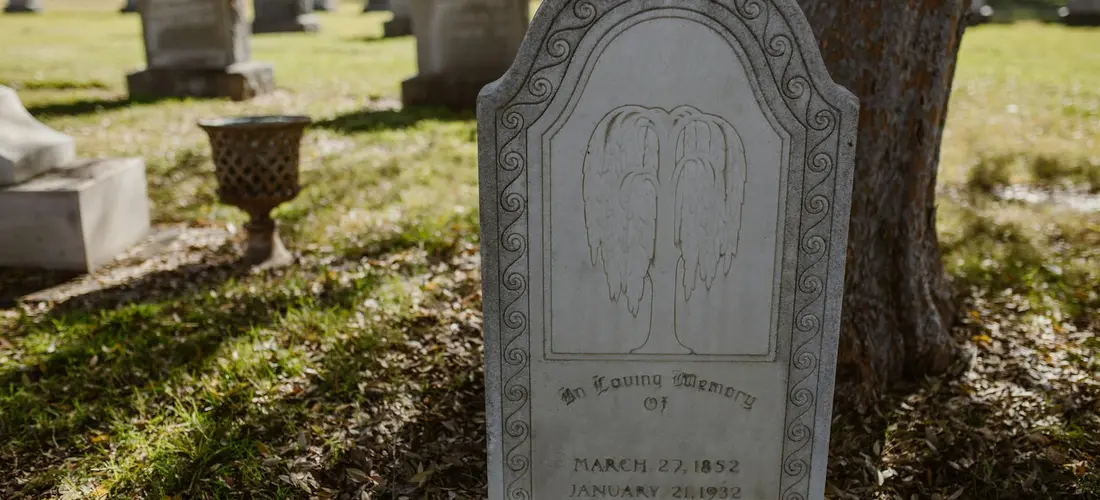
The difference between a eulogy and an obituary can be felt in the very air of the spaces they occupy. One is a shared breath in a quiet room. The other is a note sent out into the world.
A eulogy lives in a moment of gathered remembrance. An obituary exists as a lasting record, a public mark of a life completed.
The Intimate Circle of a Eulogy
Where is a eulogy typically delivered? It is spoken at a funeral service, a memorial gathering, or a virtual ceremony that brings loved ones together. The setting is almost always a room filled with people who knew the person who died.
You might see familiar faces, tissues clasped in hands, and hear the soft sounds of shared grief. The audience is intimate, bound by personal loss and memory.
The usual audience is a community of mourners who carry their own stories about the person you are honoring. You speak to people who recognize the truth in your words because they lived parts of the story, too.
The Public Notice of an Obituary
Where is an obituary typically published? It appears in a local newspaper, on a funeral home’s website, or on an online memorial platform. Its purpose is to inform a broader community. Unlike death notices, obituaries provide a detailed account of the deceased’s life and legacy.
Who is the usual audience? It reaches far beyond the inner circle of grief. An obituary informs distant friends, old colleagues, and acquaintances who might otherwise not know of the passing.
It serves as a formal notice to the wider world. This allows people who cared from a distance to pay their respects or simply to know a chapter has closed.
Crafting the Tribute: Content, Length, and Who Writes It
When you are asked to write one of these tributes, knowing their core differences provides a clear path forward. Their purpose shapes everything from the words you choose to the time they take.
Writing a Eulogy: A Personal Act of Love
Who usually writes and delivers a eulogy? It is almost always a close family member or a dear friend. You are chosen because of the unique bond you shared.
What kind of personal details are included? Focus on character and story. Think of a kindness they showed, a funny habit they had, or a lesson they taught you through example.
Aim to share a few heartfelt stories that reveal their spirit, rather than a list of every life event. A good eulogy is brief, often just three to five minutes when spoken aloud.
Your voice may shake. That is okay. The emotion within it is part of the tribute. Speak your love plainly. That is more than enough.
Writing an Obituary: A Factual Record of a Life
Who usually writes an obituary? Family members typically draft it, often with helpful guidance or a template from the funeral home. It is a collaborative act of documentation.
What kind of factual details are included? It follows a more structured form. Key components are the full name, dates of birth and death, and surviving family members.
You will also list notable accomplishments, career milestones, and the details of any upcoming service. For reference, you can review write structure obituary examples to see common formats and placements. This will help ensure your obituary follows a clear, standard flow. An obituary is a concise written notice, usually a paragraph to a short column in length, that provides the essential who, what, when, and where.
It can, and often does, end with a gentle sentence that summarizes the person’s character or a cherished belief. This brief touch of heart transforms a notice into a tribute.
A Note on Etiquette and a Personal Reflection
Before you write, it helps to know the social expectations for each tribute. Here is some guidance, followed by a thought from my own experience.
Etiquette: Understanding Privacy and Expectation
People often wonder about the audience for these words. Is a eulogy public or private? What about an obituary?
A eulogy is generally a private tribute shared with those gathered for the service. It lives in the room, in the moment of shared memory. Its power comes from the intimacy of being spoken directly to a community of mourners. Today, eulogies are sometimes recorded or shared online, which extends that community. Still, its primary audience is those who knew and loved the person.
An obituary is a public notice by its very nature. It is published for the community to see. Because it is public, you have complete control over how much personal detail you include. You can list just the facts of a life, or you can paint a fuller, more personal picture. The choice is yours. Consider whether you want a traditional, modern, or personal tone in the obituary. That choice shapes how the story is told.
You may receive requests for copies of a eulogy or suggestions for an obituary. Handle these gently. It is perfectly fine to share a eulogy text with a close friend who could not attend. For an obituary, you are not obligated to include every detail someone suggests. A simple, “Thank you, we’ve finalized the notice,” is a kind and firm reply.
A Personal Perspective: Finding the Right Words
In my years of listening, the most moving tributes are often the simplest. I remember a daughter speaking about her father. She did not list his achievements. She told one story about him teaching her to ride a bike, his hand on the seat, then letting go. The entire church understood the man in that single memory.
I have also seen the quiet comfort a well written obituary provides. It is a record. It says, “This person was here, and they mattered.” In the blur of early grief, that printed notice can feel like an anchor. It gently tells the truth of a life. A print publish obituary guide can help turn that truth into a respectful notice. It offers practical steps on wording, timing, and placement.
If you are tasked with writing either one, please be kind to yourself. Do not search for perfect words. Search for true ones. A few honest sentences about a life lived are always more powerful than grand language that feels empty. Your intention to honor someone is what truly matters.
Compassionate Answers to Common Questions
How long should a eulogy or obituary typically be?
A spoken eulogy is usually between three to five minutes, focusing on a few heartfelt stories. An obituary is typically a concise written notice, ranging from a paragraph to a short column in length.
Who is responsible for writing a eulogy or an obituary?
A eulogy is most often written and delivered by a close family member or friend chosen for their personal connection. An obituary is usually drafted by the family, frequently with the supportive guidance of the funeral home.
Is one considered more private than the other?
Yes, a eulogy is fundamentally a private tribute shared intimately with gathered mourners. An obituary is a public notice, published to formally inform the wider community of a passing and service details, often confused with funeral notices.
Parting Reflections on Personal and Public Words
The single most important piece of advice is to see the eulogy as a gift of spoken memory for the heart, and the obituary as a written record for the community. One offers comfort in a shared moment, while the other provides a dignified notice for all time. For those planning a service, an obituary eulogy program guide can align spoken tributes with the written notice. That guide provides a practical roadmap for coordinating speakers and program details.
Honoring a life extends beyond these tributes to include dignified, practical care in all funeral matters. I encourage you to continue learning about funeral needs and questions, considering eco-friendly options as part of a compassionate, responsible approach.
Emiliana Dieter
Emiliana is an author at The Valedictory. She is an experienced funeral care advisor and arranged and organized many funerals as part of her end of life consulting services. She has over 8+ years in the funeral industry managing her family funeral business and helping families cope with the loss of their loved ones. Her articles answer any and all questions you might have regarding funeral arrangements, costs, preparations, etc so you can make this a seamless experience.