Respecting Native American Burial Grounds: Laws, Protocols, and Compassionate Guidance
When you encounter Native American burial sites or remains, feelings of reverence and concern often arise together. I have navigated these moments with families and professionals, balancing legal duty with heartfelt respect.
This guide will help you understand the required actions and ethical considerations. It explains key federal laws like the Native American Graves Protection and Repatriation Act (NAGPRA), outlines immediate response protocols, and emphasizes continuous cultural sensitivity.
Key Takeaways for Respect and Care
At the federal level, the guiding law is the Native American Graves Protection and Repatriation Act, known as NAGPRA. It requires museums and federal agencies to return human remains and sacred objects to tribes. More than a rule, it establishes a process of consultation and repatriation that honors cultural continuity.
Every discovery is treated with the gravity of a modern gravesite. Under the law, these are not archaeological artifacts but ancestors and belongings. They are afforded the dignity and protection we would expect for any person laid to rest.
If you suspect you have encountered remains or a burial ground, the immediate response is simple. You stop all work in that area. Do not attempt to move or examine anything. This pause is the first and most profound act of respect you can offer. Then, you contact the proper authorities.
Many states have their own laws protecting unmarked burials, which can be even more stringent. These state statutes work in concert with federal law, creating a network of protection for sacred ground. Knowing both is part of responsible stewardship in legal and ethical burial practices.
Necessary Paperwork and Information
Navigating this process involves specific documents. Having them at hand brings clarity and shows good faith.
The foundational text is the Native American Graves Protection and Repatriation Act itself. Reading its provisions helps you understand the legal framework and the rights it affirms. It transforms a complex situation into a defined pathway for resolution.
Museums and federal agencies publish “Notices of Inventory Completion” in the Federal Register. These are formal listings of cultural items available for repatriation. For families and tribes, these notices are more than paperwork; they are a map for bringing ancestors home.
You must also research your state’s burial preservation laws. Often called “unmarked burial” or “human remains” statutes, they detail local procedures for discovery and excavation. This local layer of law is where theory meets the reality of the land. That’s where cemetery plot burial regulations come into play; they govern plot ownership, interment rights, and cemetery record-keeping. Understanding them helps align legal requirements with practical burial procedures.
The most critical information is who to call. Your first contacts should be your State Historic Preservation Office (SHPO) and the relevant Tribal Historic Preservation Office (THPO). These offices are not just regulators; they are partners in achieving a respectful outcome. They hold the knowledge and relationships to guide the next steps with care.
When to Contact a Professional or Authority
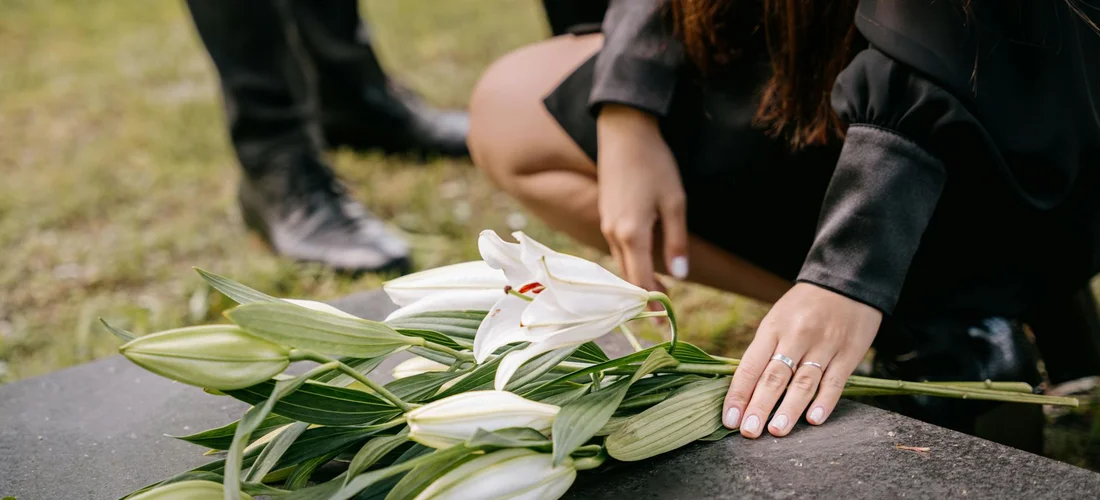
If you uncover what might be human remains or burial objects, you must stop all activity immediately. This is not just a precaution. It is a legal and ethical duty to protect what could be someone’s final resting place.
Call local law enforcement or the county coroner first. They will confirm the discovery and begin the official process. Do not attempt to move or clean any items you find. Even the gentlest touch can disturb a sacred context.
An archaeologist or a funeral director with experience in cultural care will likely be called to the site. Their role is to assess the situation with a trained, respectful eye. They help determine the next steps while preserving as much dignity as possible.
Consultation with recognized Tribal representatives is a legal requirement, not a polite suggestion. Federal and state laws mandate that affiliated tribes are contacted to guide the handling of their ancestors. Their spiritual and cultural guidance is central to any resolution.
For questions about land development or purchasing property, talk to a lawyer who specializes in cultural heritage law. They can help you navigate the complex layers of federal, state, and tribal regulations before any work begins.
Understanding the Core Federal Law: NAGPRA
The Native American Graves Protection and Repatriation Act, or NAGPRA, is the cornerstone of this protection. In simple terms, it is a law that recognizes the right of tribes to reclaim their ancestors and sacred items.
It serves two main purposes. First, it requires museums and federal agencies to return Native American human remains, funerary objects, and other sacred items to culturally affiliated tribes. Second, it provides a process for protecting newly discovered sites on federal or tribal lands.
Key terms in this law are often misunderstood. “Cultural affiliation” means a shared group identity that can be traced historically or geographically between present-day tribes and their ancestors. Think of it as establishing a family connection across centuries.
“Repatriation” is the formal act of returning ancestors and belongings to their people. It is not a simple transfer of objects. It is a spiritual homecoming, a correction of historical wrongs.
New regulations in 2024 significantly strengthened NAGPRA. They prioritize tribal consent and knowledge, requiring institutions to defer to Native American traditional knowledge in their processes.
How State Laws Work With Federal Protection
NAGPRA sets a national baseline, but many states have their own laws protecting unmarked burials. These often apply to private and state lands, filling gaps in the federal law. State rules can be stricter, offering more immediate protection.
You must research your specific state statutes, as the answer to whether you can build on a site varies locally. State historic preservation offices are the best resource for this information. What is allowed in one state may be prohibited in another.
California, for example, has a detailed process handled by the Native American Heritage Commission. In Washington State, any discovery triggers a strict protocol involving the Department of Archaeology and Historic Preservation and affected tribes. These processes emphasize stopping work and consulting tribes from the very first moment.
If You Discover Remains or a Possible Burial Site
If you see bone fragments, unusual stones, or artifacts in the ground, it can feel startling. Your mind might race. The first thing to do is to still that feeling. You are now in a place of great responsibility.
Follow these steps calmly and precisely.
- Stop all activity immediately. Halt any digging, construction, or walking over the area.
- Secure the site. If possible, rope off the area or mark it clearly to prevent disturbance. Do not try to clean, move, or examine anything. Even moving a single stone can destroy critical information.
- Do not remove anything. This includes bones, pottery shards, or any other object. Their original placement is sacred and legally protected.
Your first call should be to local law enforcement or the county coroner. They are trained to secure a scene and determine if the remains are part of a recent investigation. Once they confirm the remains are archaeological, they will contact other authorities. Where appropriate, archaeologists and tribal representatives may be involved to locate ancestral burial sites and document them. Any follow-up should proceed under legal and ethical guidelines to protect cultural heritage.
You or the authorities must then notify the State Historic Preservation Office (SHPO). The SHPO acts as a central coordinator. They know the laws and, most importantly, which Tribal nations to contact.
Some people whisper about places being cursed or haunted. I have heard this fear many times. It often stems from a deep, unspoken understanding that a sacred place has been wronged.
This is not about supernatural fear; it is about the profound disturbance of a resting place. The feeling you may sense is a call for respect, not a threat. Your actions now are about answering that call with dignity.
When you speak to authorities, be ready to give clear information. Describe the exact location. Note what you saw and the context, like whether it was found during gardening or construction. Your calm, detailed account is the first step toward proper care.
How to Find Records or See If You Live on a Burial Ground
Many people feel a quiet curiosity about the land beneath their home. They wish to honor its full history. This research must be done with a gentle and respectful hand.
Begin by reaching out to your local Tribal Historic Preservation Officer (THPO). If you are unsure which nations are connected to your area, your State Historic Preservation Office can guide you. Tribal historians hold deep knowledge not always found in public records.
Your county historical society or local library archive is another good place. Look for old maps, land deeds, and settler diaries. These can sometimes note the presence of mounds or known gathering places.
Searching for “how to find indian burial mounds” often leads to forums suggesting metal detectors or probes. Please do not do this. Using detection equipment or digging on suspected grounds is not harmless exploration. It is a violation that can damage sacred sites and break state laws.
Remember, ancestral lands are everywhere, now held as private farms, backyards, and public parks. Your inquiry should be sensitive. You are asking about someone’s family, not just property history. A simple, respectful letter to a Tribal office or a visit to a historical society shows you care about more than just facts.
The Essential Protocol of Tribal Consultation
Laws like the Native American Graves Protection and Repatriation Act (NAGPRA) mandate consultation. But think of this as more than a box to check. It is the opening of a conversation that was denied for generations.
Consultation is, at its heart, a respectful conversation with the direct descendants of those who rest there. It acknowledges that Tribes are not stakeholders, but relatives. They hold the authority on how their ancestors are cared for.
Every Tribal nation has its own protocols, songs, and ceremonies for this work. Some may require specific medicines to be present. Others may need to conduct prayers before any soil is moved. The process is not uniform, and it should not be.
From an Indigenous perspective, these are not artifacts or specimens. They are grandfathers, grandmothers, and children. Their spirits are connected to the land and to their living relatives. Proper care is an act of spiritual necessity and emotional healing for the entire community.
This process is a pathway to justice and healing. It corrects a historical wrong by returning the authority to the people who have always held it. Compliance with the law is the baseline. True respect is shown through patience, listening, and honoring the protocols of the families who have come home.
For Property Owners and Construction Projects
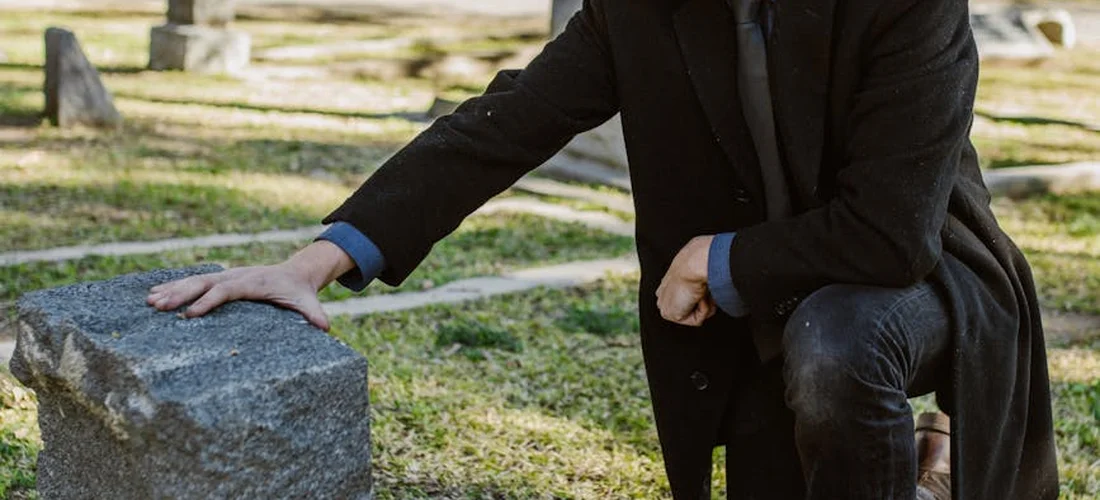
If your land includes or is near a known protected burial site, building on it is highly restricted. In most cases, it is completely prohibited. These places are not just plots of dirt; they are sacred, final resting places protected by federal and state law, especially when they are historical burial site properties.
Before any ground-breaking occurs in an area of potential sensitivity, an archaeological survey is a legal necessity, not a suggestion. This involves trained professionals carefully examining the land for signs of past human activity. Investing in this due diligence from the start is the most respectful and legally sound path forward.
If human remains or burial artifacts are discovered, all work must stop immediately. The legal process that follows is designed for reverence, not rush. Potential outcomes include:
- Redesigning the entire project to avoid the burial site entirely.
- A carefully supervised removal and relocation of the remains by archaeologists and affiliated Tribal representatives, following strict protocols.
- Preserving the remains in place, which may mean permanently protecting that area of your property.
Your most important step is to consult with cultural resource management (CRM) professionals during the earliest planning stages. These experts act as a bridge, helping you navigate the complex legal landscape while honoring profound cultural obligations. They can help design a project that respects the past and meets your needs.
Handling Cultural Items and Artifacts
It’s common to find stone flakes or an isolated arrowhead on the surface of a field. These scattered items typically have different legal guidelines than objects from a burial. They are fragments of daily life, not of death like those found in actual burial sites.
The moment changes if an object is found with or near human remains. A pot, a bead, a tool placed with a person-these are burial offerings. Any item in direct association with remains falls under the strictest protection laws and must be treated with the same reverence as the bones themselves.
If you discover any object you suspect is ancient or culturally significant, your role is to be a protector, not a collector. Note the location as best you can, and if possible, place a gentle marker nearby. Do not clean it, move it, or try to remove it from the ground.
Report the find immediately to your state’s historic preservation office or the local office of the Bureau of Land Management or U.S. Forest Service if on public land. By reporting quickly and minimizing handling, you preserve both the artifact’s scientific value and its profound cultural integrity.
Compassionate Guidance for Funeral Care Questions
What should I do if I suspect my private property contains a burial ground?
First, pause any planned activity and contact a professional for a cultural resource assessment. Working with an archaeologist or cultural resource manager is the most respectful and legally sound first step to understand your obligations.
As a funeral director, how should I approach a suspected burial site?
Your role is one of immediate stewardship: secure the area and contact the county coroner and State Historic Preservation Office without delay. Your training in dignified care aligns perfectly with the protocol to preserve the site with the utmost respect until tribal authorities can guide the process. Following culturally appropriate practices is essential in such situations.
How are everyday artifacts different from protected burial items?
An isolated object found on the surface may be a fragment of history, but any item placed as a burial offering is legally and spiritually part of the gravesite. If discovered together, all associated materials must be left undisturbed and reported immediately to protect the sanctity of the resting place, regardless of burial methods or traditions.
Parting Reflections on Native American Burial Protocols
Always consult with tribal authorities and adhere to laws like the Native American Graves Protection and Repatriation Act. This respectful approach honors both the legal framework and the profound cultural significance of these sites and remains.
In your Funeral Care journey, let dignified stewardship and eco-conscious choices guide your Funeral Needs with sincerity. Continue to explore Funeral Questions with a compassionate heart, fostering greater respect for these sacred traditions.
Emiliana Dieter
Emiliana is an author at The Valedictory. She is an experienced funeral care advisor and arranged and organized many funerals as part of her end of life consulting services. She has over 8+ years in the funeral industry managing her family funeral business and helping families cope with the loss of their loved ones. Her articles answer any and all questions you might have regarding funeral arrangements, costs, preparations, etc so you can make this a seamless experience.