
Funeral Attire and Color Traditions in Chinese, Hindu, Sikh, Buddhist, Vietnamese, Hmong, Cambodian, Japanese, and Korean Cultures
Choosing what to wear to a funeral can feel heavy with worry, especially when honoring a tradition new to you. I want to help you approach this with a calm and respectful heart.
This article provides a gentle overview of key customs across these cultures. We will explore the specific attire and color traditions for:
- Chinese funeral attire and colors
- Hindu funeral attire and colors
- Sikh funeral attire and colors
- Buddhist funeral attire and colors
- Vietnamese funeral attire and colors
- Hmong funeral attire and colors
- Cambodian funeral attire and colors
- Japanese funeral attire and colors
- Korean funeral attire and colors
Key Takeaways: Compassionate Guidance at a Glance
Across the cultures you’ve asked about, you will most often see the colors of mourning expressed in white, black, and soft, muted tones. The starkness of black conveys solemnity, while white can symbolize purity, peace, or the transition of the spirit. These colors create a visual harmony of respect in the quiet space of a funeral.
The primary intent behind any funeral attire tradition is always to show respect for the deceased and their grieving family. I have seen how the simple act of dressing thoughtfully can be a silent, powerful gesture of support. It says, without words, that you honor the person who has died and the pain of those left behind. Understanding the meaning behind funeral attire as a tradition can guide your choices with care. It is a quiet, shared custom that honors both the deceased and those left behind.
When you are unsure of the specific custom, choosing simple, conservative, and dark-colored clothing is a universally safe and respectful choice. A plain dark suit or a modest dark dress seldom feels out of place. This approach shows you have made a conscious effort to fit in with the somber mood.
It is vital to remember that traditions can vary greatly not just by culture, but by region, family, and individual belief. What is standard in one Hindu community may differ in another, and personal modern choices are becoming more common. Your mindful intention will always be appreciated.
A Note on Etiquette: Your Presence is What Matters Most
If you are ever uncertain about what to wear, asking the family or the funeral director for guidance is always appropriate and considered a sign of respect. I have always advised people that a gentle question shows more care than a well-meaning but potentially awkward guess. They will appreciate your desire to get it right.
The universal foundation of funeral attire is modest, clean, and non-distracting clothing. Think of clothing that covers shoulders and knees, in fabrics that do not rustle loudly or shine brightly. This universal modesty is a clear signal that you are there to focus on remembrance, not on yourself. For funeral attire etiquette clothing, keep to muted colors and minimal accessories to maintain a solemn, respectful presence. Avoid bright prints or flashy jewelry.
This context helps answer specific questions, like whether you can wear new clothes to a funeral in Taiwan. In some Chinese traditions, wearing brand-new clothing to a funeral might be avoided, as it could be seen as inappropriate for a somber occasion or attracting the wrong kind of attention. When in doubt, opting for clean, pressed, but not conspicuously new attire aligns with the principle of respectful modesty.
Generally, avoid overly casual items like shorts, flip-flops, or loud graphic t-shirts. This falls under the dress code for respectful attendance, a key element of casual funeral attire etiquette. Unless it is explicitly part of a specific cultural tradition, attire like a few thongs at a Hawaiian funeral would be a distracting misstep. Your goal is to blend in with reverence, not stand out. Your sincere presence, clothed in simple respect, is the greatest comfort you can offer.
Personal Perspective: A Quiet Reminder
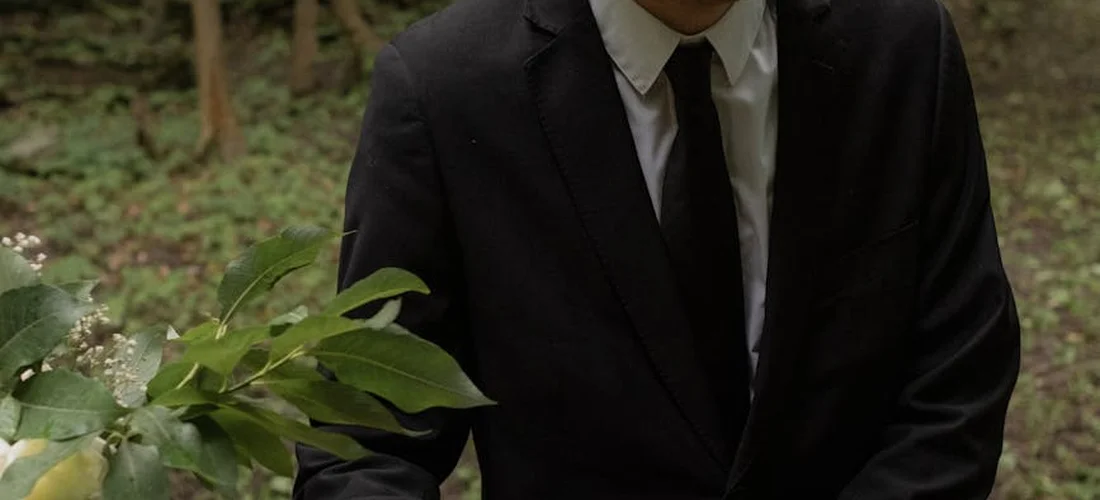
I remember a Chinese funeral where the family wore coarse white hemp. The sound of that fabric, a soft rustle with every movement, filled the quiet space. It was a visible bond, a shared texture of grief that comforted me as much as it honored the one who had passed.
That experience taught me how attire can hold a community’s sorrow. The specific color or cloth becomes a silent agreement, a way to say, “I am with you,” without speaking a word. Getting the attire right is a thoughtful act, a tangible sign of your respect for both the departed and the living.
Yet, I have also seen the anxiety in a guest’s eyes, worried their clothing is not perfect. If you have that fear, please set it aside. Your compassionate presence is the true gift you bring to a grieving family. They will remember you came, not the minor details of what you wore.
Funeral Attire and Color Traditions in Chinese Culture
Do Chinese people wear white to funerals? Yes, traditionally. While black is common in Western cultures, white has long been the color of mourning in China. It represents the profound loss and the void left behind. Understanding these customs can be important when attending Chinese funeral traditions and ceremonies.
Typical mourning clothes for close family are simple and somber. You may see white hemp or burlap robes, which are coarse and undyed. Family members might also wear white headbands or black armbands. The rough texture of the fabric is a physical symbol of grief, reflecting the inner rawness of loss.
In modern settings, especially among diaspora communities, you will also see dark suits and dresses. This blends traditional respect with contemporary norms. A specific custom in Taiwan involves wearing new clothes after the mourning period ends. This act symbolizes a fresh start and stepping back into daily life, carrying the memory forward.
Colors and Their Meanings
White holds deep meaning. It symbolizes purity, the ascent of the spirit, and the emptiness that follows a death. It is not a color of fear, but one of reverence for the passage.
Red is almost always avoided at funerals and during mourning. Red is the color of joy, celebration, and good fortune in Chinese culture, making it deeply inappropriate for a somber occasion. Wearing red could be seen as deeply disrespectful to the grieving family.
Regional and Modern Variations
Practices can vary. In mainland China, traditional white is still prevalent in many areas, particularly in formal rituals. In Hong Kong and among overseas Chinese communities, dark Western-style attire is very common, showing a fusion of influences.
The core principle remains respect for the deceased and their family. When in doubt, opting for modest, dark, and conservative clothing is always a safe and respectful choice across all variations.
Funeral Attire and Color Traditions in Hindu Culture
Yes, Hindus do wear white to funerals. This practice is also common among many Indians across different regions. White is the traditional color of mourning and purity in Hindu culture, representing a peaceful transition for the soul.
Immediate family members will often wear simple, plain white clothes for the funeral rites. This plain attire is typically worn for a period of time after the funeral as well, reflecting their ongoing grief and dedication.
Other attendees are expected to dress conservatively. While white is most respectful, muted colors like off-white, beige, or light gray are also generally acceptable for guests.
Attire for the Rituals
During the key rituals, family members may wear specific traditional garments. For men, this is often a simple white dhoti. For women, it is a plain white sari. These garments are frequently unstitched or made from humble, plain cloth, symbolizing a temporary renunciation of worldly complexity.
All ornaments and jewelry are removed. This removal is a profound sign of respect, shifting focus from outward appearance to inner reflection and the solemnity of the occasion. I have seen how this simple act can bring a family together in shared, quiet devotion.
Funeral Attire and Color Traditions in Sikh Culture
In Sikh funerals, you will see white as the predominant color. White clothing represents purity and peace, directing our thoughts to the soul’s journey rather than earthly loss. It creates a serene atmosphere for remembrance.
Modesty and simplicity guide every choice in attire. The focus is on humility, reflecting a belief that the soul is transitioning to a higher plain. Fancy or bright clothing can feel out of place during this sacred time.
For both men and women, this means conservative, clean, and covered clothing. Men often wear simple white kurta-pajamas or a plain suit, and women choose modest salwar kameez or dresses with long sleeves and hemlines. The fabric should be neat, without flashy patterns or accessories.
The Importance of the Turban and Head Covering
Head coverings are a profound sign of respect in Sikh practice. Men attending a funeral will wear a white turban or a head covering, and women will use a scarf, known as a dupatta, to cover their heads. This act honors the sanctity of the soul’s departure.
If you are attending a Sikh service, please remember to cover your own head. Inside the Gurdwara or any funeral venue, keeping your head covered is a necessary gesture of reverence. I often suggest carrying a simple scarf or hat, as it shows your deep care for the family’s traditions during their grief.
Funeral Attire and Color Traditions in Buddhist Culture
Buddhist funeral customs are not uniform. They differ significantly between traditions like Theravada, common in Southeast Asia, and Mahayana, found in East Asia. For those organizing a ceremony, a Buddhist funeral service guide can help navigate these differences and plan respectfully. It offers practical steps that honor both regional and familial customs.
Across these traditions, you will often see white or black as the primary mourning colors. White is particularly significant in many Buddhist cultures, representing purity, mourning, and the transition of the soul.
For any Buddhist funeral service, choose simple and modest clothing. Stick to muted, somber colors and avoid anything bright, flashy, or overly decorative, especially when attending a funeral viewing.
Attire for Monks and Laypeople
Monks will wear their traditional robes, which are simple and often in shades of saffron, orange, or brown. Their presence and chanting are central to guiding the deceased’s consciousness.
As a layperson attending, your clothing should be conservative and respectful. When in doubt, choose plain attire in white, black, or another very subdued color like gray or navy. These colors carry significant symbolism at funerals. This reflects the solemnity of the occasion and shows support for the grieving family.
Funeral Attire and Color Traditions in Vietnamese Culture
Vietnamese funeral customs are shaped deeply by Confucian ideals of filial piety and Buddhist beliefs about the afterlife. Respect for elders and ancestors forms the heart of these rituals. The ceremonies focus on guiding the soul peacefully to the next realm and honoring the family’s loss with utmost reverence, giving special thanks to the departed.
Immediate family members, especially those in direct lineage, wear white mourning robes and a white headband, known as a khăn tang. This stark white attire is a powerful, visual symbol of pure grief and mourning. The white fabric represents the depth of a family’s sorrow and their connection to the deceased.
For other attendees, the expectation is to wear modest, somber clothing. Black or very dark colors like navy or deep grey are the most appropriate and respectful choices. Bright colors, patterns, or revealing clothing are avoided as they are seen as disrespectful to the solemn occasion.
This tradition of wearing white by the family differs from the practice in some other cultures. For instance, in Filipino Catholic tradition, it is common for all mourners, not just the family, to wear white to a funeral as a symbol of hope and resurrection.
The Mourning Band System
The colored headbands are a precise language of grief, communicating the wearer’s relationship to the person who died. The system follows generations and lineage closely.
A white headband is for the closest relations: children, spouses, and siblings. A black headband is typically worn by grandchildren, indicating one generation of removal. Great-grandchildren often wear a blue band. This visible code allows everyone in the community to understand the mourner’s personal loss at a glance.
You may also see variations like a yellow band for great-great-grandchildren or a red band if the deceased lived a very long, fortunate life. The specific system can vary between families, but its purpose is constant. It honors the complex web of family bonds and the unique place each person held in the life that is now gone.
Funeral Attire and Color Traditions in Hmong Culture
In Hmong tradition, the immediate family wears distinct white clothing to show their deep grief. The spouse and children of the person who has died will often wear a complete white mourning costume. This pure white attire visually marks their primary loss and their role in the funeral rites.
Other close relatives and family members typically wear black or other dark, subdued colors. They will frequently add a white cloth element, such as a headdress or a sash tied around the waist or head. This white accent symbolizes their connection to the mourning family and their shared respect.
Hmong funeral ceremonies are traditionally multi-day rituals, and attire may change to reflect different stages of the process. The clothing worn on the first day is often different from that worn on subsequent days, marking the spiritual progression of guiding the soul. These changes are a quiet, visual map of the journey from grief to release.
Symbolic Elements in Attire
The textiles themselves hold great meaning. Traditional Hmong funeral clothes are often made from hemp or cotton, materials deeply connected to Hmong history and daily life. The fabric’s texture and origin are as important as its color, grounding the ritual in cultural identity.
Handmade elements, like intricate embroidery or pleated skirts, are profoundly significant. These are not merely decorative; they represent skill, patience, and a tangible connection to heritage. Wearing such garments is an act of cultural preservation and a final, respectful offering to the one who has passed.
Funeral Attire and Color Traditions in Cambodian Culture
Cambodian funeral practices are gently shaped by Theravada Buddhist beliefs. This tradition sees death as a natural passage, and the clothing worn reflects a deep respect for that journey.
White is the primary color of mourning here. Immediate family members will often wear simple white garments. This white attire visually honors their close bond with the deceased and their current state of grief.
For attendees, the choice is respectfully limited. You should wear conservative clothing in either black or white. Sticking to these solemn colors is a clear, quiet way to show your sympathy and regard for the family.
Modesty and Presentation
How you dress is as important as the color you choose. Modesty is a fundamental sign of respect in this setting.
I always advise ensuring your shoulders and knees are fully covered. Choosing attire that is not flashy or revealing helps maintain a dignified and focused atmosphere for remembrance.
Funeral Attire and Color Traditions in Japanese Culture
You may ask, “Do Japanese wear white to funerals?” The color white holds a specific, sacred place in mourning. White is traditionally worn by the deceased, not by most attendees, in a pure white kimono called a kyokatabira. This practice honors their passage into the next life.
For friends and extended family attending a service, black is the universal color of respect. Known as kuro, this all-black attire-be it a formal suit, a modest dress, or a kimono-is the standard for showing condolence. It creates a visual unity that quietly supports the bereaved.
In some Buddhist funeral rites, you might see immediate family members dressed in white. This white mourning dress for the family symbolizes their deep grief and spiritual connection to the departed. It is a profound gesture, one I have always found to speak volumes without a word.
Kimono and Western Attire
For those who wear traditional mourning kimono, the details matter for showing proper respect. A mourning kimono is characterized by its somber black color and lack of vibrant decoration. The ensemble is completed with specific, subdued accessories.
- The kimono itself is black, often a solid color or with a very faint, minimalist pattern.
- It is worn with a black obi, or sash, and white tabi socks.
- For men, a black kimono may be paired with a hakama, which are formal, pleated trousers.
If you are attending a Japanese funeral in Western clothing, the principles of respect remain the same. Your attire should be impeccably formal, entirely black, and free from any distracting elements. Think of it as a quiet, physical expression of your sympathy—no louder than necessary.
- For men, this means a black suit, a white shirt, and a black tie.
- For women, a black dress, suit, or skirt and blouse ensemble is most appropriate.
- Avoid shiny fabrics, bold jewelry, or bright colors that could draw attention.
Funeral Attire and Color Traditions in Korean Culture
In traditional Korean funerals, the immediate family wears distinct mourning clothing known as sangbok. These are simple, undyed hemp robes that symbolize grief and the wearer’s separation from ordinary life during this sacred time.
The robes are coarse and plain, a tactile reflection of inner sorrow. For the closest relatives, a squared mourning hat made of hemp or bamboo, called a sang-gwan, is also worn.
The Structured System of Mourning Grades
Korean tradition follows a Confucian-inspired system called sang, which defines the length and intensity of mourning based on the relationship to the deceased. The attire corresponds to these grades.
Those in the deepest grade of mourning, like children for a parent, wear the full sangbok ensemble for an extended period. More distant relatives may wear simpler dark attire with a black armband. This structured system visually honors the unique bond each person had with the one who has died.
For most attendees who are not part of the immediate family, the expectation is formal and conservative dark clothing. Men typically wear dark suits with a white shirt and a dark tie. Women wear conservative dark dresses or suits.
Black, dark grey, and navy are all safe and respectful choices. The focus is on modesty and respect, avoiding anything bright, flashy, or overly casual.
The Mourning Period and Attire Changes
Mourning attire changes as the formal rituals progress. The coarse hemp sangbok is worn throughout the funeral vigil and burial service by the chief mourners.
After the burial, the immediate family may change into slightly less coarse mourning clothes, still in somber colors, for the reception or for the extended mourning period. The visual shift marks the transition from the intensity of the funeral to the longer journey of grief.
The formal mourning period traditionally lasts for one hundred days. During this time, close family members continue to wear subdued, dark clothing in daily life as an outward sign of their inward state. Attire serves as a quiet, continuous testament to loss and respect throughout the mourning journey.
Modern practice varies widely, with many families adopting a more simplified approach. The core principle remains: dressing with solemnity and modesty to show respect for the deceased and consideration for the grieving family.
Frequently Asked Questions
What is a universally respectful choice if I am unsure of the specific tradition?
When in doubt, modest and conservative clothing in dark, muted colors like black, navy, or grey is almost always appropriate. Your clean, somber attire will be seen as a sincere gesture of respect for the family and the solemnity of the occasion.
Is there a common thread in color symbolism across these different cultures?
Yes, the colors of mourning most frequently center on white, symbolizing purity and peace for the spirit, and black, representing solemnity and loss. While traditions vary, these colors create a visual language of reverence shared by many cultures during times of grief.
How should I approach jewelry or accessories at a multicultural funeral?
It is best to keep jewelry minimal, simple, and non-reflective to avoid distraction. In many traditions, like Hindu and Sikh services, removing ornate accessories is a sign of respect, so choosing subtle pieces aligns with the universal principle of modest humility.
Honoring Cultural Traditions in Mourning Attire
The most important guidance is to always ask about or research specific attire and color customs to show respect for the family and their heritage. Choosing conservative, somber clothing when uncertain is a thoughtful and universally appreciated gesture.
As you address Funeral Care and Funeral Needs, exploring dignified, eco-friendly options reflects deep respect. Let your ongoing attention to Funeral Questions lead you toward more compassionate and informed support for the bereaved.
Emiliana Dieter
Emiliana is an author at The Valedictory. She is an experienced funeral care advisor and arranged and organized many funerals as part of her end of life consulting services. She has over 8+ years in the funeral industry managing her family funeral business and helping families cope with the loss of their loved ones. Her articles answer any and all questions you might have regarding funeral arrangements, costs, preparations, etc so you can make this a seamless experience.