
Funeral Director Duties Explained: Roles, Responsibilities, and Compassionate Care
In the first moments of loss, you might wonder who handles the arrangements. A funeral director steps in as your steady guide, managing details with both skill and heart.
This article will walk you through every part of their vital work. We will explore their logistical coordination, their duty as an emotional supporter, their adherence to legal rules, and their commitment to honoring a unique life.
What Does a Funeral Director Do in the First 24 Hours?
The phone rings, often late at night or in the quiet of dawn. I hear the weight in your voice, the shock and the sadness. My response is immediate, focused on offering calm guidance when your world has suddenly shifted.
The transfer of care begins wherever the death has occurred, whether that is a family home, a hospital room, or a hospice facility. We arrive with a discreet vehicle and a reverent manner. This careful movement from one place of rest to another is performed with the utmost dignity, a physical promise to care for your loved one.
Upon arrival at our care center, we provide a sheltered, peaceful environment. Initial steps include gentle cleansing and completing necessary legal paperwork. These first acts are about creating order and safety, a stable foundation for the days ahead.
Some wonder if funeral directors are considered first responders. We do not race to emergencies with sirens, but we respond to a critical human event. In those first hours, we are the steady hands that manage the initial practicalities, allowing you the space to feel your grief.
The Guiding Role: Your Compassionate Planner and Advocate
The arrangement conference is a conversation, not a sales pitch. We sit together, perhaps around a simple table, and I listen. This is your time to share memories, express fears, and outline hopes for the ceremony.
My central task is to translate your wishes into a concrete, executable plan. I take your words and shape them into a schedule, a list of tasks, and a series of coordinated phone calls. I become your logistical advocate, handling details so you can focus on meaning and family.
A significant part of my responsibility is education. I explain options like burial, cremation, direct disposition, or full services in clear, simple terms. Understanding these choices empowers you to make decisions that feel respectful and true to your loved one’s life.
Every family carries its own traditions, faith, and personal values. I hold these at the center of our planning. Respecting cultural, religious, and individual preferences is not just a duty, it is the heart of creating a meaningful farewell.
So, what are the primary roles of a funeral director? We are guides, planners, and protectors of your wishes. We walk beside you, using our expertise to build a framework for remembrance that honors both the life lost and the living who mourn. If you’re at the stage of finding a funeral director, seek someone who truly listens. We can help you navigate the process of finding a director that fits your needs.
Key Responsibilities: Managing the Details You Shouldn’t Have To

When someone dies, the world feels heavy and slow. Paperwork feels impossible. A funeral director’s primary role is to lift that weight from your shoulders. They handle the complex, necessary tasks that allow you to focus on your family and your grief, including obtaining death certificates.
The Necessary Paperwork and Permissions
One of the first and most vital duties is managing legal and administrative filings. This is precise, time-sensitive work that must be done correctly.
- Filing the official death certificate with the state.
- Securing burial or cremation permits from the local health department.
- Working directly with the cemetery to arrange plot opening or with the crematory to schedule services.
- Assisting with notifications to Social Security, veterans’ affairs, or life insurance companies, if requested.
This administrative stewardship protects you from legal complications during a profoundly difficult time. They know the specific requirements for your county and state, navigating systems that are unfamiliar to most.
Coordinating the Circle of Care
A funeral service brings many people together. The director becomes the central point of contact, coordinating all the moving parts so you don’t have to make a dozen painful phone calls. In a traditional funeral service structure, a familiar sequence—visitation, service, and committal—unfolds. Knowing this sequence can help families anticipate what happens next and when to participate.
They will communicate your wishes to the florist for arrangements. They confirm times with the musician or soloist you’ve chosen. They liaise with the clergy member or celebrant to plan the order of service. I have often been the one to gently remind a cellist of the start time or confirm the spelling of a name for a floral card. This coordination ensures every contributor works in harmony, reflecting your wishes without you managing the chorus.
Orchestrating the Service Day
The day of the service is when planning becomes reality. The funeral director oversees every logistical detail, acting as a quiet, respectful stage manager.
They manage the transportation of your loved one, ensuring timely arrival at the service location and then to the cemetery or crematory. They guide the procession, if there is one. They cue musicians and speakers, discreetly manage the timing of the service, and ensure the guest book and memory items are in place.
Their presence is a constant, calm assurance. They solve small problems before they become noticeable, allowing the service to unfold with dignity and grace. They handle the details, so you can handle your heart.
Personal Perspective: The Quiet Work of Dignity
I have closed the door to the preparation room more times than I can count. Inside, the world is hushed, marked by the scent of clean linen and the careful sound of running water. My work here is methodical and slow, a series of gentle actions performed with focused respect. This is the most private duty, where we honor a person’s physical form with the same dignity they knew in life. It is unseen by families, but it is never rushed or impersonal.
Preparing someone for a final viewing is a sacred responsibility. I take time with each detail, from arranging a favorite scarf to ensuring a familiar, restful posture. The aim is to gently counteract the marks of illness or injury, to present the person as their family best remembers them. There is an immense honor in being entrusted with this task, in helping to shape a lasting image of peace. It is a quiet craftsmanship of care.
This physical attention is not an end in itself. It is a direct gift to the living. When a family enters the visitation room, they are often braced for pain. Seeing their loved one looking serene can provide a profound sense of relief. The care we provide behind closed doors plants a seed of calm, giving families a peaceful memory to cling to in their grief. It transforms our practical duties into a form of emotional support.
Main Duties: The Ceremonial, Personal, and Practical

Most people picture a funeral director standing at the back of a service. Their work, however, flows through every moment before, during, and after a funeral. Think of their role in three connected parts: ceremonial, personal, and practical.
Ceremonial Duties: Guiding the Ritual
On the day of the service, the funeral director transforms into a calm coordinator. They ensure the ceremony unfolds with dignity and respect for the family’s wishes. Their primary ceremonial duty is to direct the service itself, making sure each part happens smoothly and on time. They work closely with clergy, celebrants, or family speakers, offering quiet cues and support.
You will often see them ushering, gently guiding attendees to their seats, or managing the procession. They handle the physical elements, like music, readings, or the final committal. I have stood in many chapels, feeling the weight of a family’s silence. My role there is to be a steady presence, allowing them to focus on remembrance without worrying about logistics.
Personal Duties: The Human Connection
This is the heart of the work. Long before the ceremony, a funeral director sits with families in their rawest moments. They listen more than they speak. They act as a compassionate guide through necessary tasks, helping to translate grief into practical steps. This work also centers on managing grief through the funeral service, helping families find steadiness amid loss. It turns sorrow into a supported process.
This personal support includes helping to write an obituary, a task that can feel overwhelming. They ask gentle questions to draw out stories and capture a life’s essence. They also provide grief resource guidance, offering information on local support groups or counselors when asked. It is not about having all the answers, but about knowing where to point someone for help.
Practical Duties: The Unseen Framework
Behind the scenes, a funeral director manages a complex array of details. This practical framework is what makes the ceremonial and personal support possible. They coordinate a team of staff, from arrangers to drivers, ensuring everyone understands their role for the day.
They are responsible for facility management, making sure the visitation rooms, chapel, and vehicles are immaculate and prepared. They handle essential documentation and legal filings, like the death certificate. They liaise with cemeteries and crematoria, confirming times and procedures. This logistical mastery is performed quietly, so families do not have to bear its burden.
In the end, these three areas are woven together. The practical work enables the ceremony; the personal connection informs its tone. A funeral director’s true duty is to hold all these threads, creating a space where a family can simply grieve.
When to Call a Funeral Director: A Professional Guidance Verdict
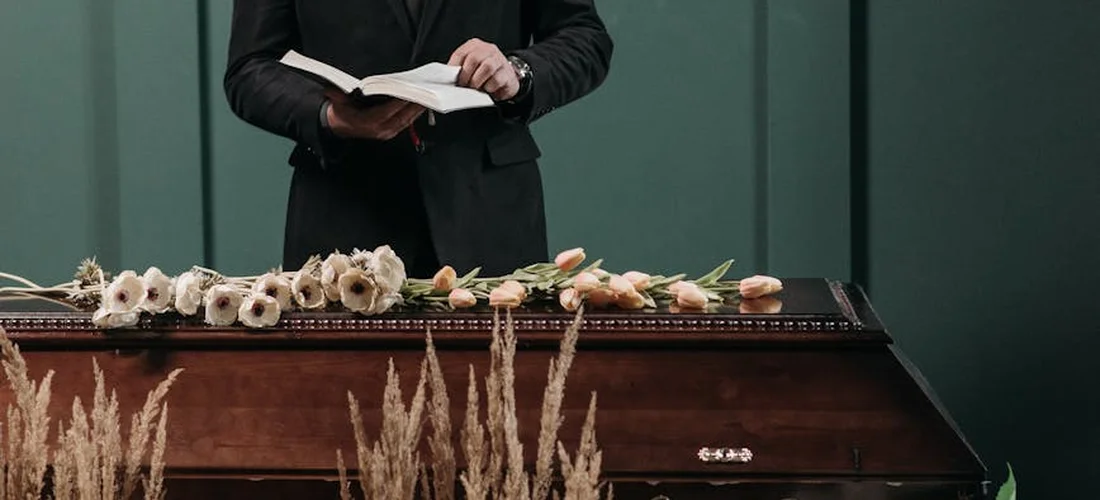
There is a quiet moment after a death when the world feels still. In that stillness, a practical question often forms. When should you make the call?
The clearest answer lies in the law. A licensed funeral director is legally required to file the official death certificate and to transport the deceased. This is not a matter of choice, but of public health and legal procedure. They handle these sensitive tasks with dignity, ensuring every form is correctly completed.
Yet the truest answer lives in your heart. Call when the logistical or emotional weight feels too heavy to carry alone. Grief can make even simple decisions feel impossible. A director lifts the burden of paperwork, coordination, and those countless, aching details. This allows you the space to simply be with your family.
Their role begins with guidance from that very first phone call, not merely on the day of the service. I have answered calls in the deep hours of the night. My first duty is always to listen, to offer clear next steps without pressure. They are a steady presence who walks the entire path with you, from those first raw hours through to the final arrangements.
Common Questions About the Profession
Many people have thoughtful questions about this line of work. The answers can help clarify what happens behind the scenes.
Is a funeral director the same as a mortician or embalmer?
The terms often overlap, but they are not exactly the same. Think of “funeral director” as the broader job title.
A funeral director manages all aspects of the funeral service and family care. A mortician typically refers to someone who handles the technical preparation of the body. An embalmer is specifically trained in the art and science of embalming.
In many places, one person holds licenses for all these roles. The funeral director you meet is likely both your guide and the professional who ensures every technical detail is handled with dignity. Their ultimate responsibility is to you, the family. Becoming a licensed funeral director involves rigorous training and dedication to support families in their most difficult times.
Are funeral directors considered healthcare or essential workers?
Yes, absolutely. While they are not doctors or nurses, their work is a vital part of public health and community safety.
They are trained in the safe, sanitary handling and transportation of the deceased. This prevents the spread of disease. During times of crisis, like a pandemic or natural disaster, their role becomes even more critical.
Funeral directors maintain the essential infrastructure that allows society to care for its dead with respect and safety. They work quietly to protect both the living and the dignity of those who have died.
The Path to Becoming a Funeral Director
This career requires specific education, hands-on training, and a compassionate heart. The journey is both academic and deeply personal.
The path generally involves these steps:
- Education: Most states require an associate’s or bachelor’s degree in mortuary science from an accredited program. Courses cover anatomy, microbiology, ethics, and business law.
- Apprenticeship: This is a required period of supervised training, often lasting one to three years. An apprentice works under a licensed director, learning every practical aspect of the profession.
- Licensure: After completing education and apprenticeship, candidates must pass national and state board exams. They must also meet character requirements.
It is more than a job. It is a calling that blends scientific knowledge, meticulous skill, and profound human understanding.
Your Questions Answered: The Heart of a Funeral Director’s Work
How does a funeral director provide emotional support to our family?
A funeral director offers a steady, compassionate presence, listening to your needs and guiding you with patience. Their support creates a calm environment where you can focus on honoring your loved one and processing your grief.
What logistical burdens does a funeral director handle for us?
They manage all complex coordination, from securing permits to liaising with cemeteries and vendors. This comprehensive oversight lifts the weight of details from your shoulders during an emotionally demanding time.
How does a funeral director ensure a service feels personal?
By listening deeply to your stories and wishes, they help weave personal touches into every aspect of the ceremony. Their duty is to translate your memories and values into a meaningful and respectful farewell.
Honoring the Guidance of a Funeral Director
A funeral director’s most vital duty is to manage the practical necessities with empathy, creating room for you to grieve and remember. By leaning on their expertise, you are freed to focus on personal tributes and healing during a profound loss.
As you navigate Funeral Care, consider dignified and eco-friendly options that honor both your loved one and the earth. Continuing to learn about Funeral Needs and seeking answers to Funeral Questions empowers you to make choices that feel right and respectful.
Emiliana Dieter
Emiliana is an author at The Valedictory. She is an experienced funeral care advisor and arranged and organized many funerals as part of her end of life consulting services. She has over 8+ years in the funeral industry managing her family funeral business and helping families cope with the loss of their loved ones. Her articles answer any and all questions you might have regarding funeral arrangements, costs, preparations, etc so you can make this a seamless experience.